How to Prepare Your Pool for a Robotic Pool Cleaner
Introduction
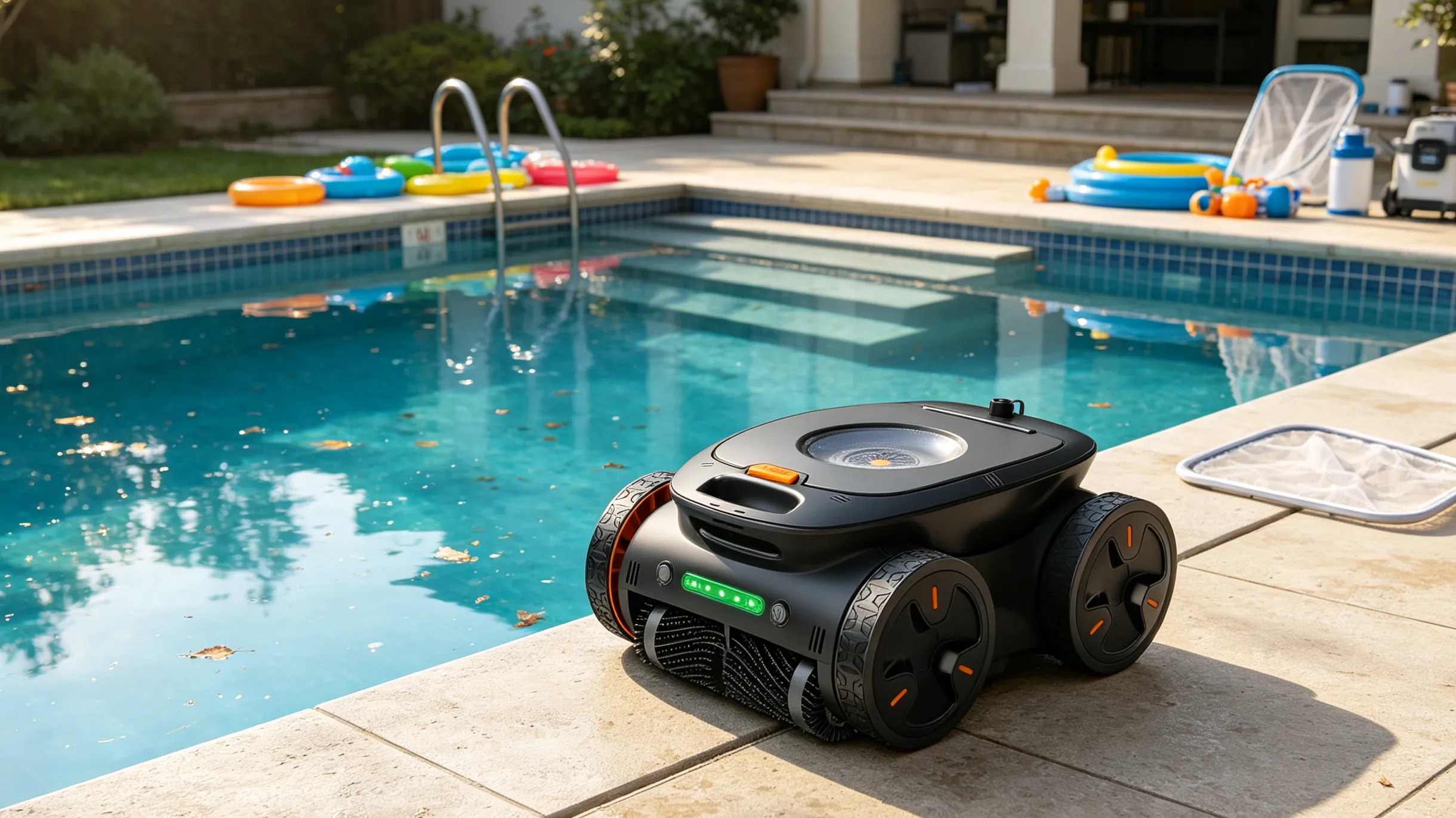
A robotic pool cleaner can handle much of the routine work involved in keeping a pool clean, but the cleaner still needs a suitable environment to operate effectively.
Before starting the first cleaning cycle, a few simple preparations can help prevent avoidable problems and give the robot better access to the pool. Removing large debris, checking the water level, inspecting obstacles, and understanding the pool layout are all useful steps.
Proper preparation is especially important when using a robotic pool cleaner in a pool with steps, narrow areas, unusual shapes, or heavy debris. Taking a few minutes to prepare the pool can help the cleaner operate more efficiently and make routine maintenance easier.
What Should You Do Before Using a Robotic Pool Cleaner?
Before placing the cleaner in the pool, check the basic conditions that could affect its movement and cleaning performance.
Remove Large Debris First
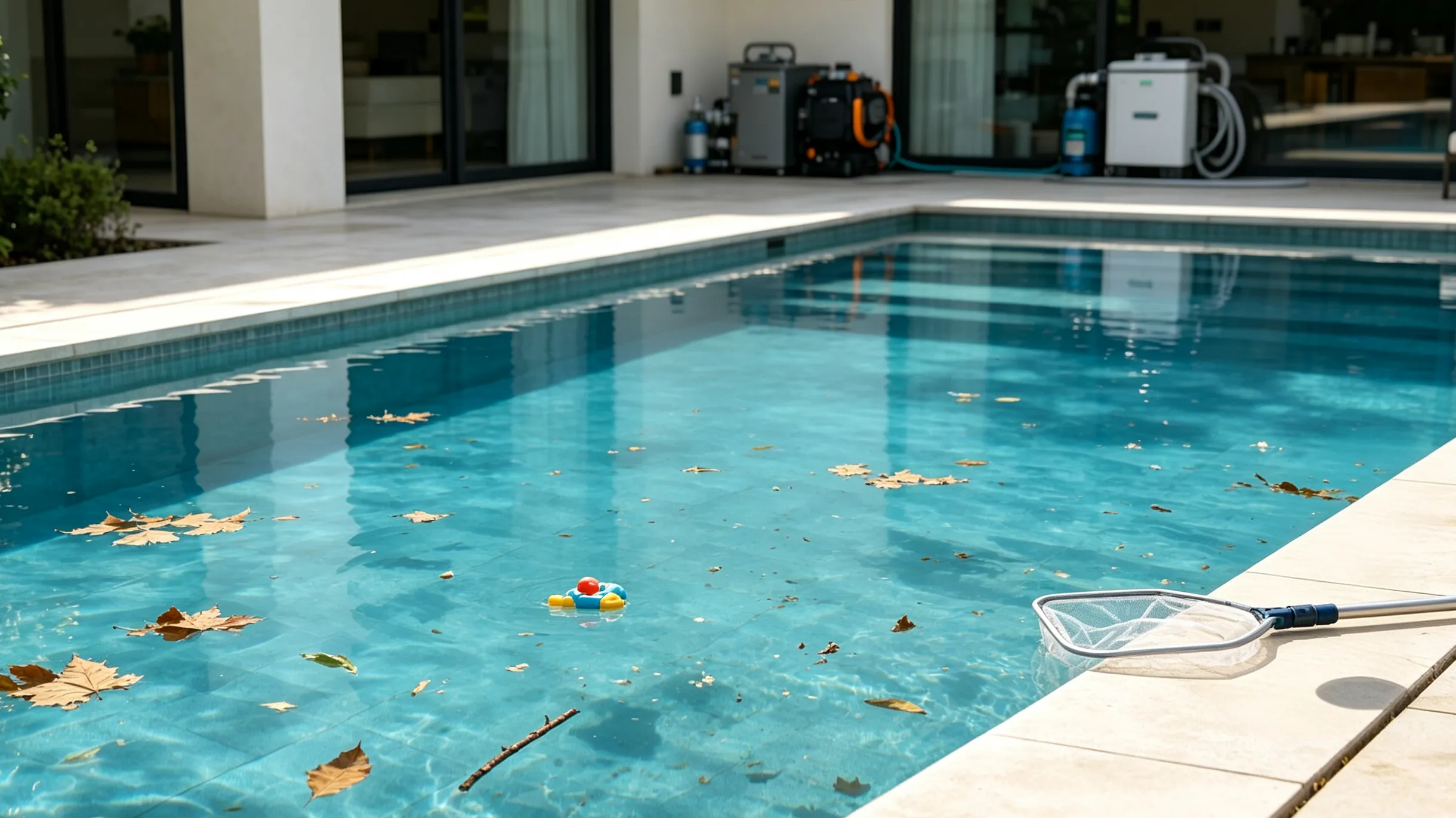
Large leaves, branches, toys, and other oversized objects should be removed before starting the robot.
A robotic pool cleaner is designed for routine pool debris, but large objects can interfere with its movement or cleaning components. Removing them first gives the cleaner a clearer path and reduces unnecessary strain during the cleaning cycle.
Check the Water Level
Make sure the pool has an appropriate water level before operating the cleaner.
Water that is too low can affect access to certain areas of the pool and may prevent the cleaner from operating as intended. If the pool has recently lost water because of evaporation or maintenance, check the level before starting a cleaning cycle.
Inspect the Pool for Obstacles
Look around the pool for objects that could interfere with the cleaner.
Pool toys, loose equipment, floating accessories, or objects placed on the pool floor should be removed. Pay particular attention to areas where the pool changes shape or depth.
Check Your Pool's Layout
The shape and design of the pool can affect how a robotic cleaner moves and where it can clean effectively.
Pay Attention to Steps and Narrow Areas
Steps, shallow sections, benches, and narrow spaces can create different movement conditions for a robotic cleaner.
If your pool has unusual or complex features, check whether the selected robotic cleaner is designed to handle them before expecting full coverage.
Check the Pool Surface
Look for loose objects, damaged surfaces, or other conditions that could interfere with the cleaner.
A clean and unobstructed pool floor provides a better environment for routine robotic cleaning.
How to Set Up a Robotic Pool Cleaner for the First Cleaning Cycle
Once the pool itself is ready, take a few minutes to prepare the cleaner before starting it.
Inspect the Cleaner Before Use
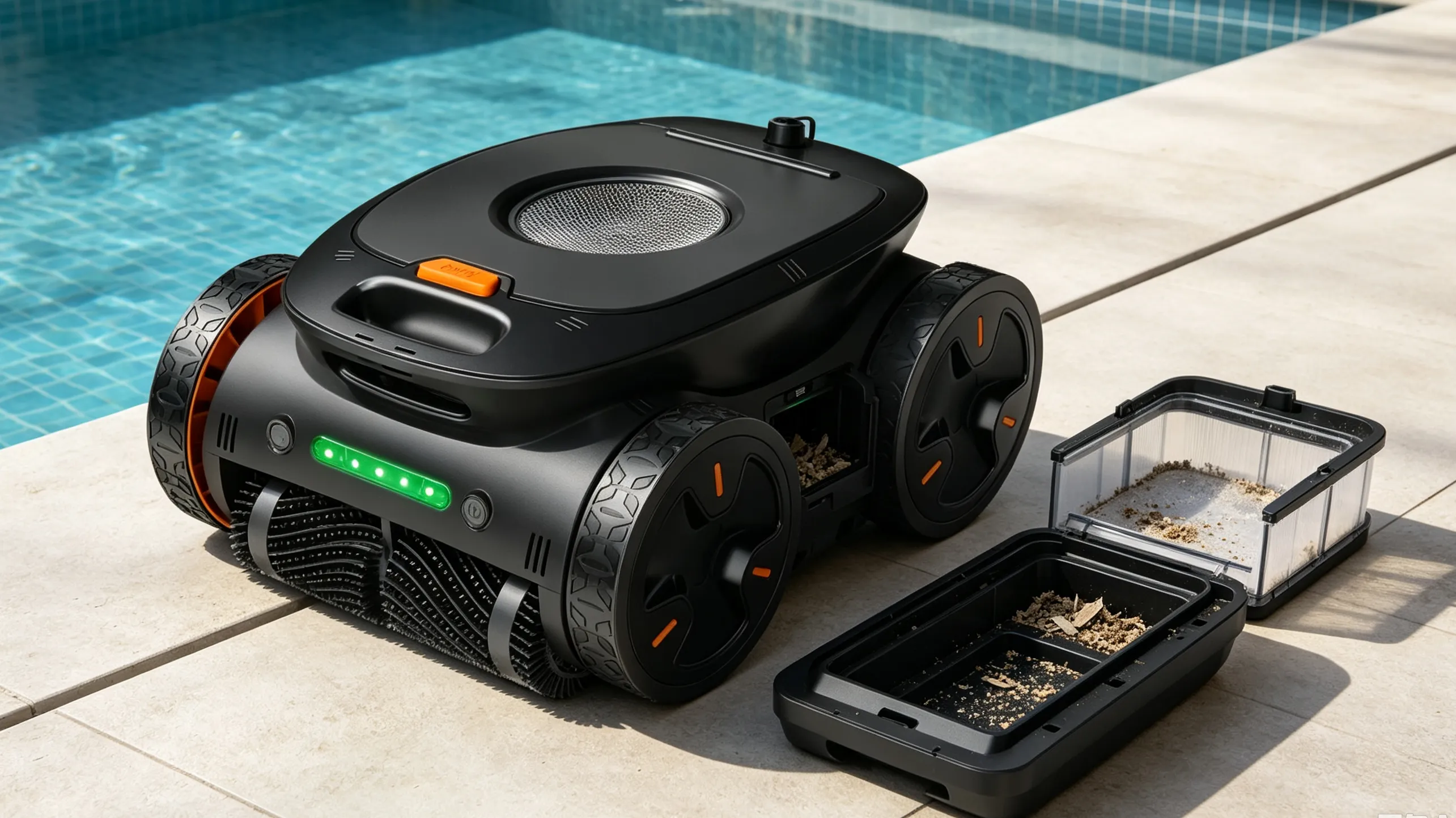
Check the robot, brushes, filter or debris container, wheels, and other accessible components for visible damage or debris.
If the cleaner has been used before, empty and clean the debris container so it starts the new cycle with enough capacity.
Choose the Right Cleaning Mode
If the cleaner provides multiple cleaning modes, select one that matches the condition of the pool.
A regular cleaning mode may be sufficient for routine maintenance, while a deeper cleaning mode can be more appropriate when the pool contains a larger amount of settled debris.
Follow the Manufacturer's Operating Instructions
Different robotic pool cleaners can have different requirements for charging, starting, retrieval, and storage.
Following the manufacturer's instructions helps avoid incorrect operation and ensures that features such as automatic docking, remote control, or different cleaning modes are used correctly.
What Should You Do During the First Cleaning Cycle?
The first cleaning cycle is a good opportunity to observe how the robot behaves in your particular pool.
Check Its Movement
Watch the cleaner for the first few minutes to make sure it moves normally across the pool floor.
Pay attention to how it handles changes in direction, pool walls, steps, and other features. This can help you identify areas that may require additional manual cleaning.
Check the Cleaning Results
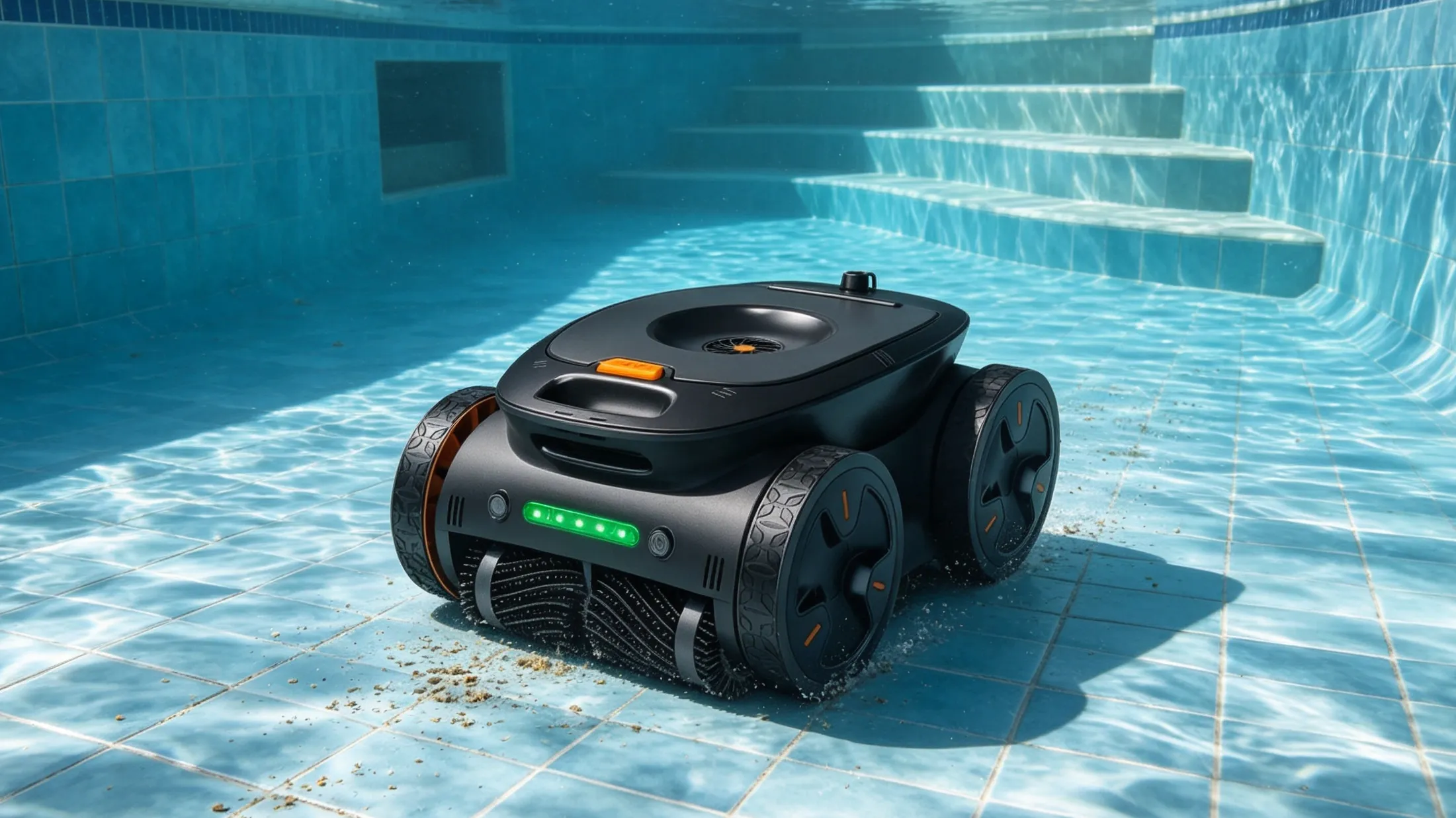
After the first cycle, inspect the pool floor and the cleaner's debris container.
If significant debris remains in certain areas, the issue may be related to the pool's shape, water movement, debris distribution, or the cleaner's coverage rather than a problem with the entire cleaning system.
How to Keep the Pool Ready for Future Cleaning Cycles
Once the initial setup is complete, maintaining suitable pool conditions can make future cleaning easier.
Remove Large Objects Before Each Cycle
Quickly removing large leaves, branches, toys, and other objects before starting the robot can help maintain a clear cleaning path.
Keep the Pool Area Organized
Store pool accessories and loose equipment away from areas where they could fall into the water.
A less cluttered pool environment reduces potential obstacles and makes routine robotic cleaning more predictable.
Clean the Robot After Use
Empty the debris container and remove accumulated dirt according to the manufacturer's instructions.
Regular cleaning of the robotic pool cleaner helps keep its filtration and cleaning components ready for the next cycle.
Frequently Asked Questions
Q1: Should I remove large debris before using a robotic pool cleaner?
A: Yes. Large leaves, branches, toys, and other oversized objects should generally be removed first to reduce the risk of interference with the cleaner.
Q2: Does the pool need to be completely clean before using a robotic pool cleaner?
A: No. The purpose of the robotic cleaner is to remove routine dirt and debris. However, removing large objects and obvious obstacles beforehand can help it operate more effectively.
Q3: Can a robotic pool cleaner clean a pool with steps?
A: Some models are designed to handle steps or other pool surfaces, but capabilities vary between models. Check the cleaner's specifications before use.
Q4: What should I check before starting a robotic pool cleaner?
A: Check the pool's water level, remove large debris and obstacles, inspect the cleaner for visible damage, and make sure the filter or debris container is ready for use.
Q5: Should I clean my robotic pool cleaner after every use?
A: Regularly emptying the debris container and removing accumulated dirt is recommended. The exact cleaning routine depends on the model and how heavily it is used.
Conclusion
Preparing a pool for a robotic pool cleaner does not require complicated work. Removing large debris, checking the water level, clearing obstacles, and understanding the pool's layout can provide a better environment for the cleaner.
Before the first cleaning cycle, inspect the robot, choose an appropriate cleaning mode, and follow the manufacturer's operating instructions. Afterward, keeping both the pool and cleaner reasonably clean can make future cleaning cycles easier.
A few simple preparation steps can help a robotic pool cleaner work more consistently and reduce avoidable problems during routine pool maintenance.