Can You Use a Robotic Pool Cleaner on a Vinyl Pool? Safety Guide for Vinyl Liner Pools
Robotic Pool Cleaner
Vinyl Pool

Introduction
If you own a vinyl liner pool, you probably already know that the pool surface needs more care than concrete, plaster, or gunite. Vinyl liners are smooth, flexible, and comfortable underfoot, but they can also be vulnerable to sharp debris, rough brushes, damaged cleaner parts, poor water chemistry, and unnecessary abrasion.
That is why many pool owners ask a practical question before buying an automatic cleaner: Can you use a robotic pool cleaner on a vinyl pool?
The short answer is yes, you can use a robotic pool cleaner on a vinyl pool if the cleaner is designed for vinyl liner surfaces and the liner is in good condition. The best choice is a pool robot with gentle surface contact, non-abrasive brushes, smooth wheels or tracks, reliable navigation, and a design that avoids unnecessary rubbing in one place.
However, not every pool cleaner is equally suitable for vinyl. A vinyl liner pool cleaner should be selected carefully. If the liner has tears, wrinkles, bubbles, exposed rough spots, or trapped sharp objects underneath, any automatic pool cleaner may increase the risk of damage.
This safety guide explains how robotic pool cleaners work on vinyl pools, what features matter, what mistakes to avoid, and how PURILY robotic pool cleaner solutions can support safer, smarter, and more efficient pool maintenance.
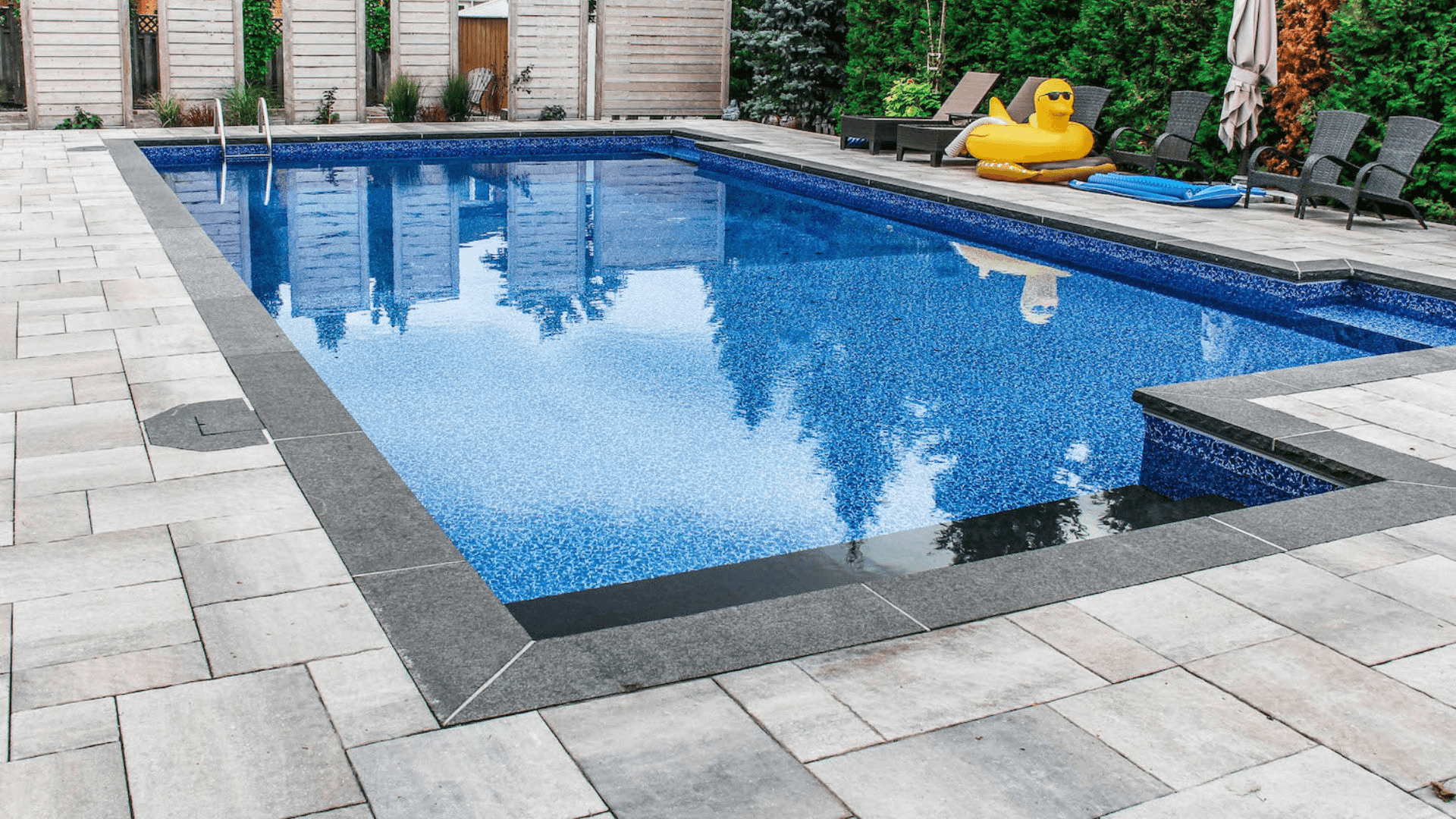
Are Robotic Pool Cleaners Safe for Vinyl Pools?
The short answer for pool owners
Robotic pool cleaners can be safe for vinyl liner pools when three conditions are met:
The cleaner is compatible with vinyl pool surfaces.
The vinyl liner is in good condition.
The robot is used according to the manufacturer’s instructions.
A robotic pool cleaner for a vinyl liner pool should move smoothly, scrub gently, and avoid aggressive abrasion. The goal is not to “grind” the liner clean. The goal is to loosen dirt, collect debris, and maintain the pool with controlled movement and filtration.
A vinyl pool cleaning robot should be especially careful around seams, corners, wall transitions, steps, ladders, and wrinkles. These areas are more sensitive than the open pool floor.
Why vinyl liner pools need a gentler cleaning approach
Vinyl is not the same as concrete or plaster. Concrete and gunite pools can tolerate more aggressive scrubbing because the surface is harder. Vinyl liners are flexible sheets installed over a pool structure, and their long-term condition depends on proper care.
A vinyl liner can be affected by:
Sharp leaves, twigs, stones, or small metal objects
Worn brushes, wheels, or tracks
Poorly maintained pool cleaner parts
Excessive friction in one area
Imbalanced water chemistry
Existing wrinkles, bubbles, holes, or tears
This does not mean a robotic pool cleaner is unsafe. It means the pool owner should use the right type of cleaner and inspect both the liner and the robot regularly.
What “vinyl-safe” really means
A pool robot safe for vinyl liner applications is not only about soft brushes. It is about the full cleaning system.
A safer automatic pool cleaner for vinyl pool use should include:
Smooth body design with no exposed sharp edges
Soft or non-abrasive pool cleaner brush materials
Controlled traction from wheels or tracks
Stable movement without aggressive dragging
Smart navigation to reduce repeated rubbing
Effective filtration so debris is captured instead of pushed around
Easy maintenance to prevent worn parts from damaging the liner
Vinyl-safe cleaning is about reducing risk while still maintaining strong cleaning performance.
How a Robotic Pool Cleaner Works on a Vinyl Liner Pool
Suction, brushing, and filtration
A robotic pool cleaner works independently from the pool’s main pump system. It uses onboard motors, brushes, suction channels, and filters to collect dirt and debris from the pool.
On a vinyl pool, the cleaner should remove debris without applying excessive force. The brushes help loosen fine particles, while suction pulls debris into the filter basket or cartridge.
The cleaning process usually involves:
The robot moves across the floor or wall.
The brush system loosens dirt, algae film, dust, and small particles.
The suction inlet pulls water and debris into the robot.
The filtration system traps leaves, sand, hair, and fine debris.
Cleaned water returns to the pool.
The robot continues following its programmed or intelligent cleaning path.
For vinyl pools, brush design and movement stability matter because the cleaner is in direct contact with the liner.
Movement and surface contact
The robot’s wheels, tracks, and brushes must maintain contact with the pool surface. If the robot slips, spins, or rubs the same area repeatedly, it may increase wear over time.
A well-designed pool cleaner for vinyl lined pool applications should move with controlled traction. It should not dig into the surface or get stuck in one corner for long periods.
This is where intelligent navigation becomes valuable. Instead of randomly driving over the same area many times, a smart robotic pool cleaner can improve route planning and reduce unnecessary repeated contact.
Wall and waterline cleaning
Many pool owners ask: Can pool robots clean vinyl pool walls?
Some robotic pool cleaners can climb vinyl pool walls, but performance depends on the model, wall angle, liner condition, water level, traction system, and suction balance.
Wall cleaning is useful because dirt and algae film do not only collect on the floor. They can also build up along the walls and waterline. However, wall cleaning on vinyl should be controlled and gentle. Strong climbing ability is good, but excessive or uncontrolled rubbing is not.
For vinyl pools, the best pool robot is one that combines traction, sensing, and soft surface care.
Can Robotic Pool Cleaners Damage Vinyl Liners?
When damage risk is low
A properly selected robotic pool cleaner should not damage a healthy vinyl liner under normal use. If the liner is smooth, intact, properly installed, and free from sharp debris, a vinyl-safe robot can help keep the pool cleaner with less manual effort.
Risk is lower when:
The cleaner is rated for vinyl liner pools.
Brushes are soft or non-abrasive.
Wheels or tracks are smooth and undamaged.
The filter is cleaned regularly.
The liner has no tears, bubbles, or major wrinkles.
Large sharp debris is removed before cleaning.
The robot is not left in the pool for unnecessary long periods.
A robotic cleaner is often safer and more consistent than harsh manual scrubbing when used correctly.
When damage risk increases
A pool robot may create problems if the liner or cleaner is already in poor condition.
Avoid using a robotic pool cleaner if:
The vinyl liner has visible tears or holes.
The liner has large wrinkles or loose areas.
There are bubbles, bumps, or trapped objects under the liner.
Stones, screws, broken plastic, or sharp debris are in the pool.
The robot has damaged wheels, tracks, brushes, or body parts.
The brush is too stiff or abrasive for vinyl.
The robot repeatedly gets stuck and rubs one area.
The pool water chemistry has weakened the liner.
In these cases, the pool cleaner may not be the original cause of damage, but it can make an existing issue worse.
Will a robotic pool cleaner tear a vinyl liner?
A robotic pool cleaner is unlikely to tear a healthy liner if it is vinyl-compatible and properly maintained. Most tear risks come from pre-existing liner weakness, sharp debris, damaged cleaner parts, or using the wrong type of brush.
The most important rule is simple: inspect before you clean.
If something looks loose, sharp, torn, brittle, or unusual, fix the liner problem before running any automatic cleaner.
What Features Make a Pool Robot Safe for Vinyl Liner Pools?
Soft or non-abrasive brushes
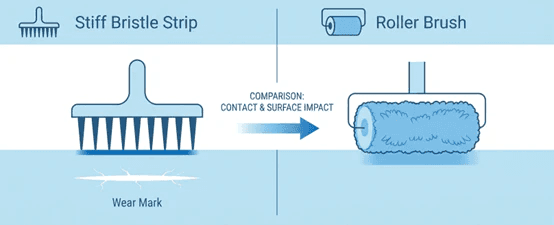
The brush is one of the most important features. A robotic pool cleaner soft brush helps loosen dirt without scraping the liner aggressively.
For vinyl pools, avoid overly stiff or abrasive brushes unless the manufacturer clearly states they are safe for vinyl. The brush should be firm enough to remove dirt but gentle enough to protect the liner.
A non-abrasive pool cleaner brush is especially important for older liners, printed liners, and liners with decorative patterns.
Smooth wheels or tracks
Wheels and tracks should provide traction without cutting, pinching, or dragging the liner.
Check for:
Cracks
Sharp edges
Worn tread
Missing pieces
Stuck debris
Uneven movement
If a wheel or track is damaged, replace it before using the robot again. A damaged part can turn a safe pool robot into a liner risk.
Smart navigation and anti-stuck design
Smart navigation helps a robotic cleaner move efficiently instead of randomly repeating the same path. For vinyl liner pools, this can reduce unnecessary friction and improve cleaning coverage.
Anti-stuck design is also important. If a robot gets trapped around a ladder, step, drain, or corner, it may keep rubbing the same area. A cleaner with obstacle detection and intelligent escape logic can reduce this risk.
Controlled suction and efficient filtration
Strong suction is useful, but vinyl pool safety is not only about power. The cleaner should collect debris efficiently without pulling aggressively at loose liner areas.
Efficient filtration is also important. A clean filter helps the robot maintain steady water flow, while a clogged filter may reduce performance and cause the robot to move less effectively.
Lightweight and balanced body design
A heavy cleaner is not automatically unsafe, but good weight balance matters. The cleaner should maintain stable contact without excessive pressure on one small area.
For residential vinyl pools, a compact and balanced design can make handling easier and reduce stress on sensitive pool surfaces.
Robotic vs Suction vs Pressure Pool Cleaners for Vinyl Pools
Choosing the best pool cleaner for vinyl liner pool maintenance often means comparing different cleaner types. Robotic, suction-side, pressure-side, and manual vacuums all work differently.
Cleaner Type | Vinyl Pool Suitability | Main Advantage | Main Concern | Best Use Case |
|---|---|---|---|---|
Robotic pool cleaner | High if vinyl-safe | Independent cleaning, smart navigation, filtration | Must choose soft brush and safe design | Regular floor, wall, and debris cleaning |
Suction-side cleaner | Medium | Budget-friendly and simple | Can rely heavily on pool pump and may drag hoses | Basic debris removal |
Pressure-side cleaner | Medium | Good for larger debris | Extra parts and movement pattern may vary | Leaf-heavy pools |
Manual vacuum | High when used carefully | Full user control | Labor-intensive | Spot cleaning, delicate areas |
Manual brush | High when soft brush is used | Best for corners and steps | Requires time and effort | Steps, seams, and problem spots |
For many homeowners, a robotic pool cleaner offers the best balance of convenience, cleaning power, and independence. But for vinyl pools, the model must be chosen carefully.
How to Choose the Best Robotic Pool Cleaner for a Vinyl Pool
Step-by-step buying checklist
Use this decision sequence before buying a vinyl liner pool cleaner:
Confirm vinyl compatibility.
Check whether the cleaner is suitable for vinyl liner pools.Inspect the brush type.
Look for soft, gentle, or non-abrasive brush materials.Check the drive system.
Wheels or tracks should be smooth, stable, and free from sharp contact points.Review the navigation system.
Smart navigation can reduce repeated rubbing and improve coverage.Consider pool type.
Choose a robotic pool cleaner for inground vinyl pool use or above-ground vinyl pool use depending on your pool structure.Check wall cleaning needs.
If you want wall or waterline cleaning, confirm the model supports it on vinyl surfaces.Review filter capacity.
A good filter basket or cartridge helps collect debris instead of pushing it around.Evaluate weight and handling.
A lightweight design can make removal and storage easier.Read maintenance instructions.
Vinyl-safe cleaning also depends on regular care.Choose a reliable brand or manufacturer.
Product support, parts availability, and technical guidance matter.
Inground vinyl pool vs above-ground vinyl pool
A robotic pool cleaner for inground vinyl pool applications may need stronger wall climbing, longer cleaning cycles, larger filtration capacity, and better navigation.
A robotic pool cleaner for above ground vinyl pool applications may focus more on floor cleaning, lightweight handling, and compact design.
The best choice depends on pool size, depth, wall structure, liner condition, and cleaning expectations.
What pool cleaner is safe for vinyl liner pools?
A safe pool vacuum for vinyl liner pool use should be gentle, stable, and properly maintained. Whether you choose a robot, manual vacuum, or automatic cleaner, the surface-contact parts matter most.
Look for a pool cleaner that won’t damage vinyl liner surfaces by checking:
Brush softness
Wheel or track condition
Surface compatibility
Anti-stuck design
Navigation quality
Filter performance
Manufacturer instructions
Can PURILY Robotic Pool Cleaners Be Used on Vinyl Pools?
PURILY’s smart cleaning approach
A PURILY robotic pool cleaner can be a suitable option for vinyl pools when the selected model is compatible with vinyl liner surfaces and used according to the product manual.
PURILY focuses on smart robotic pool cleaning technology, including intelligent path planning, ultrasonic mapping, four-wheel drive, dual intake filtration, smart app control, high-flow suction power, and intelligent escape design.
These features are useful for vinyl pool owners because safer cleaning is not only about brush softness. It is also about movement control, route planning, stable traction, filtration efficiency, and avoiding unnecessary friction.
Why smart navigation matters for vinyl liner safety
In a vinyl pool, random movement can sometimes lead to repeated contact in the same area. Smart navigation helps the robot clean more efficiently by improving route coverage and reducing unnecessary overlap.
For pool robot vinyl liner safety, smart movement can help:
Reduce repeated rubbing on one liner area
Avoid obstacles such as ladders and drains
Improve cleaning coverage across the floor and walls
Help the robot escape from tight areas
Support more consistent cleaning cycles
This makes intelligent navigation a valuable feature for pool owners who want both convenience and surface protection.
PURILY for residential and commercial pool needs
PURILY robotic pool cleaner solutions are designed for modern pool maintenance, including residential pools, commercial pools, and distributor product lines.
For vinyl pool owners, the key is choosing the right model for the application. A small above-ground vinyl pool does not need the same machine as a large inground pool. A commercial facility may require stronger filtration, longer cycles, and more durable operation.
The right PURILY solution should match:
Pool type
Pool size
Surface material
Liner condition
Cleaning frequency
Debris load
Wall cleaning requirements
User handling preferences
How to Use a Robotic Pool Cleaner Safely in a Vinyl Liner Pool
Before each cleaning cycle
Before using a vinyl pool cleaning robot, inspect both the pool and the cleaner.
Check the pool for:
Tears or holes in the liner
Large wrinkles or loose liner areas
Stones, toys, screws, or sharp debris
Weak seams or damaged corners
Unusual bubbles or raised spots
Check the robot for:
Damaged wheels or tracks
Worn brushes
Cracked body parts
Debris stuck in the drive system
Dirty filter basket
Loose parts
This quick inspection can prevent most avoidable problems.
During cleaning
Let the robot complete its cycle, but pay attention the first few times you use it in a vinyl pool. Watch how it moves around corners, steps, drains, and walls.
Stop the cleaner if it repeatedly gets stuck or rubs the same area. Check whether the issue is caused by the pool shape, an obstacle, low water level, a dirty filter, or worn parts.
After cleaning
After each cycle, remove the robot from the pool, empty the filter, rinse the filter basket, and check the brushes and drive system.
Do not store the cleaner in direct sunlight for long periods. Do not leave it in chemically imbalanced water. Proper storage helps extend the life of both the cleaner and the liner.
Common Mistakes to Avoid With Vinyl Pool Robots
Vinyl liner pools are easy to maintain when you use the right method. Most problems happen because of avoidable mistakes.
Avoid these common errors:
Using a cleaner not rated for vinyl liner pools
Ignoring existing liner tears or wrinkles
Running the robot over sharp debris
Using stiff or abrasive brushes
Leaving the robot in the pool too long after cleaning
Forgetting to clean the filter basket
Using the robot with damaged wheels or tracks
Running the robot when water chemistry is poor
Expecting the robot to fix algae without proper pool treatment
Ignoring manufacturer instructions
A robotic pool cleaner is a maintenance tool, not a replacement for good pool care. Balanced water chemistry, routine inspection, and proper cleaning habits still matter.
Application Scenarios: Which Vinyl Pool Owners Benefit Most?
Residential vinyl liner pools
Homeowners with residential vinyl pools often want convenience. A robotic cleaner can reduce manual vacuuming and brushing, especially during swimming season.
A PURILY pool robot may help homeowners maintain cleaner water with less effort, especially when used regularly before debris accumulates heavily.
Above-ground vinyl pools
Above-ground vinyl pools are common in residential settings. They often need lightweight, easy-to-use cleaners that can handle the pool floor without damaging the liner.
For above-ground vinyl pools, check whether the robot is suitable for the pool size, floor shape, and water depth.
Inground vinyl liner pools
Inground vinyl pools may have deeper areas, walls, steps, and waterline zones. These pools may benefit from smarter navigation, stronger suction, and better route coverage.
A robotic pool cleaner for inground vinyl pool use should be selected with wall cleaning and traction in mind.
Pools with trees, leaves, or fine debris
If your vinyl pool collects leaves, pollen, sand, or dust, filtration quality matters. A cleaner with efficient debris capture can reduce the workload on the pool’s main filtration system.
For pools with heavy debris, clean the robot’s filter frequently to maintain performance.
FAQ
Can you use a robotic pool cleaner on a vinyl pool?
Yes. You can use a robotic pool cleaner on a vinyl pool if the cleaner is suitable for vinyl liner surfaces and the liner is in good condition. Always follow the product manual.
Are robotic pool cleaners safe for vinyl liners?
Robotic pool cleaners are generally safe for vinyl liners when they use non-abrasive brushes, smooth wheels or tracks, and controlled navigation. Avoid using them on damaged liners.
Can robotic pool cleaners damage vinyl liners?
They can if the liner is already torn, wrinkled, bubbled, old, brittle, or exposed to sharp debris. Damaged cleaner parts can also increase risk.
Will a robotic pool cleaner tear a vinyl liner?
A vinyl-safe robotic cleaner should not tear a healthy liner under normal use. Tears are more likely when sharp debris, existing damage, or worn cleaner parts are present.
What type of brush is safe for vinyl liner pools?
A soft or non-abrasive brush is best for vinyl liner pools. Avoid stiff or aggressive brushes unless the manufacturer confirms vinyl compatibility.
Can pool robots clean vinyl pool walls?
Some pool robots can clean vinyl pool walls, but this depends on the model, wall shape, water level, traction system, and liner condition.
Is a robotic pool cleaner safe for above-ground vinyl pools?
Yes, if the model is designed for above-ground vinyl pools. Make sure it is lightweight, compatible with vinyl, and suitable for the pool size and floor type.
Can I leave a robotic pool cleaner in a vinyl pool?
It is better to remove the cleaner after the cleaning cycle. Long-term exposure to pool chemicals and sunlight can affect cleaner parts and may not be ideal for the liner.
How often should you use a pool robot in a vinyl pool?
Many pool owners run a robot several times per week during swimming season. Frequency depends on debris load, pool usage, weather, and water conditions.
Why is my pool robot rubbing the vinyl liner?
Repeated rubbing may be caused by poor navigation, a stuck drive system, low traction, a dirty filter, obstacles, or worn parts. Stop the robot and inspect both the cleaner and pool area.
What is the best pool cleaner for vinyl liner pool maintenance?
The best choice is a vinyl-compatible cleaner with soft brushes, smooth movement, smart navigation, effective filtration, and easy maintenance. The exact model depends on pool size, type, and cleaning needs.
Is PURILY suitable for vinyl liner pools?
A PURILY robotic pool cleaner may be suitable when the selected model is compatible with vinyl surfaces and used according to the manual. Always confirm model specifications before use.
Conclusion
A robotic pool cleaner can be used on a vinyl pool, but the right product and correct usage matter. Vinyl liners are smooth and flexible, so they require a cleaner that is gentle, stable, and designed for delicate pool surfaces.
The most important factors are vinyl compatibility, soft or non-abrasive brushes, smooth wheels or tracks, smart navigation, clean filters, and a healthy liner. A robotic pool cleaner vinyl pool solution should reduce manual labor without increasing liner risk.
Before running any automatic cleaner, inspect the liner, remove sharp debris, check the robot’s brush and drive parts, and follow the manufacturer’s instructions. If the liner already has tears, bubbles, wrinkles, or trapped objects, repair those issues before using a pool robot.
For pool owners who want easier maintenance, a vinyl-safe robotic cleaner can be a smart investment. For distributors and commercial buyers, vinyl pool compatibility is also an important product selection factor because it directly affects customer satisfaction and long-term trust.
CTA Closing
Looking for a smart robotic pool cleaner solution for vinyl liner pools, inground pools, above-ground pools, or commercial pool applications?
Explore PURILY robotic pool cleaner solutions designed with intelligent path planning, efficient filtration, stable movement, and smart pool maintenance technology. Choose the right cleaner for your pool surface, protect your liner, and make pool care easier with PURILY.