Pool Robot Accessories: A Complete Guide to Make Your Pool Robot Smarter and More Durable
Complete Guide
Pool Robot Accessories
1.Introduction
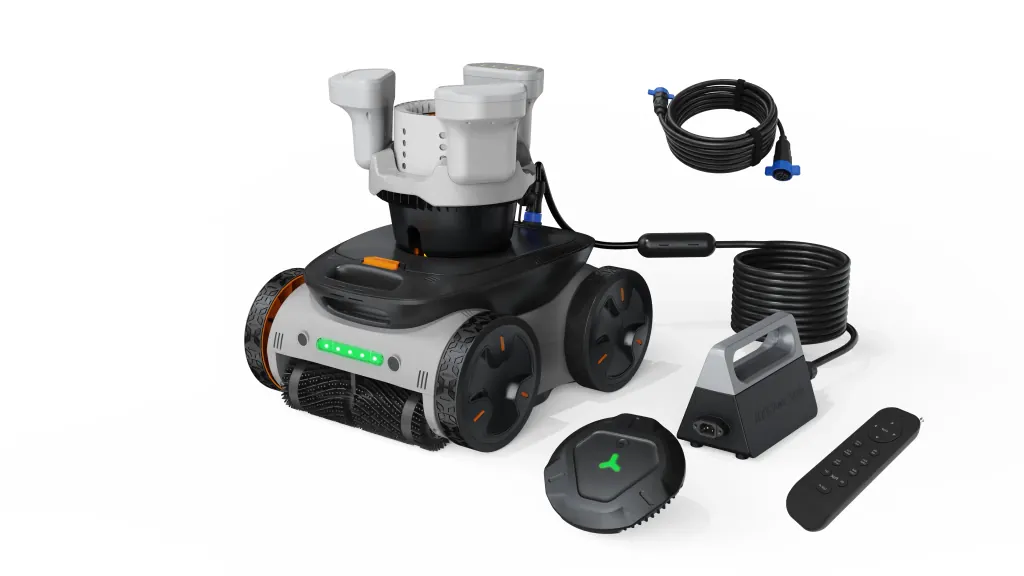
For private pool owners and operators of hotel or club pools, pool robots have evolved from a “nice-to-have gadget” into standard equipment. Pool robot accessories are the key to amplifying the value of these machines: they determine cleaning efficiency, maintenance costs, and the overall lifespan and intelligence level of the system. Industry reports show that the global swimming pool accessories market is around 9.3 billion USD in 2025 and is expected to reach about 14.3 billion USD by 2035, with a compound annual growth rate (CAGR) of roughly 4.4%. Within this larger market, automation and smart accessories centered on robotic pool cleaners are among the fastest-growing segments.
The sections below break down pool robot accessories in terms of types, buying criteria, and “X best ways to improve cleaning performance,” offering a deep, structured article that also aligns well with conversational search intent.
2.Why Pool Robot Accessories Matter
Market data shows that robotic pool cleaners are spreading rapidly, with the global robotic pool cleaner market valued at about 1.1 billion USD in 2024 and projected to reach roughly 6.9 billion USD by 2034, at a CAGR close to 22%. This growth directly drives demand for related accessories and add-ons.
In North America alone, robotic pool cleaners account for more than 40% of global revenue, indicating that automated maintenance has become mainstream in mature markets. In other words, beyond upgrading the robot itself, users are more than willing to invest in higher-performance, more convenient accessories. These accessories are not just “extras” but core components that elevate automation and overall user experience
3.Common Types of Pool Robot Accessories
1. Filtration and Debris Collection
Filter baskets, cartridges, and bags
These determine how well the robot captures fine particles and directly affect water clarity. High‑density filters are ideal for pollen and fine dust in spring, while coarser filters work better for leaves, insects, and larger debris.
Replaceable filter sets
For commercial pools or households with high usage, having spare filter sets reduces downtime and keeps cleaning performance consistent.
2. Brushes and Drive Components
Foam, PVC, and hybrid brushes
Foam brushes are better for tile or concrete pools, while PVC brushes are more suitable for liner pools and polyester shell pools. Matching brush type to pool surface significantly improves algae removal and stain scrubbing.
Tracks, wheels, and rollers
High‑friction tracks help robots climb walls and deliver full 360‑degree wall cleaning. Worn tracks reduce climbing ability and coverage.
3. Power and Battery Accessories
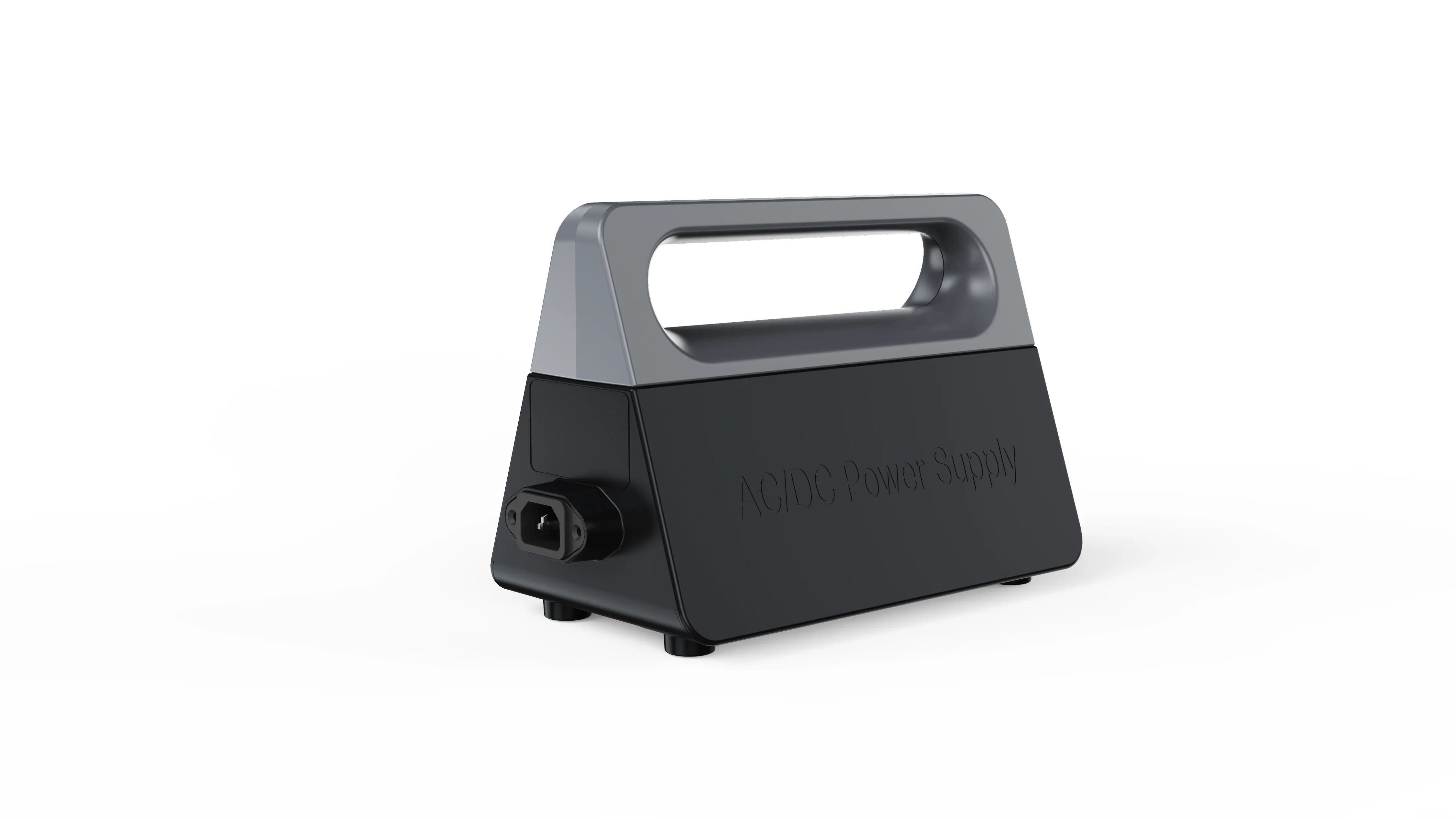
Power supplies and transformers
These provide safe low‑voltage power, minimizing risks of using high‑voltage devices near water. Quality units often include overload and overheat protection that extends robot lifespan.Replaceable battery modules
For cordless robots, battery capacity and cycle life are crucial. As cordless models grow more popular, replaceable battery packs have become key accessories.
4. Control and Smart Modules
Timers and remote controllers
These allow preset cleaning schedules and modes so the robot can work at night or when no one is home—“it works while you sleep.”Smart gateways and app modules
Premium models support Wi‑Fi or Bluetooth connections. Via mobile apps, users can view cleaning maps, adjust paths, and run diagnostics.
5. Protection and Storage
Caddies and trolleys
These make it easier to move and store heavy robots, avoiding cable strain and impact damage while shielding units from harsh weather.Sunshades and stands
Some brands offer custom‑fit covers designed for their units. Combined with UV‑resistant housings, these significantly reduce sun‑related aging and cracking.
4. Key Criteria for Choosing Pool Robot Accessories
1. Compatibility with Robot Model
Prioritize official accessories: Many brands explicitly state that non‑OEM parts may affect warranty coverage, so factory or certified accessories are recommended for critical components such as power supplies, batteries, and control modules.
Model compatibility lists: Most manufacturers offer “compatible accessories lists” on their websites, showing exactly which accessories work with which robot model, and your article can encourage users to check these before purchasing.
2. Pool Size, Shape, and Surface
Large, complex pools
Pools with multiple steps and irregular shapes require higher‑grip tracks, more advanced path‑planning modules, and larger filter baskets.Surface material
Brush material must match pool liner and wall surfaces to avoid damage and ensure effective cleaning.
3. Energy Use and Operating Costs
Efficient motors and smart algorithms
Some robots use intelligent navigation and dirt‑detection algorithms to reduce cleaning time and energy consumption at the same power level.Filter and brush wear
Washable, reusable filters and durable brushes significantly reduce long‑term maintenance costs.
4. Durability and Safety
Waterproof ratings
Components rated IPX8 can operate fully submerged over long periods, making them suitable for outdoor, high‑humidity conditions.UV resistance
UV‑stable ABS housings withstand intense sunlight, which is crucial for outdoor pools in hot climates.
5. 10 Best Accessories and Strategies to Boost Robot Efficiency
Combine high‑density and standard filters
Use fine filters for ultra‑small particles and standard filters for larger debris; alternating or combining them greatly improves clarity.Upgrade to wall‑specific brushes
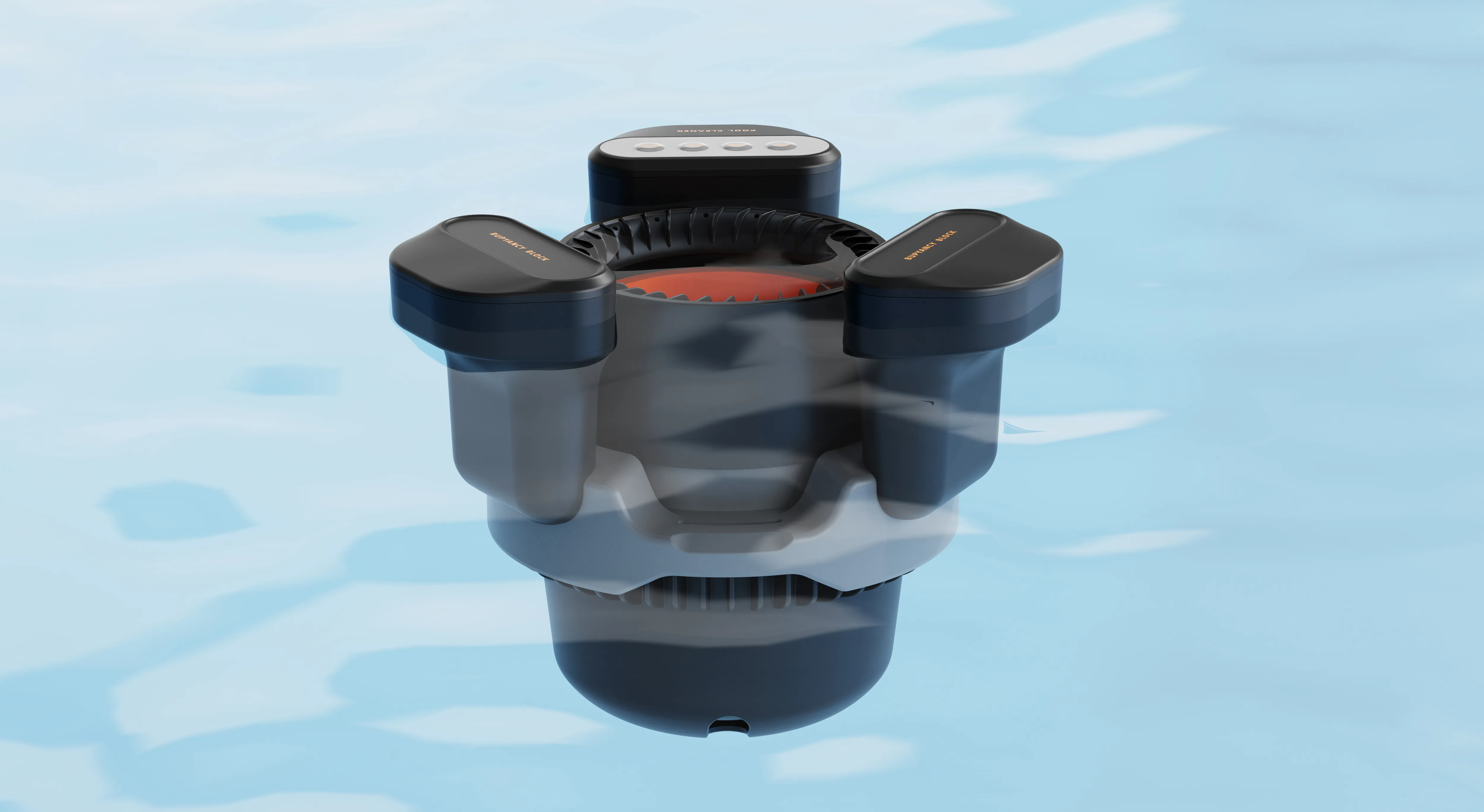
For tile and rough surfaces prone to algae, harder or specially designed wall brushes help your robot truly deliver “wall‑plus‑floor” cleaning.Add high‑capacity batteries for cordless robots
As cordless models grow in popularity for their total freedom of movement, insufficient battery runtime can interrupt cleaning cycles. High‑capacity or backup battery packs allow complete coverage of large pools.Install smart timers and remote control modules
Weekly cleaning schedules can be set in one step, combining weekday automatic cleaning and weekend pool use without manual intervention.Use dedicated caddies and stands
For heavy or commercial units, a caddy prevents carrying damage to housings and cables and simplifies daily setup and storage.Upgrade to high‑traction tracks
For better wall‑climbing performance, switch to wider tracks or higher‑friction compounds that give more stable vertical traction.Integrate water‑quality monitoring and dosing systems
Some ecosystems combine sensors and robots: when turbidity or algae risk rises, cleaning frequency automatically increases, forming a “robotic cleaning + smart dosing” combo.Protect robots and power supplies with outdoor sunshades
Paired with UV‑resistant housings, covers dramatically reduce plastic aging and extend the unit’s service life.Use visual apps for monitoring and firmware updates
High‑end robots with smart modules and apps let users see coverage maps, runtimes, and error codes, and receive updates that continuously refine cleaning logic.Regularly replace wear parts (brushes, filters, O‑rings)
Expert buying guides recommend periodic checks of filters, brushes, and seals, with timely replacement where wear is visible to maintain performance and waterproofing.
6. FAQ (Frequently Asked Questions)
Q1: What are the main types of Pool Robot Accessories?
Common types include: filtration and dust collection accessories (filter baskets, filter cartridges, filter bags), brush and track accessories, power and battery modules, control and smart modules (timers, remote controls, app gateways), and storage and protection accessories (trolleys, brackets, sunshades).
Q2: Why do we need to purchase additional pool robot accessories?
Accessories can significantly improve cleaning efficiency, extend equipment life, and reduce long-term maintenance costs, while also adding intelligent features such as remote control, scheduled cleaning, and path optimization.
Q3: How do I choose the right accessories for my swimming pool?
Factors to consider include: robot brand and model compatibility, pool size and shape, lining material (tiles, concrete, lining membrane, etc.), frequency of use, and whether it is an outdoor environment exposed to direct sunlight.
Q4: How often do the filter and brush need to be replaced?
It is generally recommended to check the filter every few weeks during the usage season and decide whether to replace it based on wear and blockage. In high-frequency use or commercial scenarios, the replacement cycle will be shorter. Keeping the filter unobstructed and the bristles intact can significantly improve the cleaning effect.
Q5: Does a cordless pool robot always need an extra battery?
Not necessarily, but for large swimming pools or users who want to clean the entire pool in one go, backup or high-capacity batteries can avoid interruptions, allowing for coverage of a larger area and a shorter overall cleaning cycle.
Q6: Are smart apps and gateway accessories worth buying?
If you value remote control, cleaning records, troubleshooting, and map visualization, these smart accessories are very valuable and are especially suitable for high-end homes and commercial spaces; if you only use them occasionally, a basic timer will suffice.
Q7: Will non-original parts affect the warranty?
Many brands state in their warranty terms that failures caused by the use of uncertified accessories may not be covered under warranty. Therefore, it is recommended to prioritize original or officially certified products for critical components (power supply, battery, control module).