Above Ground vs. Inground: Do You Need a Different Pool Robot?
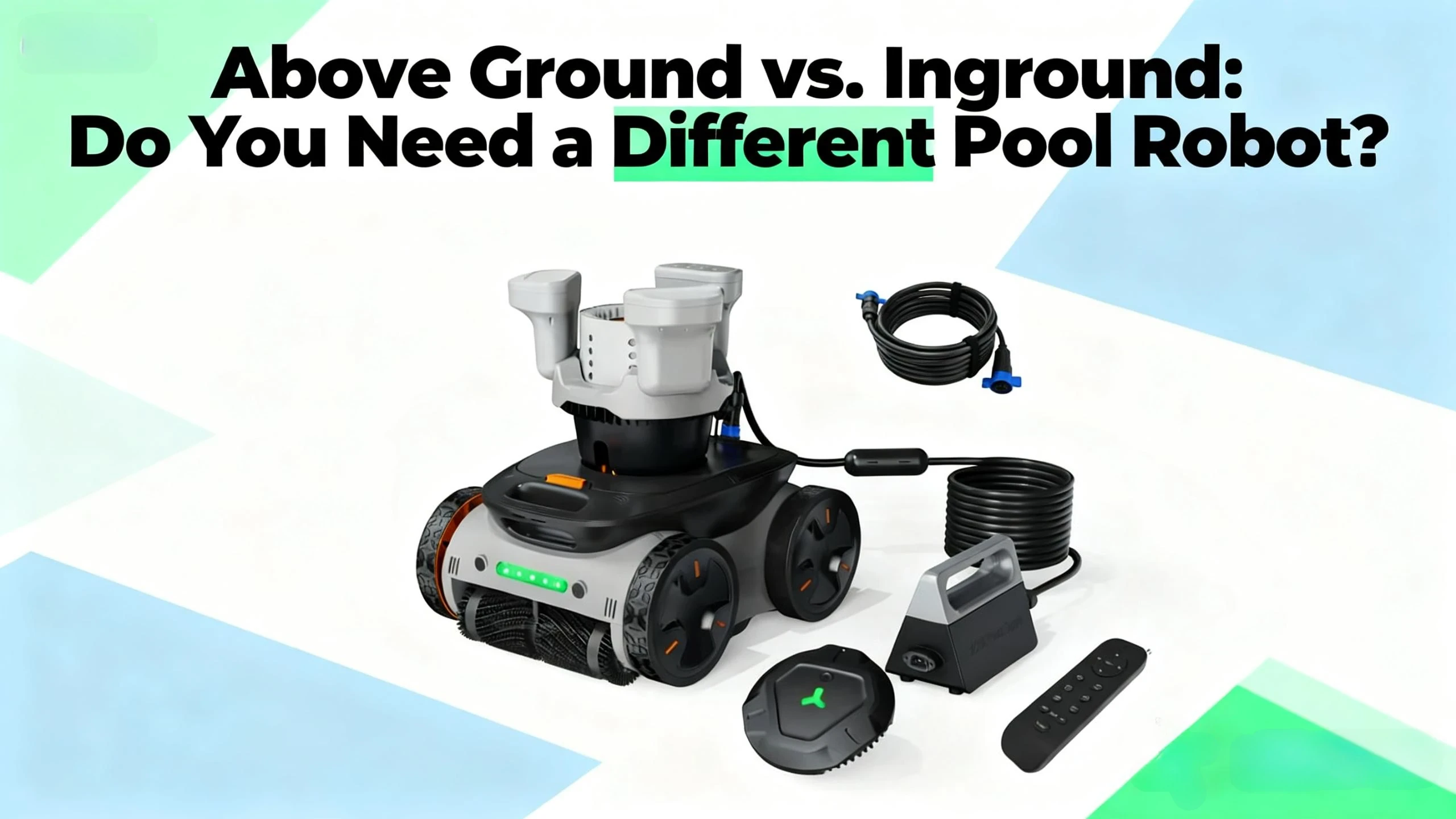
What's the Difference Between Above Ground Pool Robots and Inground Pool Cleaners?
When choosing between above ground pool robots and inground pool cleaners, understanding their fundamental differences can save you time and money.
1. Design and Mobility Differences
1.1 Physical Construction
Above ground pool robots feature compact, lightweight designs optimized for shallow water depths. These units typically weigh between 10-15 pounds and have streamlined bodies that navigate flat pool bottoms efficiently. Inground cleaners, conversely, are built with heavier, more robust construction to handle deeper water and varied pool contours.
Key design distinctions include cord length (above ground: 30-40 feet vs. inground: 50-100 feet), suction power (above ground: 20-30 GPM vs. inground: 40-60 GPM), and brush configurations tailored to different surface materials.
1.2 Navigation Capabilities
Above ground pool robots utilize simpler navigation systems with basic algorithms for rectangular or oval pool patterns. These units follow predetermined cleaning paths and rely on wall sensors to prevent climbing attempts. Inground cleaners employ advanced mapping technology with gyroscopic sensors and programmable cleaning patterns to cover complex pool shapes and multiple levels.
Above ground: Linear and spiral cleaning patterns
Inground: 3D mapping with wall and waterline cleaning
Above ground: Basic obstacle detection
Inground: Intelligent route optimization
2. Performance and Efficiency Factors
2.1 Cleaning Coverage and Time
Above ground pool robots typically complete cleaning cycles in 1-2 hours, covering approximately 90% of the pool surface area. Their simpler design limits them to floor cleaning only. Inground cleaners require 2-3 hours for comprehensive cleaning but deliver superior coverage, including walls, waterlines, and stairs with up to 98% surface coverage.
Energy consumption differs significantly: above ground units use 100-150 watts while inground models consume 200-400 watts. However, inground cleaners often complete the job more thoroughly in a single cycle, potentially offsetting the higher energy usage.
2.2 Maintenance Requirements
Above ground pool robots demand minimal maintenance with easily accessible filter cartridges and fewer moving parts. Filter cleaning typically occurs every 2-3 uses, and replacement parts are readily available at lower costs. Inground cleaners require more frequent maintenance due to their complex mechanisms, including regular brush replacement, track inspection, and more intensive filter cleaning after each use.
Pro Tip: Purily technicians recommend establishing a weekly maintenance schedule for inground cleaners to prevent performance degradation and extend unit lifespan by up to 40%.
3. Cost and Value Considerations
3.1 Initial Investment
Above ground pool robots represent a lower initial investment, typically ranging from $300-600. These units offer excellent value for smaller pools with basic cleaning needs. Inground pool cleaners command higher prices between $800-1,500, reflecting their advanced technology and comprehensive cleaning capabilities.
Long-term cost analysis reveals interesting patterns: above ground units may require replacement every 3-5 years due to simpler construction, while quality inground cleaners often last 5-8 years with proper maintenance, potentially offering better lifetime value despite higher upfront costs.
3.2 Operating Costs
Annual operating costs for above ground robots average $50-75, primarily for electricity and occasional filter replacements. Inground cleaners incur higher operating expenses of $100-150 annually, including more frequent filter replacements, specialized cleaning solutions, and potential professional servicing requirements.
Cost Factor | Above Ground | Inground |
|---|---|---|
Initial Price | $300-600 | $800-1,500 |
Annual Operating | $50-75 | $100-150 |
Expected Lifespan | 3-5 years | 5-8 years |
Selecting the appropriate pool cleaner depends on your specific needs, budget, and pool characteristics. Purily specialists can help evaluate your situation to recommend the optimal solution for your swimming pool maintenance requirements.
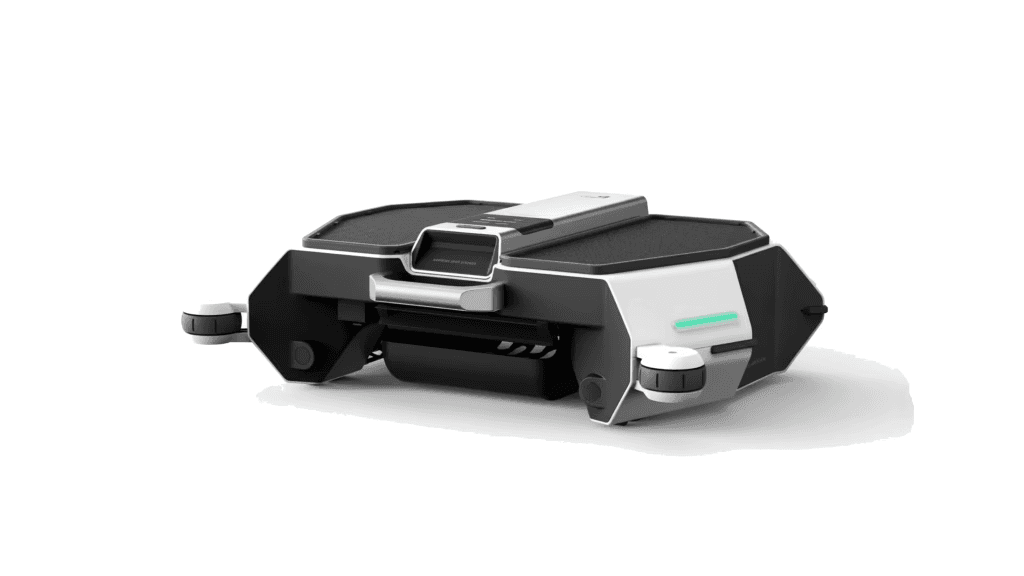
Above Ground Pool Robot: Features, Benefits, and Limitations
Maintaining an above ground pool requires specialized equipment designed for shallower depths and smaller surface areas. Above ground pool robots offer automated cleaning solutions that differ significantly from their inground counterparts. Understanding these differences helps pool owners make informed decisions about their cleaning investment.
1. Key Features of Above Ground Pool Robots
1.1 Design and Mobility Characteristics
Above ground pool robots feature lightweight construction with specialized treads designed for smooth pool liners. Most models operate effectively in pools up to 30 feet in diameter with water depths typically not exceeding 4.5 feet. The compact design allows for easy storage and handling.
Advanced models incorporate intelligent navigation systems that map pool geometry and optimize cleaning patterns. These robots typically use dual-motor systems providing both propulsion and suction capabilities while maintaining energy efficiency.
1.2 Cleaning Capabilities and Technology
Fine mesh filtration capturing particles down to 2 microns
Wall-climbing functionality for partial vertical cleaning
Programmable cleaning cycles ranging from 1-3 hours
Self-contained filtration systems reducing strain on main pool filters
Most units include tangle-free cable designs and automatic shut-off features for convenience and safety. The filtration capacity typically ranges from 70-120 gallons per minute depending on the model specifications.
2. Advantages and Limitations
2.1 Benefits of Above Ground Pool Robots
Above ground pool robots provide significant time savings and consistent cleaning performance. Independent studies show these devices can reduce manual cleaning time by up to 90% while maintaining superior water quality standards.
The energy-efficient operation typically costs less than $0.15 per cleaning cycle, making them economical for regular use. Additionally, the reduced wear on primary filtration systems extends overall pool equipment lifespan.
2.2 Notable Limitations
Despite their advantages, above ground pool robots have specific limitations. They generally cannot handle extremely large debris like leaves without pre-skim, and their cleaning range is restricted by cord length and pool geometry.
Most models struggle with stairs or irregular pool shapes, requiring manual intervention for complete cleaning. The initial investment ranges from $300-$800, which may be prohibitive for some pool owners.
Pro Tip: Purily's technical team recommends measuring your pool's exact dimensions and surface area before purchasing to ensure optimal robot compatibility and performance.
3. Ideal Use Cases and Applications
3.1 Best Suited Pool Types
Above ground pool robots excel in round, oval, and rectangular pools with smooth, uniform surfaces. They perform optimally in pools with depths between 3-4 feet and diameters under 28 feet. The technology works particularly well for seasonal pools that require frequent cleaning during peak usage periods.
These robots are ideal for pool owners seeking minimal maintenance routines while maintaining professional-level water clarity. They're especially valuable for households with children or pets where consistent cleanliness is paramount.
3.2 Maintenance Requirements
Regular maintenance includes emptying the filter canister after each use and inspecting brushes for wear. Most manufacturers recommend replacing filter elements every 2-3 seasons depending on usage frequency and water conditions.
Annual deep cleaning of the robot itself prevents buildup that could affect performance. Proper storage during off-seasons in cool, dry conditions extends the unit's operational life significantly.
4. Cost-Benefit Analysis
4.1 Investment Considerations
The total cost of ownership includes the initial purchase price, replacement parts, and electricity consumption. Over a typical 5-year lifespan, the average above ground pool robot costs approximately $0.50 per day when factoring all expenses.
This compares favorably to professional cleaning services that can cost $80-$150 per month during swimming season. The break-even point typically occurs within the first 2-3 seasons of regular use.
4.2 Performance Metrics
Quality above ground pool robots achieve 95-98% debris removal rates on their first pass. Water clarity improvements are measurable within 24 hours of initial operation, with continued enhancement over subsequent cleaning cycles.
Energy consumption averages 150-200 watts per cleaning cycle, making them environmentally conscious choices for pool maintenance. The reduction in chemical usage due to improved circulation and filtration provides additional environmental benefits.
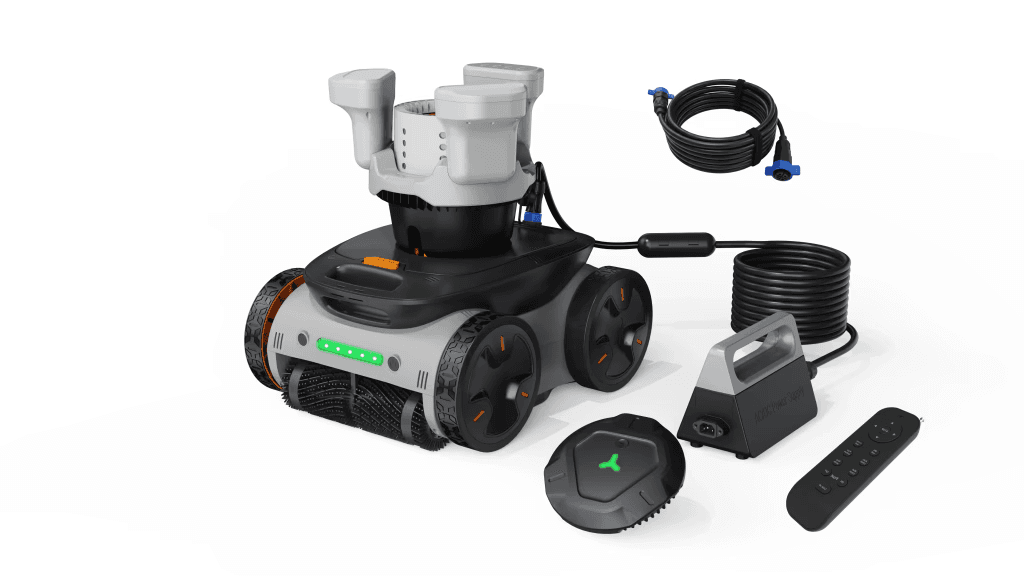
Inground Pool Cleaner: Types, Performance, and Installation Requirements
Choosing the right inground pool cleaner requires understanding the key differences between robotic, suction-side, and pressure-side systems.
1. Types of Inground Pool Cleaners
1.1 Robotic Pool Cleaners
Robotic cleaners operate independently from your pool's filtration system, using built-in motors and filters to clean surfaces. These units typically consume 180-250 watts of power and can clean a standard pool in 2-3 hours.
Most robotic models feature programmable cleaning cycles and smart navigation technology for efficient coverage.
1.2 Suction-Side Cleaners
Suction-side cleaners connect directly to your pool's skimmer or dedicated suction line, using the pump's power to move and vacuum debris. These cleaners excel at removing fine particles but may struggle with larger debris like leaves.
Installation requires minimal setup, making them popular for budget-conscious pool owners.
1.3 Pressure-Side Cleaners
Use water pressure from return jets to navigate
Feature built-in debris bags for easy emptying
Handle larger debris effectively
Require a booster pump for optimal performance
2. Performance Comparison
2.1 Cleaning Efficiency Metrics
Cleaning efficiency depends on several factors including pool size, debris type, and cleaner features. Robotic cleaners typically achieve 95-98% coverage on first pass, while suction-side models average 85-90%.
Pressure-side cleaners offer the best performance for pools surrounded by trees, capturing debris before it reaches the main filter.
2.2 Energy Consumption Analysis
Cleaner Type | Average Power Use | Annual Operating Cost |
|---|---|---|
Robotic | 180-250W | $50-75 |
Suction-Side | 1000-1500W | $200-300 |
Pressure-Side | 1500-2500W | $250-400 |
3. Installation Requirements
3.1 Robotic Cleaner Setup
Robotic cleaners require only a standard electrical outlet within 50 feet of the pool. Most units include a floating power supply that connects to the cleaner via a waterproof cable.
Initial setup involves programming cleaning cycles and ensuring proper cable management to prevent tangling.
3.2 Suction-Side Installation
Connect to existing skimmer or dedicated suction port
Ensure proper hose length for complete pool coverage
Check for adequate pump flow rate (minimum 30 GPM)
Install leaf canister if heavy debris is expected
Pro Tip: Purily recommends testing water flow before permanent installation to ensure optimal cleaner performance and prevent premature wear on pump components.
3.3 Pressure-Side System Requirements
Pressure-side cleaners require either a dedicated pressure line or booster pump installation. The system needs a minimum of 30 PSI for proper operation and includes a backup valve to prevent the cleaner from getting stuck in corners.
Professional installation is recommended for booster pump systems to ensure proper plumbing and electrical connections.
Above Ground vs. Inground: 5 Key Factors to Consider Before Buying

Choosing between an above ground pool robot and an inground pool cleaner requires careful evaluation of your pool's specific needs.
1. Pool Size and Shape Compatibility
1.1 Surface Area Coverage
Above ground pool robots typically handle pools up to 30 feet in diameter, while inground cleaners manage larger surfaces. The cleaning path efficiency differs significantly between models, with inground units covering more square footage per cycle.
Consider your pool's actual dimensions when comparing cleaning capacities. Above ground units work best for round or oval shapes, while inground cleaners adapt to rectangular and freeform designs.
1.2 Wall and Step Navigation
Above ground robots focus primarily on floor cleaning, rarely addressing wall surfaces. Inground pool cleaners feature advanced climbing capabilities and specialized brushes for wall scrubbing.
Step cleaning represents another crucial difference. Inground models include dedicated step-cleaning functions, while above ground units typically bypass this area entirely.
2. Filtration System Requirements
2.1 Debris Type and Size
Above ground pool robots excel at capturing fine particles and small debris like sand and silt. Their filtration systems typically handle particles down to 2 microns in size.
Inground pool cleaners accommodate larger debris including leaves and twigs, with some models featuring dual filtration for both fine and coarse materials.
2.2 Maintenance Frequency
Filter cleaning intervals
Cartridge replacement schedules
Backwash requirements
Debris bag capacity
3. Power and Energy Consumption
3.1 Operating Voltage
Above ground pool robots typically operate on standard 110V outlets, consuming 150-200 watts during operation. Inground cleaners may require dedicated 220V circuits for optimal performance.
Energy efficiency varies significantly between models. Modern robotic cleaners feature programmable schedules to minimize electricity usage during off-peak hours.
3.2 Runtime and Coverage
Standard cleaning cycles range from 1.5 to 3 hours depending on pool size. Above ground units complete cycles faster due to smaller coverage areas.
Consider the total energy cost over a swimming season when comparing operating expenses between different cleaner types.
4. Installation and Setup Complexity
4.1 Initial Setup Requirements
Above ground pool robots arrive pre-assembled and require minimal setup. Simply plug in, submerge, and program basic cleaning schedules.
Inground pool cleaners often need professional installation, including plumbing connections and electrical wiring for advanced models.
4.2 Storage and Winterization
Storage space requirements
Winterization procedures
Transportability between locations
Protective cover needs
5. Long-term Cost Analysis
5.1 Initial Investment Range
Above ground pool robots typically cost between $300-$800, while inground cleaners range from $800-$2,500 depending on features and capabilities.
Consider the total cost of ownership including replacement parts, filters, and potential professional servicing over the product lifespan.
5.2 Warranty and Support Coverage
Standard warranties for above ground robots cover 1-2 years, while inground cleaners often include 2-3 year protection plans. Extended warranty options vary by manufacturer.
Pro Tip: Purily's technical team suggests calculating your annual operating costs by multiplying the cleaner's wattage by your electricity rate and estimated monthly usage hours.
Making the right choice between above ground and inground pool cleaners ultimately depends on matching the cleaner's capabilities to your specific pool requirements and maintenance preferences.
How Much Do Above Ground Pool Robots and Inground Cleaners Really Cost?
Understanding the cost differences between above ground pool robots and inground cleaners requires analyzing both initial purchase prices and long-term operational expenses. While above ground pool robots typically cost less upfront, inground cleaners often provide better value for larger pools due to their advanced features and durability. Purily pool maintenance experts recommend considering your pool size, cleaning needs, and budget when making this investment decision.
1. Initial Purchase Price Comparison
1.1 Above Ground Pool Robot Costs
Above ground pool robots generally range from $300 to $800, with basic models starting around $200 and premium versions reaching up to $1,200. These units are specifically designed for smaller pools and typically feature simpler navigation systems and shorter cleaning cycles. Most above ground robots clean pools up to 30 feet in length.
Mid-range models ($400-$600) offer enhanced features like waterline scrubbing and programmable cleaning schedules. Premium above ground robots ($800+) include advanced mapping technology and remote control capabilities.
1.2 Inground Pool Cleaner Costs
Inground pool cleaners cost significantly more, ranging from $500 to $2,500 depending on the type. Pressure-side cleaners start at $500-$800, while suction-side models typically cost $300-$700. Robotic inground cleaners, the most advanced option, range from $800 to $2,500.
High-end robotic inground cleaners ($1,500+) feature smart navigation, multiple cleaning modes, and Wi-Fi connectivity. These units can handle pools up to 50 feet or larger with complex shapes and features.
2. Long-Term Operational Costs
2.1 Energy Consumption Analysis
Above ground pool robots typically consume 100-200 watts per hour, costing approximately $0.10-$0.20 per cleaning cycle. Over a 5-month swimming season with weekly cleaning, this amounts to $20-$40 in annual electricity costs. These units are generally more energy-efficient due to their smaller size and simpler motors.
Inground robotic cleaners use 150-300 watts per hour, costing $0.15-$0.30 per cycle. Annual electricity costs range from $30-$60 for regular use. However, their advanced navigation systems often reduce overall cleaning time, partially offsetting higher energy consumption.
2.2 Maintenance and Replacement Parts
Annual maintenance costs for above ground pool robots average $50-$100, primarily for filter replacements and brushes. Most models require filter cartridge replacement every 2-3 months at $15-$25 each. Brushes typically last 1-2 seasons before needing replacement at $30-$50.
Inground cleaner maintenance costs range from $100-$200 annually. Filter cartridges cost $25-$40 each and require replacement every 1-2 months. Additional parts like drive belts, tracks, and impellers may need replacement every 2-3 years at $50-$150 total.
4. ROI and Value Analysis
4.1 Time Savings Value
Manual pool cleaning typically requires 2-3 hours per week, valued at $15-$25 per hour for professional services. Over a 5-month season, this equals $600-$1,000 in potential savings. Both above ground and inground robots eliminate this time investment, with inground models often cleaning more thoroughly in less time.
Above ground robots save approximately 75-90 hours per season, while inground cleaners save 60-75 hours. The time savings value alone can justify the initial investment within 2-3 seasons for most pool owners.
4.2 Longevity and Durability Factors
Above ground pool robots typically last 3-5 years with proper maintenance, while inground models often operate effectively for 5-8 years. Premium inground cleaners with replaceable components can extend their lifespan to 10+ years. This longevity difference significantly impacts the long-term value proposition.
Pro Tip: Purily recommends investing in a higher-quality inground cleaner if your pool exceeds 25,000 gallons, as the durability and cleaning efficiency will provide better long-term value despite the higher initial cost.
5. Price Comparison Table
Category | Above Ground Robot | Inground Cleaner |
|---|---|---|
Initial Cost | $300-$1,200 | $500-$2,500 |
Annual Energy | $20-$40 | $30-$60 |
Annual Maintenance | $50-$100 | $100-$200 |
Lifespan | 3-5 years | 5-8 years |
5-Year Total | $750-$1,500 | $1,250-$2,750 |
Which Pool Cleaning Solution is Best for Your Pool Type and Budget?
Choosing the right pool cleaning solution depends on your pool's specific characteristics and maintenance goals. With options ranging from manual tools to robotic cleaners, understanding the key differences can save you time and money while ensuring optimal water quality.
1. Understanding Your Pool's Cleaning Needs
1.1 Pool Type Considerations
Above ground pools typically require less powerful cleaning systems due to their smaller size and shallower depth. Inground pools, especially those with complex shapes or deep ends, benefit from more robust cleaning solutions that can navigate stairs and walls effectively.
Pool surface material also impacts cleaner selection - vinyl liners need gentler brushes, while concrete surfaces can handle more aggressive scrubbing action.
1.2 Budget and Maintenance Requirements
Manual cleaning tools offer the most affordable entry point but require significant time investment. Automatic suction cleaners provide a middle-ground solution, while robotic cleaners represent the highest upfront cost but lowest long-term maintenance effort.
Consider your willingness to perform regular maintenance tasks like filter cleaning and cord management when selecting your cleaning solution.
2. Matching Cleaners to Pool Characteristics
2.1 Size and Shape Compatibility
Small, simple above ground pools work well with basic suction cleaners or even manual vacuums. Larger inground pools with irregular shapes require robotic cleaners with advanced navigation systems to ensure complete coverage.
Measure your pool's dimensions and note any obstacles like ladders or built-in features that might affect cleaner performance.
2.2 Debris Type and Volume
Pools surrounded by trees need cleaners with larger debris chambers and stronger suction to handle leaves and twigs. Fine particle filtration is essential for pools in dusty areas or those prone to algae growth.
Large debris (leaves, twigs) - requires wide intake ports
Fine particles (sand, silt) - needs fine mesh filtration
Algae and biofilm - requires scrubbing brushes
Combination debris - needs versatile cleaning systems
3. Quick Decision Guide for Pool Owners
3.1 Simple Flowchart for Selection
Start by identifying your pool type, then consider your budget and maintenance preferences. Above ground pool owners with limited budgets often find suction cleaners most suitable, while inground pool owners seeking convenience typically benefit from robotic solutions.
Factor in long-term operating costs including electricity usage and replacement parts when making your final decision.
3.2 Case Study: Real-World Application
The Johnson family's 24-foot round above ground pool required a cost-effective solution for weekly maintenance. They selected a suction-side cleaner that connected to their existing filtration system, reducing their cleaning time from 2 hours to 20 minutes per session.
For their neighbor's 20x40 inground pool with complex landscaping, a robotic cleaner with programmable cleaning cycles proved ideal for managing heavy leaf debris during fall months.
Pro Tip: Purily's pool maintenance experts recommend testing your water chemistry before selecting a cleaner, as balanced water reduces cleaning frequency and extends equipment life.
4. Budget-Friendly Options Without Compromise
Several affordable solutions deliver excellent cleaning performance without breaking the bank. Manual vacuum systems with telescopic poles start under $100 and provide complete control over cleaning intensity and focus areas.
Mid-range automatic cleaners priced between $300-$500 often include features like wall climbing and programmable cleaning cycles previously found only in premium models.
FAQS
Q1: Which type of pool cleaner offers better value for money?
The better value depends on your pool size and cleaning needs. Above ground pool robots provide excellent value for pools under 30 feet, while inground cleaners offer superior long-term value for larger, more complex pools despite higher initial costs.
Q2: How much can I save by using a pool robot instead of professional cleaning services?
Professional pool cleaning services typically cost $80-$150 per month during swimming season. Using a pool robot can save $400-$900 per season, allowing the investment to pay for itself within 1-3 seasons depending on the model chosen.
Q3: What factors affect the total cost of ownership the most?
The initial purchase price represents the largest upfront cost, but energy consumption and maintenance expenses significantly impact long-term costs. Choosing energy-efficient models and maintaining them properly can reduce the total cost of ownership by 20-30% over the product's lifespan.
Q4: Are there financing options available for pool cleaning robots?
Many pool supply retailers offer financing plans for pool cleaning equipment, typically ranging from 6-24 months with interest rates of 0-15%. Some manufacturers also provide promotional financing during peak swimming seasons to make higher-end models more accessible.
Q5: How often should I replace my pool cleaning robot?
Most pool cleaning robots should be replaced every 3-8 years depending on usage and maintenance. Signs that replacement is needed include reduced cleaning performance, frequent breakdowns, and unavailable replacement parts. Regular maintenance can extend the lifespan toward the upper end of these ranges.