Can Robotic Pool Cleaners Climb Walls and Clean Waterlines? A Complete Guide
Introduction
When choosing a robotic pool cleaner, many pool owners focus mainly on how well it removes debris from the pool floor. However, dirt and buildup do not only appear at the bottom of a swimming pool. Pool walls and waterline areas can also collect dust, oils, algae, and other contaminants over time.
This raises an important question: can robotic pool cleaners climb walls and clean waterlines?
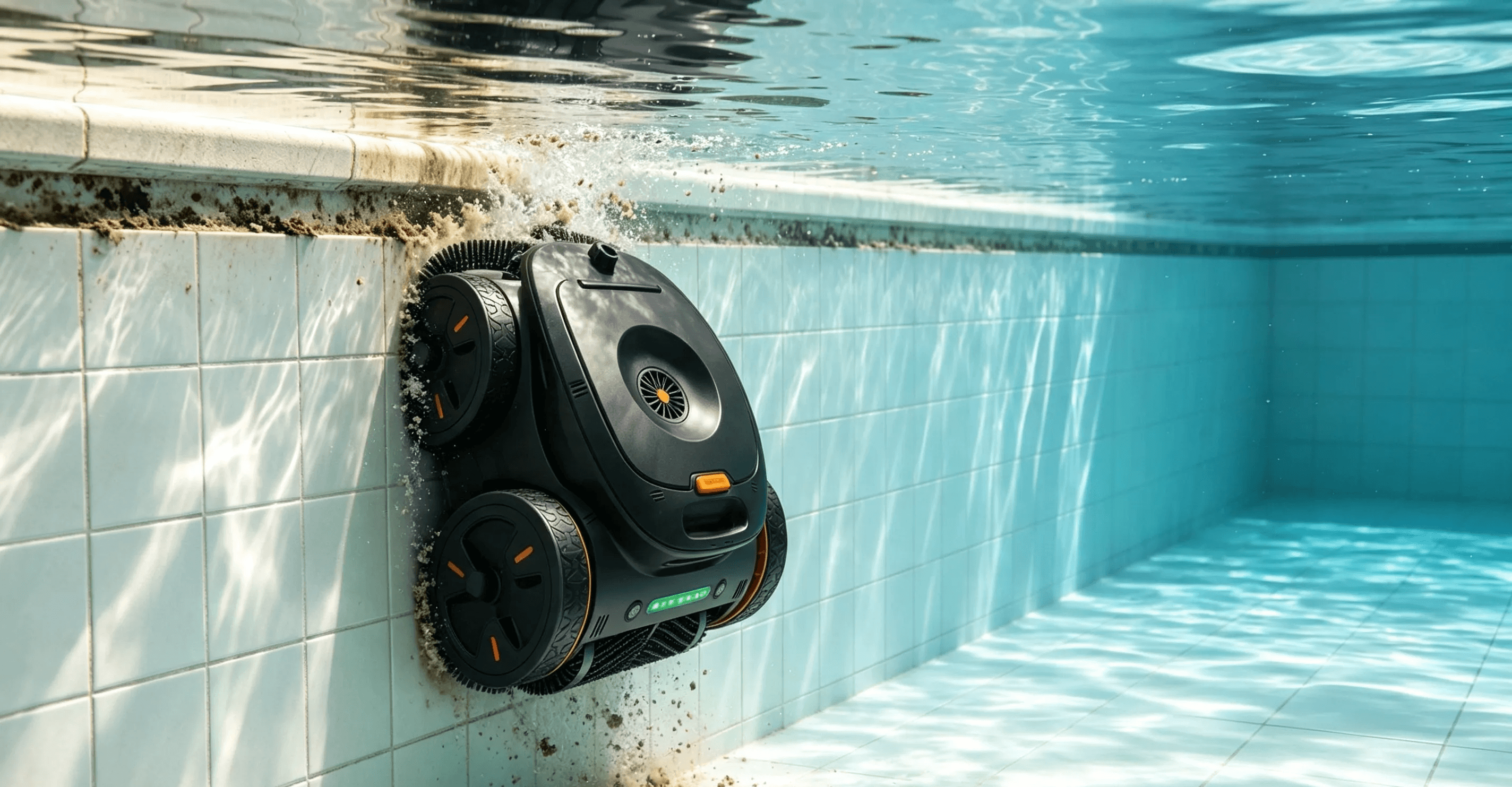
The answer depends on the design and technology of the cleaner. Some robotic pool cleaners are designed only for floor cleaning, while more advanced models use specialized drive systems, brushes, and navigation technology to move across vertical surfaces and reach the waterline.
Understanding how wall climbing and waterline cleaning work can help pool owners choose a cleaner that better matches their pool maintenance needs.
Why Wall and Waterline Cleaning Matters
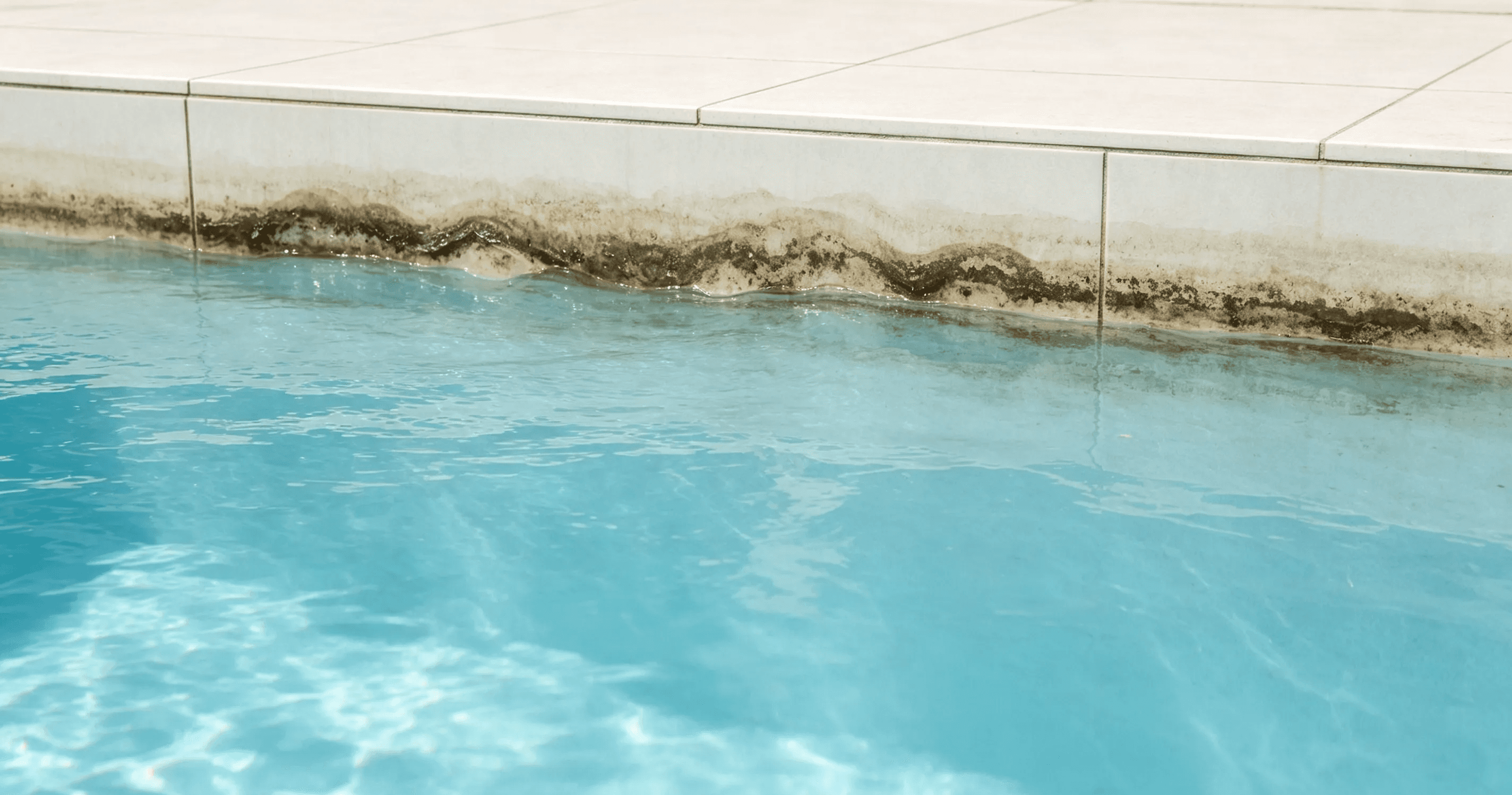
A swimming pool is exposed to many types of debris every day. While larger particles often settle on the pool floor, smaller contaminants can attach to walls and accumulate near the water surface.
The waterline is especially prone to buildup because it is the area where water, air, and pool chemicals interact. Over time, this can create visible marks that affect the appearance of the pool and require additional manual cleaning.
A robotic pool cleaner that can handle more than just floor cleaning provides broader coverage and helps reduce the amount of manual effort needed to maintain the pool.
Common Problems Around Pool Walls and Waterlines
Pool walls and waterlines create different cleaning challenges compared with flat pool floors.
The pool floor allows a cleaner to move with stable contact, while vertical surfaces require stronger grip and controlled movement. A cleaner must overcome gravity, maintain contact with the wall, and continue moving while collecting debris.
Waterline cleaning can be even more challenging because the cleaner needs to operate around the transition area between underwater and above-water surfaces. This requires reliable movement control and suitable brush contact.
How Robotic Pool Cleaners Climb Walls
Wall climbing ability is not achieved by a single component. It depends on the combination of the cleaner’s drive system, traction design, motor power, and overall structure.
When a robotic pool cleaner moves from the floor to the wall, the system needs to maintain enough contact with the pool surface to prevent slipping while continuing normal cleaning operation.
The Role of Drive Systems
The drive system plays an important role in helping a robotic pool cleaner move across different surfaces.
Robotic cleaners may use different movement designs, such as wheels or tracks, to improve stability and traction. A suitable drive system helps the cleaner maintain contact with the pool surface while navigating corners, slopes, and vertical areas.
For wall cleaning, stable movement is especially important because the cleaner needs consistent contact with the surface to climb effectively.
The Importance of Brushes and Surface Contact
Drive systems help the cleaner move, but brushes also contribute to effective wall and waterline cleaning.
A cleaning brush helps remove attached dirt and improves contact between the cleaner and the pool surface. When combined with proper movement control, brushes allow the robotic cleaner to handle different types of buildup more effectively.
However, cleaning performance can vary depending on pool material, surface condition, and the design of the robotic cleaner.
Factors That Affect Wall Climbing Performance
Not every robotic pool cleaner performs the same when it comes to wall climbing. Several factors influence whether a cleaner can successfully move across vertical surfaces and clean the waterline area.
Pool design, surface material, cleaner structure, and cleaning technology all play a role in determining performance.
How Robotic Pool Cleaners Reach the Waterline
While climbing pool walls is already a challenge, reaching the waterline requires even more precise movement control. The waterline is located near the surface of the pool, where water and air meet. This area often collects oils, dust, and other residues that are difficult to remove through regular cleaning.
A robotic pool cleaner that supports waterline cleaning needs to maintain stable contact with the pool surface while moving through this transition area. The cleaner must balance movement, traction, and brush contact to effectively remove buildup near the water surface.
Because of these challenges, not all robotic pool cleaners are designed to clean the waterline. Models with this capability usually require more advanced movement systems and a structure that allows the cleaner to maintain performance across different areas of the pool.
Why Waterline Cleaning Requires Special Design
The waterline presents different cleaning conditions compared with the pool floor or lower wall areas. On the pool floor, the cleaner can move with stable support from the surface. However, when reaching the waterline, the cleaner needs to handle changes in contact and movement conditions.
A suitable wall-climbing system helps the robot maintain its position while moving vertically. At the same time, the cleaning brushes need to remain in contact with the surface to remove attached dirt and residue.
Without enough traction and movement stability, a robotic cleaner may struggle to stay in the waterline area for effective cleaning. This is why waterline cleaning capability is usually associated with more advanced robotic pool cleaner designs.
Why Some Pool Robots Cannot Clean Walls
Not every robotic pool cleaner is built for wall climbing. Some models are mainly designed for cleaning flat pool floors, while others include additional technologies that allow movement across vertical surfaces.
The ability to climb walls depends on several factors, including the drive system, motor performance, traction design, and overall structure of the cleaner. A robot that performs well on the pool floor does not necessarily have the ability to move upward and maintain contact with the wall.
For pool owners who want more complete cleaning coverage, it is important to understand whether a robotic cleaner is designed only for floor cleaning or whether it can also handle walls and waterline areas.
Pool Surface Can Affect Wall Cleaning Performance
The type of pool surface can influence how effectively a robotic cleaner moves and cleans vertical areas. Different materials create different levels of friction and require different movement conditions.
For example, a smooth pool surface may provide less natural grip, while textured surfaces may create more resistance during movement. The cleaner needs to maintain enough contact with the surface while continuing to move efficiently.
This means that wall-cleaning performance is not determined only by the robot itself. The pool design, surface material, and cleaning technology all influence the final result.
Choosing a Robotic Pool Cleaner Based on Pool Coverage Needs
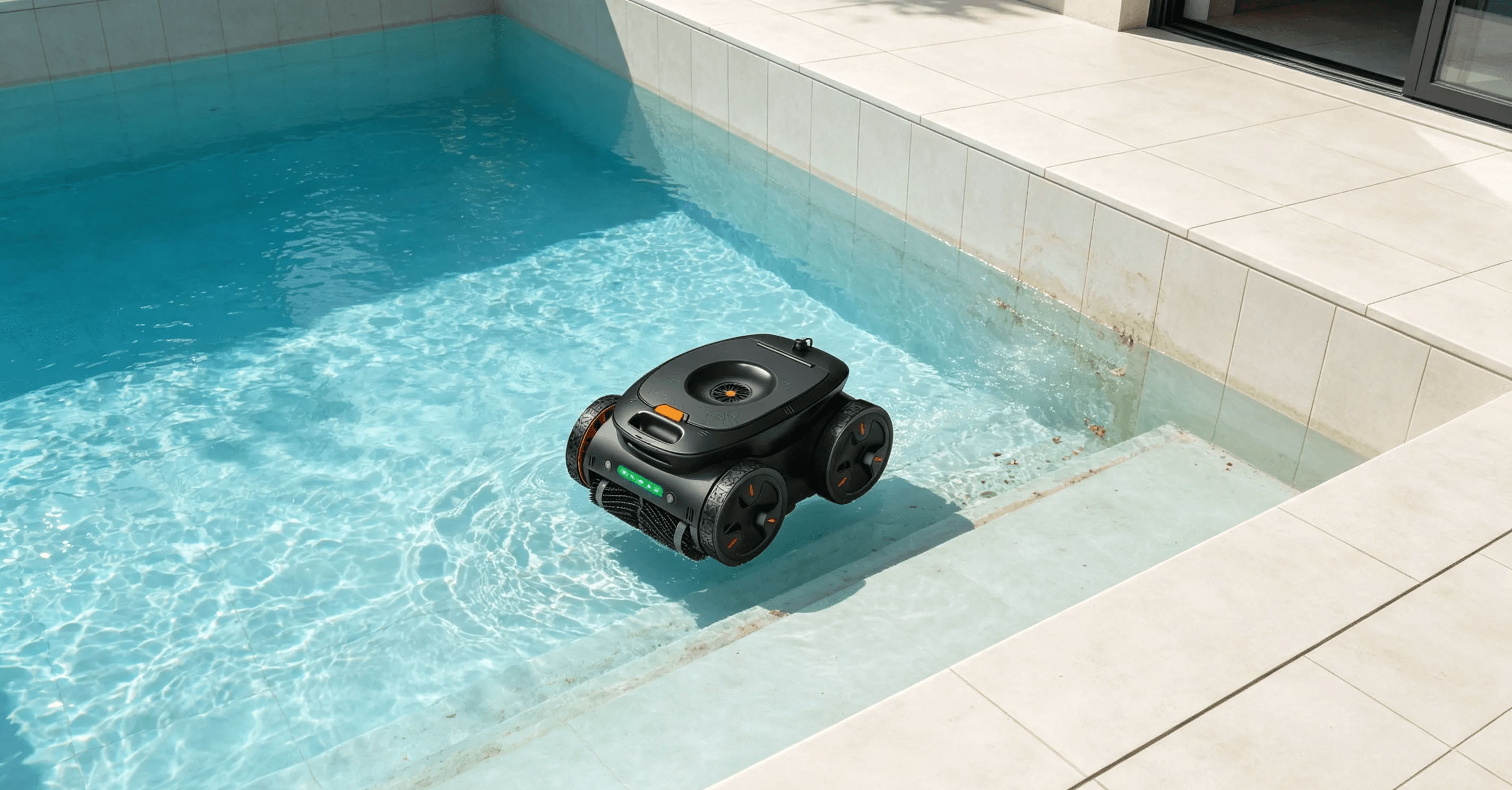
When choosing a robotic pool cleaner, users should consider how much coverage they expect from the device. Some pool owners may only need regular floor cleaning, while others may prefer a solution that can handle more areas of the pool.
A robotic cleaner with floor, wall, and waterline cleaning capabilities can provide broader maintenance support by addressing areas where dirt and residue commonly accumulate. This can help reduce the need for frequent manual cleaning and make regular pool care easier to manage.
However, the right choice depends on the pool environment, cleaning expectations, and how much automation the user wants from their maintenance routine.
How Purily Supports Floor, Wall, and Waterline Cleaning
Modern robotic pool cleaners continue to improve by combining stronger movement systems with smarter navigation technologies.
The Purily robotic pool cleaner is designed to support comprehensive pool coverage, including floor, wall, and waterline cleaning. With four-wheel drive movement, intelligent path planning, and multiple sensors, the cleaner is built to maintain stable movement across different areas of a swimming pool.
Its wall-climbing capability and waterline cleaning function help address areas where dirt and residue often accumulate, providing a more complete automated cleaning experience for residential pool owners.
FAQ
1. Can all robotic pool cleaners climb pool walls?
No. Wall climbing depends on the design and technology of the robotic cleaner. Some models are designed mainly for floor cleaning, while others include movement systems that support wall and waterline cleaning.
2. Why does waterline cleaning require different technology?
The waterline is located near the transition between underwater and above-water areas. A cleaner needs stable movement and continuous surface contact to effectively clean this area.
3. Can a robotic pool cleaner work on every pool surface?
Not necessarily. Pool materials and surface conditions can affect movement and cleaning performance. Users should choose a cleaner that matches their pool type and requirements.
4. Does wall climbing mean a robot can clean the entire pool?
Wall climbing improves cleaning coverage, but performance can still depend on the cleaner’s design, navigation system, and ability to handle specific pool structures.
5. Is a floor-only pool cleaner enough for residential pools?
It depends on the user’s maintenance needs. For pools where wall or waterline buildup is common, a cleaner with broader coverage may provide a more convenient solution.
Conclusion
Robotic pool cleaners have developed from simple floor-cleaning devices into more advanced systems capable of handling multiple areas of a swimming pool. Wall climbing and waterline cleaning features allow these cleaners to reach areas where dirt and residue often accumulate.
However, different robotic cleaners provide different levels of coverage. Understanding how wall movement, waterline cleaning, and surface conditions affect performance can help pool owners make a more suitable choice.
For users looking for broader cleaning coverage, Purily robotic pool cleaners combine floor, wall, and waterline cleaning with intelligent navigation and stable movement technology. By supporting more complete pool maintenance, these cleaners help reduce manual effort and create a more convenient cleaning routine.