How Often Should You Run Your Robotic Pool Cleaner?
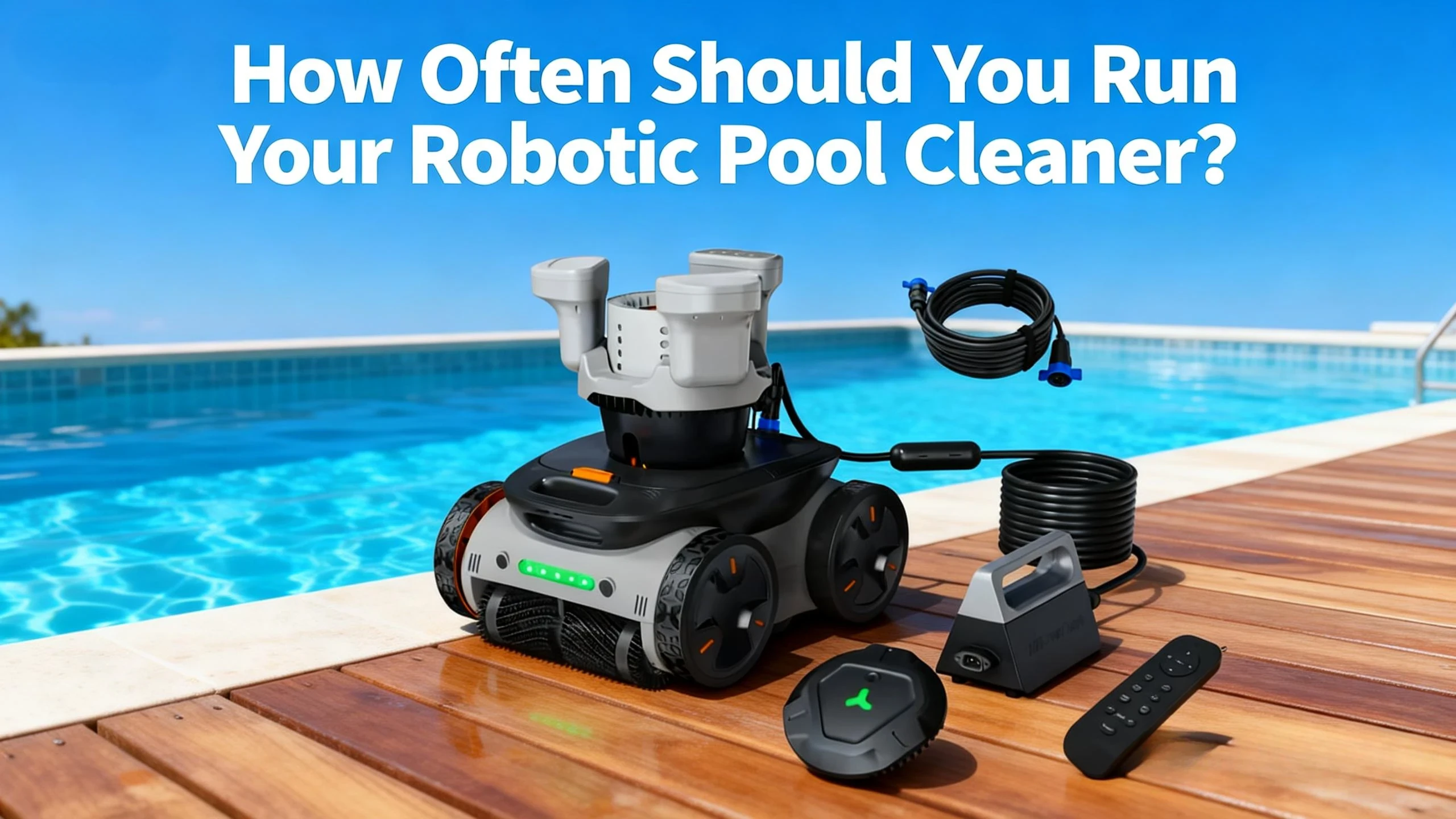
Understanding Pool Robot Usage Frequency: What Factors Matter
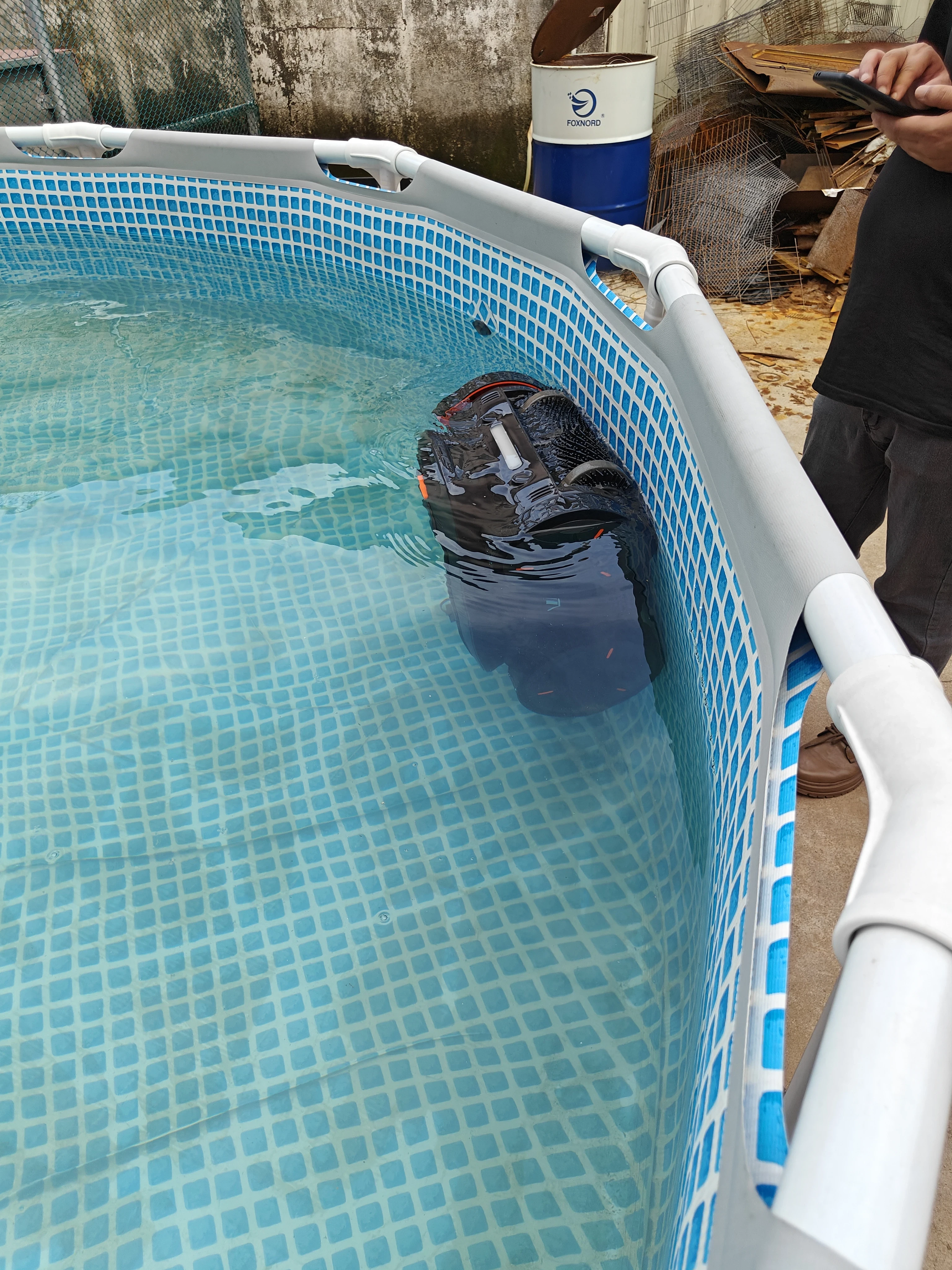
Determining how often to run your pool robot depends on several key variables that affect cleaning efficiency and pool maintenance. Pool professionals recommend analyzing these factors to create an optimal cleaning schedule that balances water quality with equipment longevity. Understanding these elements helps pool owners make informed decisions about their robotic cleaner usage.
1. Pool Usage and Bather Load
1.1 Daily Swimming Activity
Heavy pool usage introduces more contaminants including oils, sunscreen, and organic matter. Pools with frequent swimmers typically require more frequent cleaning cycles to maintain water clarity and hygiene. Consider running your robot more often during peak swimming seasons or after pool parties.
Daily swimmers: 3-4 times per week
Weekend-only use: 1-2 times per week
Occasional use: Once weekly
1.2 Environmental Contaminants
External factors like wind, nearby vegetation, and local wildlife significantly impact pool cleanliness. Pools surrounded by trees may collect more leaves and debris, requiring additional cleaning cycles. Weather patterns also play a role in determining optimal cleaning frequency.
Strong winds can deposit dust and pollen, while heavy rain may introduce algae spores and other contaminants into your pool water.
2. Pool Environment and Location
2.1 Surrounding Landscape
The proximity of trees, bushes, and other vegetation directly affects how much debris enters your pool. Deciduous trees shed leaves seasonally, while evergreen needles can accumulate year-round. Consider these natural factors when establishing your cleaning routine.
Landscaping choices around your pool area can either minimize or maximize debris accumulation, affecting how often your robot needs to run.
2.2 Climate and Weather Conditions
Regional climate significantly influences pool maintenance requirements. Hot, sunny climates may promote algae growth, while rainy seasons can introduce additional contaminants. Seasonal adjustments to your cleaning schedule often prove necessary.
Humid environments typically require more frequent cleaning to prevent algae buildup and maintain proper water chemistry.
3. Pool Robot Capabilities and Settings
3.1 Robot Features and Technology
Modern pool robots offer various cleaning modes and programmable schedules. Advanced models with smart technology can adapt cleaning patterns based on pool conditions. Understanding your robot's capabilities helps optimize its usage frequency.
High-end models may include sensors that detect debris levels and adjust cleaning intensity accordingly, potentially reducing the need for frequent manual scheduling.
3.2 Maintenance and Performance
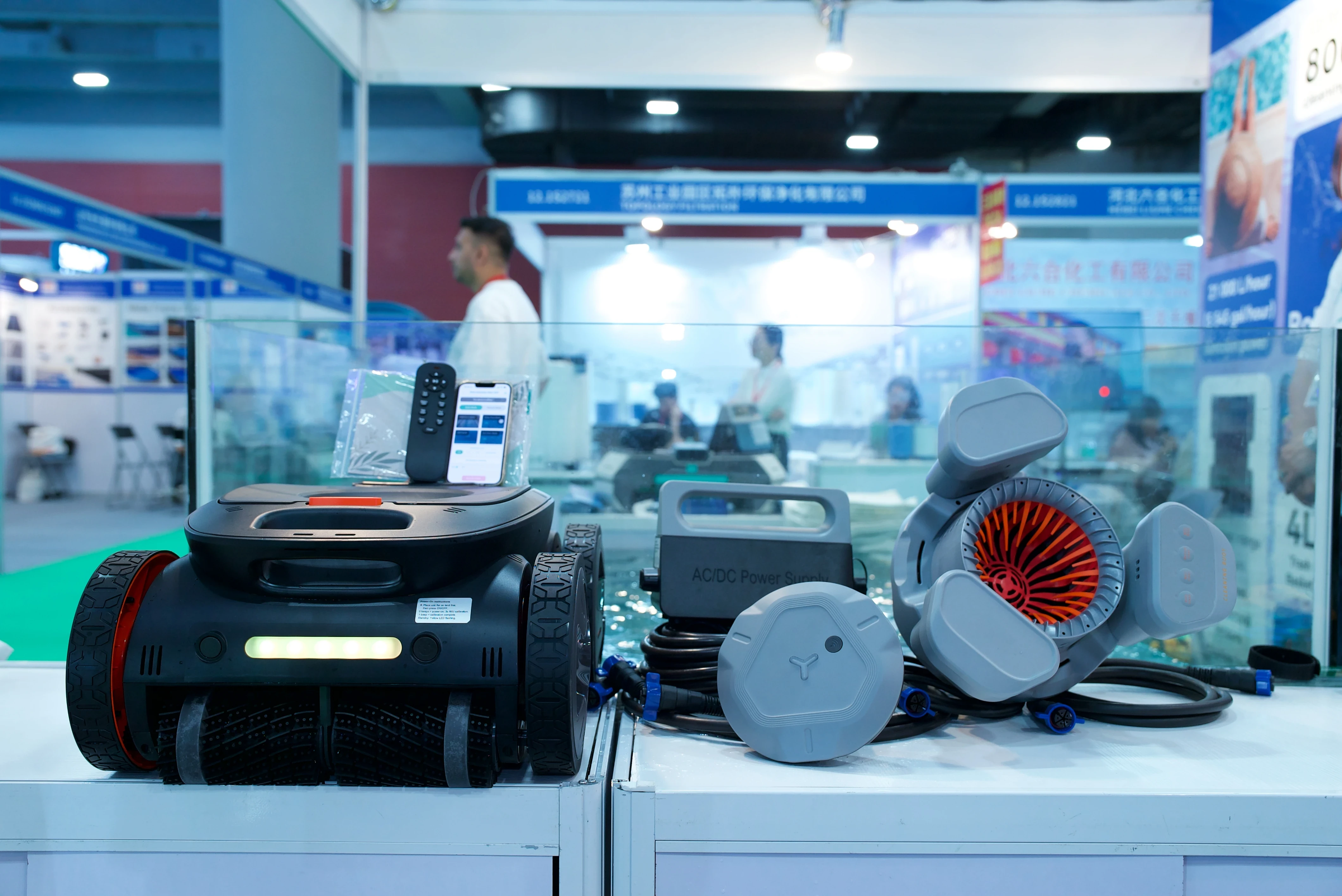
Regular maintenance of your pool robot ensures optimal performance and extends its lifespan. Clean filters, brushes, and tracks contribute to more efficient cleaning cycles. Well-maintained robots often require fewer cleaning sessions to achieve the same results.
Pro Tip: Purily recommends checking your pool robot's filter after each cleaning cycle and performing weekly maintenance checks to ensure peak performance and efficiency.
4. Water Chemistry and Filtration System
4.1 Chemical Balance Impact
Proper water chemistry reduces the workload on your pool robot. Balanced pH, chlorine levels, and alkalinity help prevent algae growth and reduce debris accumulation. Consistent chemical maintenance can decrease the frequency of robotic cleaning needed.
Regular water testing and chemical adjustments create an environment where your pool robot can work more efficiently with less frequent operation.
4.2 Primary Filtration System Integration
Your pool's main filtration system works in conjunction with the robotic cleaner. Well-functioning primary filters reduce the debris load on your robot, potentially allowing for less frequent cleaning cycles. Consider the relationship between these systems when determining usage frequency.
Backwashing your main filter regularly ensures optimal performance and reduces strain on your robotic cleaner.
Comparison Table: Recommended Cleaning Frequencies
Pool Type | Usage Level | Recommended Frequency |
|---|---|---|
Residential | Heavy | 4-5 times per week |
Residential | Moderate | 2-3 times per week |
Residential | Light | 1-2 times per week |
Commercial | Public Pool | Daily |
Expert Tips for Optimal Pool Robot Usage
Monitor water clarity and adjust cleaning frequency accordingly
Run your robot during off-peak hours to save energy costs