How to Maintain a Robotic Pool Cleaner for Longer Lifespan
Introduction
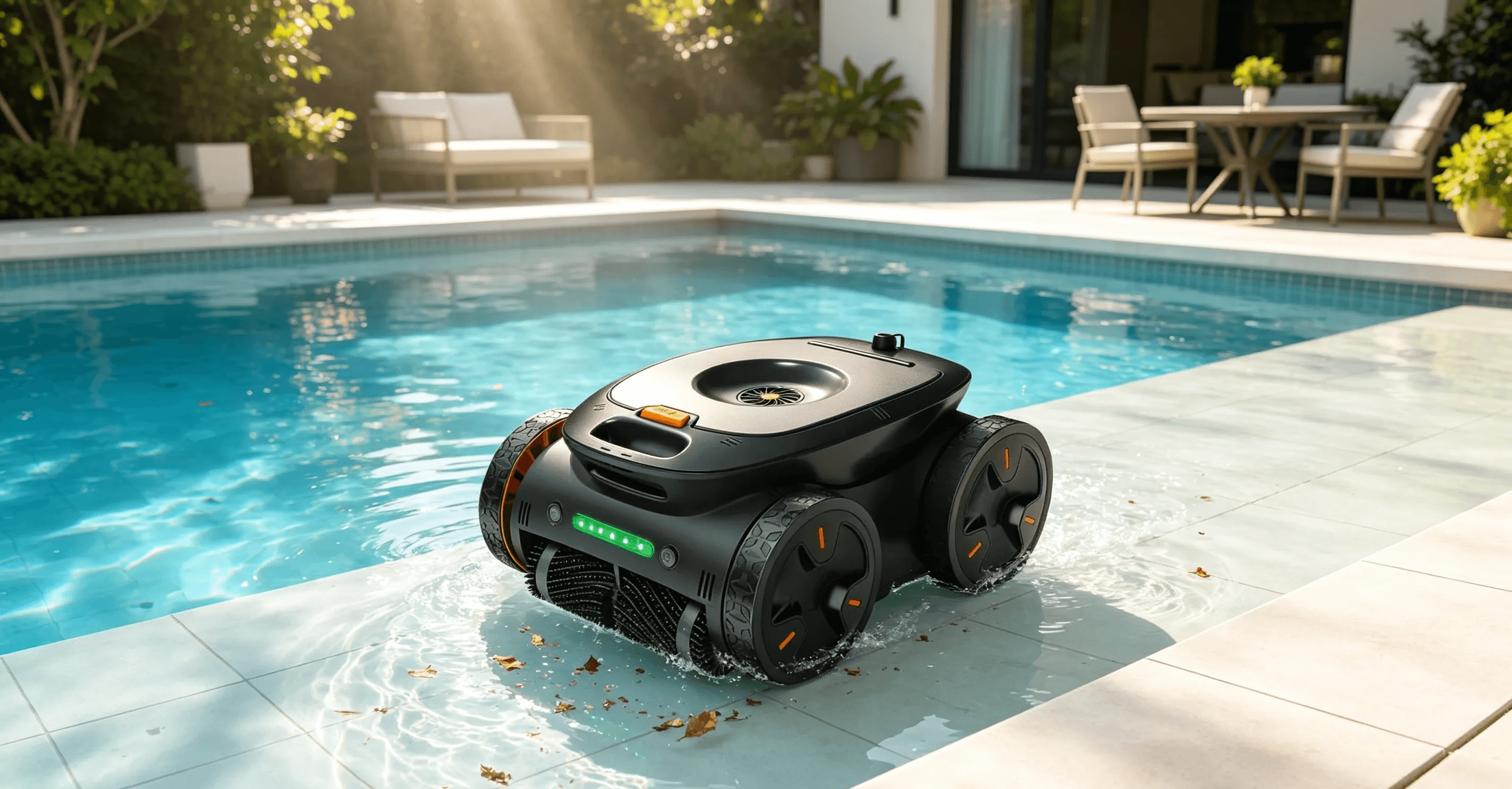
A robotic pool cleaner is designed to reduce the time and effort required for regular pool maintenance. By automatically handling cleaning tasks such as debris removal and surface cleaning, these devices provide a more convenient way for pool owners to keep their swimming environment in better condition.
However, like any pool equipment, a robotic pool cleaner requires proper care to maintain reliable performance over time. Regular maintenance does not only help protect the cleaner’s components but also ensures that it can continue operating efficiently during daily cleaning routines.
Many performance issues can be avoided through simple maintenance habits, such as cleaning the filter, checking important components, and storing the unit properly after use. By following the right maintenance practices, users can extend the lifespan of their robotic pool cleaner and get more value from their investment.
Why Regular Maintenance Matters for Robotic Pool Cleaners
Although robotic pool cleaners are designed for automated operation, they still work in a challenging environment. During cleaning cycles, the device is exposed to water, debris, dirt, and continuous movement across pool surfaces.
Over time, these conditions can affect different parts of the cleaner if proper maintenance is ignored. A clogged filter may reduce cleaning performance, while accumulated debris around moving components may affect operation efficiency.
Regular maintenance helps identify small issues before they become larger problems. Instead of waiting until the cleaner shows signs of reduced performance, users can maintain better operating conditions through simple routine care.
Maintaining Consistent Cleaning Performance
A well-maintained robotic pool cleaner can perform cleaning tasks more effectively. When filters, brushes, and other components are kept in good condition, the cleaner can continue collecting debris and supporting regular pool maintenance.
On the other hand, poor maintenance may reduce cleaning efficiency over time. For example, a dirty filter can limit debris collection, while worn components may affect movement across the pool.
By keeping the cleaner properly maintained, users can help ensure more consistent cleaning results throughout its service life.
Cleaning the Filter and Removing Debris
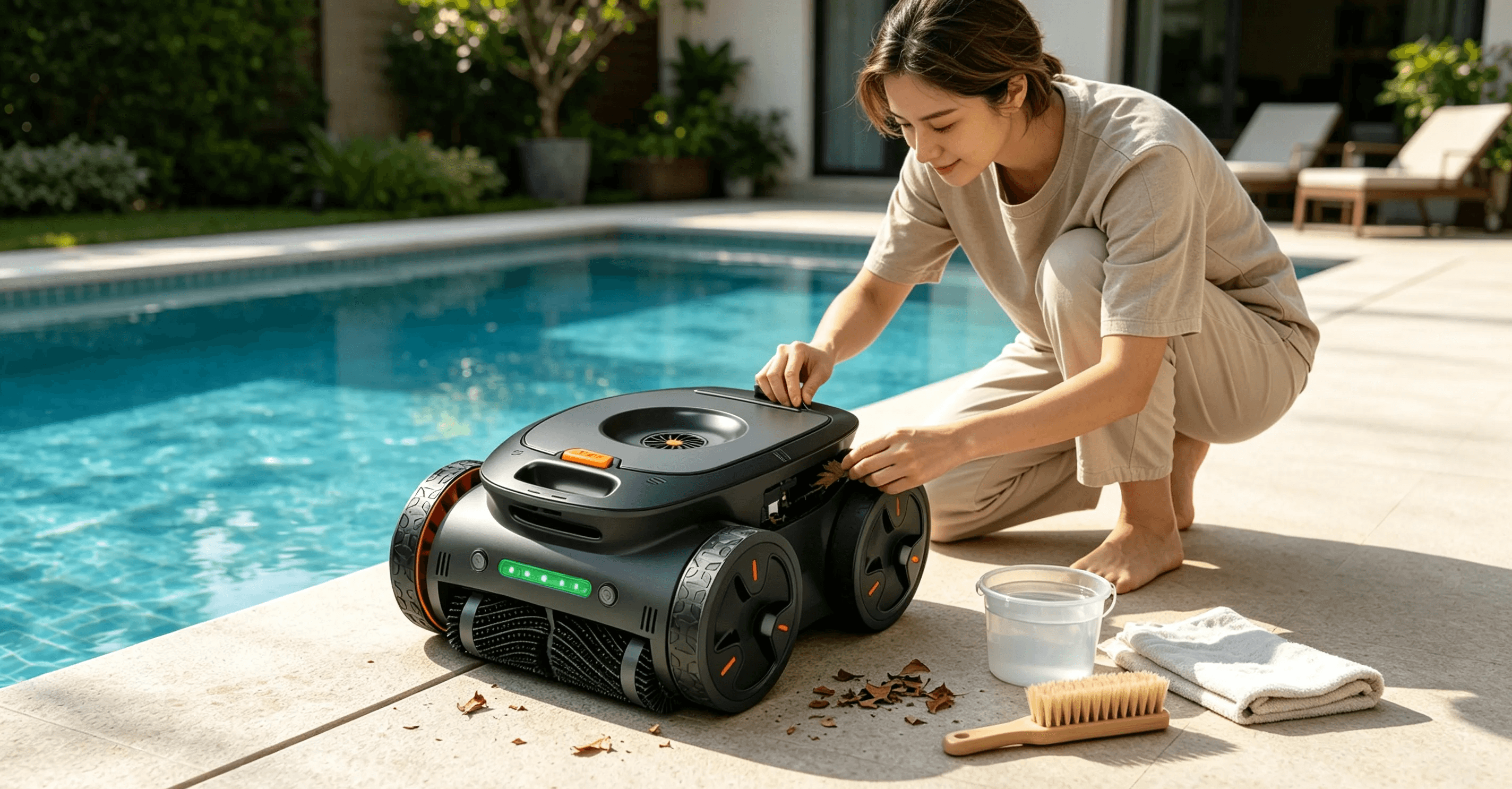
The filter system is one of the most important parts of a robotic pool cleaner because it collects dirt, leaves, and other particles during operation. Since the filter directly handles collected debris, it requires regular attention to maintain proper performance.
After cleaning cycles, debris can remain inside the filter compartment. If the filter is not cleaned regularly, accumulated material may reduce water flow and affect the cleaner’s ability to collect additional debris.
Keeping the Filter System in Good Condition
Cleaning the filter after regular use helps prevent unnecessary buildup and allows the robotic cleaner to continue operating efficiently.
The required cleaning frequency depends on several factors, including pool size, surrounding environment, and the amount of debris entering the pool. Pools located near trees or outdoor areas may require more frequent filter maintenance compared with pools in cleaner environments.
Proper filter care is a simple but important step that can support better cleaning performance and reduce unnecessary stress on the cleaner.
Checking Brushes and Moving Components
The cleaning ability of a robotic pool cleaner depends not only on its filtration system but also on the condition of its moving components. Brushes, wheels, tracks, and other mechanical parts work continuously during cleaning cycles and may experience gradual wear over time.
Regular inspection helps users identify signs of wear before they affect overall performance.
Inspecting Parts That Experience Regular Movement
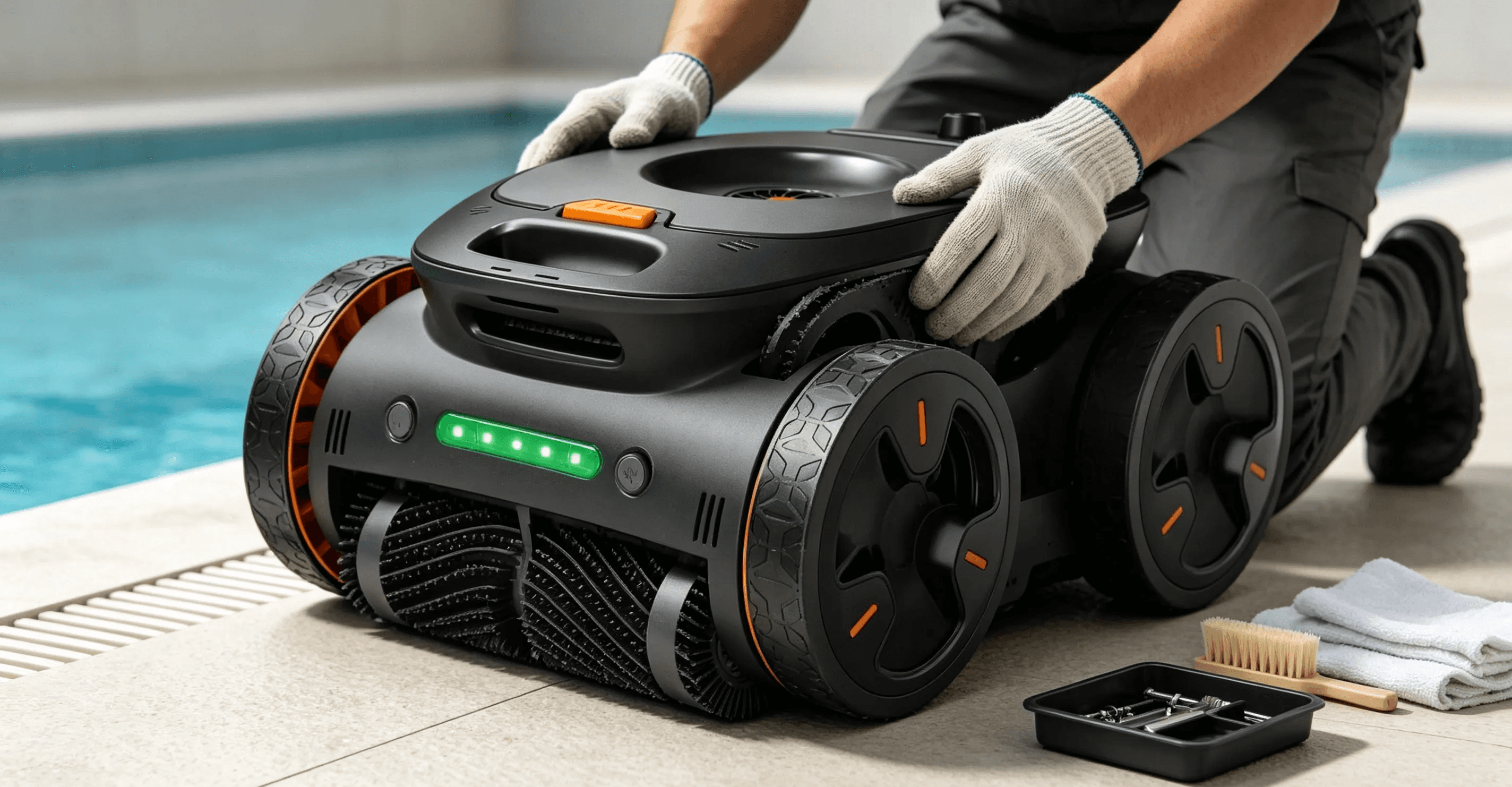
Brushes play an important role in removing dirt from pool surfaces, while wheels or tracks help the cleaner move across different areas of the pool.
If these components become worn or blocked by debris, the cleaner may not move as effectively or may require more effort to complete cleaning tasks.
Checking these parts periodically and removing trapped debris can help maintain smoother operation and support longer equipment life.
Proper Storage Between Cleaning Sessions
Regular maintenance is not limited to cleaning filters and checking moving parts. How a robotic pool cleaner is stored between cleaning sessions can also affect its long-term performance.
Although these devices are designed to operate underwater, keeping them exposed to unsuitable conditions when not in use may increase unnecessary wear on certain components. Proper storage helps protect the cleaner and ensures it is ready for the next cleaning cycle.
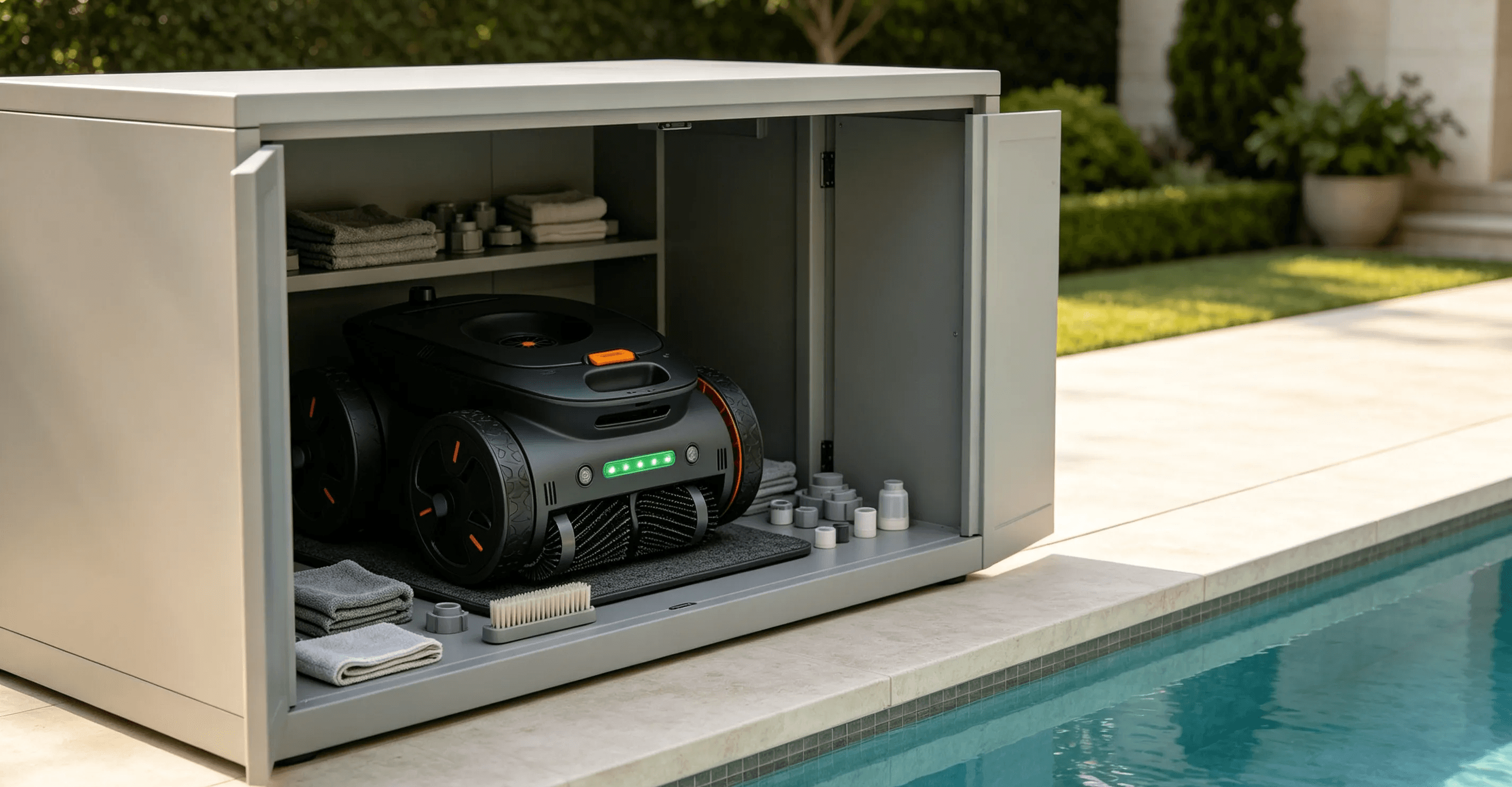
Protecting the Cleaner When Not in Use
After completing a cleaning cycle, users should remove the robotic pool cleaner from the water according to the manufacturer’s recommendations and allow any remaining water or debris to be cleared.
Storing the cleaner in a suitable location away from excessive heat, direct sunlight, or unnecessary physical impact can help protect its external materials and internal components.
A proper storage routine is especially important during periods when the pool is not used frequently. Instead of leaving the cleaner exposed for long periods, careful storage helps maintain its condition and supports longer service life.
Avoiding Common Maintenance Mistakes
While robotic pool cleaners are designed to simplify pool care, incorrect maintenance habits can reduce their performance over time.
Many problems do not happen because of a major equipment failure, but because small maintenance steps are overlooked. Developing a consistent care routine can help users avoid unnecessary wear and keep the cleaner operating more reliably.
Ignoring Regular Cleaning After Use
One common mistake is allowing collected debris to remain inside the cleaner for too long. When filters and components are not cleaned properly, accumulated dirt can affect cleaning efficiency and place additional stress on the system.
Another mistake is ignoring early signs of wear. Small changes, such as reduced movement efficiency or unusual operating behavior, may indicate that certain components need attention.
Addressing these issues early can help prevent more complicated maintenance problems in the future.
How Maintenance Helps Protect Your Investment
A robotic pool cleaner is a long-term investment for many pool owners. While the initial purchase provides automated cleaning convenience, proper maintenance plays an important role in protecting the value of that investment.
Taking care of the cleaner does not require complicated procedures. Simple habits, such as regular filter cleaning, component inspection, and proper storage, can make a significant difference over time.
Supporting Longer-Term Performance
A well-maintained robotic pool cleaner is more likely to provide stable performance throughout its service life. Regular care helps reduce unnecessary stress on important components and allows users to get better results from each cleaning cycle.
For pool owners, maintenance is not only about preventing problems. It is also about ensuring that the cleaner continues to provide the convenience and efficiency that make robotic cleaning valuable.
FAQ
Q1: How often should I clean my robotic pool cleaner?
A: The cleaning frequency depends on factors such as pool usage, surrounding environment, and the amount of debris collected. Pools with more leaves or outdoor debris may require more frequent filter cleaning.
Q2: Should I leave my robotic pool cleaner in the pool all the time?
A: It depends on the specific model and manufacturer recommendations. However, removing and storing the cleaner properly between cleaning periods can help protect components and maintain long-term performance.
Q3: Can regular maintenance improve robotic pool cleaner performance?
A: Yes. Regular maintenance helps keep important components such as filters and brushes working properly, which can support more consistent cleaning performance.
Q4: What parts of a robotic pool cleaner usually need the most attention?
A: Filters, brushes, wheels, tracks, and other moving components generally require regular inspection because they are directly involved in cleaning and movement.
Q5: Does a robotic pool cleaner need maintenance if it still works normally?
A: Yes. Preventive maintenance is useful even when the cleaner appears to work properly. Regular care can help reduce wear and identify potential issues before they affect performance.
Conclusion
Maintaining a robotic pool cleaner is an important part of getting reliable performance over time. Regular filter cleaning, checking moving components, proper storage, and avoiding common maintenance mistakes can help extend the cleaner’s lifespan and support more consistent cleaning results.
While robotic pool cleaners are designed to make pool maintenance easier, they still benefit from proper care and responsible use. A simple maintenance routine allows users to protect their equipment and enjoy the convenience of automated cleaning for longer.
For pool owners looking for a reliable cleaning solution, Purily robotic pool cleaners are designed to provide convenient and efficient pool cleaning support. Combined with proper maintenance practices, Purily helps users maintain a smoother cleaning experience while making everyday pool care easier to manage.