Can I Leave a Robotic Pool Cleaner in the Pool All the Time? Risks, Tips, and Best Practices
Introduction
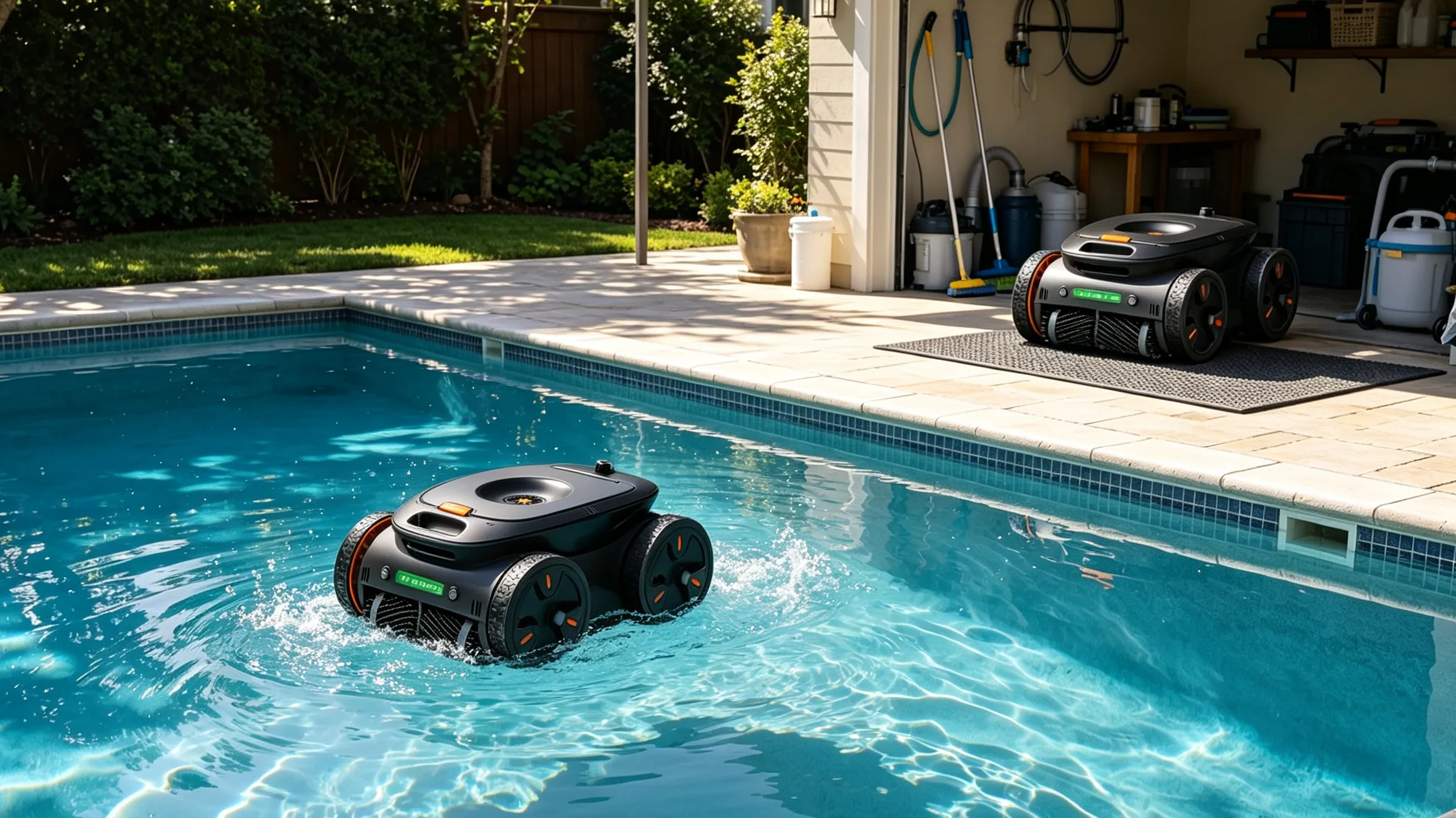
A robotic pool cleaner makes routine pool maintenance much easier by automatically removing dirt, debris, and other contaminants from the pool surface. Because these cleaners are designed to operate underwater, many pool owners wonder whether they can simply leave the device in the pool all the time.
The short answer is that leaving a robotic pool cleaner in the water for a limited period is usually possible, but keeping it submerged continuously is not always the best practice.
Long-term exposure to pool chemicals, sunlight, and water conditions may affect certain components over time. Proper removal, cleaning, and storage between uses can help maintain cleaning performance and extend the lifespan of the equipment.
Understanding when it is safe to leave a robotic pool cleaner in the pool — and when it should be removed — can help pool owners use their cleaner more effectively.
Can I Leave a Robotic Pool Cleaner in the Pool All the Time?
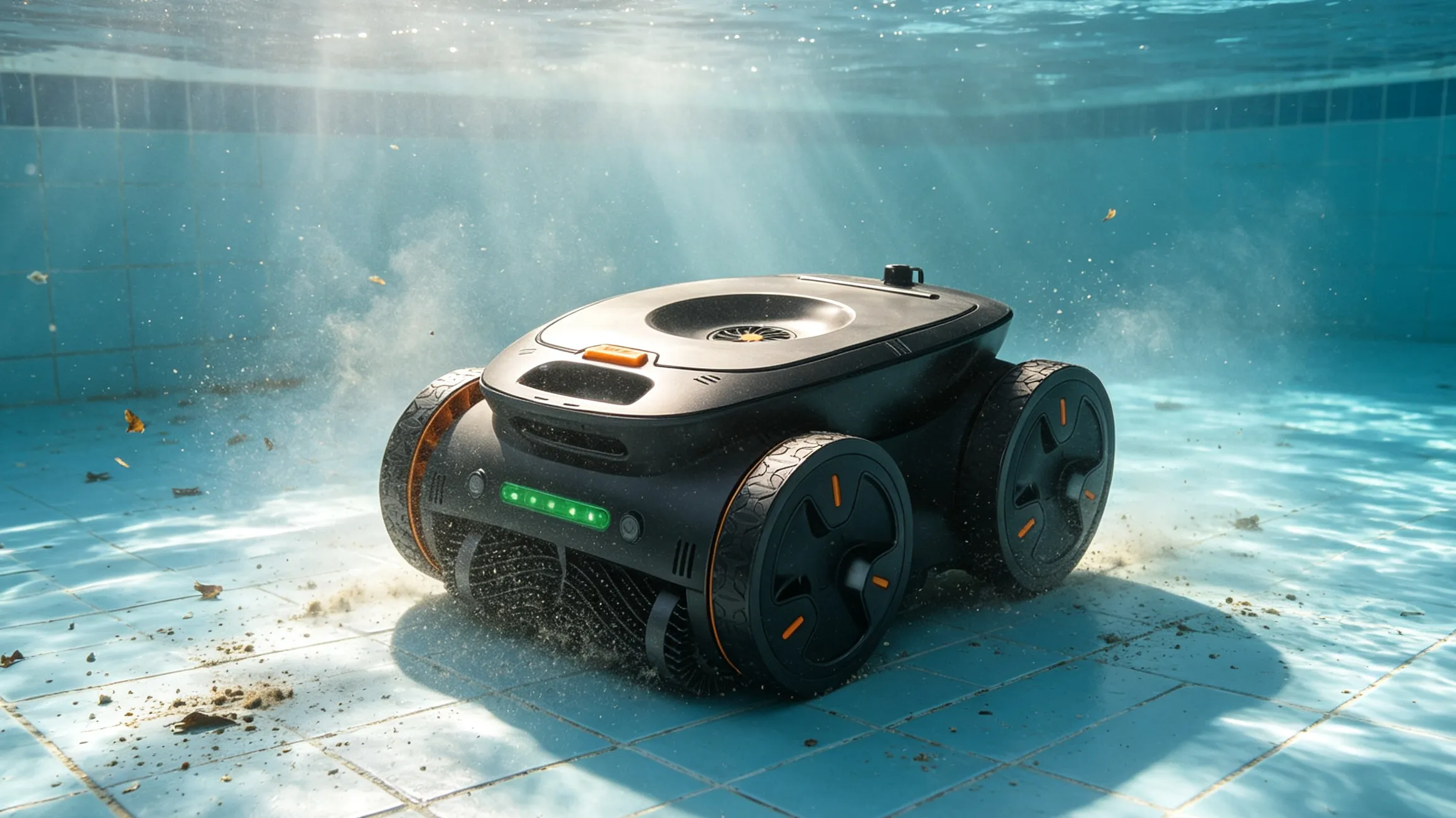
A robotic pool cleaner is built to work underwater, but that does not necessarily mean it should remain submerged permanently.
Short-Term Use After Cleaning
Leaving a robotic pool cleaner in the pool for a short period after a cleaning cycle is generally not a problem for many models.
For example, some pool owners may leave the cleaner in the water overnight or for several hours before removing it. This is especially common when the pool requires frequent cleaning or when users run multiple cleaning cycles during periods of heavy debris.
However, after the cleaning task is complete, removing the cleaner allows owners to inspect the unit, clean the filter, and prepare it for the next use.
Long-Term Continuous Exposure
Keeping a robotic pool cleaner underwater for extended periods may create unnecessary exposure to pool conditions.
Although these cleaners are designed to operate in chlorinated or treated water, continuous immersion can increase contact with:
Pool chemicals
Minerals in the water
Changing water conditions
High temperatures
Over time, these factors may contribute to wear on certain components, depending on the cleaner design and the quality of maintenance.
For this reason, most manufacturers recommend removing the cleaner after use rather than treating it as a permanent underwater fixture.
Why You Should Remove a Robotic Pool Cleaner After Use
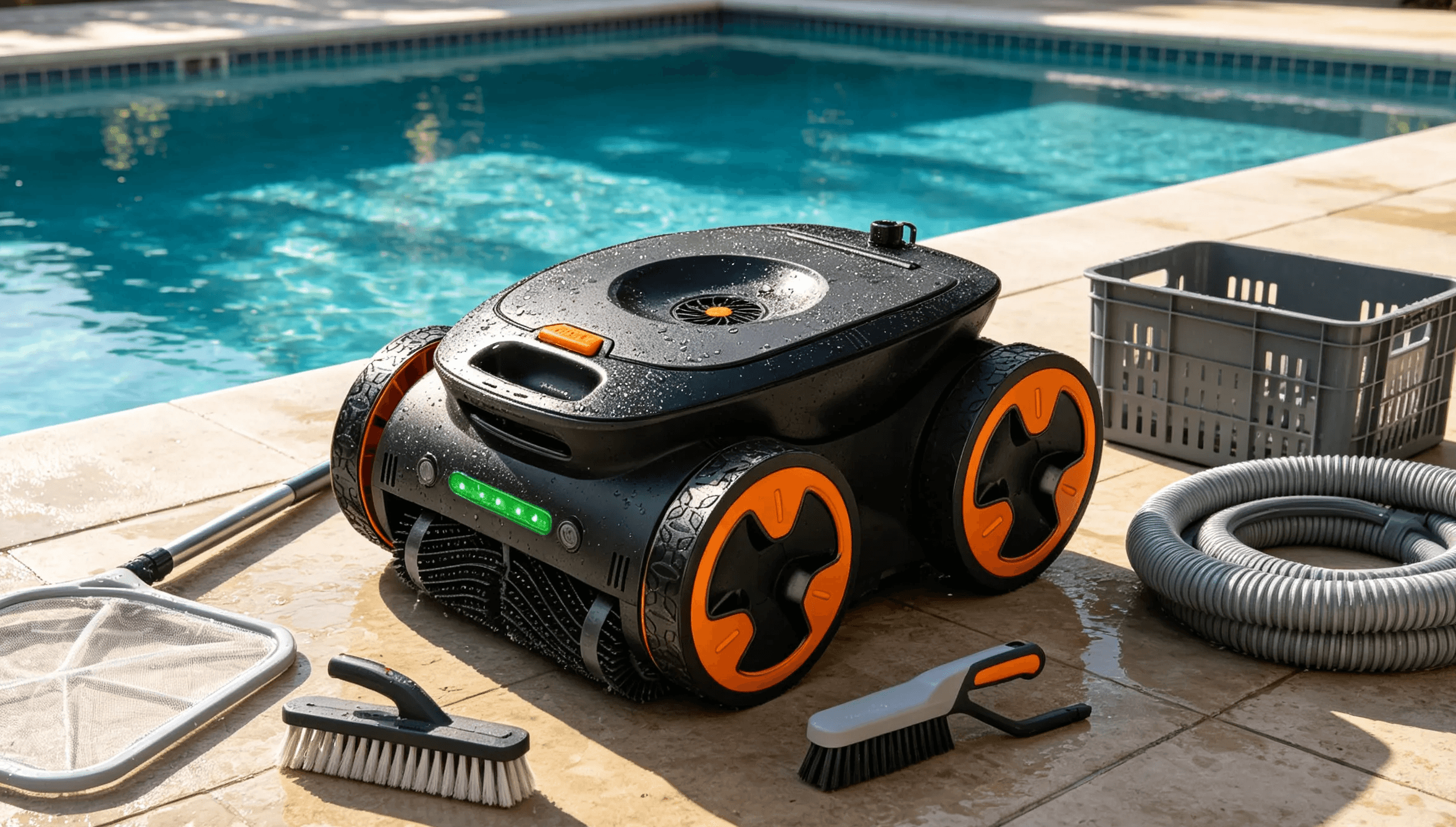
Removing the cleaner after each cleaning cycle is not only about storage. It also gives owners the opportunity to perform basic checks and keep the equipment working properly.
Protect Electrical Components
Although robotic pool cleaners are designed with waterproof protection, their electrical components still need proper care.
Regular removal allows users to:
Check the power supply or charging components
Inspect cables and connections
Identify possible damage early
For cordless robotic pool cleaners, proper charging and storage habits are also important for maintaining battery performance.
Reduce Exposure to Pool Chemicals
Pool water contains chemicals that help maintain cleanliness and safety, but long-term exposure can affect equipment materials over time.
Removing the cleaner when it is not actively cleaning reduces unnecessary exposure and allows the device to dry and rest between cleaning cycles.
This is especially important for pools with higher chemical levels, saltwater systems, or frequent water treatment adjustments.
Prevent Unnecessary Wear
A robotic pool cleaner is designed to move, brush, and collect debris during cleaning cycles — not to remain idle underwater indefinitely.
Taking the cleaner out after use helps reduce unnecessary wear on:
Brushes
Wheels or tracks
Filters
External housing
Regular removal also makes it easier to notice when parts need cleaning or replacement.
How Long Can a Robotic Pool Cleaner Stay in the Pool?
The amount of time a robotic pool cleaner can safely remain underwater depends on the model, pool conditions, and how frequently it is used.
There is no single time limit that applies to every cleaner, but most pool owners benefit from following a regular cleaning and storage routine rather than leaving the device submerged permanently.
Daily Cleaning Routine
For pools that require frequent cleaning, leaving a robotic pool cleaner in the water during a scheduled cleaning period may be convenient.
For example, a cleaner may complete a cleaning cycle and remain in the pool temporarily before being removed, especially when users plan to run another cycle soon.
However, once the cleaning cycle is finished, removing the cleaner allows for basic maintenance, including:
Emptying the debris container
Rinsing the filter
Checking the condition of brushes and wheels
Inspecting the unit before the next use
Extended Periods Without Use
A robotic pool cleaner should generally not be left underwater for long periods when it is not being used.
If the pool will not require cleaning for several days or weeks, such as during colder seasons or vacations, removing and storing the cleaner properly is recommended.
Long periods of inactivity underwater may expose the cleaner to unnecessary environmental conditions without providing any cleaning benefit.
Best Practices for Using and Storing a Robotic Pool Cleaner
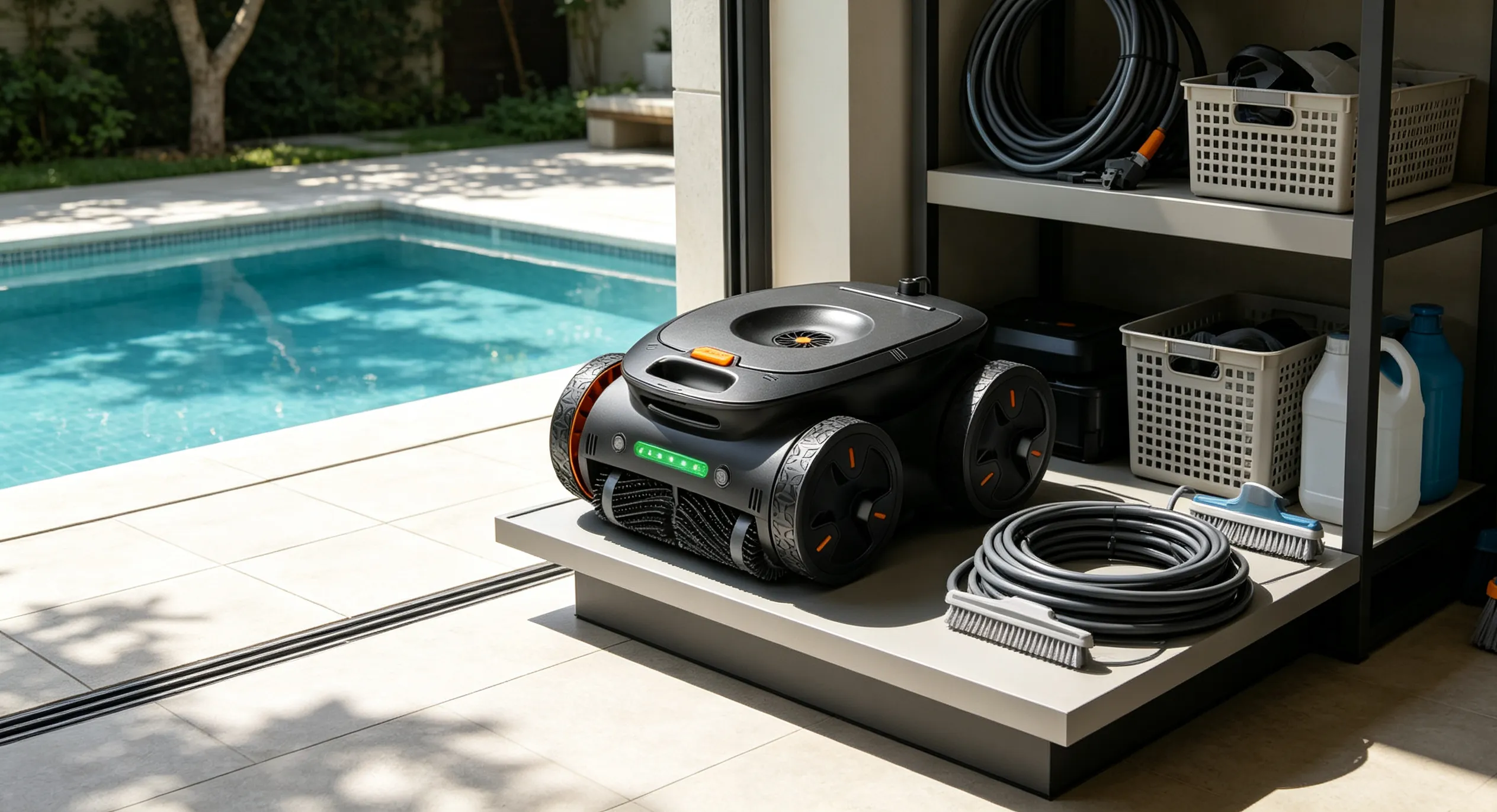
A simple routine can help maintain a robotic pool cleaner and reduce avoidable wear.
Remove and Rinse After Cleaning
After completing a cleaning cycle, remove the cleaner from the pool and rinse away collected dirt, sand, and chemical residue if needed.
Cleaning the filter and debris container is especially important because a full filter can reduce cleaning efficiency during the next cycle.
Store in a Shaded and Dry Location
When the cleaner is not being used, store it in a dry and protected area away from direct sunlight.
Avoid leaving the unit exposed on a hot pool deck for extended periods, as UV exposure and high temperatures may affect external materials over time.
For cordless models, follow the recommended battery storage and charging practices provided by the manufacturer.
Follow Manufacturer Recommendations
Different robotic pool cleaners may have different requirements depending on their design, power system, and intended use.
Always follow the manufacturer's guidance regarding:
Cleaning cycles
Storage conditions
Charging procedures
Maintenance intervals
Following these recommendations helps ensure safe operation and better long-term performance.
What Is the Best Way to Use a Robotic Pool Cleaner?
The most effective approach is to treat a robotic pool cleaner as an automated cleaning tool rather than a permanent pool accessory.
A practical routine usually includes:
Running the cleaner when the pool requires cleaning
Removing it after the cleaning cycle when possible
Emptying and cleaning the filter
Checking important components regularly
Storing it properly between uses
This approach provides the convenience of automated cleaning while reducing unnecessary exposure and wear.
Frequently Asked Questions
Q1: Can I leave my robotic pool cleaner in the pool overnight?
A: In many cases, leaving a robotic pool cleaner in the pool overnight for a short period is acceptable. However, removing it after the cleaning cycle allows you to clean the filter, inspect the unit, and reduce unnecessary exposure to pool conditions.
Q2: Can chlorine damage a robotic pool cleaner?
A: Robotic pool cleaners are designed to operate in treated pool water, but long-term exposure to chemicals may contribute to material wear over time. Proper removal and maintenance can help reduce unnecessary exposure.
Q3: Should I remove my robotic pool cleaner after every cleaning cycle?
A: Removing the cleaner after each cycle is generally recommended because it allows you to empty the filter, rinse debris, check components, and store the device properly.
Q4: How long can a robotic pool cleaner stay underwater?
A: The safe operating time depends on the specific model and manufacturer recommendations. While short-term underwater use is normal, keeping the cleaner submerged continuously for long periods is generally not recommended.
Q5: Does leaving a robotic pool cleaner in the pool reduce its lifespan?
A: Continuous exposure to water, chemicals, and environmental conditions may contribute to wear over time. Regular removal, cleaning, and proper storage can help maintain performance and extend the cleaner’s useful life.
Conclusion
A robotic pool cleaner is designed to operate underwater, but that does not mean it should remain in the pool permanently.
Leaving the cleaner in the water temporarily after a cleaning cycle is usually convenient, especially for regular maintenance routines. However, removing the unit, cleaning the filter, checking components, and storing it properly when not in use can help protect the equipment.
By following simple usage and storage practices, pool owners can enjoy the convenience of automated cleaning while helping their robotic pool cleaner maintain reliable performance for longer.