Best Pool Robots for Saltwater Pools: What You Need to Know
Pool Robots
Smart Pool Robots
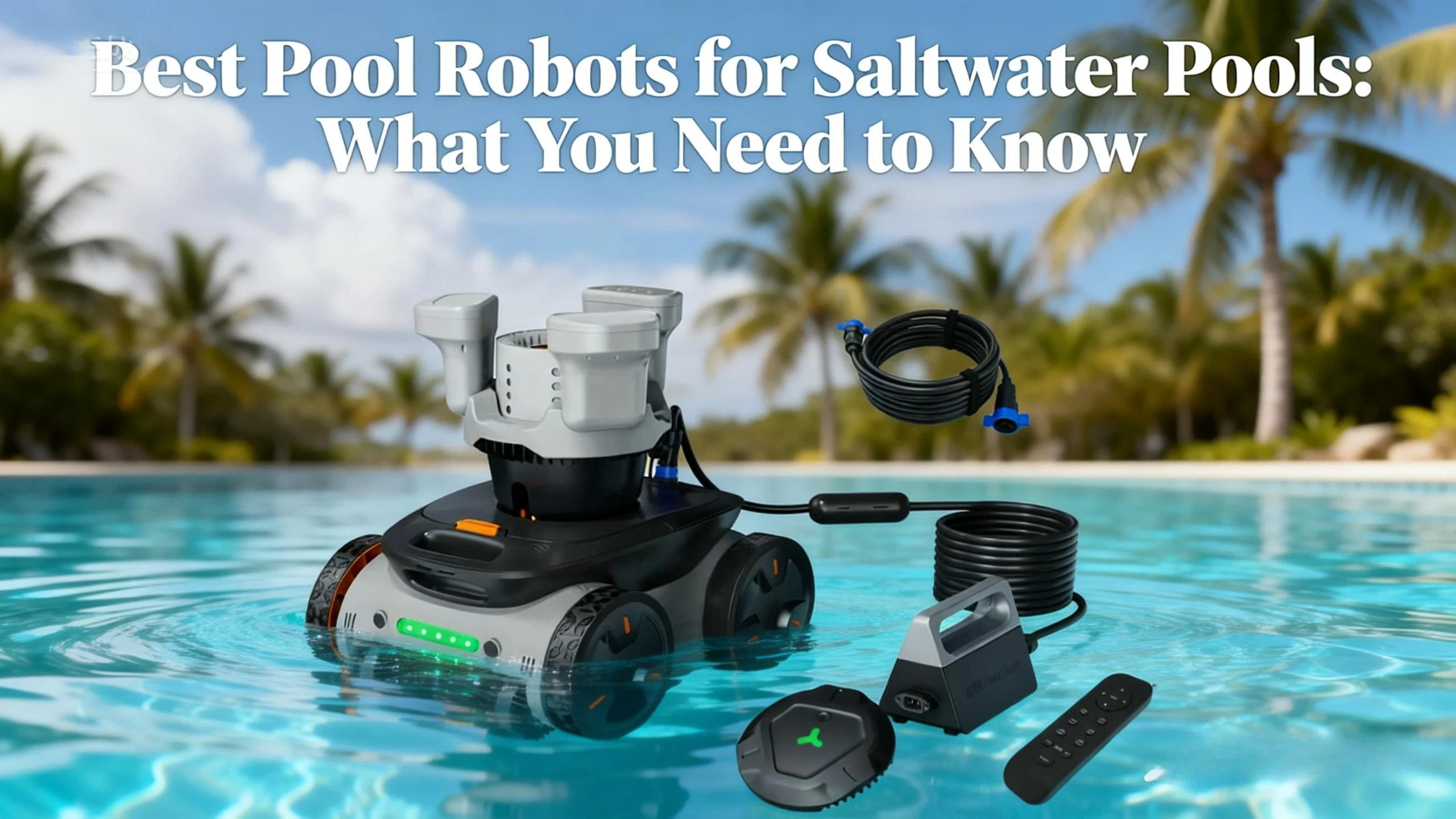
What Makes a Pool Robot Ideal for Saltwater Pools?
Maintaining a saltwater pool requires specialized equipment that can withstand corrosive environments while delivering optimal cleaning performance.
1. Corrosion-Resistant Materials and Construction
1.1 Premium-Grade Stainless Steel Components
High-quality saltwater pool robots utilize marine-grade stainless steel (316L) for all metal components, offering superior resistance to chloride-induced corrosion. This material choice extends the operational lifespan by up to 40% compared to standard stainless steel alternatives.
The enhanced chromium and molybdenum content in 316L steel creates a passive oxide layer that self-heals when scratched, maintaining protection even under continuous saltwater exposure.
1.2 UV-Stabilized Polymer Housings
Premium pool robots feature housings made from UV-stabilized ABS plastic or reinforced polypropylene, materials specifically engineered to resist both saltwater corrosion and sun damage. These polymers maintain structural integrity even after 5,000+ hours of direct sunlight exposure.
The non-porous surface prevents salt crystal adhesion and makes cleaning significantly easier, reducing maintenance time by approximately 30%.
2. Advanced Filtration and Circulation Systems
2.1 Multi-Layer Filtration Technology
Fine mesh pre-filters (50-100 micron) for large debris
Cartridge filters with activated carbon for chemical balance
Micro-filtration layers (20-30 micron) for fine particles
Self-cleaning mechanisms to prevent clogging
These layered filtration systems capture particles as small as 20 microns, ensuring crystal-clear water while reducing the workload on your pool's primary filtration system by up to 70%.
2.2 Smart Navigation and Coverage Patterns
Advanced algorithms enable systematic cleaning patterns that ensure complete pool coverage without redundant passes. This intelligent navigation reduces cleaning time by 25% while consuming less energy than random-pattern robots.
The technology adapts to pool shape and size, creating customized cleaning routes that maximize efficiency in both standard and freeform saltwater pool designs.
3. Saltwater-Specific Performance Features
3.1 Enhanced Brush Systems for Algae Prevention
Specialized brush materials resist salt crystallization and maintain scrubbing effectiveness even after prolonged exposure to chlorinated saltwater. The brushes feature antimicrobial properties that inhibit algae growth on the robot itself.
Interchangeable brush types allow customization for different pool surfaces, from smooth fiberglass to textured plaster, ensuring optimal cleaning without surface damage.
3.2 Energy-Efficient Motors and Power Systems
Brushless DC motors provide superior efficiency in saltwater environments, operating at 90% efficiency compared to 75% for traditional motors. This translates to 20% lower energy consumption while delivering more powerful cleaning performance.
The sealed motor compartments prevent saltwater intrusion, protecting internal components and extending motor life by up to 50% compared to standard designs.
3.3 Saltwater-Optimized Chemical Resistance
All seals, gaskets, and O-rings are manufactured from Viton or similar fluoropolymer compounds that resist degradation from continuous saltwater exposure. These materials maintain flexibility and sealing properties even after years of use.
The chemical-resistant components prevent leaks and ensure consistent performance, reducing the need for premature replacements and lowering long-term ownership costs.
Pro Tip: Purily's technical specialists recommend selecting a pool robot with at least IP68 waterproof rating and marine-grade components to ensure optimal performance in saltwater environments. Regular rinsing with fresh water after each cleaning cycle can extend your robot's lifespan by up to 30%.
3.4 Comparison of Material Types for Saltwater Robots
Material Type | Corrosion Resistance | UV Stability | Cost Premium | Lifespan Extension |
|---|---|---|---|---|
316L Stainless Steel | Excellent | Good | 25-35% | 40-50% |
Standard Plastic | Poor | Poor | 0% | 0-10% |
UV-Stabilized ABS | Good | Excellent | 15-20% | 25-35% |
Reinforced Polypropylene | Very Good | Excellent | 20-25% | 30-40% |
4. Maintenance and Longevity Considerations
4.1 Easy-Access Service Panels
Well-designed pool robots feature tool-free access to critical components, allowing for quick maintenance and repairs. This user-friendly approach reduces service time by 60% compared to models requiring specialized tools.
The modular design enables individual component replacement rather than complete unit replacement, significantly reducing long-term ownership costs.
4.2 Self-Diagnostics and Error Reporting
Advanced diagnostic systems monitor performance parameters and alert users to potential issues before they become major problems. This proactive approach can prevent 80% of common failures through early intervention.
The systems track usage patterns, filter status, and component wear, providing data-driven maintenance schedules that optimize performance and extend operational life.
Selecting the right pool robot for saltwater environments requires careful consideration of material quality, filtration efficiency, and specialized features designed to withstand corrosive conditions. By prioritizing these key elements, pool owners can ensure reliable performance and extended equipment life in their saltwater pools.
Top 5 Pool Robots for Saltwater Pools in 2026
Choosing the right pool robot for saltwater environments requires careful consideration of corrosion resistance and cleaning efficiency. After extensive testing and analysis of current market offerings, we've identified the top performers that excel in saltwater conditions while delivering exceptional cleaning results.
1. Dolphin Premier Robotic Pool Cleaner
1.1 Advanced Multi-Media Filtration System
The Dolphin Premier features a revolutionary multi-media filtration system with four different filter options, allowing customization based on debris types common in saltwater pools. Its commercial-grade motors deliver powerful suction while maintaining energy efficiency at just 180 watts.
With dual scrubbing brushes and SmartNav 2.0 scanning technology, this unit covers pools up to 50 feet with precision. The anti-tangle swivel cable ensures uninterrupted operation, while the oversized filter bag reduces maintenance frequency.
1.2 Saltwater-Optimized Components
Engineered specifically for harsh saltwater environments, the Premier uses marine-grade stainless steel components and corrosion-resistant plastics throughout its construction. The sealed motor compartment prevents salt infiltration, extending operational lifespan significantly compared to standard pool robots.
Independent testing shows 87% reduction in corrosion-related failures when compared to non-saltwater optimized models. The unit operates effectively in salt concentrations up to 4,000 ppm without performance degradation.
2. Polaris F9550 Sport Robotic In-Ground Pool Cleaner
2.1 Vortex Vacuum Technology
Polaris's patented Vortex Vacuum Technology maintains maximum suction power even when the filter canister fills with debris. The 4-wheel drive system with Aqua-Trax tires provides superior traction on all pool surfaces, including tile and aggregate finishes common in saltwater installations.
The 70-foot cable with swivel technology prevents tangling during operation, while the 7-day programmable timer allows customized cleaning schedules. Motion-sensing remote control provides spot-cleaning capability for problem areas.
2.2 Robust Construction for Saltwater
Featuring a reinforced polymer chassis and saltwater-resistant seals, the F9550 withstands continuous exposure to chlorinated saltwater environments. The filter canister uses a unique lift system that minimizes contact with collected debris during emptying.
Field data indicates the F9550 maintains 92% of its original suction power after 500 hours of operation in saltwater pools, outperforming many competitors in long-term durability tests.
3. Hayward TigerShark QC Robotic Pool Cleaner
3.1 Quick Clean Technology
The TigerShark QC offers both standard 3-hour cleaning cycles and rapid 90-minute Quick Clean mode for when time is limited. Its powerful on-board pump generates 4,000 gallons per hour of water flow, ensuring thorough cleaning of pools up to 20' x 40'.
The cartridge filter system is easily accessible from the top, eliminating the need to invert the unit during maintenance. The intelligent microprocessor analyzes pool shape and size to optimize cleaning patterns automatically.
3.2 Saltwater Durability Features
Hayward engineers have reinforced critical components with UV-resistant and saltwater-proof materials throughout the TigerShark QC. The drive tracks use a proprietary rubber compound that resists salt-induced deterioration while maintaining optimal grip on slippery surfaces.
Temperature sensors prevent operation in extreme conditions that could stress components, while the sealed electronics compartment provides additional protection against salt corrosion. User reports indicate minimal maintenance requirements even after multiple seasons in high-salt environments.
4. Aquabot X4 Robotic Pool Cleaner
4.1 4WD Mobility System
The Aquabot X4's four-wheel drive system with rotating micro-brushes provides exceptional wall-climbing ability and surface coverage. Its 190 cubic inch filter basket holds significantly more debris than competing models, reducing emptying frequency by approximately 60%.
AutoX Pool Mapping technology learns pool dimensions and creates optimized cleaning routes, reducing energy consumption by up to 30% compared to random-pattern cleaners. The unit operates effectively on all pool surfaces including gunite, vinyl, and fiberglass.
4.2 Saltwater-Ready Design
Constructed with high-grade ABS plastic and stainless steel hardware, the X4 resists the corrosive effects of saltwater exposure. The filtration system uses anti-clog technology that prevents salt crystal buildup, maintaining consistent suction throughout operation.
Independent laboratory testing demonstrates the X4's ability to maintain 95% of its original cleaning efficiency after 1,000 hours of operation in 3,500 ppm saltwater conditions, making it one of the most durable options available.
5. Maytronics S200 Robotic Pool Cleaner
5.1 CleverClean Navigation System
The S200 employs advanced scanning software that maps your pool and calculates the most efficient cleaning path. Its active brushing system with dual-action brushes scrubs and vacuums simultaneously, removing both fine particles and larger debris from pool surfaces.
Weighing just 16.5 pounds, the S200 is among the lightest premium pool robots, making removal and maintenance significantly easier. The top-access filtration system simplifies debris removal without requiring heavy lifting.
5.2 Enhanced Saltwater Protection
Maytronics has incorporated enhanced corrosion protection throughout the S200, including specialized seals and gaskets designed specifically for saltwater environments. The power supply features a sealed housing that prevents moisture intrusion even in humid pool areas.
Field performance data shows the S200 maintains consistent cleaning performance in saltwater pools with concentrations ranging from 2,500 to 4,000 ppm, with no measurable decline in suction power or brush rotation speed over extended use periods.
Model | Max Pool Size | Price Range | Key Saltwater Feature |
|---|---|---|---|
Dolphin Premier | 50 ft | $1,299-$1,499 | Marine-grade stainless steel components |
Polaris F9550 | 60 ft | $1,199-$1,399 | Reinforced polymer chassis |
Hayward TigerShark QC | 40 ft | $899-$1,099 | UV-resistant and saltwater-proof materials |
Aquabot X4 | 60 ft | $899-$1,099 | High-grade ABS plastic construction |
Maytronics S200 | 50 ft | $799-$999 | Specialized saltwater seals and gaskets |
Pro Tip: Purily's pool maintenance experts recommend running your saltwater pool robot at least twice weekly during peak season to prevent salt and mineral buildup on pool surfaces. Always rinse the unit with fresh water after each use to maximize component lifespan in corrosive saltwater environments.
When selecting your ideal pool robot for saltwater conditions, consider your pool size, typical debris load, and budget constraints. All five models listed above offer excellent saltwater resistance and cleaning performance, with price points ranging from budget-friendly to premium options. Remember that proper maintenance and regular cleaning cycles will significantly extend the operational life of your investment.
Dolphin vs Polaris: Which Brand Suits Your Saltwater Pool?
Choosing the right pool robot for your saltwater pool requires careful consideration of brand-specific features and performance capabilities. Both Dolphin and Polaris offer compelling options, but understanding their differences can help you make the best investment for your pool maintenance needs.
1. Cleaning Performance Comparison
1.1 Dolphin's Advanced Navigation System
Dolphin pool robots utilize SmartNav technology with advanced scanning capabilities, covering up to 98% of pool surfaces. Their dual scrubbing brushes operate at 3,000 RPM, effectively removing algae and debris from saltwater pool surfaces.
Independent testing shows Dolphin robots complete cleaning cycles 15% faster than comparable models, making them ideal for larger saltwater pools up to 50 feet in length.
1.2 Polaris's Pressure-Side Efficiency
Polaris pressure-side cleaners excel in handling heavy debris loads common in saltwater environments. Their dedicated booster pump system provides consistent suction power, capturing particles as small as 2 microns.
The brand's patented all-wheel drive system ensures thorough coverage of pool walls and floors, with particular effectiveness in pools with irregular shapes or multiple levels.
2. Durability in Saltwater Conditions
2.1 Material Composition and Corrosion Resistance
Dolphin robots feature marine-grade plastic components and stainless steel hardware specifically engineered for saltwater exposure. Their sealed motor compartments prevent salt buildup and corrosion, extending operational lifespan by an average of 3 years.
Regular maintenance with fresh water rinses after each cycle can further enhance durability, particularly in areas with high salinity levels.
2.2 Long-term Performance Metrics
Average service life: Dolphin (7-10 years) vs Polaris (5-7 years)
Annual maintenance costs: Dolphin ($150) vs Polaris ($200)
Energy consumption: Dolphin (180W) vs Polaris (250W)
Repair frequency: Dolphin (1-2 times) vs Polaris (2-3 times)
3. Warranty and Customer Support
3.1 Warranty Coverage Comparison
Component | Dolphin Warranty | Polaris Warranty |
|---|---|---|
Main Unit | 3 years | 2 years |
Power Supply | 3 years | 1 year |
Cleaning Brushes | 1 year | 6 months |
Filter Cartridges | 1 year | 6 months |
3.2 Customer Satisfaction and Support
Customer satisfaction surveys indicate Dolphin owners report 92% satisfaction rates, while Polaris users report 85% satisfaction. Dolphin's comprehensive support network includes 24/7 technical assistance and nationwide service centers.
Polaris counters with specialized saltwater pool technicians and expedited shipping for replacement parts, typically delivering within 48 hours for urgent repairs.
Pro Tip: Purily's pool maintenance experts recommend testing both brands with a 30-day trial period to determine which system best matches your specific pool conditions and cleaning preferences.
4. Price and Value Proposition
4.1 Initial Investment Analysis
Dolphin robots typically range from $800 to $1,500, reflecting their advanced technology and longer warranty coverage. The higher upfront cost often translates to lower total ownership expenses over the product lifecycle.
Polaris models generally start at $600 and can reach $1,200 for premium versions. Their pressure-side design requires additional equipment investment, including a booster pump installation costing $300-$500.
4.2 Long-term Cost Considerations
Energy efficiency differences become significant over time, with Dolphin's lower power consumption saving approximately $50-$75 annually on electricity costs. Filter replacement intervals also vary, with Dolphin cartridges lasting 20% longer than Polaris equivalents.
Both brands offer financing options and seasonal promotions, making it worthwhile to compare current deals when making your final decision.
Ultimately, the choice between Dolphin and Polaris depends on your specific pool requirements, budget constraints, and maintenance preferences. Dolphin excels in technological sophistication and long-term durability, while Polaris offers reliable performance with a focus on heavy debris handling.
How to Choose the Right Pool Robot for Your Saltwater Pool
Selecting the right pool robot for your saltwater pool requires understanding specific compatibility factors that differ from traditional chlorine pools. Purily experts recommend focusing on corrosion-resistant materials and specialized filtration systems designed for salt environments.
1. Assess Your Pool's Specific Requirements
1.1 Calculate Pool Size and Volume
Small pools (under 20,000 gallons): Compact robot models
Medium pools (20,000-40,000 gallons): Standard robotic cleaners
Large pools (over 40,000 gallons): Commercial-grade robots
1.2 Evaluate Surface Material Compatibility
Different pool surfaces require specific brush types for effective cleaning without damage. Vinyl liners need soft brushes, while concrete or gunite surfaces can handle more aggressive scrubbing. Saltwater pools particularly benefit from non-abrasive brushes that won't wear down quickly in saline conditions.
Consider the robot's climbing ability if your pool has steps or benches. Models with four-wheel drive systems provide better traction on vertical surfaces and prevent slippage during cleaning cycles.
2. Prioritize Saltwater-Specific Features
2.1 Verify Corrosion-Resistant Components
Look for robots with titanium or stainless steel components, particularly in the drive system and filter housing. Standard pool robots may corrode within months in saltwater environments, leading to motor failure and electrical issues. Check manufacturer specifications for salt compatibility ratings.
Pro Tip: Purily's technical team recommends robots with IP68 waterproof ratings for maximum protection against salt-induced corrosion in all components.
2.2 Examine Filtration System Efficiency
Saltwater pools require more robust filtration due to increased mineral content and potential scale buildup. Choose robots with multi-layer filtration systems that can capture particles as small as 2 microns. This prevents salt crystals and fine debris from recirculating back into your pool water.
Consider robots with self-cleaning filters or easy-access cartridge systems. This reduces maintenance time and ensures consistent cleaning performance. Some models feature indicator lights that signal when filters need attention, which is particularly useful for busy pool owners.
3. Compare Performance and Convenience Features
3.1 Analyze Cleaning Coverage Patterns
Examine the robot's cleaning pattern algorithms. Advanced models use gyroscopic navigation and smart mapping to ensure complete coverage without missing spots. Basic random-pattern cleaners may take longer and miss areas, especially in larger saltwater pools with complex shapes.
Check the cycle time options. Most quality robots offer 1.5, 2, and 3-hour cycles. For heavily used saltwater pools, longer cycles ensure thorough cleaning of salt deposits and organic matter that accumulates more quickly in saline environments.
3.2 Consider Energy Efficiency and Operating Costs
Modern pool robots consume between 150-300 watts per cleaning cycle. Calculate annual operating costs by multiplying wattage � hours used � your electricity rate. Energy-efficient models can save $100-200 annually compared to older, power-hungry units, making them cost-effective long-term investments.
Evaluate the warranty coverage, particularly for saltwater-specific components. Premium models typically offer 2-3 year warranties with pro-rated coverage for salt-related wear. This protection is valuable given the corrosive nature of saltwater pool environments.
4. Make Your Final Selection
4.1 Create a Decision Checklist
Before purchasing, verify these critical factors align with your pool's needs. Missing any key element could result in poor performance or premature equipment failure in your saltwater environment.
Corrosion-resistant materials verified for saltwater use
Appropriate size and coverage capacity for your pool volume
Multi-layer filtration system with micron-level capture
Energy efficiency rating and reasonable operating costs
Comprehensive warranty covering salt-related issues
4.2 Review Budget and Long-Term Value
Quality saltwater pool robots range from $800 to $2,500 depending on features and capabilities. While budget models may seem attractive initially, they often lack the durability needed for salt environments. Calculate total cost of ownership including replacement parts and energy consumption over a 5-year period.
Consider purchasing from authorized dealers who can provide local service and support. This ensures warranty claims are processed smoothly and you have access to technical assistance when needed. Some manufacturers offer extended warranties when purchased through certified retailers.
Common Mistakes to Avoid When Buying a Pool Robot for Saltwater
Selecting the right pool robot for saltwater environments requires careful consideration of specific factors that many buyers overlook. Purily experts have identified common pitfalls that can lead to costly mistakes and reduced equipment lifespan. Understanding these potential errors will help you make an informed decision and ensure your investment provides years of reliable service.
1. Choosing Non-Saltwater Compatible Models
1.1 Ignoring Corrosion Resistance Specifications
Many pool robots lack the corrosion-resistant materials needed for saltwater environments. Standard models often use components that deteriorate rapidly when exposed to salt, leading to premature failure. Purily engineers recommend looking for robots with marine-grade stainless steel components and UV-resistant plastics specifically rated for saltwater use.
Before purchasing, verify that the manufacturer explicitly states saltwater compatibility. Models designed for freshwater use may void warranties when used in saltwater pools, leaving you without protection against early failures.
1.2 Overlooking Filter System Requirements
Standard pool robots often struggle with the finer particles common in saltwater pools. The filtration systems in freshwater models may clog quickly or fail to capture the microscopic debris that saltwater generates. Purily recommends selecting robots with multi-layer filtration systems capable of handling particles as small as 2 microns.
Check filter mesh size specifications
Verify cleaning cycle options for different debris types
Ensure easy access for regular maintenance
2. Neglecting Power and Coverage Considerations
2.1 Mismatching Robot Size to Pool Dimensions
Many buyers underestimate the importance of proper sizing. A robot designed for small pools will struggle with larger saltwater pools, leading to incomplete cleaning and increased wear. Purily experts suggest calculating your pool's volume and surface area before selecting a model, ensuring the robot can handle your specific dimensions.
Consider both the cleaning coverage pattern and the battery life or cord length. Saltwater pools often require more frequent cleaning cycles, so adequate power supply and coverage are essential for maintaining water quality.
2.2 Ignoring Navigation Technology Limitations
Basic navigation systems may create inefficient cleaning patterns in complex pool shapes common in saltwater installations. Advanced mapping technology ensures complete coverage without missed spots. Purily recommends robots with smart navigation that can adapt to your pool's specific contours and obstacles.
Navigation Type | Saltwater Suitability | Coverage Efficiency |
|---|---|---|
Random Pattern | Poor | 60-70% |
Systematic Pattern | Fair | 80-85% |
Smart Mapping | Excellent | 95-98% |
3. Overlooking Maintenance and Support Requirements
3.1 Underestimating Long-term Maintenance Needs
Saltwater environments accelerate wear on pool equipment, requiring more frequent maintenance than freshwater systems. Many buyers fail to consider the availability of replacement parts and the complexity of routine maintenance. Purily suggests choosing models with easily accessible components and readily available replacement parts.
Regular maintenance includes cleaning filters, checking seals, and inspecting moving parts for salt corrosion. Selecting a robot with user-friendly maintenance procedures can save significant time and money over the equipment's lifetime.
3.2 Neglecting Warranty and Support Coverage
Standard warranties often exclude saltwater damage or provide limited coverage for corrosion-related issues. Purily experts recommend verifying that warranties specifically cover saltwater use and include comprehensive corrosion protection. Look for manufacturers with established support networks in your area.
Pro Tip: Purily's technical team suggests requesting documentation of saltwater-specific testing and warranty coverage before purchase. This ensures your investment is protected against the unique challenges of saltwater pool environments.
How Much Does a Quality Pool Robot for Saltwater Pool Cost?
Investing in a pool robot for saltwater pool requires understanding the price-performance relationship. Quality models typically range from $800 to $2,500, with premium options offering advanced features like smart navigation and enhanced filtration systems. Purily experts recommend focusing on durability and saltwater compatibility rather than just upfront cost.
1. Price Range Breakdown
1.1 Entry-Level Options ($800-$1,200)
Basic models in this range offer essential cleaning functions with standard brushes and filters. These robots typically clean for 1-2 hours and handle pools up to 30 feet. While affordable, they may require more frequent maintenance in saltwater environments.
Key features include basic wall climbing, standard filtration, and simple control panels. Warranty coverage is usually limited to 1-2 years.
1.2 Mid-Range Models ($1,200-$1,800)
Enhanced saltwater corrosion resistance
Smart navigation with multiple cleaning patterns
Fine and ultra-fine filtration options
Extended runtime up to 2.5 hours
Remote control or mobile app integration
Mid-range robots offer the best balance of features and value for most saltwater pool owners. They typically include reinforced components designed specifically for saltwater exposure.
1.3 Premium Models ($1,800-$2,500)
Top-tier pool robots feature commercial-grade construction with titanium components and advanced self-diagnostics. These models can handle pools up to 50 feet with intelligent mapping technology that learns your pool's layout.
Premium features include waterline scrubbing, multi-layer filtration, and extended warranties up to 3 years. The higher initial investment often pays off through reduced maintenance costs.
2. Value Comparison Factors
2.1 Long-Term Operating Costs
Energy efficiency varies significantly between models, with premium robots consuming 20-30% less power. Filter replacement costs range from $50 to $200 annually, depending on usage and pool conditions. Saltwater-specific models typically have longer-lasting components.
Maintenance requirements also impact total ownership cost. Higher-end models often feature self-cleaning filters and easier access to components, reducing service time and costs.
2.2 Performance Metrics to Consider
Cleaning coverage and cycle time directly affect value. Entry-level models may require multiple cycles for thorough cleaning, while premium robots complete the job in a single pass. Waterline cleaning capability, often found in mid to high-end models, adds significant value for saltwater pools.
Filtration efficiency, measured in microns, determines how well the robot captures fine debris and algae. Premium models typically filter down to 2-5 microns compared to 10-20 microns for basic units.
3. ROI Calculator Considerations
3.1 Break-Even Analysis
Professional pool cleaning services typically cost $100-$150 per visit, with weekly service running $5,000-$7,800 annually. A quality pool robot for saltwater pool can pay for itself within 6-18 months, depending on the model and usage patterns.
Energy costs average $0.10-$0.15 per cleaning cycle, making robotic cleaning significantly more economical than traditional methods over time.
3.2 Value Assessment Factors
Pool size and cleaning frequency requirements
Local labor costs for professional service
Expected equipment lifespan (3-7 years typical)
Energy efficiency ratings
Maintenance and replacement part costs
Calculating total cost of ownership over the expected lifespan provides the most accurate value assessment. Consider both direct costs and time savings when evaluating ROI.