Robotic Pool Cleaner vs Pool Vacuum: What’s the Difference?
Introduction
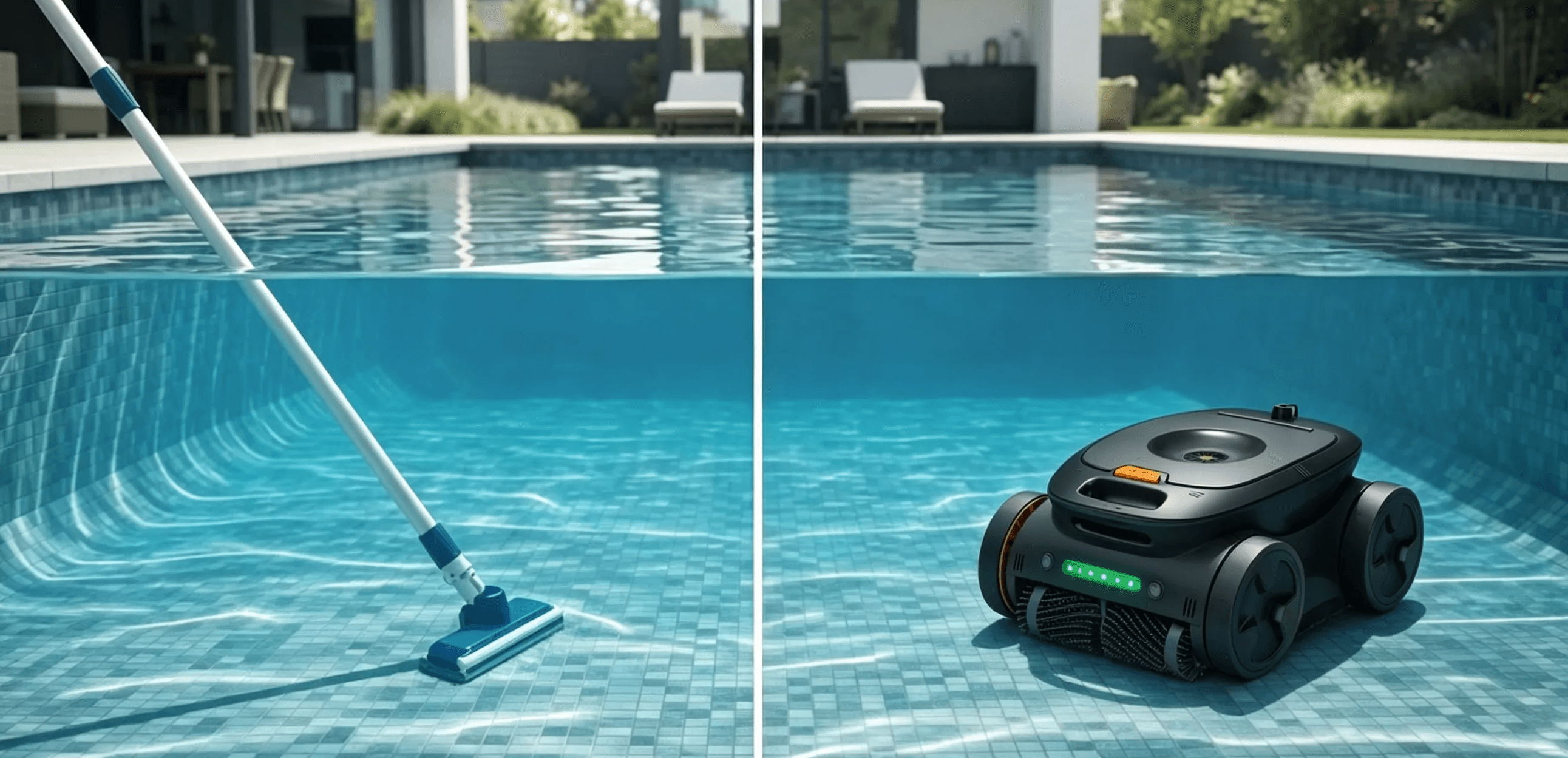
Pool cleaners and pool vacuums are both designed to remove dirt and debris from swimming pools, but they do not work in exactly the same way.
The main difference is how much of the cleaning process is automated. A traditional pool vacuum generally requires more direct operation, while a robotic pool cleaner works independently and follows its own cleaning cycle.
Understanding the differences between a robotic pool cleaner and a pool vacuum can help pool owners choose a cleaning method based on pool size, cleaning frequency, and how much manual work they are willing to handle.
What Is a Pool Vacuum?
A pool vacuum is a cleaning tool that removes debris from pool surfaces through suction. Depending on the type, it may be operated manually or connected to the pool's existing circulation system.
How a Pool Vacuum Works
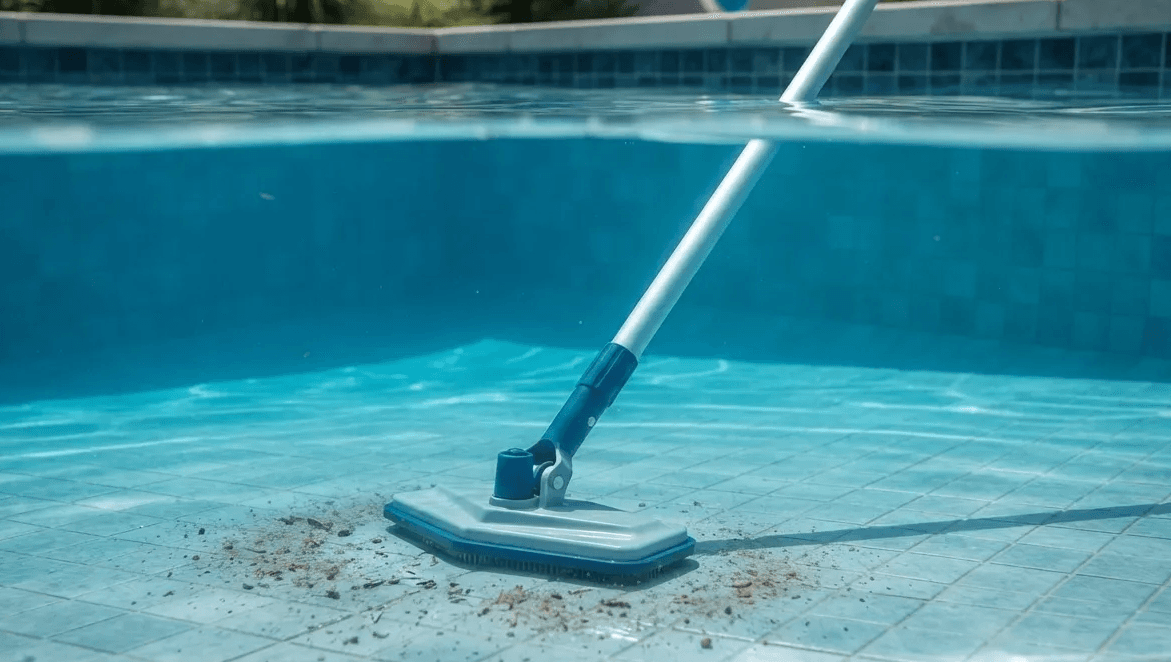
A pool vacuum uses suction to collect dirt, leaves, and other debris from the pool floor.
Manual pool vacuums generally require the user to move the cleaning head through the pool using a pole. Some automatic vacuum systems can operate with less direct intervention, but their operation depends on the specific system and pool setup.
When Does a Pool Vacuum Make Sense?
A pool vacuum can be useful when users want to clean a specific area or prefer direct control over the cleaning process.
It can also be a practical option for pools where occasional targeted cleaning is sufficient.
However, manual operation means that the user still needs to spend time moving and managing the equipment.
What Is a Robotic Pool Cleaner?
A robotic pool cleaner is a self-contained cleaning device designed to operate independently inside a swimming pool.
Unlike a traditional pool vacuum, it does not require the user to manually move the cleaning head throughout the pool during a normal cleaning cycle.
How a Robotic Pool Cleaner Works
A robotic pool cleaner uses its own motor, drive system, brushes, and debris collection system to clean the pool.
Depending on the model, it can move across the pool floor and may also clean walls or other surfaces. Some advanced models use intelligent navigation and multiple cleaning modes to improve coverage and reduce manual intervention.
What Makes Robotic Cleaning Different?
The main difference is automation.
Once a suitable cleaning mode is selected, a robotic pool cleaner can perform the cleaning cycle with limited user involvement. This makes it particularly useful for users who want regular pool maintenance without manually operating a vacuum each time.
Robotic Pool Cleaner vs Pool Vacuum: Key Differences
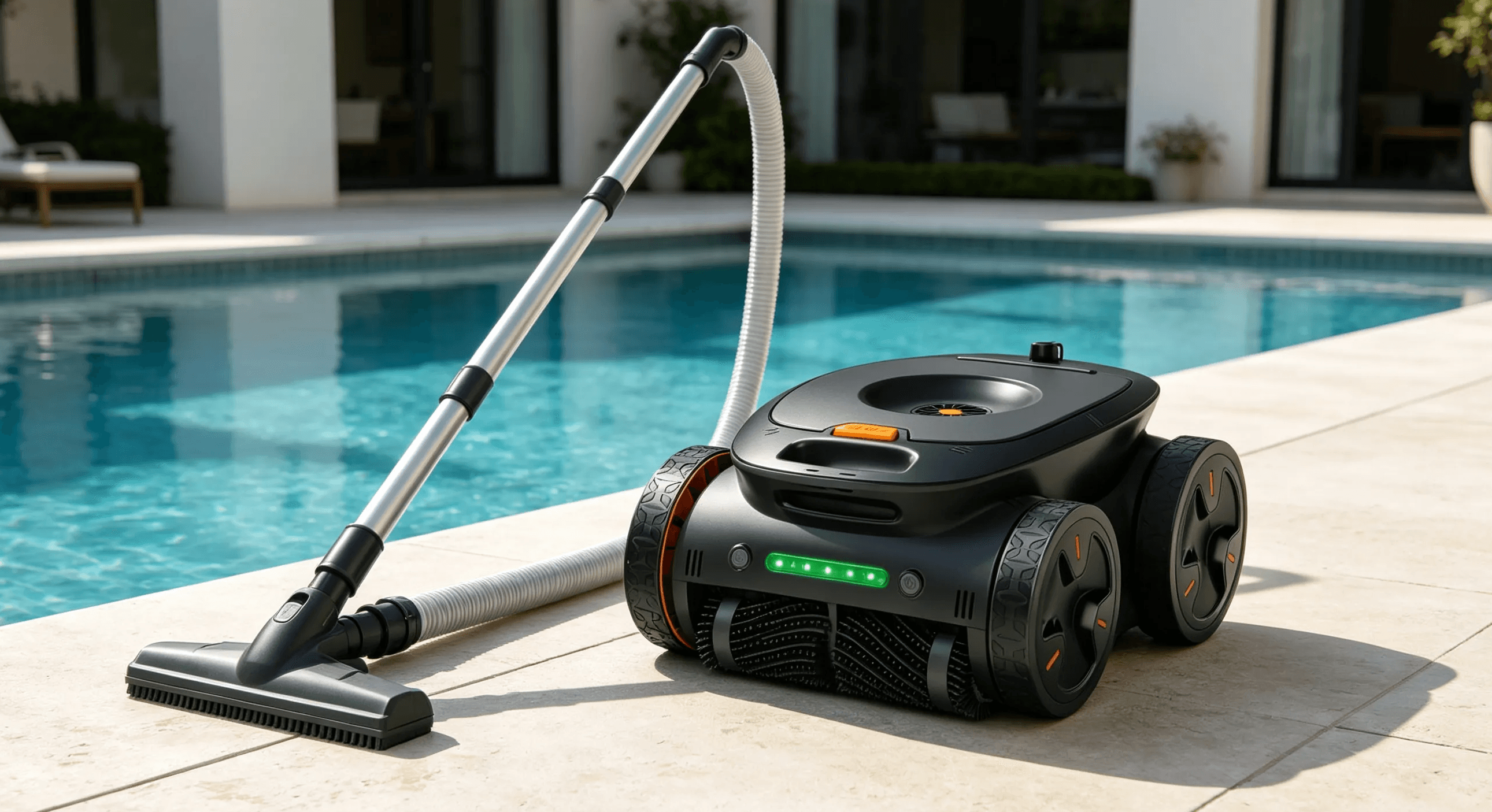
Although both systems remove debris from swimming pools, their operation and overall cleaning experience can be quite different.
Feature | Robotic Pool Cleaner | Pool Vacuum |
|---|---|---|
Operation | Mostly automated | Often requires manual operation |
Power | Built-in power system | May use external suction or pool equipment |
Cleaning | Runs through a programmed cleaning cycle | User directs the cleaning head or system |
Debris collection | Often has its own filter or debris container | Depends on the vacuum system |
Pool coverage | Designed for systematic cleaning | Often better suited to targeted cleaning |
User involvement | Lower | Generally higher |
Cleaning Method
A pool vacuum primarily relies on suction to remove debris from the pool surface.
A robotic pool cleaner combines suction, brushes, movement, and debris collection. This allows it to perform several cleaning functions during the same cleaning cycle rather than simply pulling debris through a vacuum head.
Automation and Operation
This is one of the clearest differences.
With a manual pool vacuum, the user needs to guide the cleaning head through the pool. A robotic pool cleaner can move independently after the cleaning cycle has been started.
For users who clean their pools frequently, reducing manual operation can make a noticeable difference in convenience.
Pool Coverage
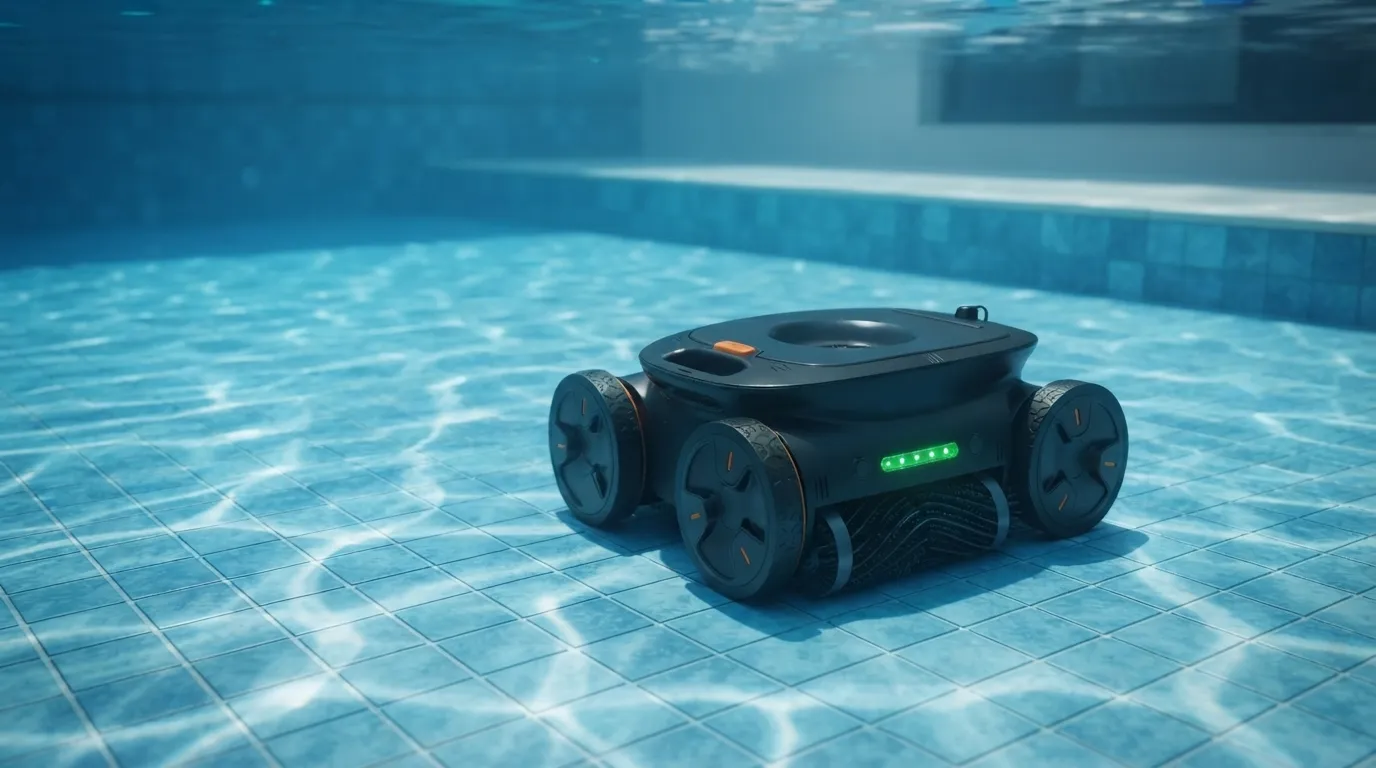
Coverage depends on the specific model, but robotic pool cleaners are generally designed to move systematically across larger areas of the pool.
Some models can also handle walls or other surfaces, while a traditional vacuum may be primarily used for targeted floor cleaning.
Which One Should You Choose?
The better option depends on how you use and maintain your pool.
Choose a Pool Vacuum
A pool vacuum may be suitable if you prefer direct control or only need to clean specific areas occasionally.
It can also make sense when manual cleaning is already part of your regular pool maintenance routine.
Choose a Robotic Pool Cleaner
A robotic pool cleaner may be a better fit if you want more automated and consistent cleaning with less manual work.
It can be particularly useful for users who want to schedule or regularly repeat cleaning cycles and reduce the time spent manually cleaning the pool.
How Purily Hydro Fits Robotic Pool Cleaning
Purily Hydro combines automated movement, debris collection, and flexible control features to simplify routine pool cleaning.
Automated Cleaning and Intelligent Movement
The cleaner can operate through automatic cleaning modes and uses intelligent path planning to improve movement and coverage.
Its four-wheel drive system also supports stable movement across the pool surface.
Flexible Cleaning and Control
Purily Hydro supports multiple operating options, including app control, remote operation, and different cleaning modes.
Its dual intake system helps collect pool debris, while low-power docking can make retrieval more convenient when the battery level becomes low.
Frequently Asked Questions
Q1: Is a robotic pool cleaner the same as a pool vacuum?
A: No. Both are used to remove pool debris, but a robotic pool cleaner is a self-contained system that can move and clean independently, while many pool vacuums require manual operation or connection to a pool circulation system.
Q2: Is a robotic pool cleaner better than a pool vacuum?
A: Neither is automatically better for every pool. A robotic pool cleaner is generally more convenient for automated routine cleaning, while a pool vacuum can be useful for targeted or manually controlled cleaning.
Q3: Can a pool vacuum clean walls?
A: Some specialized systems may clean walls, but capabilities vary. Users should check the specifications of the particular vacuum rather than assume that every model can handle vertical surfaces.
Q4: Do robotic pool cleaners need a pool pump?
A: Many robotic pool cleaners operate independently of the pool's main circulation system because they have their own motor and cleaning system. This differs from some automatic pool vacuums that rely on the pool's circulation equipment.
Q5: Which is easier to use, a pool vacuum or robotic cleaner?
A: A robotic pool cleaner generally requires less manual effort because it can move and clean independently. A traditional manual vacuum requires the user to guide the equipment through the pool.
Conclusion
The main difference between a robotic pool cleaner and a pool vacuum is the level of automation and how the cleaning system operates.
A pool vacuum can be useful for targeted cleaning and users who prefer direct control. A robotic pool cleaner is designed for more independent operation and can combine movement, brushing, suction, and debris collection in one system.
For users looking to reduce manual pool maintenance and establish a more consistent cleaning routine, a robotic pool cleaner may offer a more convenient solution.