Are Robotic Pool Cleaners Worth It? The Ultimate 2026 Guide
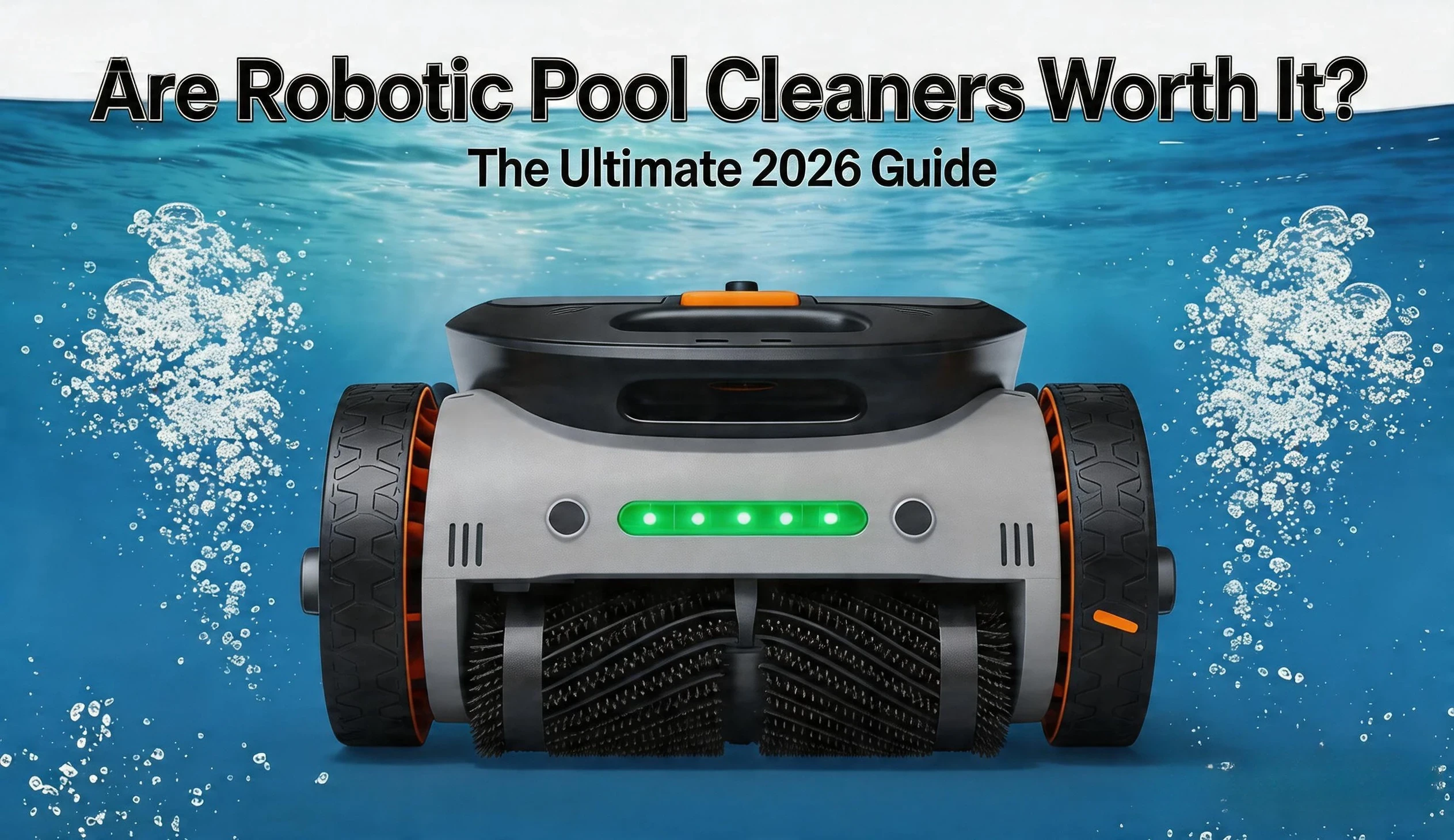
Owning a swimming pool is often associated with relaxation, comfort, and a better lifestyle. But behind every clean, inviting pool is a consistent routine of maintenance—one that many pool owners underestimate.
From brushing algae off walls to vacuuming debris and managing filtration systems, traditional pool cleaning can quickly turn into a weekly burden.
This is exactly why robotic pool cleaners have become one of the fastest-growing upgrades in modern pool care.
But before making the investment, one critical question remains:
Are robotic pool cleaners really worth it in 2026?
In this in-depth guide by PURILY, we go beyond marketing claims to analyze:
Real performance capabilities
Long-term cost vs value
Pros and limitations
Who should (and shouldn’t) buy one
How robotic cleaners compare to traditional systems
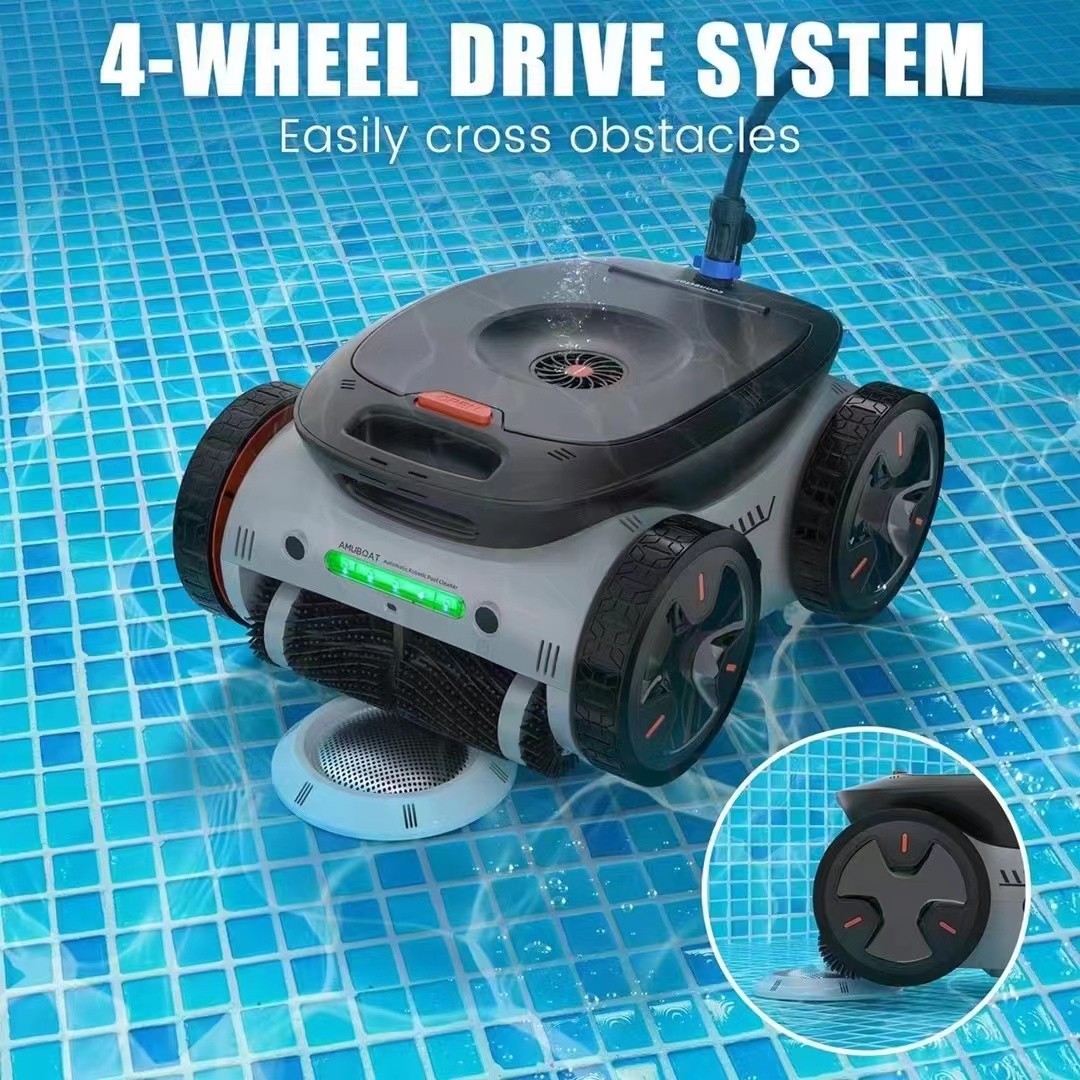
What Is a Robotic Pool Cleaner?
A robotic pool cleaner is a self-contained, automated device that cleans your pool independently from your filtration system.
Unlike traditional cleaners, it:
Has its own motor and filtration
Does not rely on suction or pressure from your pool pump
Uses intelligent navigation to clean surfaces efficiently
It functions more like a smart appliance than a simple cleaning tool.
Why Pool Owners Are Switching to Robotic Cleaners
Over the past few years, pool maintenance has shifted from manual labor to automation. This transition is driven by three major factors:
1. Time Efficiency
Modern homeowners value convenience. Spending hours cleaning a pool manually is no longer acceptable for many.
2. Energy Awareness
Running a pool pump for extended periods increases electricity costs significantly.
3. Smart Technology Adoption
Consumers now expect automation in everything—from home lighting to cleaning systems.
Robotic pool cleaners sit at the intersection of these trends.
The Real Answer: Are Robotic Pool Cleaners Worth It?
Short Answer: Yes—for most pool owners
However, the real answer depends on your expectations.
They are worth it if you prioritize:
Time savings
Convenience
Consistent cleaning quality
They may be less ideal if you prioritize:
Lowest upfront cost
Minimal technology use
Key Benefits of Robotic Pool Cleaners
1. Massive Time Savings
Manual pool cleaning typically involves:
Skimming debris
Brushing surfaces
Vacuuming floors
Monitoring filtration cycles
This can easily take 2–4 hours per week.
With a robotic cleaner:
Drop it in
Press start
Let it run
Result: You reclaim dozens of hours annually.
2. Independent System = Lower Wear on Pool Equipment
Traditional cleaners rely heavily on:
Pool pumps
Filtration systems
This leads to:
Increased wear and tear
Higher maintenance costs
Reduced equipment lifespan
Robotic cleaners operate independently, which:
Protects your existing equipment
Reduces system strain
Improves long-term reliability
3. Superior Energy Efficiency
Energy consumption is a hidden cost many pool owners overlook.
Robotic cleaners are designed to:
Use low-voltage power
Operate efficiently in short cycles
Compared to running a pool pump for extended cleaning sessions, robotic cleaners consume significantly less energy.
Over time, this translates into noticeable cost savings.
4. Advanced Cleaning Coverage
High-quality robotic cleaners can clean:
Pool floors
Walls
Waterlines
They use intelligent navigation systems to:
Map cleaning paths
Avoid redundant movement
Maximize coverage
This results in:
Fewer missed areas
More consistent cleaning cycles
Better overall pool hygiene
5. Built-In Filtration Enhances Water Quality
Unlike traditional systems, robotic cleaners:
Capture debris internally
Prevent clogging of pool filters
They are effective at removing:
Fine dust particles
Leaves and debris
Algae buildup
This reduces:
Filter cleaning frequency
Chemical imbalance issues
Overall maintenance workload
6. Improved User Experience
Modern robotic cleaners are designed with usability in mind:
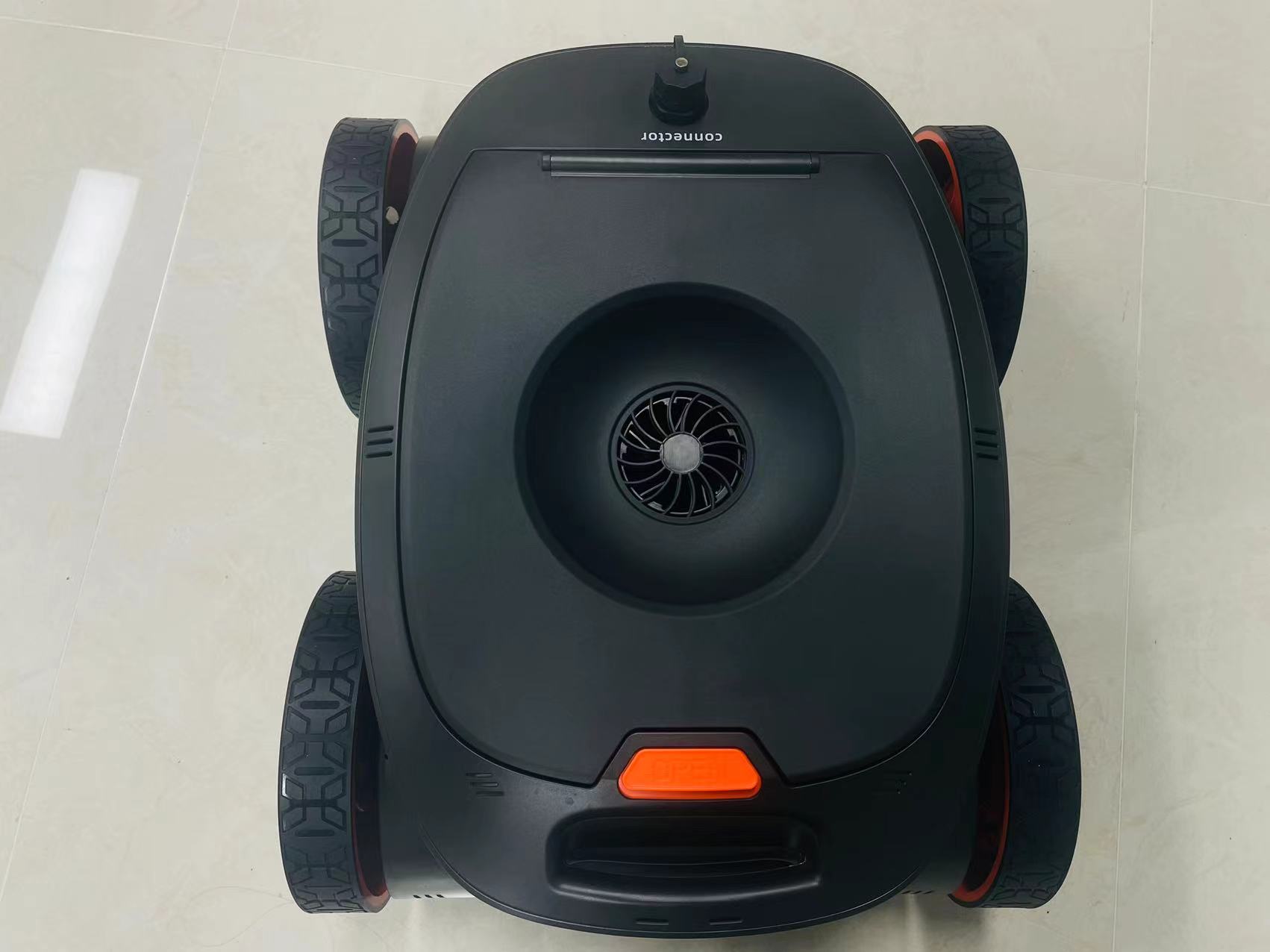
Simple plug-and-play setup
Lightweight and portable
Minimal supervision required
Some models even include:
Smart scheduling
App-based control
Remote monitoring
Real Cost Analysis: Are They Worth the Investment?
Upfront Cost vs Long-Term Value
Yes, robotic pool cleaners cost more initially.
However, evaluating only the purchase price is misleading.
Long-Term Savings Breakdown
Over 2–3 years, robotic cleaners can reduce:
1. Electricity Costs
Less reliance on pool pumps = lower energy bills
2. Maintenance Costs
Reduced wear on filtration systems
3. Water Usage
Less frequent backwashing = water savings
4. Labor Costs
Less manual cleaning or professional servicing
Time = Money
If your time has value (and it does), robotic cleaners deliver strong ROI by eliminating repetitive manual tasks.
Limitations of Robotic Pool Cleaners
To make an informed decision, you need a balanced view.
1. Higher Initial Investment
This is the biggest barrier.
However, it should be evaluated against:
Long-term savings
Reduced effort
Improved convenience
2. Routine Maintenance Required
You still need to:
Empty debris baskets
Rinse filters
Perform occasional inspections
Maintenance is minimal—but not zero.
3. Storage Considerations
For optimal lifespan:
Do not leave the unit in the pool permanently
Store it properly after use
This protects internal components from chemical exposure.
4. Navigation Is Not Perfect
Even advanced systems:
May miss small spots
Require multiple cycles for complete coverage
That said, overall performance is still far superior to manual cleaning.
Robotic vs Traditional Pool Cleaners (Detailed Comparison)
Feature | Robotic Cleaner | Suction Cleaner | Pressure Cleaner |
|---|---|---|---|
Installation | Easy | Moderate | Complex |
Energy Efficiency | High | Medium | Low |
Cleaning Coverage | Full (floor/wall/waterline) | Limited | Moderate |
Dependence on Pool System | None | High | Medium |
Maintenance Effort | Low | Medium | Medium |
Long-Term Cost | Lower | Medium | Higher |
Conclusion:
Robotic cleaners offer the best balance of performance, efficiency, and convenience.
Who Should Buy a Robotic Pool Cleaner?
Ideal Buyers
You should consider one if you:
Own a medium to large pool
Want to automate maintenance
Value time and convenience
Prefer consistent cleaning quality
Less Suitable Buyers
You may not need one if:
Your pool is very small
You rarely use your pool
You prefer the lowest-cost solution
You don’t mind manual cleaning
Common Misconceptions About Robotic Pool Cleaners
Myth 1: They Replace All Maintenance
Reality: They reduce maintenance significantly—but don’t eliminate it entirely.
Myth 2: They Clean Perfectly Every Time
Reality: No system is perfect, but performance is consistently high.
Myth 3: They Are Too Complicated
Reality: Most modern units are simple and user-friendly.
Why Choose PURILY Robotic Pool Cleaners
At PURILY, our focus is not just automation—but practical performance and reliability.
1. Smart Navigation Efficiency
Designed to optimize cleaning paths for maximum coverage with minimal energy waste.
2. Durable and Reliable Design
Engineered for long-term use in real-world pool conditions.
3. User-Centered Experience
Easy setup, intuitive operation, and minimal maintenance requirements.
4. Balanced Performance
PURILY products are built to deliver:
Strong cleaning capability
Energy efficiency
Long-term value
2026 Trend: The Future of Pool Cleaning
The industry is moving toward:
Fully automated maintenance systems
AI-assisted navigation
Energy-efficient operation
Smart home integration
Robotic pool cleaners are no longer a luxury—they are becoming the standard.
Final Verdict: Are Robotic Pool Cleaners Worth It?
Yes—especially for modern pool owners
They provide:
Significant time savings
Lower long-term costs
Better cleaning performance
Improved overall convenience
Bottom Line
If you want:
A consistently clean pool
Less manual effort
More time to enjoy your space
Then investing in a robotic pool cleaner is a smart and practical decision.
With PURILY, you’re not just buying a cleaner—you’re upgrading your entire pool maintenance experience.
FAQ
Do robotic pool cleaners save money?
Yes, they reduce energy use, maintenance costs, and manual labor over time.
How long do robotic pool cleaners last?
Typically 3–5 years, depending on usage and maintenance.
Can robotic pool cleaners clean walls?
Yes, most advanced models clean floors, walls, and waterlines.
Are they better than suction cleaners?
In most cases, yes—especially in efficiency, coverage, and convenience.