How Often Should You Vacuum a Pool? A Practical Cleaning Guide

Introduction
Regular pool vacuuming helps remove dirt and debris that settle on the pool floor and are not always captured by the filtration system.
For many residential pools, vacuuming once a week is a reasonable starting point. However, there is no single schedule that works for every pool. Pools with frequent use, nearby trees, heavy dust, or seasonal debris may need more frequent cleaning.
The right vacuuming frequency depends on how quickly debris builds up and how well the pool's other cleaning systems are working.
How Often Should You Vacuum a Pool?
For a typical residential pool, vacuuming about once a week can help maintain a clean pool floor.
For Regularly Used Residential Pools
Pools that are used several times a week may accumulate sunscreen residue, dirt, and other particles more quickly.
In these cases, weekly vacuuming can provide a practical routine. If visible debris starts building up between cleaning sessions, the frequency can be increased as needed.
For Pools With Heavy Debris
Pools surrounded by trees, gardens, or dusty outdoor areas may require more frequent vacuuming.
Leaves, fine particles, and other debris can settle on the pool floor after windy weather or storms. Checking the pool regularly makes it easier to adjust the cleaning schedule instead of following a fixed routine.
What Affects Pool Vacuuming Frequency?
The ideal schedule depends on several conditions rather than simply the size of the pool.
Pool Usage
More swimmers generally means more contaminants entering the water and more particles settling on pool surfaces.
A pool used occasionally may require less frequent vacuuming than one used by a family several times a week.
Weather and Surrounding Environment
Wind, rain, storms, and nearby vegetation can significantly increase the amount of debris entering a pool.
If the pool is located near trees or exposed outdoor areas, checking for debris after windy weather can help determine when additional cleaning is needed.
What Are the Signs That a Pool Needs Vacuuming?
Instead of relying only on a fixed weekly schedule, pool owners can also look at the condition of the pool.
Visible Dirt and Debris
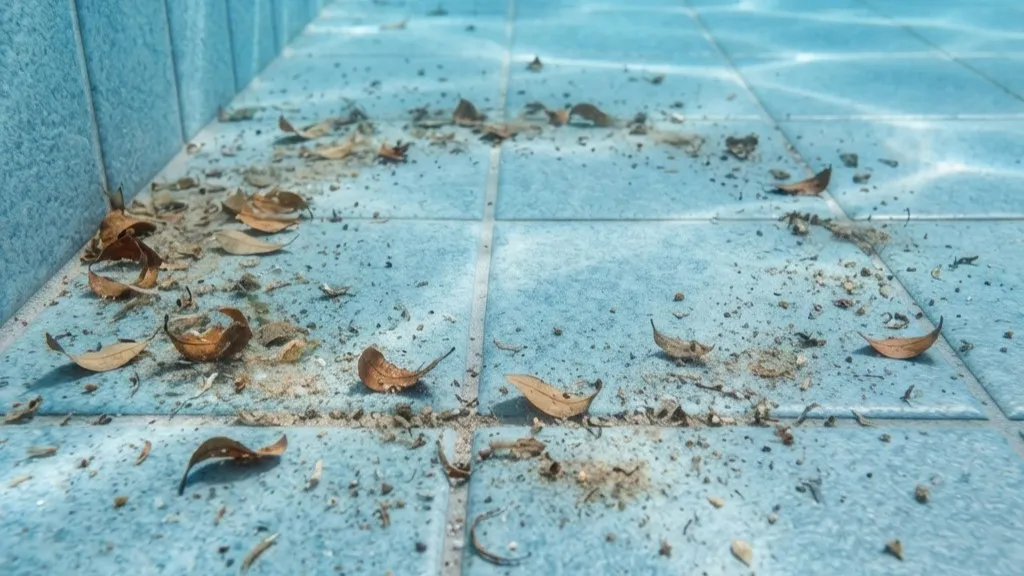
Leaves, sand, insects, and other debris on the pool floor are clear signs that vacuuming may be needed.
If debris appears shortly after cleaning, the pool may benefit from a more frequent cleaning routine.
Debris Collecting in Specific Areas
Dirt often settles in areas where water movement is weaker, such as corners, along steps, or near certain pool edges.
These areas may need additional attention even when the rest of the pool looks clean.
Can a Robotic Pool Cleaner Reduce Manual Vacuuming?
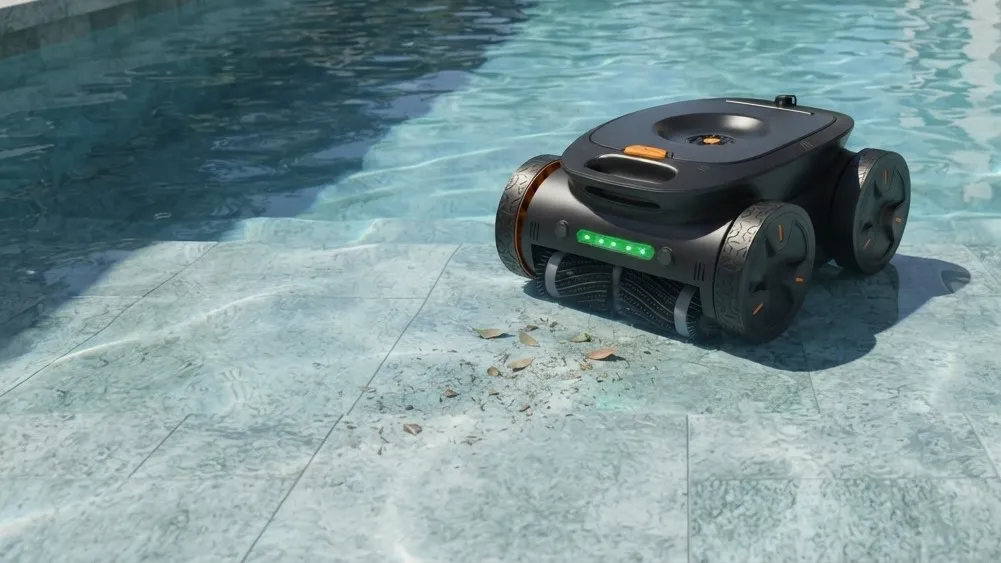
A robotic pool cleaner can reduce the need for frequent manual vacuuming by handling routine cleaning automatically.
Automated Routine Cleaning
Instead of manually moving a vacuum across the pool floor, a robotic cleaner can run through a programmed cleaning cycle and collect debris using its own cleaning and filtration system.
This can make regular maintenance more convenient, particularly for pools that need frequent cleaning.
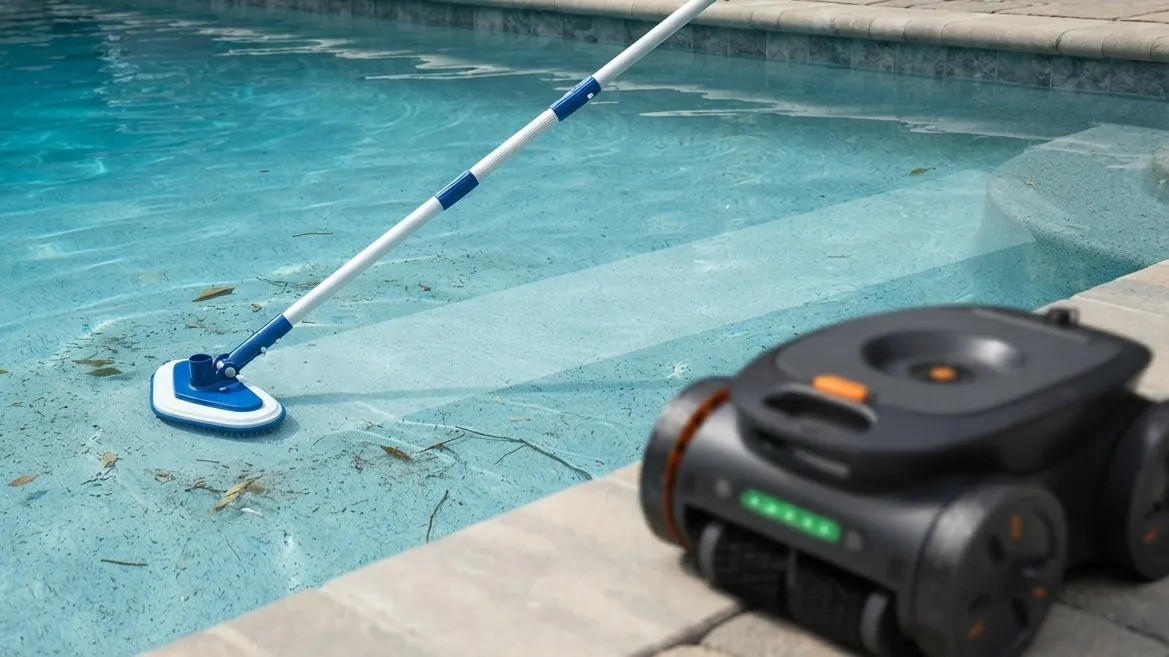
When Manual Vacuuming Is Still Useful
A robotic pool cleaner does not necessarily eliminate every type of manual cleaning.
Manual vacuuming can still be useful for quickly removing a large amount of debris after a storm or reaching areas that a particular robotic cleaner cannot access effectively.
Using both methods when necessary can provide more flexibility for different cleaning situations.
How Often Should You Vacuum Different Types of Pools?
There is no universal schedule, but a simple routine can help users determine where to start.
Pool Condition | Suggested Vacuuming Frequency |
|---|---|
Lightly used pool with little debris | About once a week or as needed |
Regularly used residential pool | About once a week |
Pool near trees or dusty areas | 1–2 times a week or as needed |
Heavy debris after storms | Vacuum when necessary |
Frequently used pool | Adjust based on visible debris and water conditions |
These are general guidelines rather than strict requirements. The actual cleaning frequency should be adjusted according to the pool's condition and surrounding environment.
Frequently Asked Questions
Q1: How often should you vacuum a pool?
A: For a typical residential pool, vacuuming about once a week is a practical starting point. Pools with heavier use or more debris may need more frequent cleaning.
Q2: Is it OK to vacuum a pool every day?
A: Daily vacuuming is usually unnecessary for most residential pools. It may be useful when the pool receives heavy use or accumulates significant debris.
Q3: Should you vacuum a pool before or after swimming?
A: Vacuuming before swimming can remove settled debris and leave the pool floor cleaner. If substantial debris enters the pool during use, an additional cleaning afterward may also be helpful.
Q4: How often should you vacuum a pool in summer?
A: Pools often require more frequent cleaning during periods of heavy use and warmer weather. Checking the pool regularly and adjusting the schedule based on debris is more useful than following a fixed summer schedule.
Q5: Can a robotic pool cleaner replace pool vacuuming?
A: A robotic pool cleaner can reduce the need for manual vacuuming by handling routine debris removal automatically. However, manual vacuuming may still be useful for certain areas or unusually heavy debris.
Conclusion
For many residential pools, once-a-week vacuuming is a reasonable starting point, but the ideal frequency depends on pool usage, surrounding conditions, and how quickly debris accumulates.
Pools near trees or exposed to heavy outdoor debris may need additional cleaning, while lightly used pools may require less frequent attention.
A robotic pool cleaner can also reduce the amount of manual vacuuming needed by handling routine cleaning automatically. The goal is not to follow a rigid schedule, but to maintain a cleaning routine that matches the actual condition of the pool.