How Robotic Pool Cleaner Filters Work: Understanding Filter Types and Maintenance
Introduction
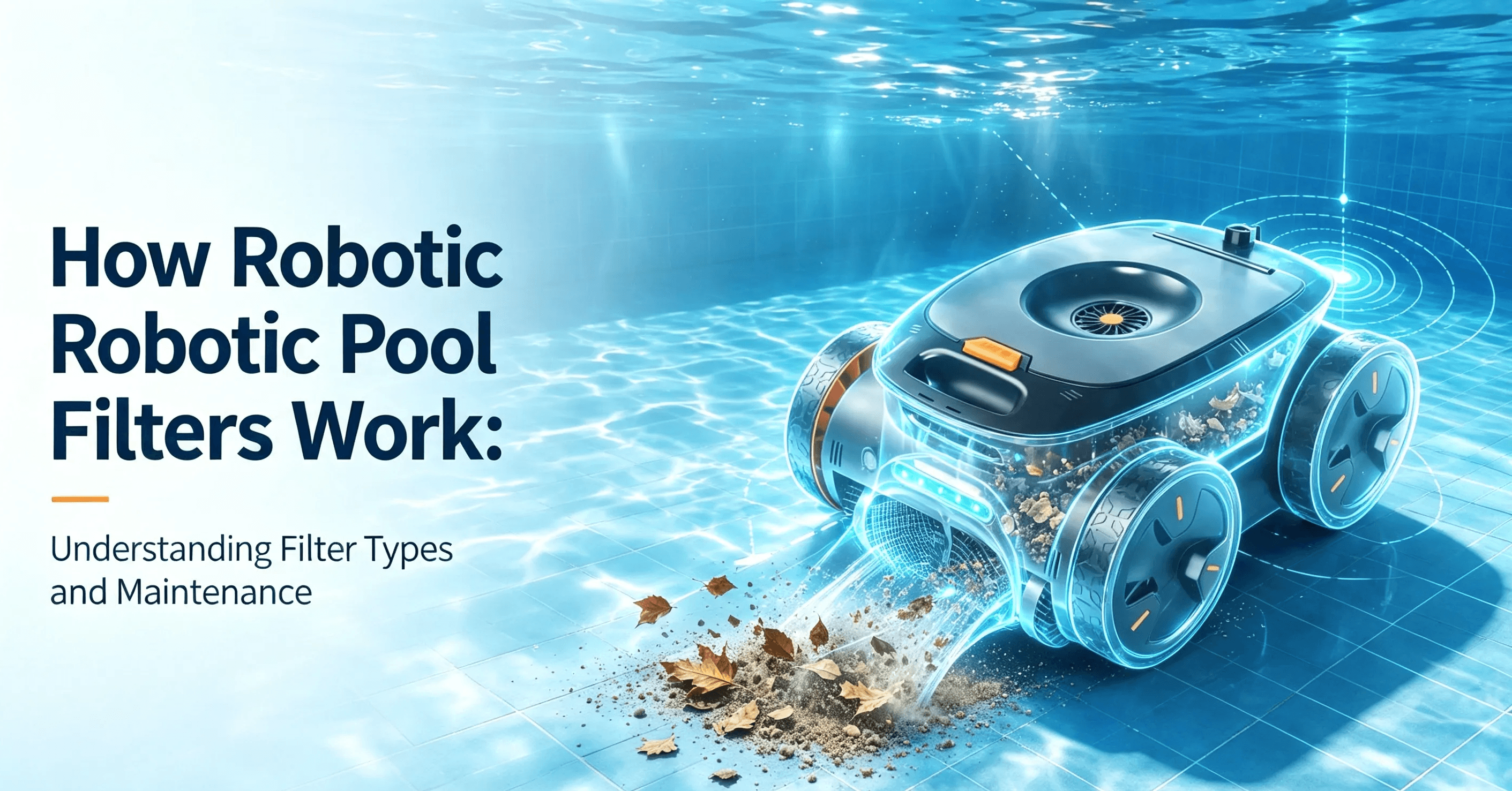
A robotic pool cleaner’s filtration system plays an important role in handling the debris collected during cleaning. After unwanted particles are removed from pool surfaces, the filter determines how effectively these materials are captured and stored.
Different pools contain different types of contaminants, from leaves and insects to dust and fine particles. A suitable filtration system helps robotic cleaners manage these materials more efficiently while maintaining stable cleaning performance.
Understanding how robotic pool cleaner filters work can help users choose the right equipment and develop better maintenance habits.
Why Filtration Is Important in Robotic Pool Cleaners
The filtration system is responsible for separating collected debris from the water inside the cleaner. While other components help the robot move and clean different areas of the pool, the filter determines how debris is retained after collection.
A well-designed filtration system allows a robotic cleaner to handle different debris conditions while reducing the need for frequent manual cleaning.
Capturing Different Types of Pool Debris
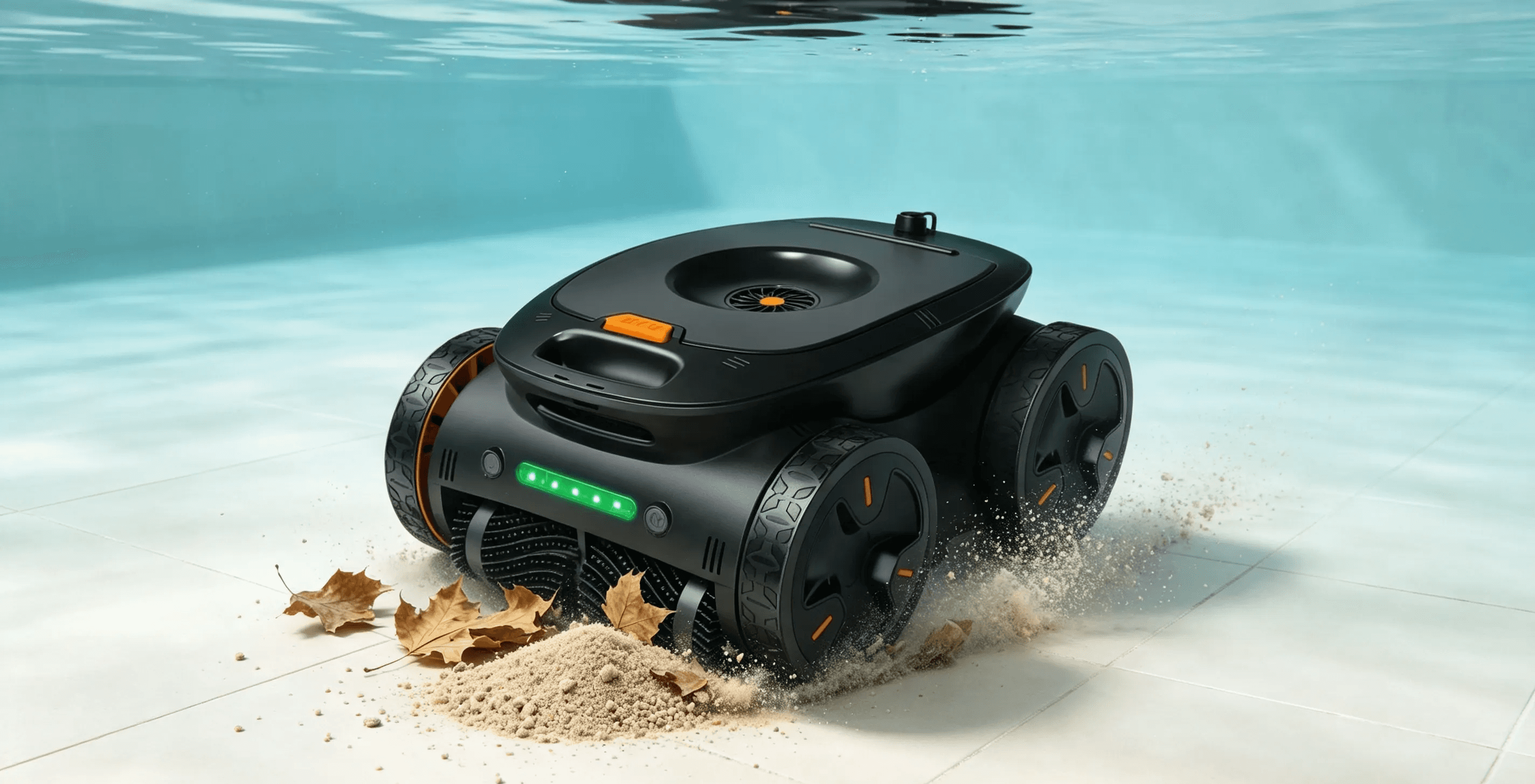
Pool debris can vary depending on the surrounding environment and usage conditions. Outdoor pools may collect larger debris such as leaves and insects, while dust, sand, and other fine particles can gradually build up over time.
Because different contaminants require different levels of filtration capability, robotic pool cleaners need filter systems that can balance debris collection and water flow.
For pools exposed to frequent dust or fine particles, filtration performance becomes especially important because these contaminants can be more difficult to capture and remove.
Supporting Consistent Cleaning Performance
A reliable filtration system helps maintain stable cleaning performance throughout the cleaning cycle. When collected debris is properly stored inside the filter, the robot can continue operating without unnecessary interruptions.
Regular filter maintenance also becomes easier because users can remove accumulated debris directly from the filter basket instead of manually cleaning the entire pool.
How Robotic Pool Cleaner Filters Work
A robotic pool cleaner filter works by collecting debris inside a dedicated filtration area while allowing water to continue flowing through the cleaning system.
The filter design affects how efficiently the robot can separate unwanted particles from the water and store them during operation.
Separating Debris from Pool Water
The primary function of a robotic pool cleaner filter is to separate contaminants from the water collected during cleaning.
Larger debris such as leaves can usually be captured easily, while smaller particles require more precise filtration materials and structures. The filter design determines how effectively different particle sizes can be retained.
This allows robotic cleaners to handle a wider range of pool conditions and maintain better cleaning results over time.
Storing Collected Particles Inside the Filter
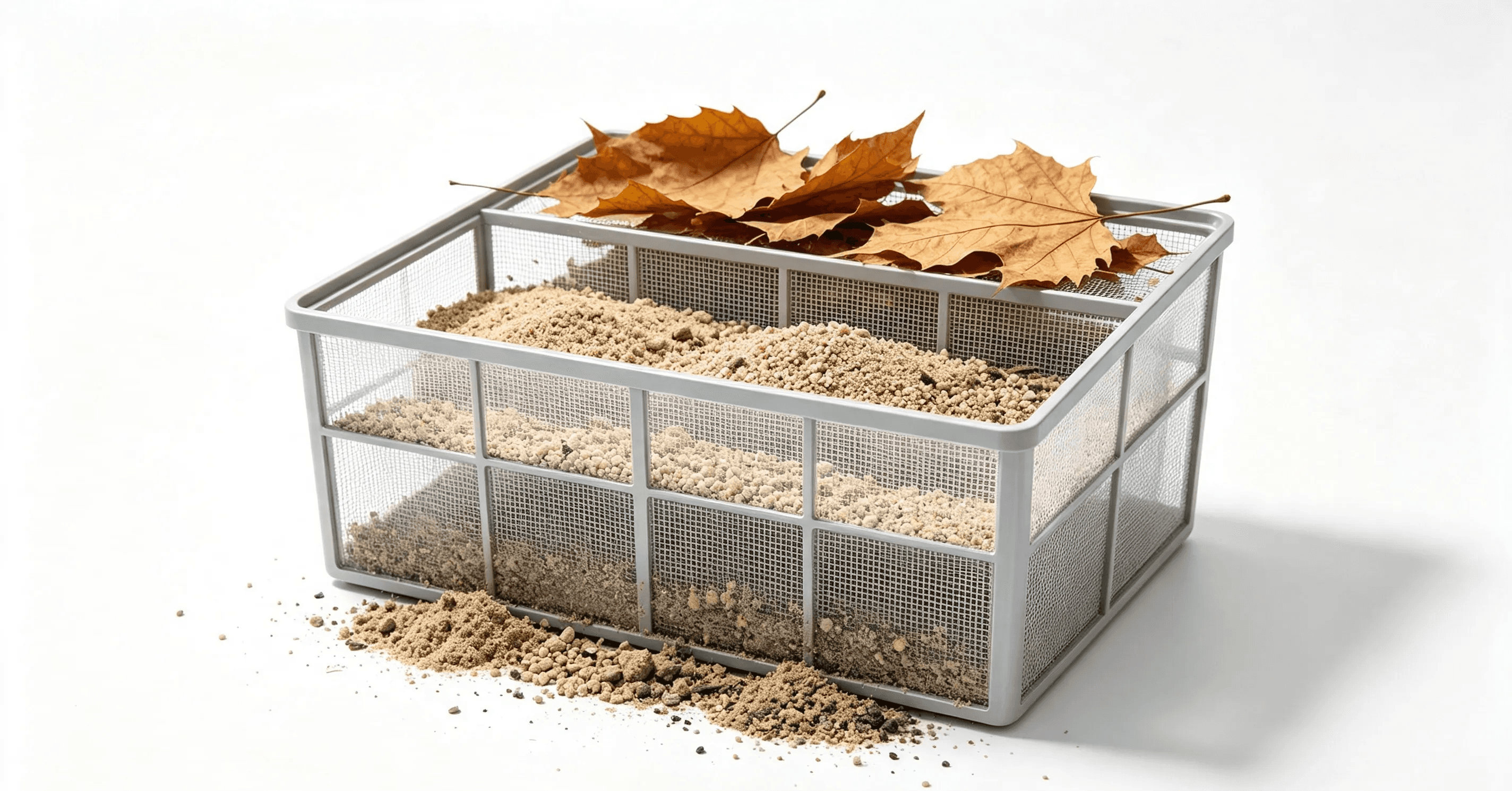
After debris is captured, it needs to remain inside the filter until the user removes and cleans it.
A practical filter design should provide sufficient storage capacity while remaining easy to access. This helps simplify maintenance and allows users to quickly prepare the cleaner for the next cleaning cycle.
Common Filter Types Used in Robotic Pool Cleaners
Different robotic pool cleaners may use different filtration designs based on the cleaning environment and the types of debris they need to handle. A suitable filter system should not only capture unwanted particles but also maintain stable performance during repeated cleaning cycles.
Understanding the differences between filter types can help users select a robotic cleaner that matches their pool conditions and maintenance needs.
Standard Filters for Larger Debris
Standard filtration systems are commonly designed to collect larger debris, such as leaves, insects, and other visible particles.
These filters usually focus on providing enough storage capacity and easy maintenance. For pools located near trees or outdoor areas with frequent debris, a filter with sufficient capacity can reduce the need for frequent cleaning.
However, larger debris is only one part of pool maintenance. Smaller particles may still remain in the water or settle on pool surfaces, which creates the need for more advanced filtration solutions.
Fine Filters for Smaller Particles
Fine filtration systems are designed to capture smaller contaminants, including dust, sand, and other tiny particles that may be difficult to remove.
These particles often require a more precise filtration structure because they can remain suspended in the water or accumulate gradually on pool surfaces.
For users who frequently deal with fine debris, filtration capability becomes an important consideration when choosing a robotic pool cleaner.
How to Maintain a Robotic Pool Cleaner Filter
Even with an advanced filtration system, regular maintenance is necessary to keep a robotic pool cleaner working effectively. During operation, collected debris gradually fills the filter, which may affect cleaning performance if it is not removed.
Proper filter care helps maintain water flow, reduce unnecessary strain on the cleaner, and extend the service life of the equipment.
Cleaning the Filter Basket Regularly
After cleaning sessions, users should check the filter basket and remove accumulated debris when needed.
Leaves, dust, and other particles stored inside the filter can reduce available capacity over time. Regular cleaning ensures that the filtration system remains ready for the next cleaning cycle.
The required cleaning frequency depends on factors such as pool environment, debris levels, and how often the robotic cleaner is used.
Preventing Filtration Performance Problems
A clogged or poorly maintained filter may reduce the efficiency of a robotic pool cleaner. When debris builds up inside the filter, water flow can become restricted and the cleaning process may become less effective.
Simple maintenance habits, such as regular inspection and cleaning of the filter, help prevent performance issues and support more reliable operation.
How Purily Hydro Uses Advanced Filtration Technology
Purily Hydro robotic pool cleaners combine filtration technology with other cleaning systems to improve overall cleaning efficiency.
The Hydro series features a dual intake trash collection system and double filtration design, helping collect different types of pool debris including dust, sand, and other contaminants. This approach supports more effective debris management during cleaning cycles.
Dual Intake Filtration for Better Debris Collection
The dual intake design provides additional pathways for debris collection, allowing water and particles to move through the cleaning system more efficiently.
By improving the collection process, this technology helps the cleaner handle different debris conditions while maintaining stable performance during operation.
Filtration as Part of a Complete Cleaning System
Filtration works together with other robotic cleaning technologies, including active scrubbing, four-wheel drive movement, and intelligent cleaning functions.
A complete cleaning system requires more than just capturing debris. The combination of collection, filtration, movement, and easy maintenance design helps robotic pool cleaners provide more consistent results for different pool environments.
Frequently Asked Questions
Q1: How often should I clean a robotic pool cleaner filter?
A: The cleaning frequency depends on the amount of debris collected and how frequently the cleaner is used. Pools with more leaves, dust, or fine particles may require more frequent filter maintenance.
Q2: Can robotic pool cleaners remove fine dust and sand?
A: Yes. Many robotic pool cleaners are designed to collect fine particles such as dust and sand, but the actual performance depends on the filtration design and the overall cleaning system.
Q3: Are larger filter baskets always better?
A: A larger filter basket can store more debris before cleaning is required, but filtration efficiency and ease of maintenance are also important factors.
Q4: What happens if a robotic pool cleaner filter is not cleaned regularly?
A: A dirty filter may reduce water flow and affect cleaning performance. Regular maintenance helps the cleaner operate more efficiently and consistently.
Q5: Do all robotic pool cleaners use the same filtration system?
A: No. Different robotic pool cleaners may use different filtration designs depending on their technology, target applications, and cleaning requirements.
Conclusion
The filtration system is an essential part of a robotic pool cleaner because it determines how collected debris is stored and managed. A suitable filter helps the cleaner handle different types of contaminants while maintaining reliable operation.
By understanding filtration technology and proper maintenance methods, users can better select and maintain robotic pool cleaners for long-term performance.