Do Robotic Pool Cleaners Work on All Pool Surfaces? A Complete Guide
Introduction
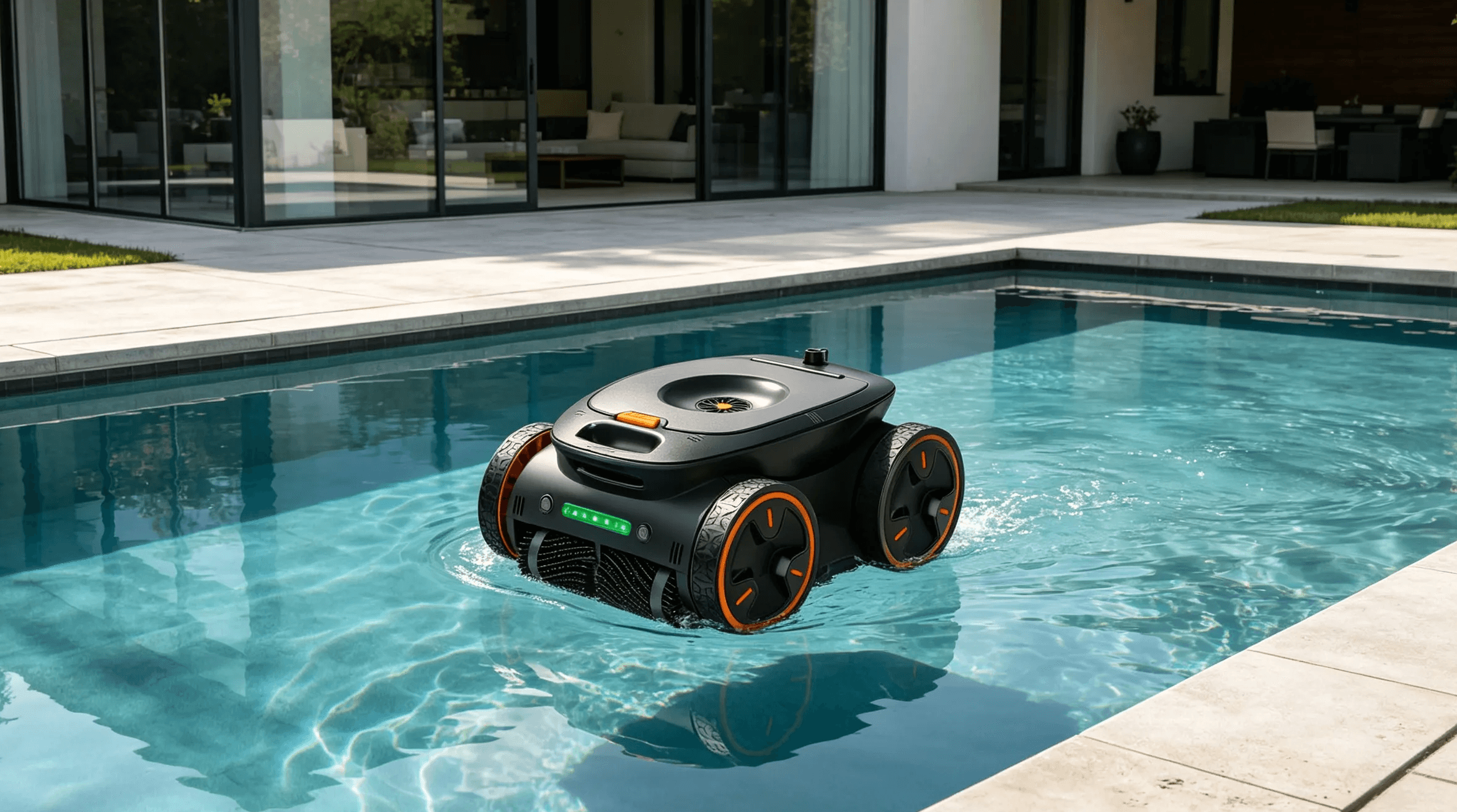
Choosing a robotic pool cleaner is not only about cleaning power, battery life, or smart features. The type of pool surface you have can also affect how well a robotic cleaner moves, scrubs, and collects debris.
Many pool owners wonder whether the same robotic pool cleaner can work effectively on every type of swimming pool. Concrete, fiberglass, vinyl liner, tile, and other pool finishes all have different textures and characteristics that may influence cleaning performance.
A robotic pool cleaner needs proper traction, suitable brushes, and reliable movement to maintain contact with the pool surface. A model that performs well on one type of pool may not deliver the same results on another.
Understanding how different pool surfaces affect robotic pool cleaner performance can help homeowners choose the right equipment and avoid problems such as poor coverage, reduced cleaning efficiency, or unnecessary wear.
What Pool Surfaces Can Robotic Pool Cleaners Handle?
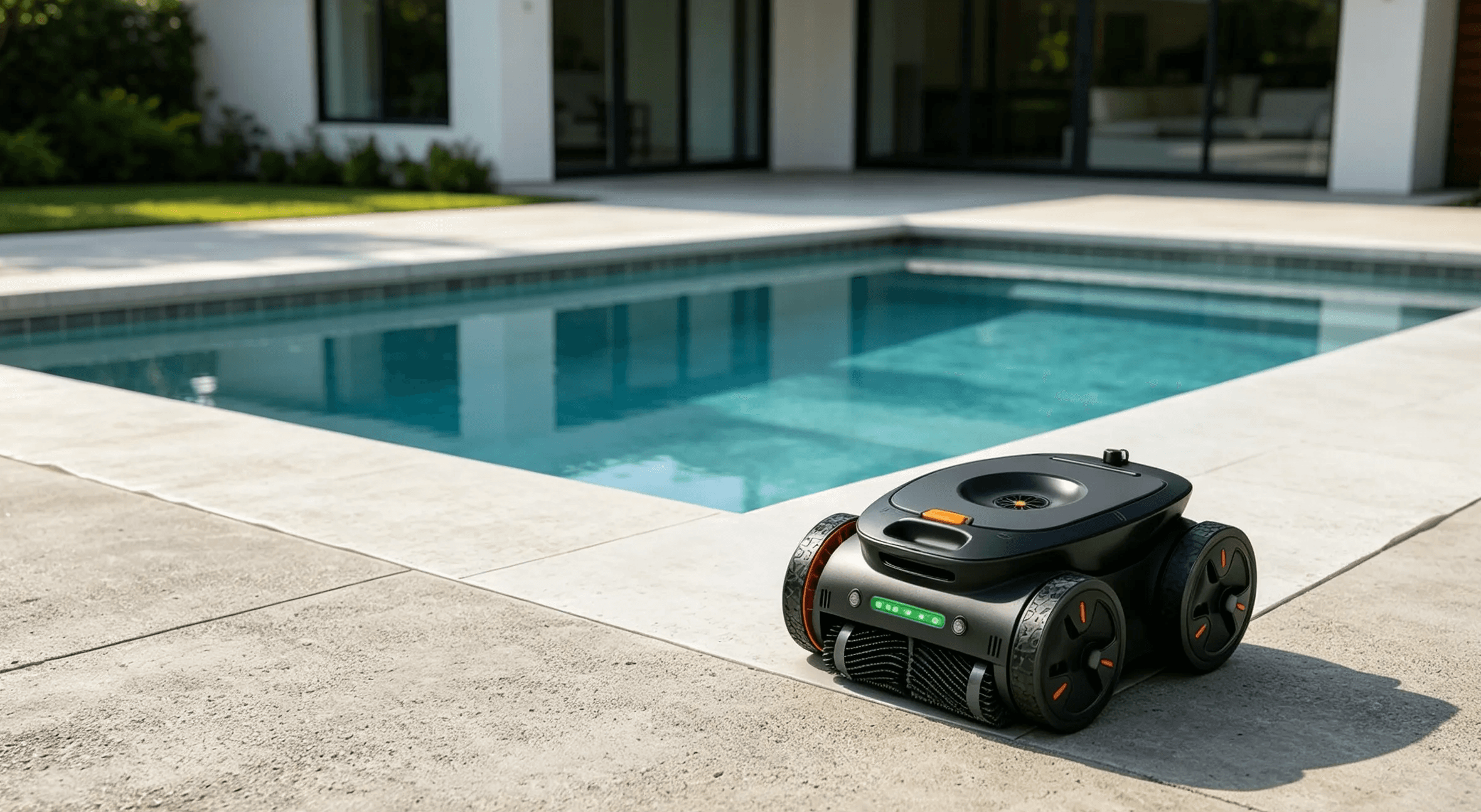
Most modern robotic pool cleaners are designed to work on a variety of residential pool surfaces. However, performance depends on factors such as surface texture, slope, water conditions, and the cleaner’s design.
Concrete Pool Surfaces
Concrete pools are one of the most common pool types and are generally compatible with many robotic pool cleaners.
Because concrete surfaces are usually durable and textured, robotic cleaners with strong traction systems and effective brushes can move across the pool floor while removing dirt and debris.
However, some concrete pools may have rough or uneven finishes that create additional challenges for movement and cleaning coverage. In these cases, choosing a cleaner with suitable brushes and strong climbing ability can improve performance.
Fiberglass Pool Surfaces
Fiberglass pools have a smooth, non-porous surface that is generally easier to clean compared with rougher pool finishes.
Robotic pool cleaners can often move smoothly across fiberglass surfaces because there is less surface resistance. However, the cleaner still needs appropriate brushes and navigation ability to cover the entire pool effectively.
Because fiberglass surfaces are smoother, maintaining consistent contact between the cleaner and the pool surface is important for effective debris collection.
Vinyl Liner Pool Surfaces
Vinyl liner pools require careful consideration when selecting a robotic pool cleaner.
The liner surface is softer compared with concrete or tile, so aggressive brushes or unsuitable cleaning mechanisms may create unnecessary wear over time.
A robotic cleaner designed for vinyl pools should provide effective cleaning while maintaining gentle contact with the liner. Pool owners should always check whether the cleaner is suitable for vinyl liner surfaces before purchase.
How Pool Surface Texture Affects Cleaning Performance
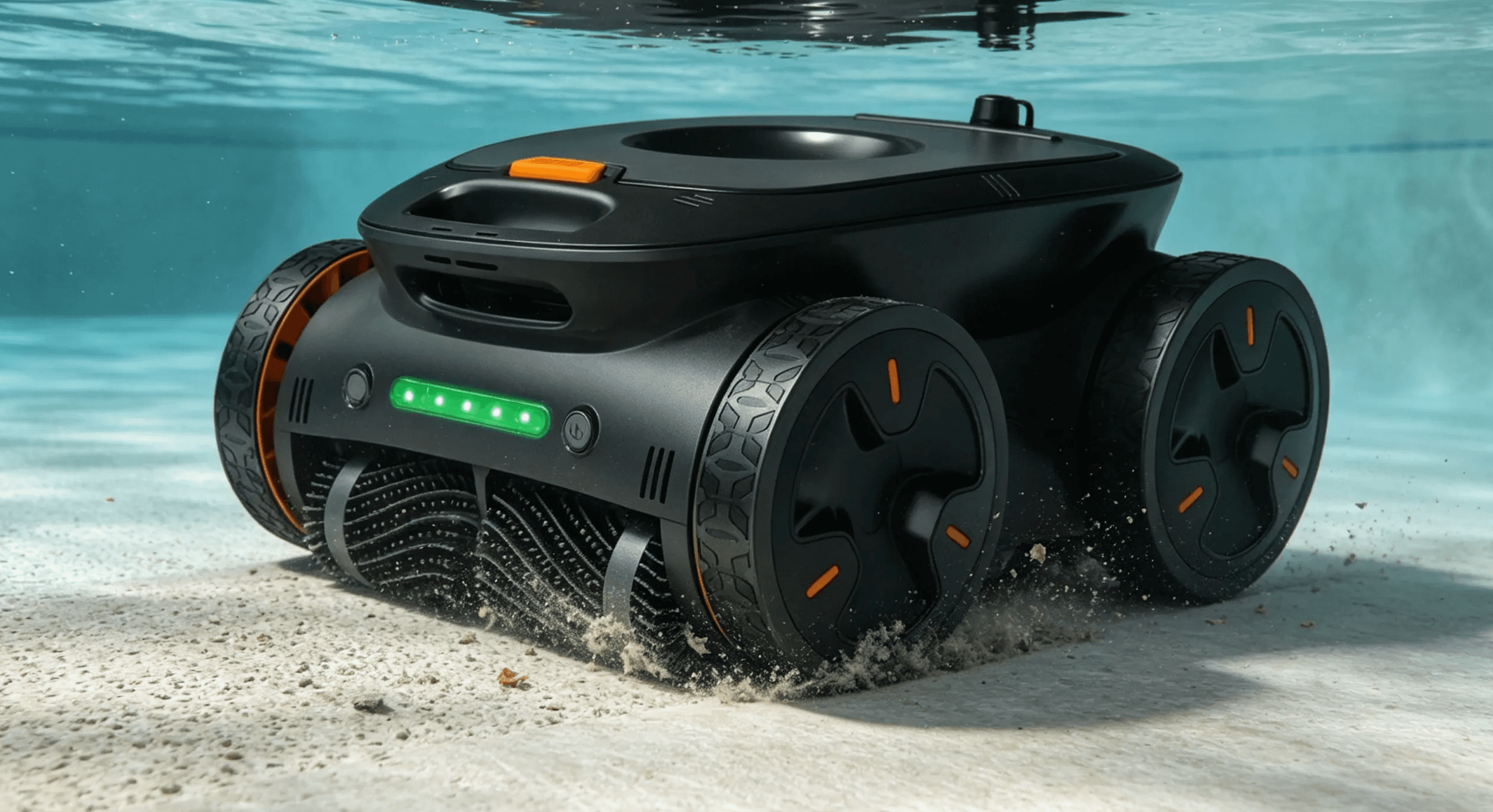
The surface material is only one factor that influences robotic pool cleaner performance. The texture and condition of the surface also play an important role.
Smooth vs Rough Pool Surfaces
Smooth surfaces such as fiberglass allow cleaners to move with less resistance, while rough surfaces may require stronger traction.
A robotic pool cleaner needs enough grip to:
Maintain stable movement
Follow programmed cleaning paths
Climb walls when supported
Keep brushes in contact with the surface
If the cleaner cannot maintain proper contact, it may leave areas of the pool uncleaned.
Surface Contact and Brush Design
Brushes are responsible for loosening dirt and helping the filtration system collect debris.
Different surfaces may require different brush materials:
Softer brushes may be better for delicate surfaces
More durable brushes may be suitable for textured surfaces
Specialized designs can improve cleaning performance on certain finishes
Selecting the right brush type helps balance effective cleaning with surface protection.
Do Robotic Pool Cleaners Work on Tile and Mosaic Pool Surfaces?
Tile and mosaic pools can usually be cleaned by robotic pool cleaners, but they may present unique challenges.
Tile Pool Floors
Tile surfaces are smooth and generally easy for robotic cleaners to travel across.
However, grout lines between tiles can collect dirt and algae, meaning effective brushing ability becomes important for maintaining a cleaner appearance.
Tile Pool Walls
For robotic cleaners with wall-climbing capability, tile walls may provide different levels of traction depending on the tile finish and water conditions.
A cleaner that works well on one tile surface may perform differently on another due to differences in texture and adhesion.
How to Choose a Robotic Pool Cleaner Based on Your Pool Surface
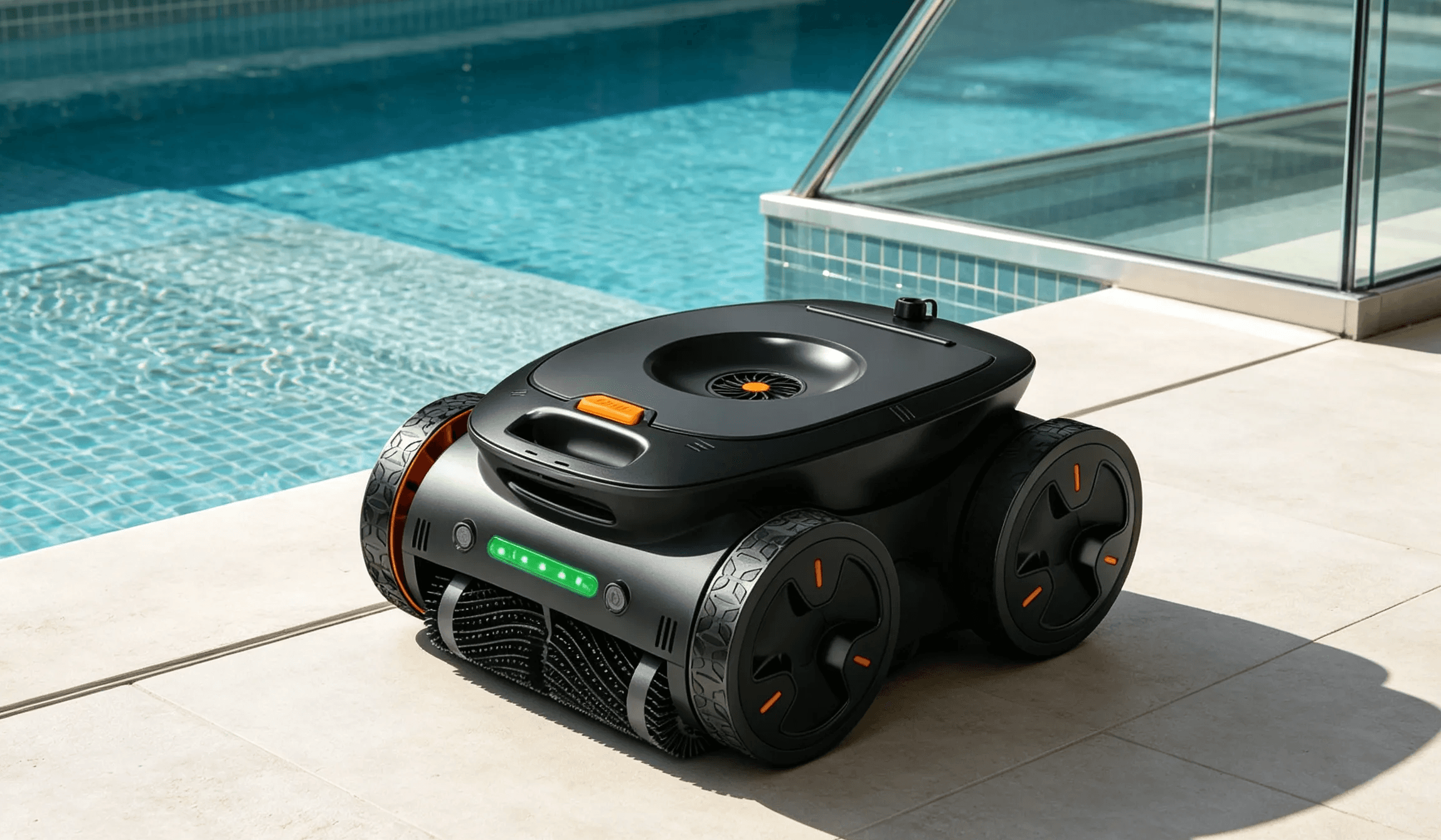
Choosing the right robotic pool cleaner requires more than looking at general features. The cleaner should match your pool’s surface type, design, and cleaning requirements.
Consider Brush Type and Surface Compatibility
The brush system is one of the most important factors when matching a robotic pool cleaner to a pool surface.
Pool owners should consider:
Whether the brushes are suitable for smooth or textured surfaces
Whether the brush material is gentle enough for delicate finishes
Whether the cleaner can effectively remove dirt without causing unnecessary wear
A suitable brush design helps the cleaner maintain contact with the pool surface while improving debris removal.
Check Traction and Movement Ability
A robotic pool cleaner needs reliable movement to cover the entire pool.
The traction system affects how well the cleaner can:
Move across different surfaces
Handle slopes and depth changes
Maintain contact with walls
Navigate corners and difficult areas
For pools with textured finishes or complex designs, stronger movement capability may be especially important.
Match the Cleaner to Your Pool Environment
The pool surface is not the only factor that affects cleaning performance.
Consider other conditions such as:
Pool shape and size
Amount of debris collected
Presence of steps or benches
Frequency of cleaning
Outdoor surroundings
A pool surrounded by trees may require stronger debris-handling ability, while a smaller indoor pool may have different cleaning requirements.
Can One Robotic Pool Cleaner Work on Multiple Pool Surfaces?
Many robotic pool cleaners are designed to handle multiple types of pool surfaces, making them suitable for different residential environments.
However, "multi-surface compatibility" does not mean every cleaner will perform equally well on every pool.
Why Surface Compatibility Matters
A cleaner that works effectively on one surface may perform differently on another because of differences in:
Surface texture
Water conditions
Pool design
Required traction
Understanding your specific pool conditions helps you select a cleaner that provides more consistent results.
Check Manufacturer Specifications
Before purchasing a robotic pool cleaner, always review the manufacturer’s recommendations.
Important specifications may include:
Recommended pool surfaces
Brush compatibility
Wall-climbing capability
Cleaning coverage
Suitable pool types
This helps avoid choosing a cleaner that does not match your pool’s requirements.
Frequently Asked Questions
Q1: Can a robotic pool cleaner work on a concrete pool?
A: Yes. Many robotic pool cleaners can work effectively on concrete pools. However, rough or textured concrete surfaces may require a cleaner with suitable traction and durable brushes.
Q2: Can a robotic pool cleaner damage a vinyl pool liner?
A: A suitable robotic pool cleaner designed for vinyl pools should not damage the liner during normal operation. Choosing the correct model and brush type is important for protecting the surface.
Q3: Do robotic pool cleaners work on fiberglass pools?
A: Yes. Fiberglass pools are generally compatible with robotic pool cleaners because their smooth surfaces allow easy movement and debris collection.
Q4: Can robotic pool cleaners clean tile pools?
A: Yes. Many robotic pool cleaners can clean tile pools, but performance may depend on tile texture, grout conditions, and the cleaner’s traction ability.
Q5: Should I choose a robotic pool cleaner based on my pool surface?
A: Yes. Pool surface type can affect movement, brushing performance, and cleaning results. Choosing a cleaner that matches your pool surface can improve overall efficiency.
Conclusion
Robotic pool cleaners can work on many different pool surfaces, including concrete, fiberglass, vinyl liner, and tile. However, the best cleaning performance depends on choosing a model that matches your pool’s specific conditions.
Factors such as brush design, traction system, surface texture, and pool layout all influence how effectively a robotic cleaner operates.
Before purchasing a robotic pool cleaner, consider not only the features of the device but also the characteristics of your pool. Selecting the right match can help improve cleaning coverage, protect the pool surface, and provide more reliable long-term performance.