How Do Robotic Pool Cleaners Navigate? Understanding Smart Cleaning Technology
Introduction
A robotic pool cleaner may look like a simple machine that moves around underwater, but its ability to clean efficiently depends on much more than movement. Without proper navigation, a pool robot could repeatedly clean the same areas while missing others, reducing overall cleaning performance.
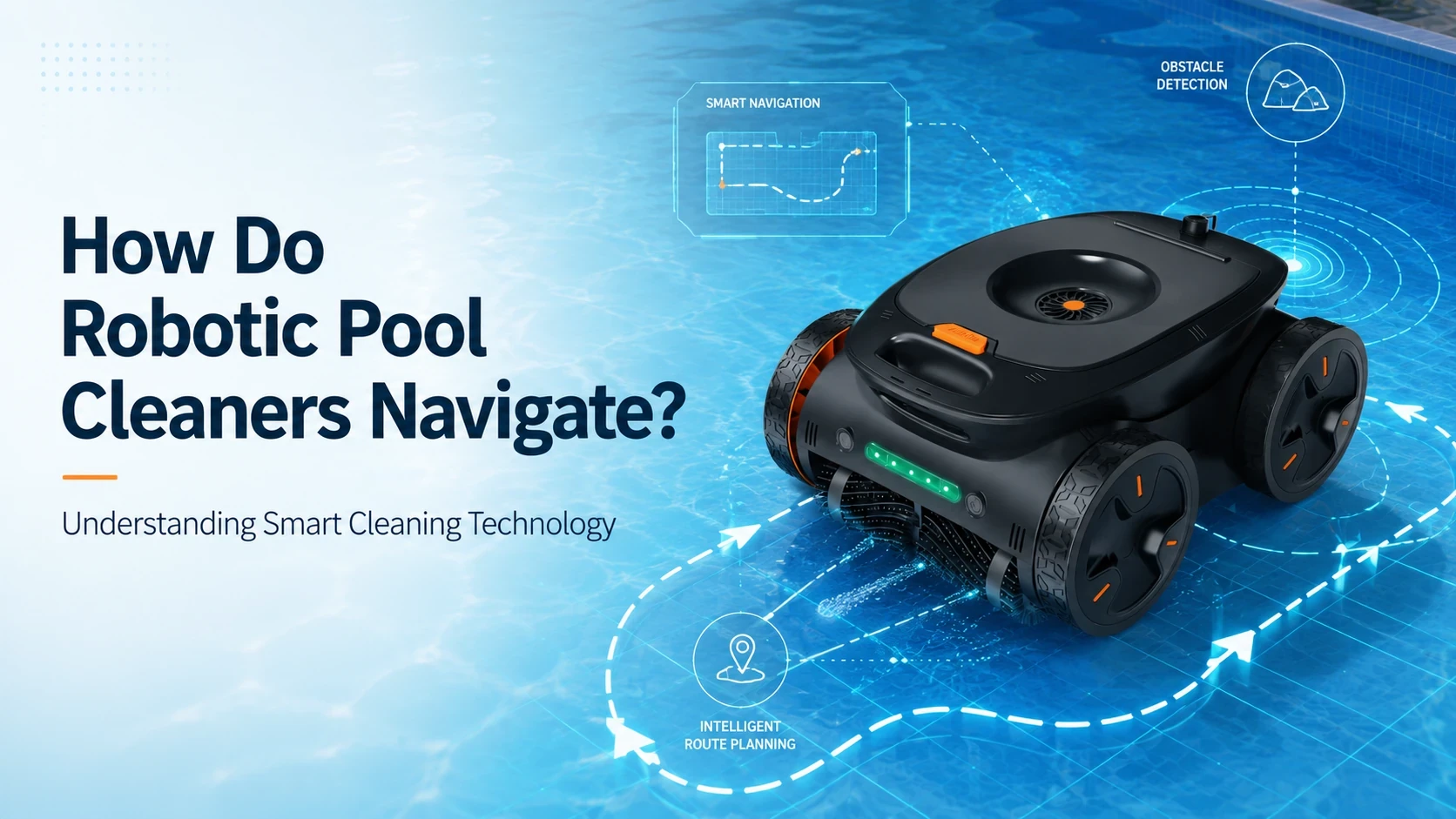
Modern robotic pool cleaners combine sensors, movement systems, and programmed cleaning patterns to improve coverage and operate more efficiently. Understanding how these navigation technologies work can help pool owners choose the right cleaning solution and better understand what makes a high-quality robotic pool cleaner different.
Why Navigation Matters in Robotic Pool Cleaning
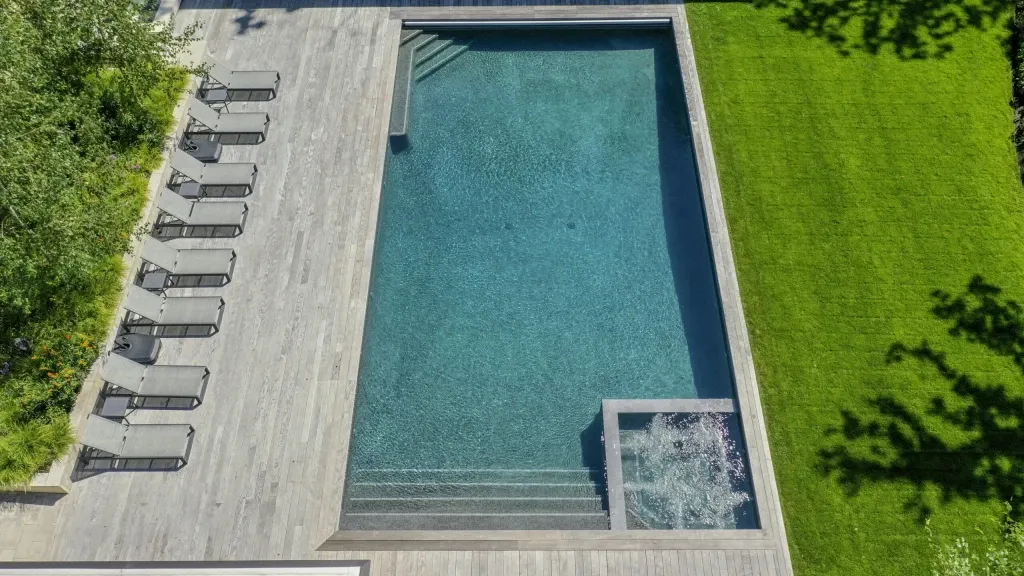
A swimming pool is not a simple environment. Different pools have different shapes, sizes, depths, and surfaces. A robotic cleaner needs to handle these differences while maintaining consistent cleaning coverage.
Without an effective navigation system, a pool robot may:
Spend too much time cleaning the same areas;
Miss corners or sections of the pool;
Consume more battery power;
Require longer cleaning cycles.
Navigation technology helps the robot create more efficient movement patterns, allowing it to cover more of the pool surface within a limited operating time.
For cordless robotic pool cleaners, navigation is especially important because battery capacity determines how long the robot can operate during each cleaning cycle.
Improving Cleaning Coverage and Reducing Missed Areas
One of the biggest challenges in pool cleaning is achieving complete coverage. Since pools often contain different areas, including corners, walls, slopes, and open floor spaces, a robotic cleaner needs to move efficiently to reach as much of the surface as possible.
A well-designed navigation system helps reduce unnecessary movement and improves cleaning consistency. Instead of repeatedly passing through the same sections, the robot can follow more organized routes and spend more time collecting debris where it is needed.
This becomes especially important for larger pools or pools with irregular shapes, where random movement may leave some areas with insufficient cleaning.
Improving Energy Efficiency During Cleaning Cycles
Navigation also affects how efficiently a robotic pool cleaner uses its available power. Every unnecessary movement requires additional energy, which can reduce the effective cleaning time of the device.
By using more structured movement patterns, a robotic cleaner can complete cleaning tasks with fewer wasted movements. This allows the motor, brushes, and filtration system to focus on removing debris instead of spending extra time navigating without purpose.
For cordless models, efficient navigation is particularly valuable because it helps maximize cleaning performance within each battery cycle.
How Sensors Help Robotic Pool Cleaners Move Efficiently
Robotic pool cleaners rely on different sensors and internal control systems to understand their surroundings and adjust movement.
Depending on the model and technology used, these systems may help detect:
Pool walls and boundaries;
Changes in direction;
Obstacles during operation;
Movement position and orientation.
For example, when a cleaner reaches the pool wall, its navigation system helps it recognize the change in environment and adjust its route instead of continuing in the same direction.
Some advanced robotic pool cleaners also use ultrasonic sensing technology to improve environmental detection. By combining sensor information with movement control, the robot can operate more consistently and reduce unnecessary movements.
The goal of these technologies is not to make the robot “think” like a human, but to help it perform cleaning tasks in a more organized and reliable way.
Cleaning Patterns: From Random Movement to Smart Routes
One of the biggest differences between basic and advanced robotic pool cleaners is the way they plan their cleaning paths.
Traditional automatic cleaners often rely on random movement. While this method can eventually clean a pool, it may require more time and can result in uneven coverage.
Modern robotic pool cleaners typically use structured cleaning patterns. These patterns allow the robot to:
Follow more predictable routes;
Improve pool surface coverage;
Reduce repeated cleaning;
Complete cleaning cycles more efficiently.
For example, some pool robots use systematic floor cleaning paths and optimized wall-cleaning routes. Instead of moving without direction, the robot follows programmed patterns designed to improve cleaning consistency.
This is especially useful for larger pools, where inefficient movement can significantly increase cleaning time.
How Drive Systems Support Better Navigation
Navigation is not only about sensors and software. The mechanical design of a robotic pool cleaner also plays an important role.
A stable drive system helps the robot maintain control while moving across different pool surfaces. Features such as four-wheel drive, strong traction, and wall-climbing capability allow the cleaner to move more effectively in different environments.
For example, a robot that can maintain stable contact with the pool surface is more likely to complete its planned cleaning route successfully. Good mechanical performance works together with navigation technology to deliver better overall cleaning results.
Why Smart Navigation Matters for Pool Owners
A robotic pool cleaner’s navigation system directly affects convenience and cleaning performance. A well-designed navigation system allows the robot to spend less time moving inefficiently and more time removing debris, dirt, and buildup.
When choosing a robotic pool cleaner, users should consider more than just cleaning power. Navigation capability, sensor technology, drive performance, and cleaning patterns all contribute to how effectively a robot can maintain a pool.
As robotic pool cleaning technology continues to develop, smarter navigation systems will continue improving the way homeowners maintain cleaner pools with less manual effort.
FAQ
Q1: Can a robotic pool cleaner operate without a pump or pool filtration system?
A: Yes, many robotic pool cleaners are designed to work independently from the pool’s main circulation system. Unlike traditional suction or pressure cleaners that rely on the pool pump, robotic cleaners usually have their own motor and filtration system. This allows them to collect debris directly inside the robot and reduce the workload of the pool’s existing filtration equipment.
Q2: How long does a robotic pool cleaner usually last?
A: The lifespan of a robotic pool cleaner depends on factors such as build quality, usage frequency, storage conditions, and maintenance habits. With proper care, including regular filter cleaning, checking moving parts, and storing the unit correctly when not in use, a quality robotic cleaner can provide reliable performance for many years.
Q3: Can robotic pool cleaners remove leaves, sand, and fine dirt?
A: Most robotic pool cleaners are designed to handle different types of pool debris, including leaves, small particles, dust, and sand. However, cleaning performance depends on factors such as the filter type, brush design, and debris collection capacity. Pools with heavy debris may require more frequent filter maintenance to maintain optimal performance.
Q4: Should I leave my robotic pool cleaner in the pool all the time?
A: It is generally recommended to remove the robotic pool cleaner after completing a cleaning cycle, especially when the pool is not being cleaned regularly. Proper storage helps protect electrical components, reduce unnecessary wear, and extend the service life of the equipment.
Q5: Do robotic pool cleaners work in all types of pools?
A: Most robotic pool cleaners can be used in many common residential pool types, including concrete, fiberglass, and vinyl liner pools. However, pool owners should always check whether a specific model is suitable for their pool size, surface material, depth, and cleaning requirements before purchase.
Conclusion
Robotic pool cleaners are designed to do more than simply move underwater. Through sensors, programmed cleaning patterns, and reliable drive systems, modern pool robots can navigate complex pool environments and provide more consistent cleaning performance.
Understanding how navigation works helps consumers make better decisions when selecting a pool cleaning solution. A cleaner with effective navigation technology can deliver better coverage, improved efficiency, and a more convenient pool maintenance experience.
For pool owners looking for a reliable automated cleaning solution, Purily’s robotic pool cleaner series combines intelligent navigation, efficient cleaning systems, and user-friendly operation to help maintain cleaner pools with less manual effort. By choosing a robotic cleaner with well-designed navigation and movement technology, users can enjoy a smarter and more convenient approach to everyday pool maintenance.