Robotic Pool Cleaner Pros and Cons: Everything You Should Know Before Buying
Introduction
Keeping a swimming pool clean can be a time-consuming task. Leaves, insects, dust, sand, and algae can quickly accumulate, affecting both water quality and the overall swimming experience.
To reduce manual labor, many pool owners are investing in robotic pool cleaners. These automated devices can scrub, vacuum, and filter debris with minimal human involvement. However, before making a purchase, it's important to understand both the advantages and disadvantages of robotic pool cleaners.
In this guide, we'll explore the pros and cons of robotic pool cleaners, compare them with other pool cleaning methods, and explain why many homeowners are choosing innovative brands like PURILY for smarter pool maintenance.
What Is a Robotic Pool Cleaner?
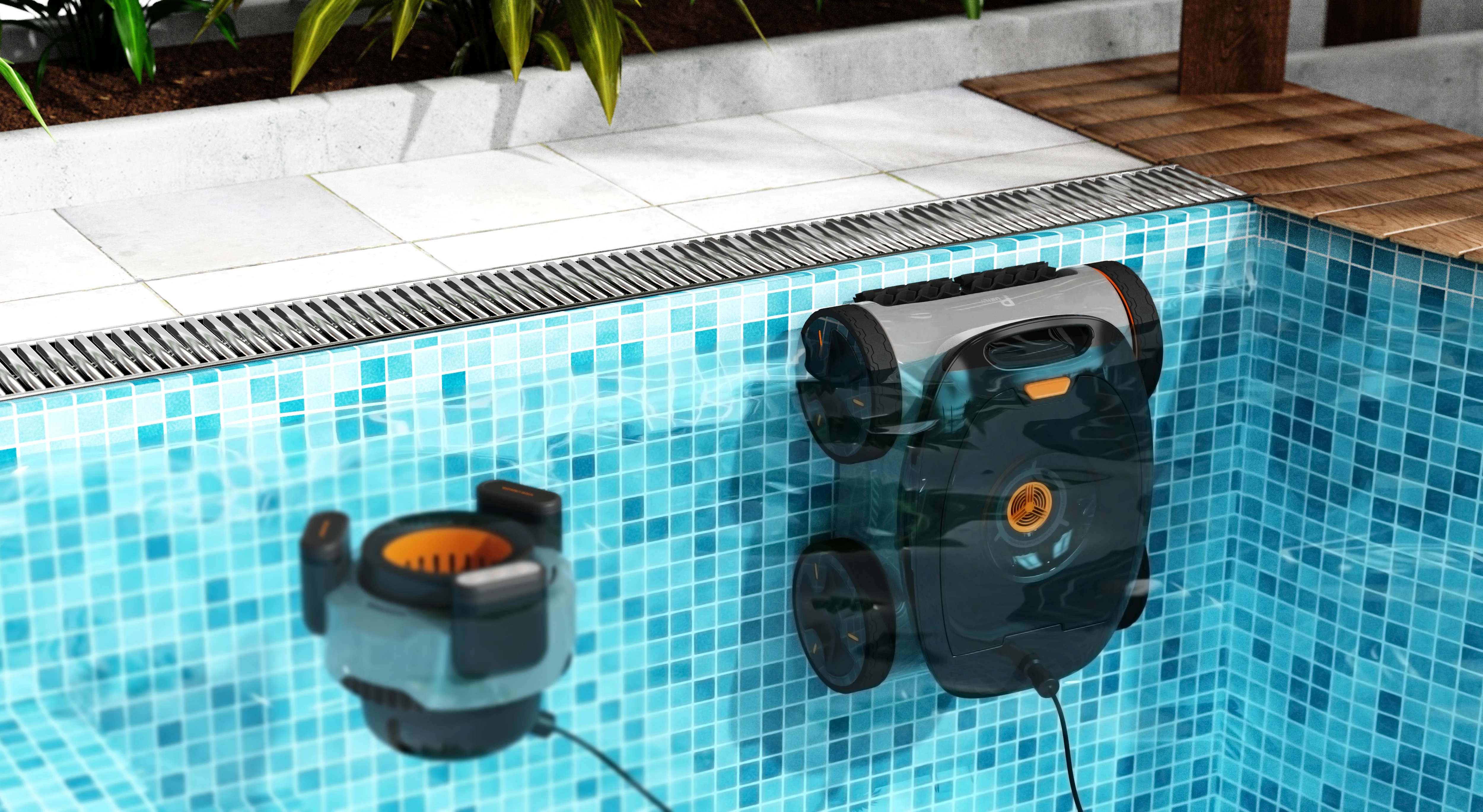
A robotic pool cleaner is a self-contained automatic cleaning device designed to clean swimming pools independently.
Unlike suction-side or pressure-side cleaners that depend on the pool's pump system, robotic pool cleaners use their own motor, filtration system, and navigation technology.
Most modern robotic cleaners can:
Clean pool floors
Climb walls
Scrub waterlines
Collect leaves and debris
Filter fine particles
Operate automatically through smart navigation
Premium models such as those developed by PURILY also feature intelligent route planning, energy-efficient motors, and advanced filtration systems for deeper cleaning performance.
Advantages of Robotic Pool Cleaners
1. Superior Cleaning Performance
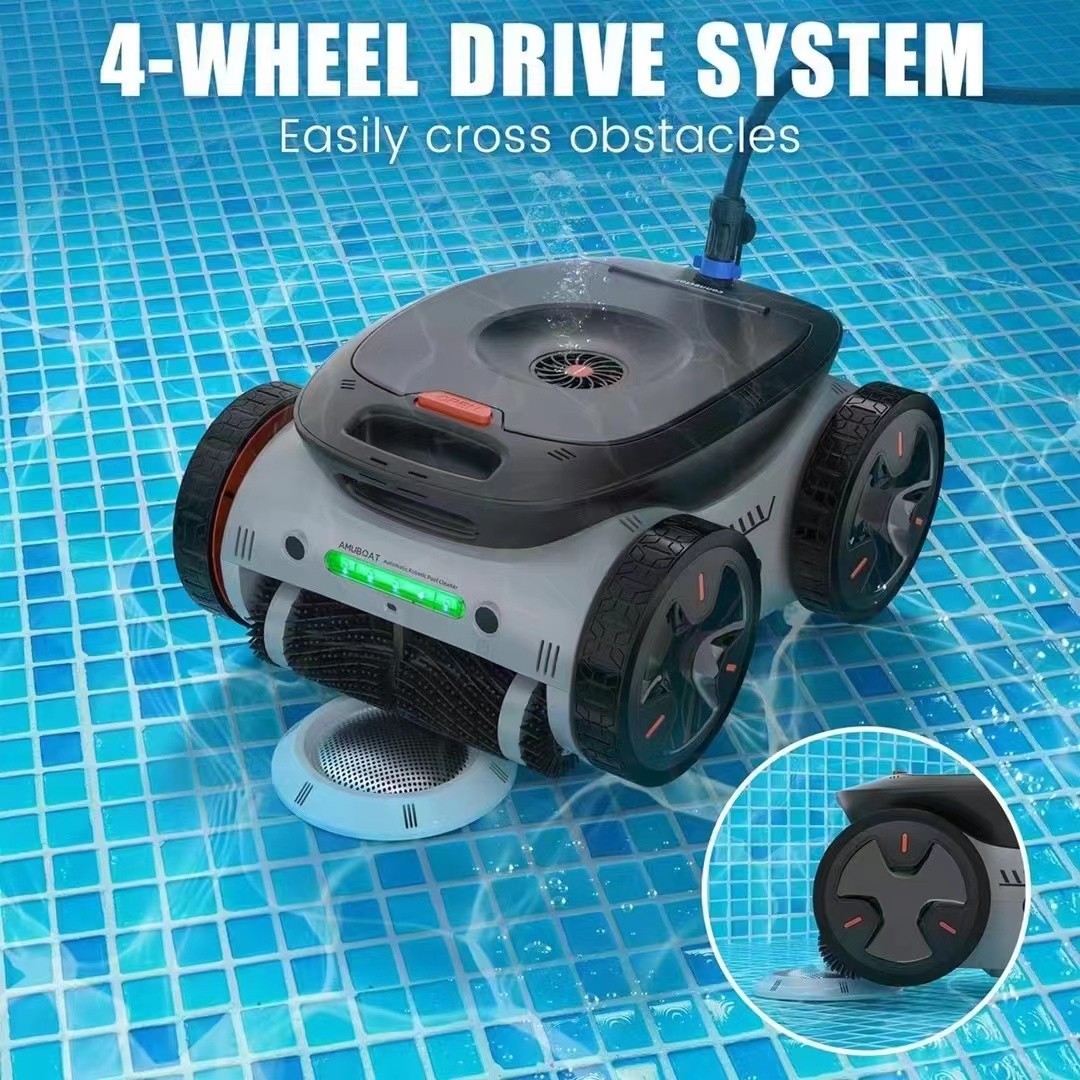
One of the biggest advantages of robotic pool cleaners is their ability to thoroughly clean the entire pool.
Advanced robotic cleaners can:
Scrub stubborn dirt
Remove algae buildup
Vacuum leaves and debris
Filter fine dust particles
Clean floors, walls, and waterlines
Because they use rotating brushes and powerful suction systems, robotic cleaners often outperform traditional pool vacuums.
Best For:
Large pools
Pools surrounded by trees
Pools prone to algae growth
2. Saves Significant Time
Manual cleaning can take several hours each week.
A robotic pool cleaner automates most of the work.
Simply place the cleaner into the water, start a cleaning cycle, and let the machine do the job.
Many PURILY robotic pool cleaners offer multiple cleaning modes that allow pool owners to customize cleaning schedules according to their needs.
Time Savings Comparison
Cleaning Method | Average Weekly Time |
|---|---|
Manual Cleaning | 3–5 Hours |
Suction Cleaner | 1–2 Hours |
Pressure Cleaner | 1–2 Hours |
Robotic Cleaner | Less Than 30 Minutes |
3. Reduces Wear on Pool Equipment
Traditional suction and pressure cleaners rely heavily on the pool's filtration system.
This can increase wear on:
Pool pumps
Filters
Plumbing components
Robotic cleaners work independently and collect debris in their own filter baskets.
Benefits include:
Longer equipment lifespan
Reduced maintenance costs
Improved filtration efficiency
4. Improved Water Clarity
Many robotic pool cleaners use multi-layer filtration systems that capture:
Dust
Sand
Pollen
Small insects
Fine debris
This helps maintain crystal-clear water while reducing the workload on the pool's main filtration system.
5. Energy Efficiency
Modern robotic pool cleaners consume surprisingly little electricity.
Because they operate independently, they often use less energy than continuously running a pool pump for cleaning purposes.
Many pool owners find that robotic cleaners lower overall maintenance costs over time.
6. Smart Technology and Automation
Today's premium robotic cleaners include advanced features such as:
Intelligent navigation
Obstacle detection
Mobile app control
Scheduled cleaning
Multiple cleaning modes
Automatic parking
PURILY robotic pool cleaners are designed to provide smart cleaning paths that maximize coverage while minimizing cleaning time.
Disadvantages of Robotic Pool Cleaners
While robotic cleaners offer many advantages, they are not perfect.
1. Higher Initial Cost
The biggest drawback is the upfront investment.
Entry-level robotic pool cleaners may cost several hundred dollars, while advanced models can exceed $1,000.
For some pool owners, this price can seem high compared with traditional cleaning solutions.
However, many users find the long-term convenience worth the cost.
2. Regular Maintenance Is Still Required
Although robotic cleaners reduce manual cleaning, they still need periodic maintenance.
Typical maintenance includes:
Emptying filter baskets
Cleaning brushes
Inspecting tracks or wheels
Charging batteries (for cordless models)
Proper maintenance helps extend the cleaner's lifespan.
3. Battery Limitations (Cordless Models)
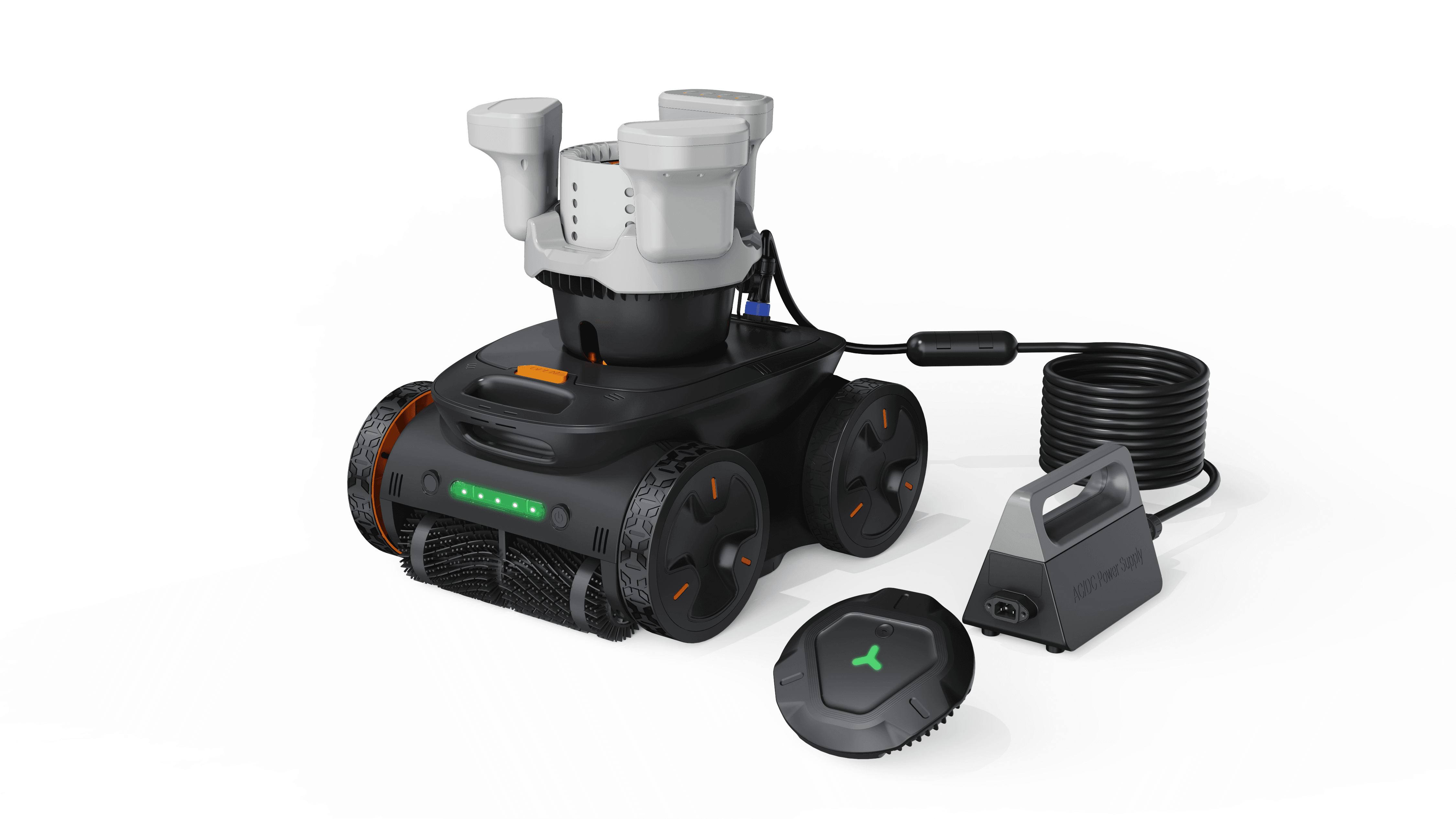
Cordless robotic pool cleaners offer greater convenience but rely on battery capacity.
Potential limitations include:
Recharge time
Limited runtime
Battery degradation over years of use
Selecting a model with a high-capacity battery is important for larger pools.
4. Heavier Than Traditional Tools
Many robotic cleaners weigh between 15 and 30 pounds.
Removing them from the pool after cleaning can be challenging for some users, particularly older homeowners.
Fortunately, newer PURILY models are designed with improved handling and retrieval systems.
5. Repairs Can Be More Expensive
Robotic pool cleaners contain:
Electronic control systems
Motors
Sensors
Batteries
Navigation modules
If major components fail, repair costs can be higher than those associated with simpler cleaning equipment.
Choosing a manufacturer with strong warranty coverage is highly recommended.
PURILY vs Other Popular Robotic Pool Cleaner Brands
PURILY
PURILY focuses on intelligent cleaning technology, powerful suction performance, and user-friendly operation.
Key strengths include:
Smart navigation technology
Efficient wall-climbing capability
Multi-layer filtration
Energy-efficient design
Easy maintenance
PURILY robotic pool cleaners are designed for pool owners seeking reliable performance without excessive maintenance.
Aiper
Aiper is known for affordability and cordless designs.
Pros:
Budget-friendly
Lightweight
Cons:
Shorter runtime
Navigation limitations on some models
Dolphin
Dolphin remains one of the most recognized brands in the robotic pool cleaner industry.
Pros:
Proven reliability
Strong cleaning performance
Cons:
Higher pricing
Premium models can be expensive
Robotic Pool Cleaners vs Other Cleaning Methods
Feature | Manual Cleaning | Suction Cleaner | Pressure Cleaner | Robotic Cleaner |
|---|---|---|---|---|
Cleaning Quality | Low | Moderate | Moderate | Excellent |
Automation | None | Partial | Partial | Full |
Wall Cleaning | No | Limited | Limited | Yes |
Waterline Cleaning | No | No | No | Yes |
Energy Efficiency | Low | Moderate | Moderate | High |
Time Required | High | Medium | Medium | Very Low |
For most homeowners, robotic pool cleaners provide the best combination of convenience, cleaning performance, and long-term value.
Who Should Buy a Robotic Pool Cleaner?
A robotic pool cleaner is an excellent choice if:
You want to minimize manual cleaning.
Your pool accumulates leaves and debris regularly.
You value automation and convenience.
You want cleaner water with less effort.
You want to reduce strain on your pool equipment.
It may not be ideal if:
You have a very limited budget.
Your pool is extremely small.
You don't mind frequent manual cleaning.
Conclusion
Robotic pool cleaners have transformed pool maintenance by delivering powerful cleaning performance with minimal effort.
While they require a higher upfront investment, the benefits often outweigh the drawbacks. Improved water clarity, reduced cleaning time, enhanced convenience, and lower wear on pool equipment make robotic cleaners one of the most effective pool maintenance solutions available today.
For homeowners seeking reliable, intelligent, and efficient pool cleaning technology, PURILY robotic pool cleaners provide an excellent balance of performance, convenience, and long-term value.
FAQs
Is a robotic pool cleaner worth the money?
Yes. Most pool owners find the time savings, cleaning performance, and convenience justify the investment.
How long do robotic pool cleaners last?
A quality robotic pool cleaner typically lasts between 3 and 7 years, depending on maintenance and usage.
Can robotic pool cleaners clean pool walls?
Yes. Most modern robotic cleaners can climb and scrub walls, while premium models also clean the waterline.
Do robotic pool cleaners use a lot of electricity?
No. Most robotic pool cleaners are energy-efficient and cost only a small amount to operate.
Are cordless robotic pool cleaners better?
Cordless models offer greater convenience, while corded models generally provide longer continuous cleaning times.
Why choose PURILY robotic pool cleaners?
PURILY combines intelligent navigation, powerful cleaning performance, energy efficiency, and user-friendly operation to deliver a complete pool cleaning solution for modern pool owners.