Pool Water Level and Skimmer Operation: What Pool Owners Need to Know
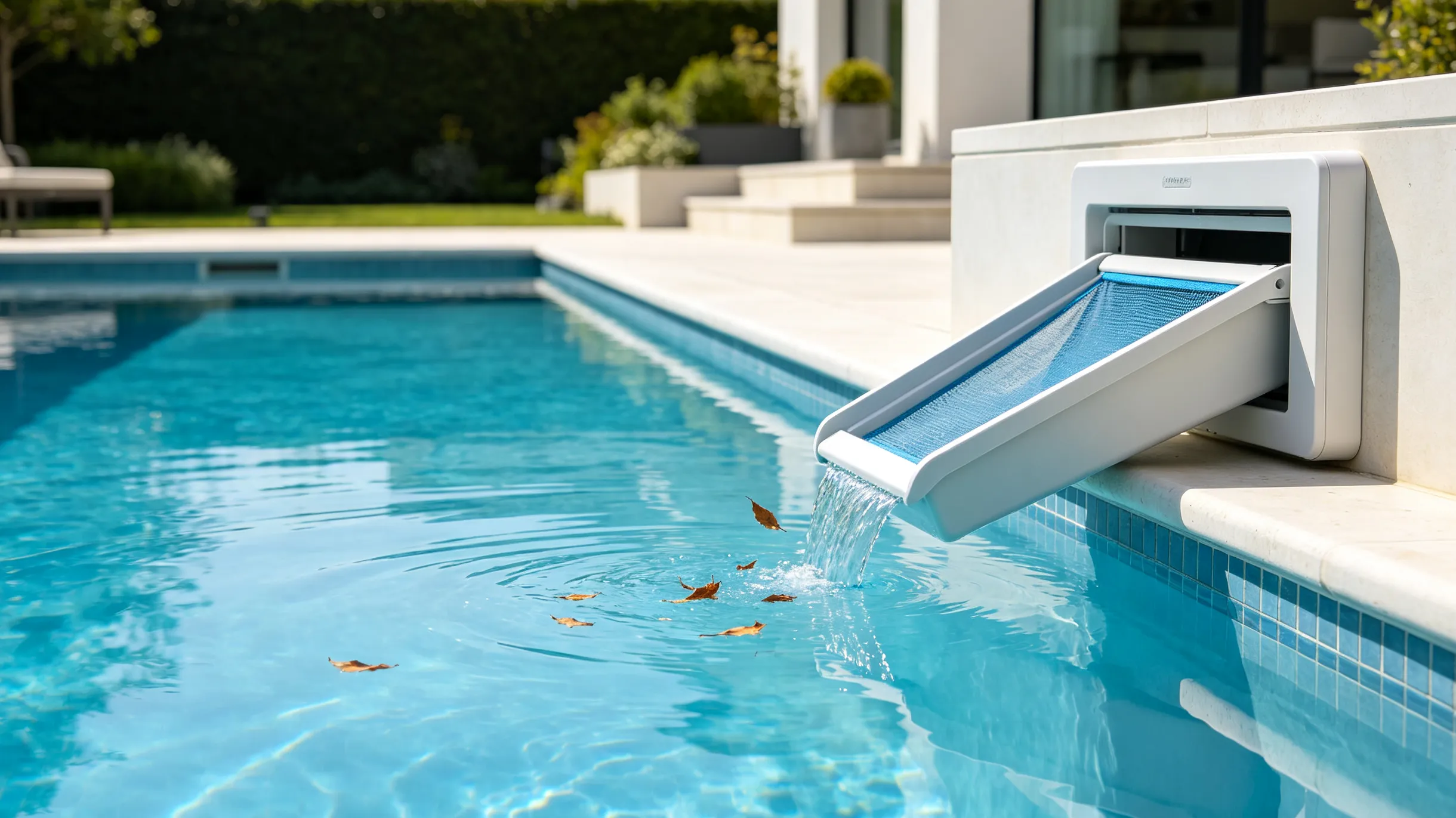
Pool water level plays an important role in how effectively a pool skimmer and circulation system operate. When the water stays within the skimmer's recommended range, surface water can flow into the skimmer and carry floating debris away from the pool.
When the water level is too low or too high, this process can become less effective. Understanding the relationship between water level, skimmer, pump, and filter can help pool owners maintain better circulation and avoid common operating problems.
How Pool Water Level Affects Skimmer Performance
The Role of Water Level in Surface Skimming
A pool skimmer is designed to draw water from the upper layer of the pool, where leaves, insects, pollen, and other floating debris tend to collect. As water moves toward the skimmer opening, floating material can enter the skimmer basket and be removed from the pool.
The water level affects how this surface flow works. The skimmer needs enough water covering its opening to maintain a steady supply of water to the circulation system. If the level drops too far, the skimmer may lose effective flow. If the pool is overfilled, surface debris may not be drawn toward the skimmer as efficiently.
For this reason, maintaining the right pool water level is part of maintaining effective surface skimming.
The Normal Operating Range for a Pool Skimmer
For many pool systems, the water level is maintained around the middle of the skimmer opening. However, the exact operating range can vary depending on the pool and skimmer design, so the manufacturer's instructions should always take priority.
The objective is straightforward: enough of the skimmer opening should remain underwater to allow continuous water flow without allowing the pool to become unnecessarily overfilled.
Water level naturally changes during normal pool use. Evaporation, rainfall, splashing, and maintenance can all affect the level. Checking the water in relation to the skimmer opening regularly can help identify changes before they interfere with normal circulation.
Why Water Level Changes Skimming Efficiency
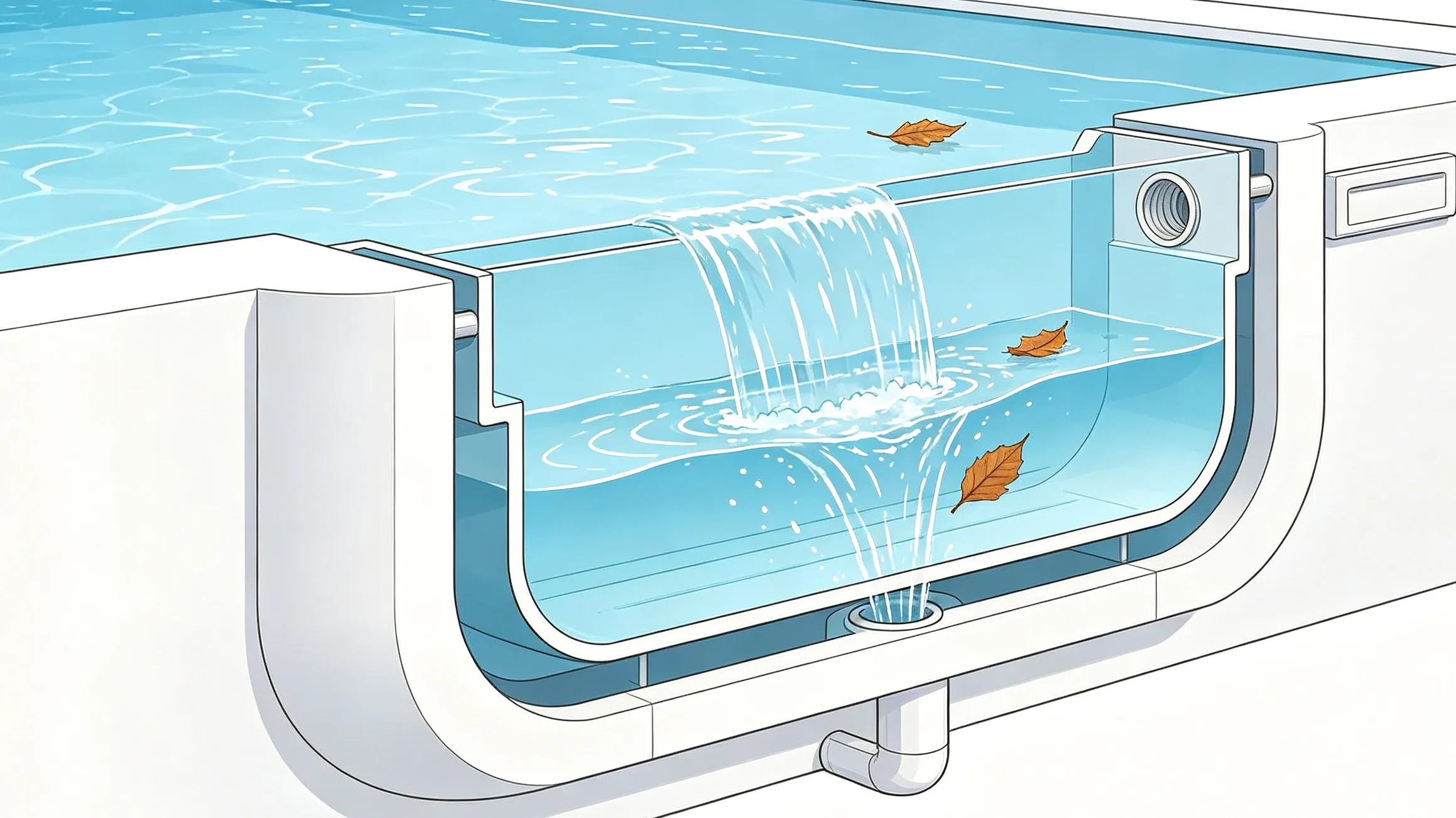
A skimmer works most effectively when water moves steadily across the pool surface and into its opening. This movement helps floating debris reach the skimmer rather than remaining scattered across the pool.
When the water level becomes too low, the skimmer may not receive enough water to maintain consistent flow. If the level falls far enough, air can enter the suction system, which can interfere with circulation and potentially create problems for the pump.
A high water level presents a different problem. Although the circulation system may still have sufficient water, the skimmer's ability to draw water from the surface can be reduced. Floating debris may therefore remain on the surface instead of being collected efficiently.
Keeping the water within the appropriate operating range helps the skimmer perform its intended job without placing unnecessary strain on the circulation system.
How the Pool Skimmer and Circulation System Work Together
The Role of the Skimmer
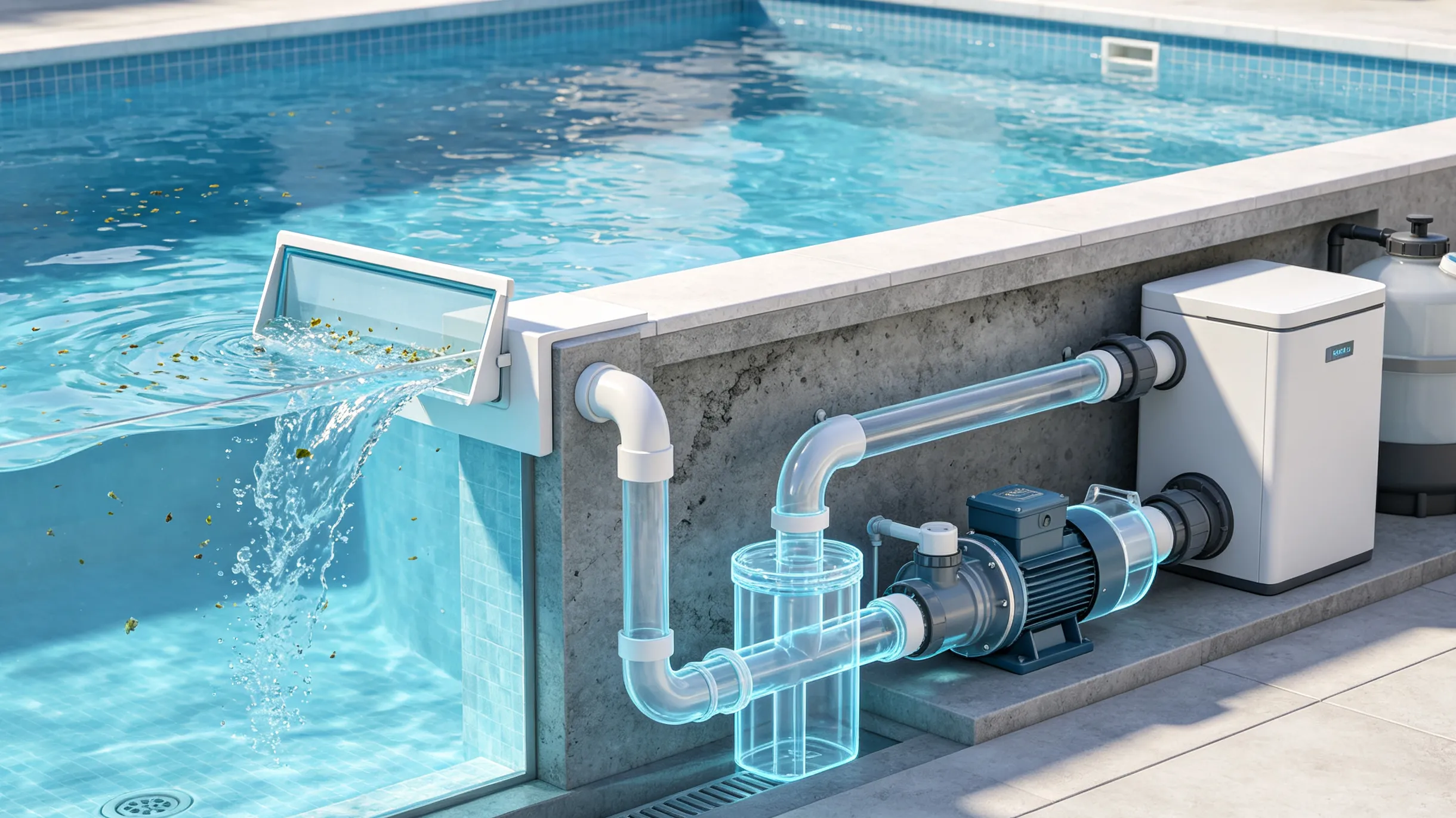
The pool skimmer is mainly responsible for collecting water and floating debris from the pool surface. Its basket catches larger material such as leaves, insects, and other debris before the water continues through the circulation system.
This makes the skimmer an important part of routine pool cleaning, but it does not clean every area of the pool. Debris that sinks to the bottom or remains attached to walls and other surfaces generally requires a different cleaning method.
The skimmer also acts as one of the main intake points for the circulation system. Its performance therefore affects both surface debris removal and the movement of water through the pool.
How the Pool Pump Moves Water
The pool pump provides the movement needed to circulate water. It draws water from the pool through the skimmer and other intake points and pushes it through the filtration system before returning it to the pool.
Because the pump relies on a continuous supply of water, the pool water level needs to remain within the appropriate range. If the water level is too low, the skimmer may not provide the pump with a steady flow of water.
The pump itself does not perform the same job as the skimmer. Instead, it creates the water movement that allows the skimmer and filtration system to function as part of one circulation process.
How Filtration Completes the Circulation Process
After water leaves the pool through the skimmer and other intake points, it passes through the pump and then into the pool filter. The filter removes suspended particles from the circulating water before the water returns to the pool.
The basic process can be summarized as:
Pool → Skimmer → Pump → Filter → Return to Pool
Each component has a different role. The skimmer focuses on surface water and floating debris, the pump moves water through the system, and the filter removes particles from the circulating water.
Maintaining an appropriate pool water level supports this process by allowing the skimmer to provide a consistent flow of water into the circulation system.
Low and High Water Levels: Effects on Pool Operation
Problems Associated With Low Water Levels
When pool water falls too low, the skimmer may not be able to draw water consistently. Instead of maintaining a steady flow through the skimmer opening, the system may begin pulling in air.
This can reduce circulation and affect the way the pump and filtration system operate. Floating debris may also remain on the pool surface because the skimmer is no longer creating effective surface flow.
The exact minimum water level depends on the pool and skimmer design, so there is no single measurement that applies to every pool. As a practical rule, the water should remain within the operating range specified for the skimmer rather than being allowed to fall below the opening.
How Excessively High Water Levels Affect Skimming
A high water level usually does not create the same immediate circulation concern as a low water level, but it can reduce surface-skimming efficiency.
When the pool is significantly overfilled, the water surface sits higher in relation to the skimmer opening. This can reduce the flow of surface water into the skimmer, allowing leaves and other floating debris to remain on the pool.
Heavy rainfall is one common reason for a temporarily high water level. After significant rain, checking the level and returning it to the pool's normal operating range can help restore effective skimming.
Maintaining Effective Water Flow
Water level is only one factor affecting skimmer flow. A full skimmer basket, blocked intake, incorrect valve position, or circulation equipment problem can also reduce water movement.
If the water level is appropriate but the skimmer still appears to have weak flow, the problem may not be the water level itself. Checking accessible components such as the skimmer basket and following the equipment manufacturer's operating guidance can help identify the cause.
Pool Cleaning Beyond the Skimmer
What Skimmers Are Designed to Remove
A skimmer is primarily designed to collect floating debris from the pool surface. Leaves, insects, pollen, and other lightweight material can be drawn into the skimmer as water circulates.
This helps prevent surface debris from remaining in the pool or eventually becoming waterlogged and sinking.
However, the skimmer is not intended to physically clean every part of the pool. Its cleaning range is mainly determined by water movement and the location of the skimmer opening.
Debris That Requires Additional Cleaning
Once dirt, leaves, sand, or other particles settle on the pool floor, they may no longer be reachable through normal surface skimming. Debris attached to walls or collected in corners can present the same limitation.
This is why a pool can have a properly functioning skimmer while still requiring additional cleaning. Water circulation and surface skimming address one part of pool maintenance, while physical cleaning handles debris that remains on pool surfaces.
The right combination depends on the pool's size, design, environment, and amount of debris it receives.
How Robotic Pool Cleaners Complement Skimming
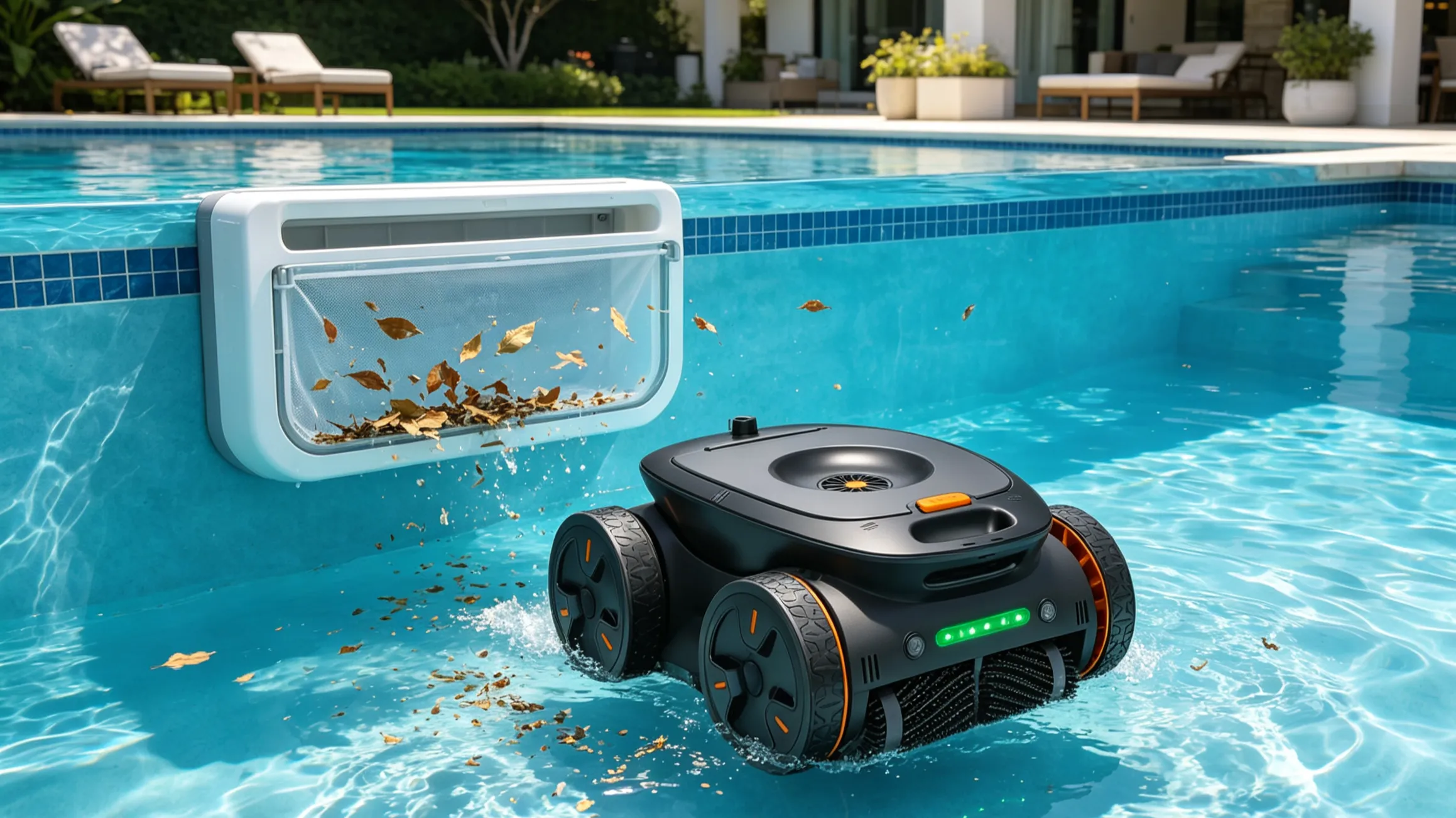
A robotic pool cleaner can complement the skimmer by physically collecting debris from areas that the skimmer does not normally reach.
Depending on the model, a robotic cleaner may clean the pool floor, walls, or waterline. This gives it a different role from the skimmer: the skimmer focuses on moving surface water into the circulation system, while the robotic cleaner travels through the pool to collect debris from its cleaning surfaces.
Using both methods can provide more complete cleaning coverage without treating the skimmer and robotic cleaner as interchangeable equipment. Proper pool water level and circulation remain important even when a robotic pool cleaner is used.
Maintaining Proper Pool Water Level
Routine Water Level Checks
Pool water level can change gradually through evaporation, rainfall, splashing, and normal pool use. Checking the level regularly helps ensure that the skimmer remains within its intended operating range.
A simple visual check around the skimmer opening is usually enough for routine monitoring. If the level is noticeably lower or higher than normal, adjust it before the change begins to affect skimming or circulation.
Common Causes of Water Level Changes
Evaporation is a normal source of water loss, particularly during hot, dry, or windy conditions. Splashing and frequent pool use can also reduce the water level.
Rainfall can have the opposite effect by raising the level, sometimes significantly after heavy storms.
Because these changes are normal, pool owners should consider weather and pool usage when evaluating changes in water level. A gradual decrease does not necessarily indicate a leak.
When Unusual Water Loss Needs Attention
If a pool repeatedly loses water faster than expected, especially when there has been little swimming or unusual weather, it may be worth checking for a leak.
The source could be related to the pool structure, plumbing, or circulation equipment, and water loss alone cannot identify the cause.
Adding water can restore the correct pool water level, but if the level continues to fall unusually quickly, the underlying cause should also be investigated.
Common Water Level and Skimmer Mistakes
Running the Circulation System With Insufficient Water
Allowing the water level to fall below the skimmer's appropriate operating range can interfere with normal water flow. In severe cases, the circulation system may draw air instead of maintaining a steady supply of water.
Pool owners should follow the operating requirements provided for their specific pump and skimmer rather than continuing to operate equipment with insufficient water.
Allowing the Pool to Remain Overfilled
An excessively high water level can reduce the skimmer's ability to collect floating debris efficiently. After heavy rainfall or accidental overfilling, returning the pool to its normal operating range can help restore surface skimming.
Expecting One Cleaning Method to Handle Every Type of Debris
A skimmer is designed mainly for surface debris, while a filter handles suspended particles in circulating water. Neither is intended to physically clean every pool surface.
For debris that settles on the floor or remains on walls, manual cleaning or a robotic pool cleaner may be needed. Using different cleaning methods for different types of debris provides more complete pool maintenance.
Frequently Asked Questions
Q1: What happens if pool water is below the skimmer?
A: If the water level falls too low, the skimmer may not maintain a continuous flow of water. Air can enter the suction system, surface debris may not be collected effectively, and circulation can be affected.
Q2: What is the proper water level for a pool skimmer?
A: For many pools, the water level is maintained around the middle of the skimmer opening. However, the correct range varies by pool and skimmer design, so the manufacturer's recommendation should be followed.
Q3: Can you run a pool pump if the water is above the skimmer?
A: A high water level generally does not create the same immediate pump concern as a low water level, but excessive water can reduce surface-skimming efficiency. The pool should be maintained within its normal operating range.
Q4: Should I leave my pool skimmer on all the time?
A: Skimming depends on the pool's circulation schedule and equipment setup. There is no universal requirement to operate it continuously. Follow the recommended operating schedule for your pump and filtration system.
Q5: Can low pool water affect the pool pump?
A: Yes. If the water level becomes low enough that the skimmer cannot supply a steady flow of water, air may enter the circulation system. Operating conditions should remain within the pump manufacturer's specified range.
Q6: Does high water affect skimmer performance?
A: Yes. An excessively high water level can reduce the skimmer's ability to draw surface water effectively, which may allow floating debris to remain on the pool surface.
Q7: How often should I check my pool water level?
A: Check it regularly as part of normal pool maintenance, with additional checks after heavy rain, extended hot weather, or frequent pool use.
Q8: Why does my pool water level keep dropping?
A: Evaporation, splashing, and normal pool use are common causes. If water loss is unusually rapid or continues without an obvious explanation, investigate the possibility of a leak.
Q9: Can a pool skimmer remove all pool debris?
A: No. A skimmer primarily collects floating debris from the surface. Dirt and debris that settle on the pool floor or remain on walls generally require additional cleaning.
Q10: Can a robotic pool cleaner replace a pool skimmer?
A: No. They perform different functions. A skimmer helps remove floating debris and supports water circulation, while a robotic pool cleaner physically cleans surfaces such as the floor and, depending on the model, walls or waterline.
Conclusion
Maintaining the right pool water level is a simple but important part of effective skimmer operation. A suitable water level helps the skimmer maintain surface flow, supports normal circulation, and reduces unnecessary problems for the pool's pump and filtration system.
At the same time, a skimmer is only one part of pool cleaning. Combining proper water circulation with filtration and appropriate surface cleaning methods, including robotic pool cleaning when needed, provides a more complete approach to keeping the pool clean and operating efficiently.