Why Pool Skimmers Have Become the Favorite Choice for Pool Owners
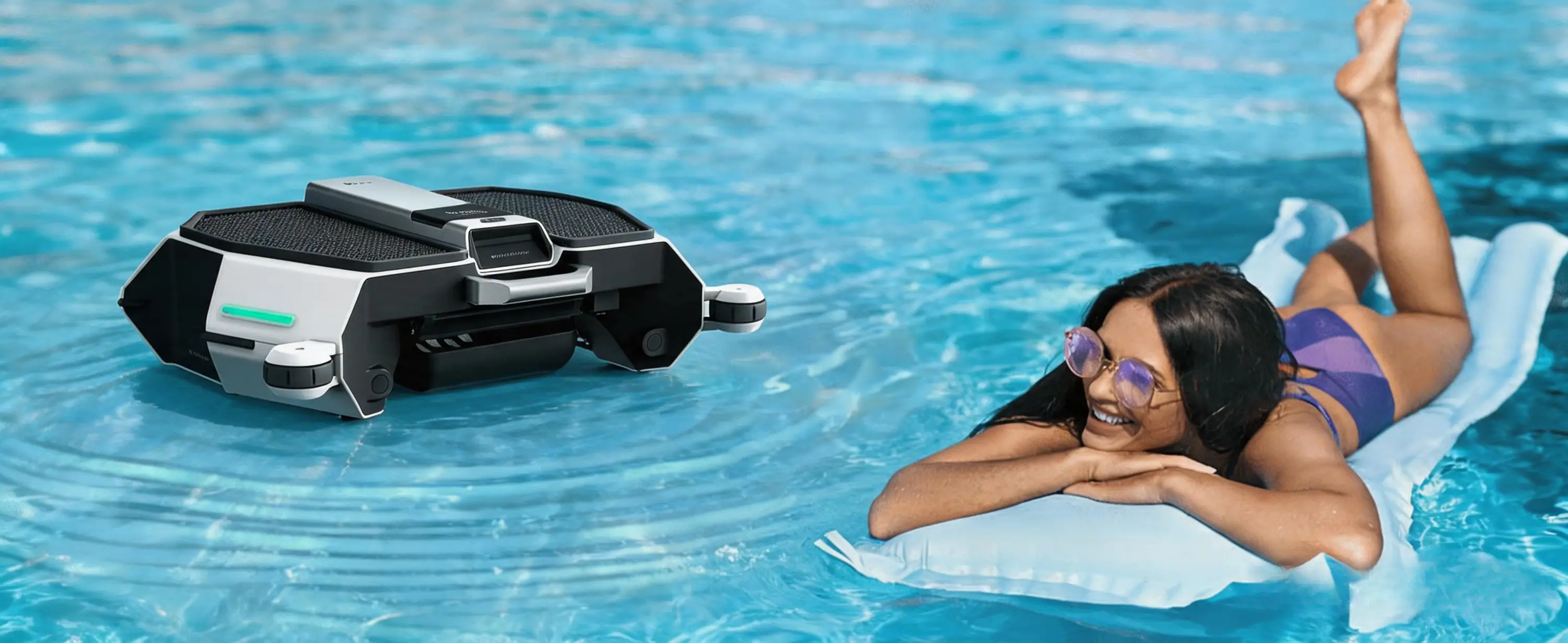
Pool ownership is easier when your water stays clean between cleanups. That’s why skimmers—the systems that pull off floating debris from the pool surface—have become a favorite choice for pool owners and service teams alike.
In short: skimmers help you remove leaves, pollen, oils, and other surface contaminants before they sink, break down, and contribute to cloudy water or algae pressure. They also reduce the load on your filtration system by catching debris at the source—making maintenance more predictable and often reducing how often you need to deep-clean.
Key Takeaways
Skimmers remove floating debris early, preventing it from sinking and “feeding” algae.
They protect filters by trapping larger debris in the skimmer basket (leaf trap).
Cleaner surface water generally means clearer water and less chemical fighting.
Skimmers improve maintenance by making it easier to spot and remove clogs.
Choosing the right skimmer depends on pool type, plumbing, and water level.
The short answer: skimmers keep your pool cleaner with less effort
Most pools become difficult to maintain for one reason: surface junk keeps cycling through the system. When leaves, pollen, and oils aren’t captured at the water surface, they:
sink into the pool,
get trapped in circulation paths,
decay and release organic matter, and
increase the workload for filters and sanitizer systems.
Skimmers interrupt that cycle. They’re designed to continuously collect what floats near the top—right where debris first enters the pool environment.

What a pool skimmer does
A pool skimmer is a suction intake located near the pool’s waterline. As water circulates, the skimmer:
pulls in surface water,
catches debris in a skimmer basket (leaf trap),
sends cleaner water into the filtration system.
Skimmer baskets and leaf traps
Most skimmer designs include a basket that catches common debris like:
leaves and small twigs,
pollen and dust-like particles,
insects and organic fragments.
This is one reason skimmers feel “hands-on”: you can quickly open and empty the basket when needed, rather than waiting for the filter to clog or for water quality to drop.
Surface skimming vs settling/recirculation
Skimmers are targeted at the surface, where many contaminants first collect. Without a skimmer, debris often:
sinks and accumulates on the floor,
gets pulled into the pump and filter,
or spreads throughout the water column.
Skimming changes the process from “collect later” to “collect early.”
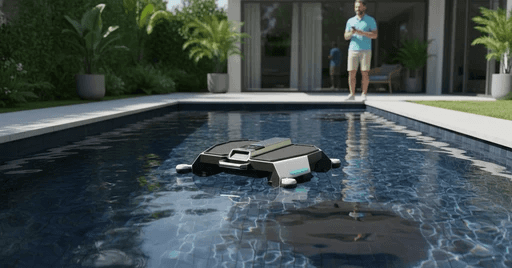
Why skimmers are increasingly popular (the real benefits)
1) They remove debris before it sinks and rots
Organic material that sinks can break down and create a cycle of:
increased turbidity (cloudiness),
higher filter loading,
and conditions that encourage algae.
Even when sanitation is working, too much organic load can make water maintenance feel like constant cleanup.
Skimmers reduce that problem by grabbing debris at the surface first. That means less sediment on pool surfaces and a lower chance of smelly buildup.
2) They protect your filter and improve filtration performance
Filters perform best when they’re filtering water—not constantly processing large debris.
By trapping larger particles in the skimmer basket, skimmers can help:
reduce filter clogging frequency,
maintain stronger flow through the system, and
keep water moving efficiently.
This isn’t about making filtration “optional.” It’s about making it work as intended: polishing the water rather than being forced to intercept everything.
3) They reduce algae pressure by controlling organics
Algae doesn’t appear from sunlight alone. It also depends on available organics and nutrients. When organic debris is removed quickly, you reduce the “fuel” that supports algae growth.
While no skimmer replaces sanitation, a skimmer can make algae control easier because the water starts cleaner and stays that way longer between maintenance routines.
4) They make maintenance faster and more predictable
Skimmers give you a simple maintenance touchpoint:
check the basket,
empty it,
and keep flow stable.
For many pool owners, this is a major quality-of-life win. Instead of noticing problems only after they become visible—cloudiness, odors, clogged filters—you get early indicators through the basket fill level.
5) They support better chemical balance and water clarity
When debris is captured before it decomposes, the pool’s chemistry is generally easier to manage.
Cleaner water typically means:
less “organic load” consuming sanitizer,
fewer compounds that dull clarity,
and a more stable environment for your water chemistry goals.
Results vary by environment and pool type, but the direction is consistent: less unmanaged debris usually means fewer chemistry headaches.
6) They’re adaptable to modern pool setups
Skimmers come in different styles and can be paired with modern circulation and cleaning equipment. Depending on the pool, you may choose:
in-ground skimmers or through-wall designs,
skimmer configurations for above-ground pools,
multiple skimmers for larger or more debris-heavy pools,
upgraded skimmer intakes and baskets for improved flow stability.
Because they integrate into standard plumbing, they remain a practical improvement even for older pools.
Skimmers vs alternatives: what most people compare
Skimmer vs main drain (surface vs circulation)
A main drain is primarily designed to collect water from below the surface. It supports circulation and drainage, but it’s not meant to capture floating debris near the top.
Skimmers are optimized for surface collection. In real terms:
Skimmer = floating debris capture
Main drain = deeper water circulation
Many pools use both, and that combination often provides a balanced approach.
Skimmers vs “just rely on filtration”
Some people assume: “If my filter is strong enough, it will catch everything.” In practice, filters can only catch what reaches them. Without skimming:
larger organics overload the filter sooner,
flow can reduce as pressure rises,
and water quality can lag behind.
Skimmers reduce that risk by preventing large debris from reaching the filter system.
DIY skimming vs professional skimmer upgrades
If your pool already has skimmers but performance is weak, simple upgrades often help, such as:
improving water level,
replacing worn baskets/parts,
fixing suction leaks,
adjusting plumbing valves or balancing flow.
A professional can diagnose the cause of poor skimming quickly—especially when airflow or pump performance is involved.
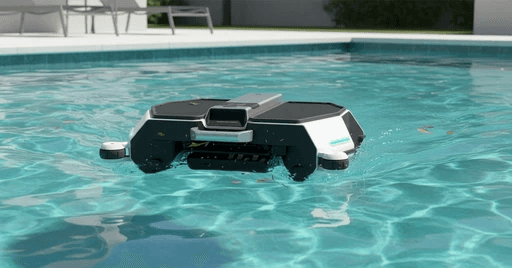
How to choose the right skimmer for your pool
Choosing a skimmer isn’t just about “getting one that fits.” It’s about selecting the right design for your waterline behavior, plumbing, and debris profile.
In-ground vs above-ground considerations
In-ground pools often use wall-mounted or through-wall skimmers designed around fixed plumbing runs.
Above-ground pools may use different skimmer/inlet styles, sometimes integrated into the pool wall system.
Always match the skimmer’s intended installation method with your pool type.
Skimmer size, throat size, and plumbing compatibility
Skimmer “performance” depends on the intake geometry and flow path. A mismatch can cause:
weak surface skimming,
inconsistent basket capture,
or turbulence that doesn’t pull in floating debris effectively.
If you’re upgrading, verify:
compatibility with your pump system,
expected flow rates (as specified by installers or manufacturer documentation),
and how your valves are set.
Location, waterline level, and overflow performance
Skimmers are designed for a specific waterline range. If the waterline is too low:
surface intake efficiency drops,
you may skim less debris,
and you may pull extra air.
If the waterline is too high:
overflow performance changes,
and you may not capture debris as effectively from the ideal surface zone.
Basket capacity and clog resistance
Basket design affects how often you have to clean it. In heavy pollen seasons or leaf-heavy areas, bigger baskets or improved flow designs can reduce maintenance frequency.
But remember: larger isn’t always better if it causes poor contact with the intake flow. The goal is stable capture, not just size.
Common skimmer problems (and how to prevent them)
Low suction or weak skimming
Common causes include:
pump performance issues,
clogged basket or lines,
air leaks near suction plumbing,
incorrect valve settings.
Prevention: keep baskets clean, check for air leaks, and verify pump/system operation regularly.
Air leaks and noisy pumps
Air ingestion can reduce suction and cause noisy pump behavior. It also affects filtration and can lead to inconsistent skimming performance.
Prevention: inspect seals and fittings at suction connections. If noise changes suddenly, treat it as a sign of a plumbing issue.
Frequent blockages
If baskets fill constantly, your area might be debris-heavy—or your skimmer setup might not be capturing the water surface correctly.
Prevention: adjust waterline, improve skimmer capture path, and consider seasonal cleaning schedules.
Wrong water level
This is one of the simplest but most overlooked causes of poor skimming. It changes intake efficiency instantly.
Prevention: maintain the recommended water level for your skimmer design.
A practical “skimmer upgrade” checklist
Use this when planning improvements:
Verify waterline level matches your skimmer’s design range.
Check basket and intake condition for damage, deformation, or frequent clogging.
Inspect suction plumbing for air leaks or loose fittings.
Confirm flow compatibility with your pump and filtration system.
Evaluate placement if you’re changing skimmer counts or locations.
Test performance during normal debris conditions (pollen/day-to-day, leaves after storms).
Document maintenance behavior (how often baskets fill, filter pressure trends).
If you can meet these steps, you’ll usually see a clear difference in water clarity and maintenance workload.
Conclusion
Skimmers have become a favorite choice for pool owners because they tackle the biggest day-to-day problem in pool maintenance: floating debris that keeps cycling through your system. By capturing organics at the water surface, protecting filters from overload, and making maintenance simpler, skimmers help pools stay cleaner with less firefighting.
The “best” skimmer isn’t just the one you can install—it’s the one that matches your pool’s plumbing, waterline behavior, and environment. If you get those pieces right, your pool maintenance becomes noticeably more manageable.
FAQ
1) Do I need a pool skimmer if I already have a strong filter?
A skimmer helps capture surface debris before it reaches the filter. Even with a strong filter, skimming reduces filter loading and can improve clarity and maintenance frequency.
2) Can skimmers help with algae?
They can help by reducing organic debris that supports algae growth. They don’t replace sanitation, but cleaner water often makes algae prevention easier.
3) Why is my skimmer not picking up debris well?
Common causes include incorrect water level, clogged baskets/lines, suction leaks, wrong valve settings, or insufficient pump performance.
4) How often should I clean the skimmer basket?
It depends on your environment and debris load (pollen season vs leaf fall). A practical approach is to check regularly and empty before it becomes overfilled.
5) Should I add more skimmers to my pool?
More skimmers can help in larger pools or debris-heavy locations, but it must match your plumbing and flow capacity. Often, balancing and correcting waterline/suction issues provides a better first step.