What Happens When a Robotic Pool Cleaner Runs Out of Battery?
Introduction
Cordless robotic pool cleaners make pool maintenance more convenient by removing the need for a permanent power connection. However, battery-powered operation also raises a practical question: what happens when the robot runs out of battery during a cleaning cycle?
In most cases, the cleaner will stop operating once its battery reaches a low level. What happens next depends on the design of the particular model. Some cleaners simply remain where they stopped, while more advanced models can automatically move toward a designated docking or retrieval position.
Understanding how a robotic pool cleaner handles low battery conditions can help users choose a model that is easier to manage and better suited to their pool.
What Happens When a Pool Robot Runs Out of Battery?
The exact behavior depends on the cleaner's battery management and retrieval system.
The Cleaner Stops Operating
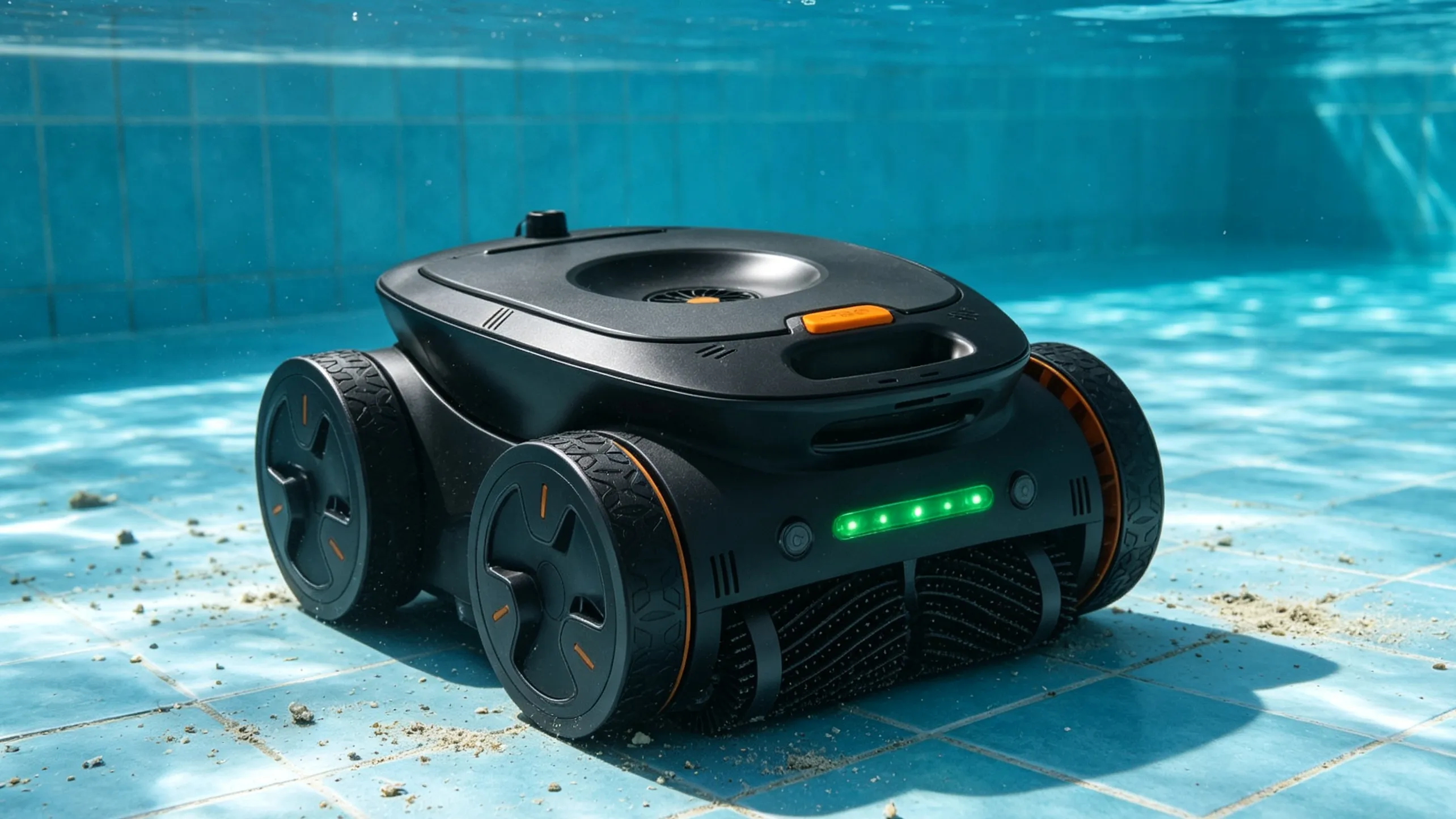
When the battery reaches its minimum operating level, the robot will stop cleaning to prevent the battery from being completely depleted.
At this point, the cleaner may remain on the pool floor until it is retrieved or enters a low-power recovery mode.
This is one reason battery management is an important consideration when choosing a cordless robotic pool cleaner.
The Cleaning Cycle May Be Interrupted
If the battery does not last long enough for the selected cleaning cycle, the robot may finish only part of the planned cleaning area.
Pool size, cleaning mode, operating conditions, and battery capacity can all affect how much of the pool can be cleaned during one cycle.
For larger pools, users should therefore consider both operating time and how the robot handles a low-battery situation.
How Do Robotic Pool Cleaners Handle Low Battery?
Modern robotic pool cleaners can use different approaches when battery power becomes limited.
Low-Power Protection
A battery management system can monitor the remaining power and trigger protective actions when the battery becomes low.
Rather than continuing to operate until the battery is completely exhausted, the cleaner can reduce or stop operation to protect the battery and avoid unnecessary power consumption.
Automatic Docking or Retrieval
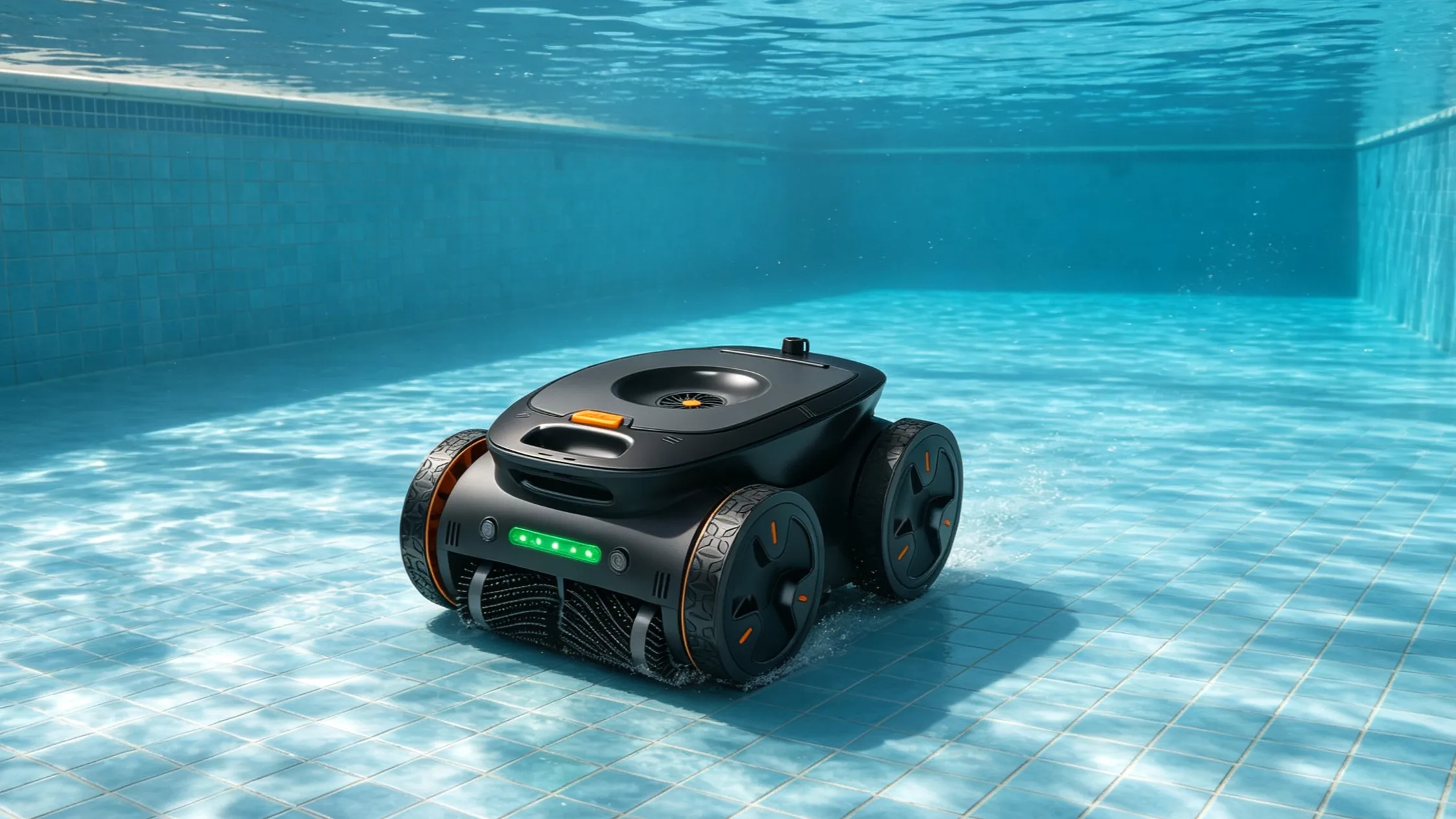
Some advanced robotic pool cleaners can move toward a designated docking or retrieval position when the battery reaches a low level.
This can make cordless cleaning more convenient because users do not always have to search the pool manually for a robot that has stopped operating.
However, automatic docking is not available on every robotic pool cleaner, so users should check the specific model's features before purchasing.
How to Reduce Battery-Related Problems With a Pool Robot?
Although running out of battery is a normal part of cordless operation, proper usage can help users achieve more consistent cleaning performance.
Choose a Cleaner With Suitable Runtime
Battery runtime should match the size and cleaning requirements of the pool.
A small residential pool may only require a shorter cleaning cycle, while larger pools may need longer operation time or additional power options.
Choosing a cleaner with suitable runtime can reduce situations where the robot stops before completing the cleaning task.
Use the Right Cleaning Mode
Many robotic pool cleaners offer different cleaning modes based on user requirements.
Using a more intensive cleaning mode for a pool with heavy debris may consume more power, while a regular maintenance mode may require less energy.
Selecting the appropriate cleaning mode can help balance cleaning performance and battery usage.
How Purily Hydro Handles Low Battery Situations
Purily Hydro is designed with features that improve convenience during cordless pool cleaning.
Low Power Docking for Easier Retrieval
Purily Hydro supports automatic low-power docking, allowing the cleaner to return to a designated position when the battery level becomes low.
This feature helps reduce the inconvenience of manually searching for and retrieving the robot after each cleaning cycle.
Flexible Power Options for Different Pool Needs
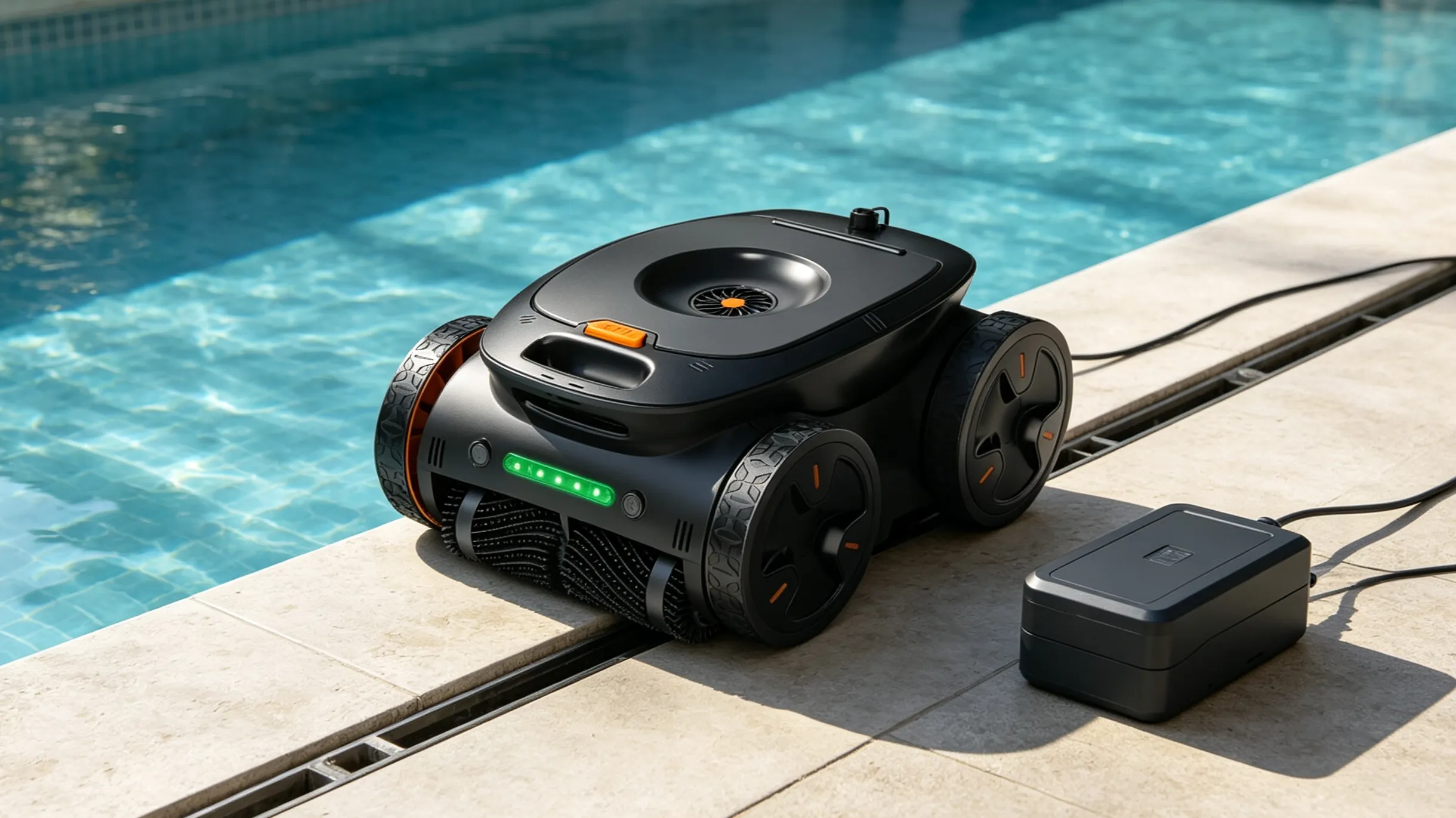
For users who require longer cleaning sessions, Purily Hydro supports flexible power options.
The combination of cordless operation and AC/DC power capability allows users to choose a suitable cleaning method based on pool size and maintenance requirements.
This provides more flexibility for different application scenarios, from regular residential pool maintenance to larger cleaning tasks.
Frequently Asked Questions
Q1: What happens when a robotic pool cleaner runs out of battery?
A: When the battery becomes depleted, the robotic pool cleaner will stop operating. Depending on the model, it may remain where it stopped or use a low-power recovery feature.
Q2: Will a robotic pool cleaner get stuck in the pool when the battery is empty?
A: It depends on the cleaner design. Some models may stop at their current position, while models with docking or retrieval features can make recovery easier.
Q3: How long should a robotic pool cleaner battery last during one cleaning cycle?
A: Battery runtime varies depending on the model, cleaning mode, pool conditions, and operating environment. Users should choose a runtime that matches their pool size and cleaning needs.
Q4: Can I use a robotic pool cleaner while it is charging?
A: Most cordless robotic pool cleaners are designed to operate only when disconnected from the charger. Users should follow the manufacturer's instructions for safe operation.
Q5: Is a cordless robotic pool cleaner better than a corded model?
A: Cordless models offer greater flexibility and easier installation, while corded models can provide continuous operation for longer cleaning tasks. The better choice depends on the pool size and user requirements.
Conclusion
Running out of battery is a common consideration for cordless robotic pool cleaners, but modern designs can help make this situation easier to manage.
Features such as low-power protection, automatic docking, and flexible power options can improve the overall user experience and reduce manual effort.
When choosing a robotic pool cleaner, users should consider not only cleaning performance but also how the device handles low battery situations. A suitable battery system can make pool maintenance more convenient and reliable over time.