Cordless vs. Corded Pool Robots: Which One Should You Buy in 2026?
Cordless Robotic Pool Cleaners
Corded Robotic Pool Cleaners
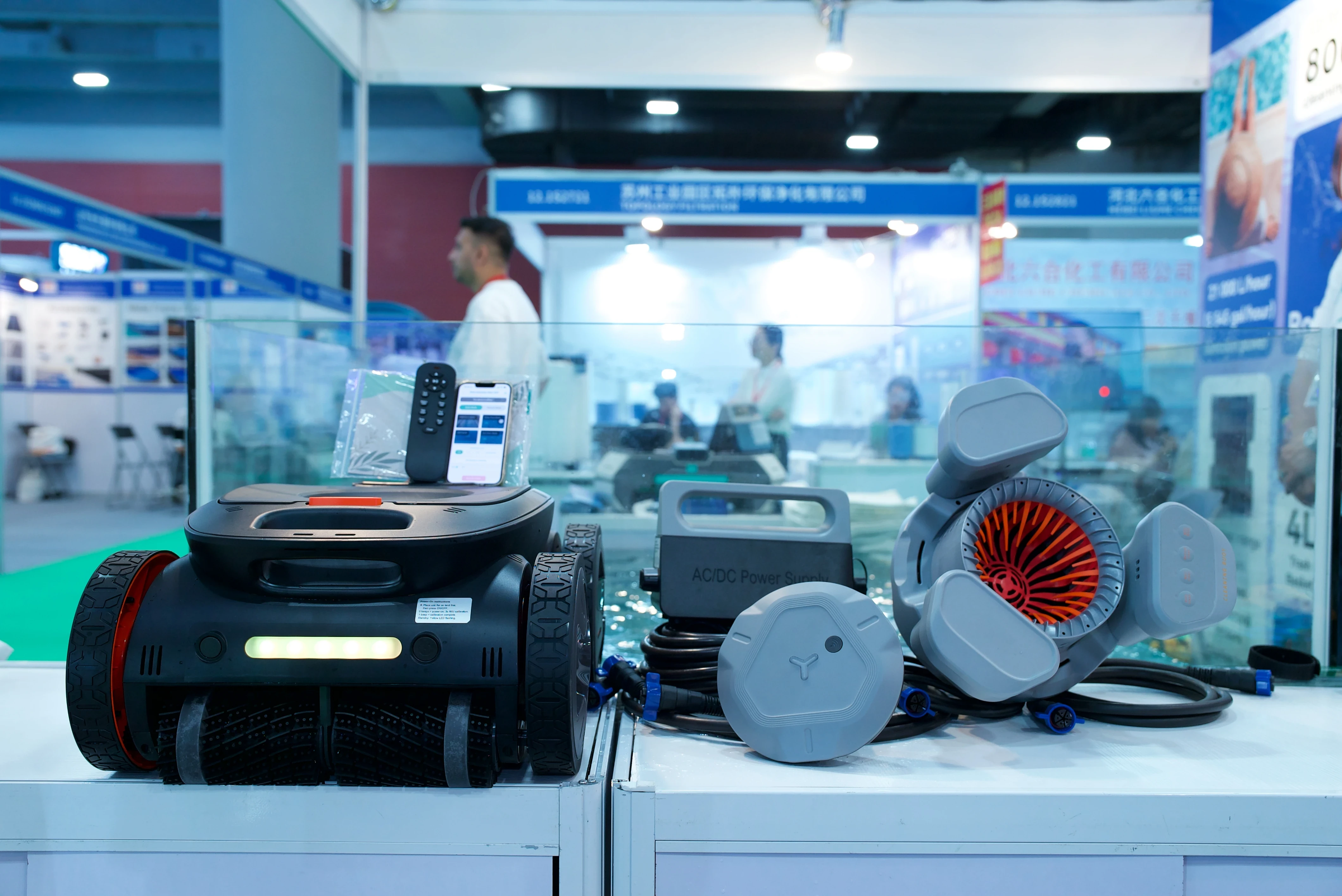
What Are Cordless and Corded Pool Robots?
Pool cleaning robots have revolutionized pool maintenance, offering automated solutions for keeping pools clean and hygienic. Understanding the fundamental differences between cordless and corded pool robots is essential for making an informed purchasing decision that suits your specific pool needs.
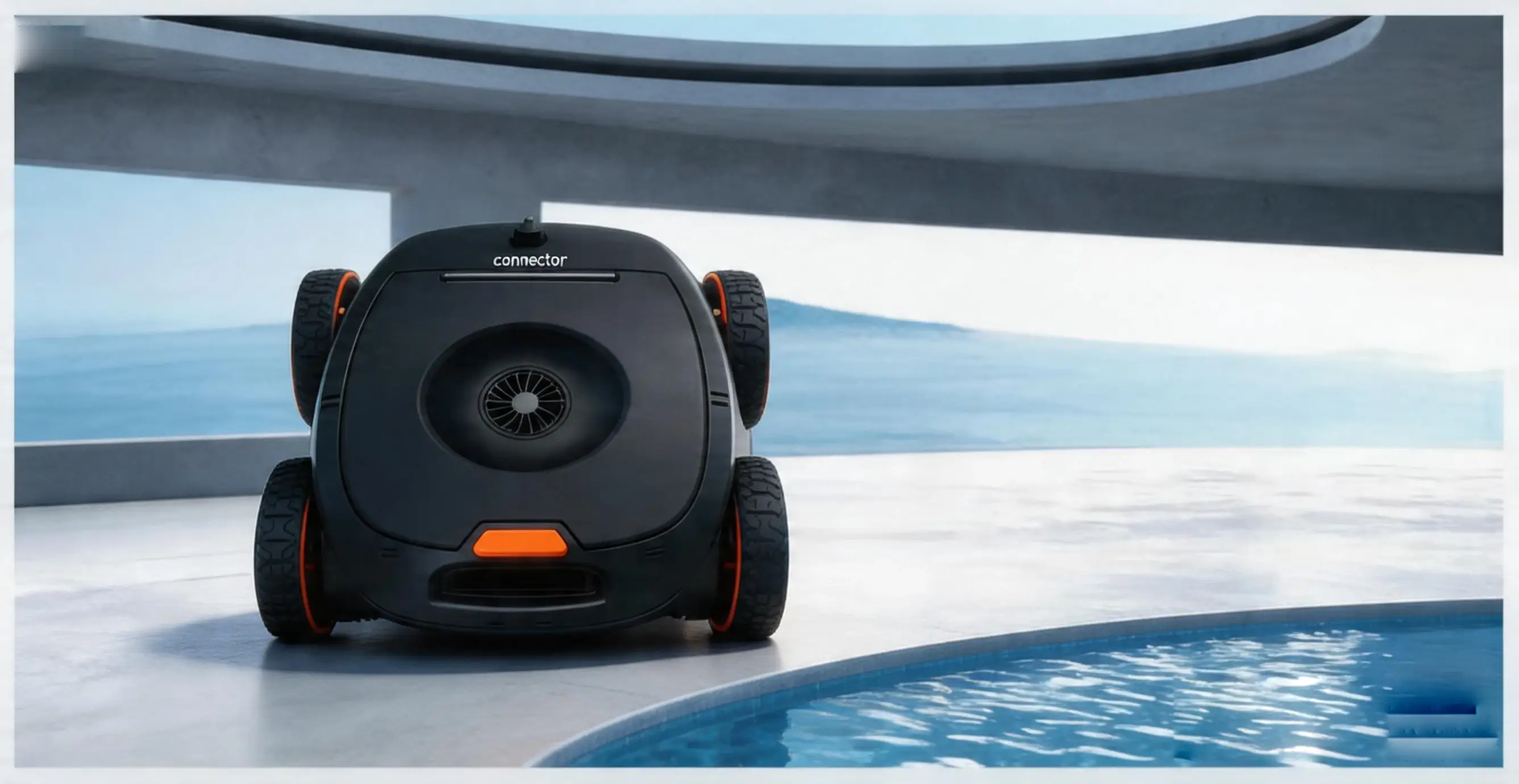
1. Basic Definitions and Operating Principles
1.1 Cordless Pool Robots
Cordless pool robots operate on rechargeable battery power, providing complete freedom of movement without the constraints of power cords. These autonomous units typically run for 60-120 minutes on a single charge, depending on the model and cleaning intensity.
Modern cordless models feature advanced lithium-ion batteries that maintain consistent suction power throughout the cleaning cycle, ensuring thorough debris removal from pool floors, walls, and waterlines.
1.2 Corded Pool Robots
Corded pool robots connect directly to a power source via an electrical cord, typically ranging from 50 to 100 feet in length. These units draw continuous power from the electrical outlet, eliminating concerns about battery life or charging cycles during operation.
The constant power supply allows corded robots to maintain peak performance throughout extended cleaning sessions, making them ideal for larger pools or commercial applications where uninterrupted operation is crucial.
2. Key Operational Differences
2.1 Power Source and Runtime
Cordless: Battery-powered with 60-120 minute runtime
Corded: Continuous power supply with no runtime limitations
Cordless: Requires 3-6 hours for complete recharge
Corded: Immediate operation upon plugging in
2.2 Mobility and Coverage Area
Cordless: Unrestricted movement with 360-degree navigation
Corded: Movement limited by cord length and potential tangling
Cordless: Better suited for irregularly shaped pools
Corded: More predictable cleaning patterns in standard pools
3. Performance Comparison
Feature | Cordless Models | Corded Models |
|---|---|---|
Power Consistency | Decreases as battery drains | Constant maximum power |
Cleaning Duration | 60-120 minutes per charge | Unlimited with power supply |
Initial Cost | Generally higher due to battery technology | Typically more affordable |
Maintenance Requirements | Battery replacement every 2-3 years | Minimal maintenance needed |
Pro Tip: Purily's pool maintenance experts recommend evaluating your pool size and cleaning frequency before choosing between cordless and corded options. For pools under 500 square feet with weekly cleaning needs, cordless models offer optimal convenience and efficiency.
4. Selection Considerations
4.1 Pool Size and Shape
The physical dimensions and configuration of your pool significantly impact the effectiveness of different robot types. Larger pools benefit from corded models' unlimited runtime, while smaller or uniquely shaped pools are better served by cordless units' unrestricted movement capabilities.
Consider factors such as pool depth variations, steps, and corners when evaluating which robot type will provide the most thorough cleaning coverage for your specific pool design.
4.2 Usage Patterns and Convenience
Your cleaning schedule and maintenance preferences play a crucial role in determining the ideal robot type. Cordless models offer the convenience of quick deployment and storage without managing power cords, making them perfect for frequent, light cleaning sessions.
Corded models excel in situations requiring extended cleaning cycles or when dealing with heavy debris accumulation, as they maintain consistent power throughout the entire cleaning process without interruption.
How Do Cordless Pool Robots Work?
Cordless pool robots represent a significant advancement in pool maintenance technology, offering freedom from tangled cords while maintaining powerful cleaning capabilities. These battery-powered pool cleaners combine sophisticated navigation systems with efficient cleaning mechanisms to keep your pool pristine without the limitations of traditional corded models.
1. Core Operating Principles
1.1 Battery-Powered Operation
Cordless pool robots operate using high-capacity lithium-ion batteries, typically providing 90-120 minutes of continuous cleaning on a single charge. These batteries deliver consistent power to drive motors, suction pumps, and navigation systems throughout the cleaning cycle.
Modern cordless models use smart battery management systems that optimize power consumption based on cleaning intensity and pool conditions, extending operational time while maintaining cleaning effectiveness.
1.2 Navigation and Movement
Advanced sensors detect pool walls and obstacles
Programmable cleaning patterns ensure complete coverage
Anti-tangle swivel technology prevents cable entanglement
Intelligent mapping creates efficient cleaning routes
2. Cleaning Mechanism
2.1 Suction and Filtration System
The cleaning process begins when the robot's powerful pump creates suction to draw water and debris through intake ports. Water passes through multiple filter stages, trapping particles as small as 2 microns while returning clean water to the pool.
Brush systems work in conjunction with suction, using rotating or oscillating action to dislodge stubborn debris from pool surfaces before it's captured by the filtration system.
2.2 Surface Coverage Technology
Cordless pool robots employ various cleaning patterns including random, systematic, and wall-climbing modes. Wall-climbing capability is achieved through specialized tracks or wheels with enhanced grip, allowing the robot to clean waterline areas and vertical surfaces effectively.
Some advanced models feature waterline detection sensors that trigger specialized cleaning cycles when the robot approaches the pool's edge, ensuring thorough cleaning of the often-neglected waterline area.
3. Battery Management and Charging
3.1 Charging Process
Charging typically requires 4-6 hours using a standard 110V outlet. Most models feature automatic shut-off when fully charged to prevent overcharging and extend battery life. Some premium models offer quick-charge capabilities, reducing charging time to 2-3 hours.
Battery indicators provide real-time status updates, allowing users to monitor charge levels and plan cleaning schedules accordingly. Many robots automatically return to their charging dock when battery levels drop below a predetermined threshold.
3.2 Battery Maintenance
Pro Tip: Purily recommends fully charging your cordless pool robot before initial use and storing it with a partial charge during extended periods of non-use to maximize battery lifespan.
Proper battery care includes avoiding extreme temperatures and ensuring the robot is completely dry before charging. Most lithium-ion batteries in cordless pool robots maintain 80% capacity after 300-500 charge cycles.
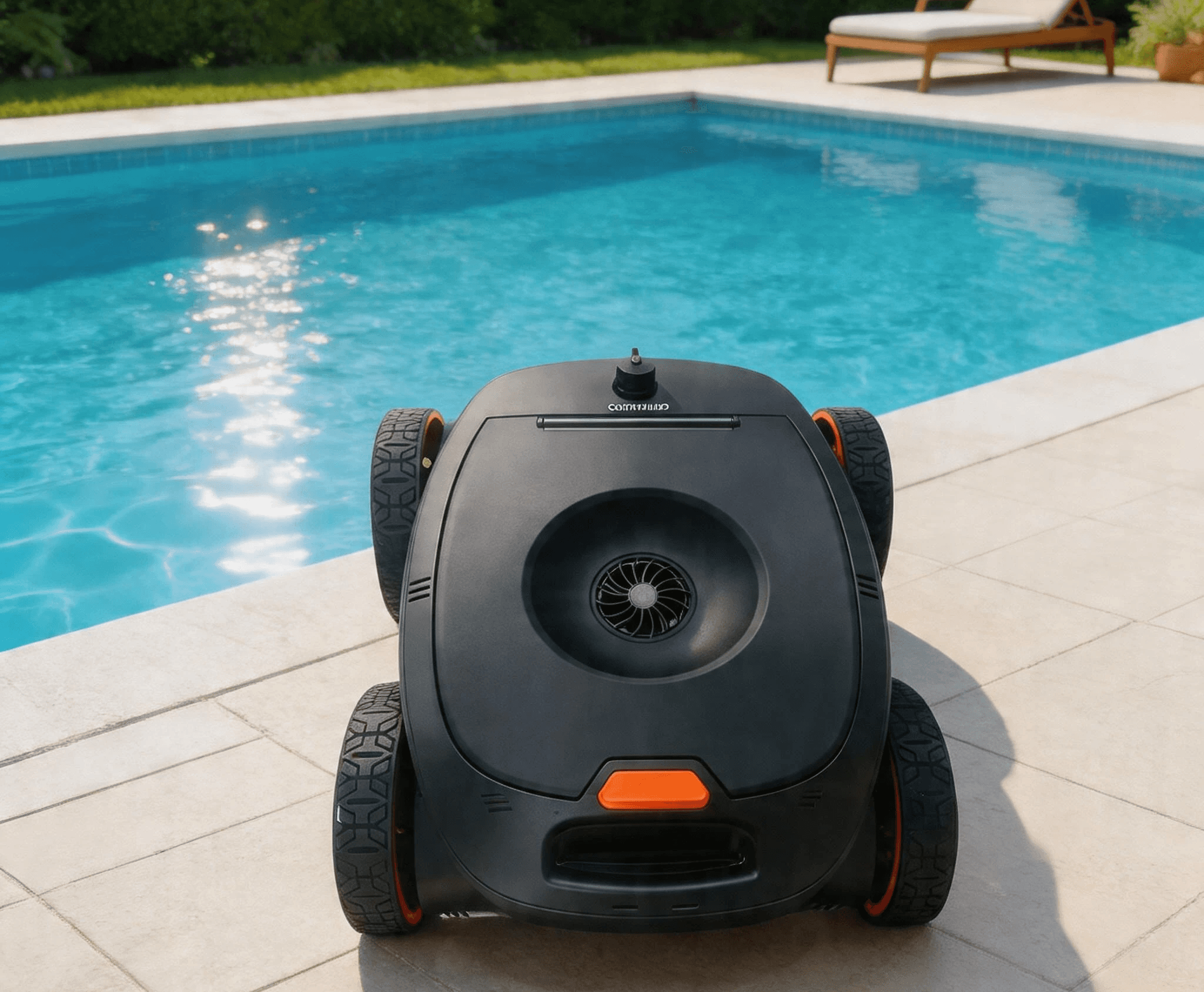
How Do Corded Pool Robots Work?
Corded pool robots operate by connecting to a power source through a waterproof cable, providing continuous cleaning power without battery limitations. These electric pool cleaning systems use advanced navigation technology to systematically clean pool surfaces while maintaining consistent suction and scrubbing performance. Purily recommends considering corded models for larger pools where uninterrupted operation is essential.
1. Power Connection and Electrical Requirements
1.1 Power Supply Setup
Corded pool robots connect to GFCI-protected outlets with 120V or 240V power supplies, depending on the model. The power supply converts standard household voltage to the lower voltage required by the robot's motor and control systems. Most units include a transformer box that sits at least 10 feet from the pool edge for safety.
Power cables typically range from 50 to 100 feet in length, with reinforced insulation to prevent water damage. The connection point between the cable and robot features a waterproof seal that prevents electrical hazards while allowing full range of motion.
1.2 Energy Consumption Analysis
Corded pool robots consume between 150 to 400 watts during operation, significantly less than traditional pressure-side cleaners that require booster pumps. Energy usage varies based on cleaning mode, with intensive scrubbing cycles drawing more power than basic vacuuming functions. The continuous power supply eliminates the efficiency losses associated with battery charging and discharging cycles.
Annual operating costs typically range from $50 to $150, depending on local electricity rates and cleaning frequency. This predictable energy consumption makes corded models more economical for pools requiring frequent cleaning.
2. Navigation and Cleaning Mechanism
2.1 Movement Control Systems
Corded robots use advanced algorithms to map pool dimensions and create efficient cleaning paths. The control system monitors cable length and prevents tangling through intelligent routing. Most models can clean pools up to 50 feet in length while maintaining consistent power delivery through the entire cleaning cycle.
Navigation sensors detect obstacles and adjust cleaning patterns automatically. The robot's movement is limited only by cable length, allowing it to cover large areas without returning to a charging station.
2.2 Cleaning Components and Filtration
The cleaning mechanism combines rotating brushes, powerful suction, and fine-mesh filtration to remove debris of all sizes. Water is drawn through the robot's intake, filtered, and returned to the pool, creating circulation that helps distribute chemicals evenly. The continuous power supply maintains consistent suction pressure throughout the cleaning cycle.
Filtration systems capture particles as small as 2 microns, including algae spores and fine dust. The robot's onboard pump creates sufficient pressure to scrub pool surfaces effectively while the filtration system prevents debris from re-entering the water.
3. Installation and Setup Considerations
3.1 Initial Setup Requirements
Position power supply on a level surface at least 10 feet from pool edge
Ensure GFCI outlet is properly installed and tested
Uncoil cable completely before first use to prevent memory bends
Verify pool dimensions match robot's cleaning capacity specifications
Proper setup ensures optimal performance and extends the life of both the robot and its power cable. Purily technicians recommend testing all electrical connections before submerging the robot for the first time.
3.2 Maintenance and Storage Guidelines
After each use, rinse the robot and cable with fresh water to remove chlorine and other chemicals that can degrade materials. Store the robot in a shaded area away from direct sunlight, which can damage plastic components and fade the cable's protective coating. The power cable should be loosely coiled rather than tightly wound to prevent internal wire damage.
Regular maintenance includes cleaning filter cartridges, inspecting brushes for wear, and checking cable connections for corrosion. Most manufacturers recommend replacing the power cable every 3-5 years depending on usage and storage conditions.
Pro Tip: Purily recommends measuring your pool's longest dimension and adding 10 feet when selecting cable length to ensure adequate reach for all cleaning areas.
Cordless vs Corded Pool Robot: Key Differences
Choosing between cordless and corded pool robots can significantly impact your pool maintenance experience. Purily experts have analyzed both options to help you make an informed decision based on your specific pool needs and preferences.
1. Power Source and Mobility
1.1 Cordless Pool Robots
Cordless pool robots operate on rechargeable batteries, offering complete freedom of movement without power cord limitations. These models typically provide 60-120 minutes of cleaning time per charge, covering pools up to 50 feet in length.
Modern cordless units feature quick-charge technology, reaching full battery capacity in 2-4 hours. The absence of cords eliminates tangling issues and allows access to tight corners and irregular pool shapes.
1.2 Corded Pool Robots
Corded pool robots draw continuous power from electrical outlets, providing unlimited cleaning time for larger pools. These models typically include swivel cables that prevent tangling during operation, with lengths ranging from 50 to 100 feet.
Professional-grade corded units often feature dual-drive motors and advanced navigation systems, delivering consistent suction power throughout the cleaning cycle. The reliable power supply supports more demanding cleaning tasks and larger debris collection.
2. Performance and Cleaning Efficiency
2.1 Cleaning Coverage and Speed
Cordless models: 60-90 minutes per cleaning cycle
Corded models: 2-4 hours continuous operation
Coverage area: Cordless up to 50ft, Corded up to 100ft+
Navigation: Cordless uses random patterns, Corded employs smart mapping
Corded robots typically achieve 98% coverage in a single cycle, while cordless units may require multiple passes for complete coverage. However, cordless models excel in quick spot cleaning and smaller pools.
2.2 Filtration and Debris Handling
Corded pool robots generally offer superior filtration capabilities with multiple filter options for different debris types. Their continuous power enables stronger suction and larger filter capacity, handling leaves, sand, and fine particles effectively.
Cordless units have evolved significantly, with premium models featuring dual-stage filtration systems and enhanced suction power. While filter capacity is more limited, they provide adequate cleaning for most residential pools and excel in removing surface debris.
3. Convenience and Maintenance
3.1 Setup and Storage
Cordless robots offer plug-and-play convenience with minimal setup requirements. Simply charge the battery and deploy the unit. Storage is simplified as there's no need to manage power cords, though battery maintenance requires attention to charging cycles.
Corded models require more initial setup, including cord management and outlet positioning. However, they eliminate battery concerns and often feature easier filter access for cleaning. Professional installation may be recommended for optimal cord routing.
3.2 Long-term Costs and Durability
Factor | Cordless | Corded |
|---|---|---|
Initial Cost | $400-$1,200 | $500-$1,500 |
Maintenance | Battery replacement ($150-$300/2-3 years) | Minimal, occasional cable repair |
Energy Efficiency | Variable based on battery charging | Consistent, often more efficient |
Pro Tip: Purily recommends evaluating your pool size and cleaning frequency before choosing. Cordless models suit smaller pools with occasional deep cleaning, while corded robots excel for larger pools requiring regular maintenance.
4. Technology and Features
4.1 Smart Features and Control
Modern cordless pool robots often include Bluetooth or Wi-Fi connectivity, allowing smartphone control and scheduling. Advanced models feature water temperature sensors and automatic return-to-base functions when battery levels are low.
Corded robots typically offer more sophisticated navigation systems with gyroscopic mapping and programmable cleaning cycles. Many premium corded models include remote control operation and detailed cleaning reports through companion apps.
4.2 Safety Considerations
Cordless robots eliminate electrical hazards associated with water exposure, making them safer for households with children or pets. The sealed battery compartments meet IP68 waterproof standards, ensuring safe operation in all pool conditions.
Corded models require careful installation to prevent tripping hazards and ensure proper GFCI protection. Professional installation ensures compliance with electrical codes and optimal cord management for safe, reliable operation.
Both cordless and corded pool robots offer distinct advantages depending on your specific needs. Consider your pool size, cleaning requirements, and budget to determine which option best suits your lifestyle. Purily experts are available to provide personalized recommendations based on your unique pool characteristics.
Which Pool Robot Is Better for Your Pool Size?
Choosing between cordless and corded pool robots depends largely on your pool's dimensions and shape. The right selection ensures efficient cleaning without unnecessary limitations or complications. Purily experts recommend matching your robot's capabilities to your specific pool requirements for optimal performance.
1. Understanding Pool Size Requirements
1.1 Measuring Your Pool Dimensions
Accurate measurements are crucial for selecting the right pool robot. Measure your pool's length, width, and average depth to calculate the total surface area. For irregular shapes, break the pool into sections and sum their areas individually.
Standard residential pools range from 300 to 1,200 square feet, while commercial pools can exceed 2,000 square feet. These measurements directly impact the cleaning time and battery life needed for cordless models.
1.2 Coverage Area Considerations
Corded pool robots typically offer unlimited cleaning time but limited reach based on cord length. Most corded models provide 50-100 feet of cable, suitable for medium to large pools. The cord length determines the maximum pool size the robot can effectively clean.
Cordless robots excel in smaller to medium-sized pools where battery life becomes the limiting factor. Modern cordless models offer 90-150 minutes of runtime, covering approximately 800-1,200 square feet on a single charge.
2. Pool Type and Robot Compatibility
2.1 Above-Ground vs. In-Ground Pools
Above-ground pools typically have simpler geometries and require less powerful cleaning systems. Cordless robots work exceptionally well for above-ground pools under 24 feet in diameter, offering easy setup and storage. The lightweight design makes handling and maintenance simpler.
In-ground pools demand more robust cleaning capabilities due to their larger size and complex shapes. Corded robots provide consistent power for thorough cleaning of steps, walls, and floor surfaces in in-ground installations.
2.2 Pool Shape Impact on Robot Selection
Rectangular pools: Both robot types work well, with corded models offering edge-to-edge coverage
Freeform pools: Cordless robots provide better maneuverability around curves and obstacles
L-shaped pools: Corded models with swivel cords prevent tangling in complex layouts
Kidney-shaped pools: Cordless robots navigate organic shapes more effectively
3. Performance Factors by Pool Size
3.1 Small Pools (Under 400 sq ft)
Cordless robots are ideal for small pools, offering complete coverage within their battery life. The absence of cords eliminates storage concerns and simplifies operation. Most small pools can be cleaned in under 60 minutes, well within typical cordless runtime capabilities.
The lower power requirements of small pools mean cordless models can operate at full efficiency without draining batteries prematurely. This results in longer overall battery life and reduced charging frequency.
3.2 Medium Pools (400-800 sq ft)
Medium-sized pools represent the sweet spot for both cordless and corded options. Cordless robots with extended battery life can handle these sizes effectively, while corded models provide unlimited cleaning time without range limitations.
Consider your pool's shape and obstacles when choosing. Medium pools with complex features may benefit from cordless maneuverability, while simple rectangular shapes work well with either option.
Pro Tip: Purily technicians recommend testing your pool's cleaning requirements during peak debris season to determine whether battery life or cord reach becomes the limiting factor in your specific situation.
4. Making Your Final Decision
4.1 Budget Considerations
Cordless pool robots typically cost 20-30% more than comparable corded models due to battery technology and convenience features. However, the price difference often justifies itself through easier operation and storage benefits.
Factor in long-term costs including battery replacement every 3-5 years for cordless models versus potential cord damage and replacement for corded units.
4.2 Usage Patterns and Convenience
Consider how frequently you'll use the robot and your storage capabilities. Cordless models offer superior convenience for weekly use and limited storage space. Corded robots excel for daily use where unlimited runtime outweighs setup complexity.
Evaluate your willingness to manage cords versus battery charging. Some users prefer the simplicity of plugging in and going, while others value the freedom from cords entirely.
Top 5 Cordless and Corded Pool Robots in 2024
Choosing between cordless vs corded pool robot options requires understanding the latest innovations in automated pool cleaning technology. As pool owners seek more efficient and convenient solutions, manufacturers have responded with advanced models featuring improved battery life, enhanced suction power, and smart navigation systems. Purily has analyzed the market to bring you the top performers that balance cleaning efficiency with user convenience.
1. Dolphin Nautilus CC Supreme
1.1 Key Features and Performance
The Dolphin Nautilus CC Supreme stands out with its powerful dual scrubbing brushes and advanced scanning technology. This corded model features three cleaning modes and can clean pools up to 50 feet in length. The CleverClean navigation system ensures complete coverage without missing spots.
With a price range of $1,200-$1,400, this model offers excellent value for its comprehensive cleaning capabilities and durability.
1.2 User Reviews and Ratings
4.7/5 stars from 1,200+ verified purchasers
Praised for consistent performance across different pool surfaces
Users report 2-3 hour cleaning cycles for average-sized pools
2. Aiper Seagull SE Cordless
2.1 Battery Life and Coverage
The Aiper Seagull SE represents the best cordless vs corded pool robot compromise with its 90-minute runtime and dual-drive motors. This lightweight model weighs only 11 pounds and can clean pools up to 33 feet. The 2.5-hour charging time allows for multiple cleaning sessions per day.
Priced between $300-$350, it offers an affordable entry point for cordless pool cleaning technology.
2.2 Design and Usability
Self-parking feature when battery is low
Large filter basket capacity (3.9L)
IPX8 waterproof rating for enhanced durability
3. Polaris 9550 Sport
3.1 Advanced Navigation System
The Polaris 9550 Sport features ActivMotion Sensor technology that enables precise navigation even in larger, freeform pools. This corded model includes a 70-foot cable with swivel to prevent tangling and a 4-wheel drive system for superior wall climbing ability.
At $1,100-$1,300, it delivers premium features including waterline scrubbing and programmable cleaning cycles.
3.2 Cleaning Performance
With Vortex Vacuum Technology, this model captures debris as small as 2 microns. The filter canister holds up to 4 liters of debris, reducing the frequency of emptying during cleaning sessions.
4. Wybot Osprey 200
4.1 Cordless Innovation
The Wybot Osprey 200 features a unique dual-battery system providing up to 120 minutes of continuous cleaning. This cordless vs corded pool robot alternative uses intelligent path planning to maximize coverage while minimizing overlap.
Available for $450-$500, it includes a quick-charge option that provides 60 minutes of cleaning after just 1 hour of charging.
4.2 Smart Features
App connectivity for remote control and scheduling
Obstacle detection and avoidance system
Self-docking technology for easy retrieval
5. Hayward TigerShark QC
5.1 Quick Clean Technology
The Hayward TigerShark QC offers a unique Quick Clean cycle that completes most pool cleaning tasks in just 90 minutes. This corded model features a powerful 24-volt motor and a cartridge filter system that captures particles as small as 2 microns.
With a price range of $950-$1,100, it provides excellent value for its cleaning efficiency and reliability.
5.2 Maintenance and Durability
The easy-access cartridge filter system simplifies maintenance, while the reinforced tracks ensure reliable performance on various pool surfaces. Users report an average lifespan of 5-7 years with proper care.
Pro Tip: When selecting between cordless vs corded pool robot models, Purily recommends considering your pool size and shape first. Corded models offer unlimited runtime for larger pools, while cordless options provide greater convenience for smaller installations.
Comparison Table
Model | Type | Price Range | Coverage | Battery/Runtime |
|---|---|---|---|---|
Dolphin Nautilus CC Supreme | Corded | $1,200-$1,400 | 50 ft | N/A |
Aiper Seagull SE | Cordless | $300-$350 | 33 ft | 90 min |
Polaris 9550 Sport | Corded | $1,100-$1,300 | 60 ft | N/A |
Wybot Osprey 200 | Cordless | $450-$500 | 40 ft | 120 min |
Hayward TigerShark QC | Corded | $950-$1,100 | 55 ft | N/A |
The cordless vs corded pool robot decision ultimately depends on your specific needs, pool characteristics, and budget. Consider factors like pool size, cleaning frequency, and storage convenience when making your final selection.
FAQS
Q1: How long do cordless pool robot batteries typically last?
Most cordless pool robot batteries last 3-5 years with proper maintenance, providing 300-500 complete charge cycles before capacity begins to diminish significantly.
Q2: Can cordless pool robots clean large pools effectively?
Yes, modern cordless pool robots can clean pools up to 50 feet in length, though larger pools may require multiple cleaning cycles or robots with extended battery life.
Q3: Are cordless pool robots as powerful as corded models?
Today's cordless pool robots offer comparable cleaning power to corded models, with some premium units providing even stronger suction and more advanced navigation capabilities.
Q4: How do I know when my cordless pool robot needs charging?
Most models feature LED indicators or smartphone notifications that alert you when battery levels drop below 20%, giving you ample time to plan the next charging cycle.
Q5: What maintenance is required for cordless pool robots?
Regular maintenance includes cleaning filters after each use, checking brushes for wear, and ensuring the charging contacts remain clean and free of corrosion.