How Much Electricity Does a Robotic Pool Cleaner Use? Energy Efficiency Explained
Introduction
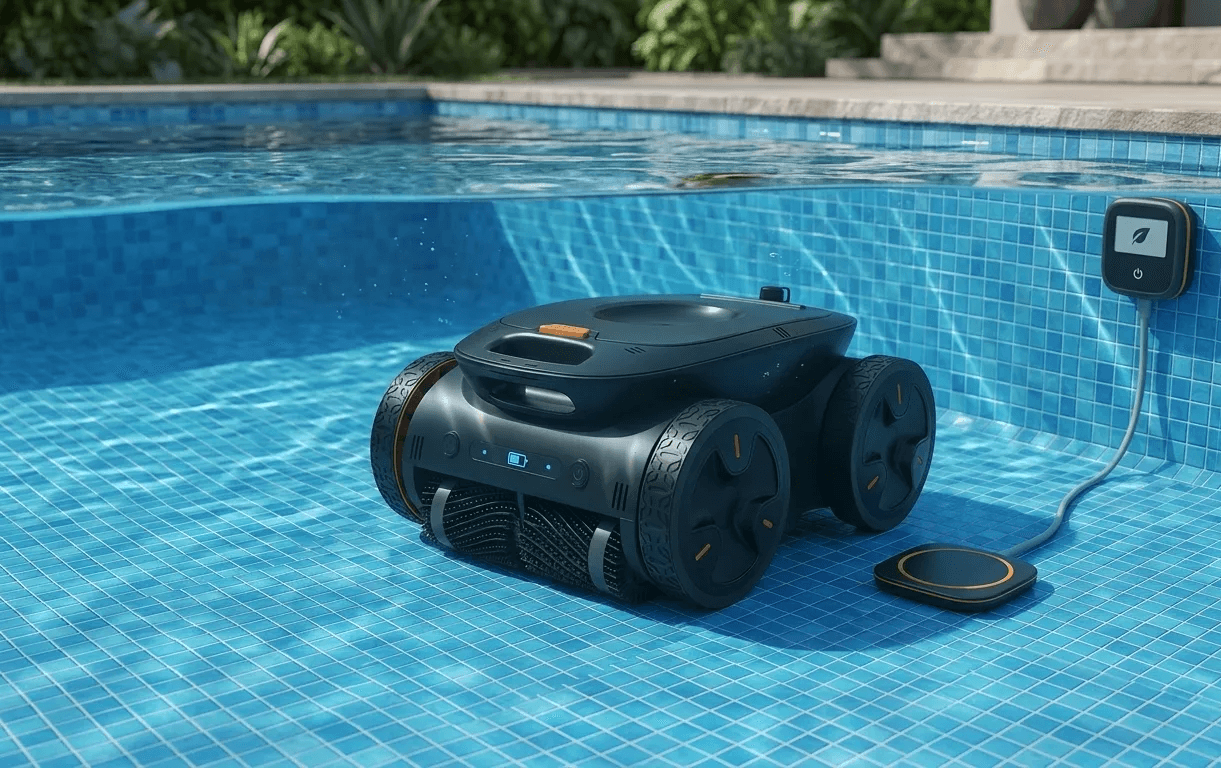
Energy consumption is an important consideration when choosing a robotic pool cleaner. While automatic cleaning provides convenience, many pool owners want to understand how much electricity a robotic cleaner actually uses during regular operation.
Compared with traditional pool maintenance equipment, robotic pool cleaners are designed to perform cleaning tasks independently with dedicated motors and intelligent control systems. Their actual energy usage depends on factors such as cleaning duration, pool size, operating mode, and power system design.
Understanding these factors can help users evaluate the long-term operating cost of a robotic pool cleaner.
How Much Electricity Does a Robotic Pool Cleaner Consume?
The electricity consumption of a robotic pool cleaner varies depending on the model and cleaning conditions. Unlike traditional pool systems that may require continuous operation, robotic cleaners typically run only during scheduled cleaning cycles.
Most energy usage comes from components such as the drive motors, suction motor, navigation system, and control functions. A cleaner with optimized power management can complete cleaning tasks while maintaining reasonable energy consumption.
Factors That Affect Electricity Usage
Several factors can influence how much energy a robotic pool cleaner uses during operation.
Pool size is one of the main factors. Larger pools usually require longer cleaning cycles, which means the cleaner may operate for more time compared with smaller residential pools.
Cleaning conditions also affect energy usage. Pools with heavier debris, more complex layouts, or additional cleaning requirements may require longer operation to achieve complete coverage.
Cleaning Frequency and Operating Time
How often a robotic pool cleaner is used also affects overall energy consumption.
A cleaner running several short cycles throughout the week may consume less energy than a system operating for extended periods without considering actual cleaning requirements.
Choosing an appropriate cleaning schedule based on pool conditions helps maintain efficiency while avoiding unnecessary operation.
Why Robotic Pool Cleaners Can Be Energy Efficient
Robotic pool cleaners are designed to focus energy directly on cleaning tasks. Unlike some traditional pool maintenance methods that depend on larger circulation systems, robotic cleaners operate independently inside the pool.
This dedicated operation allows users to clean the pool when needed instead of running additional equipment for longer periods.
Independent Cleaning Operation
A robotic pool cleaner uses built-in motors and control systems to move, collect debris, and clean pool surfaces without requiring constant manual operation.
This independent design allows the cleaner to perform targeted cleaning cycles based on actual pool conditions.
Smart Power Management
Modern robotic pool cleaners often include features that help manage energy use more effectively.
Functions such as automatic cleaning modes, low-power detection, and optimized operation cycles help reduce unnecessary energy consumption while maintaining cleaning performance.
Battery vs AC/DC Power Supply: Different Energy Solutions
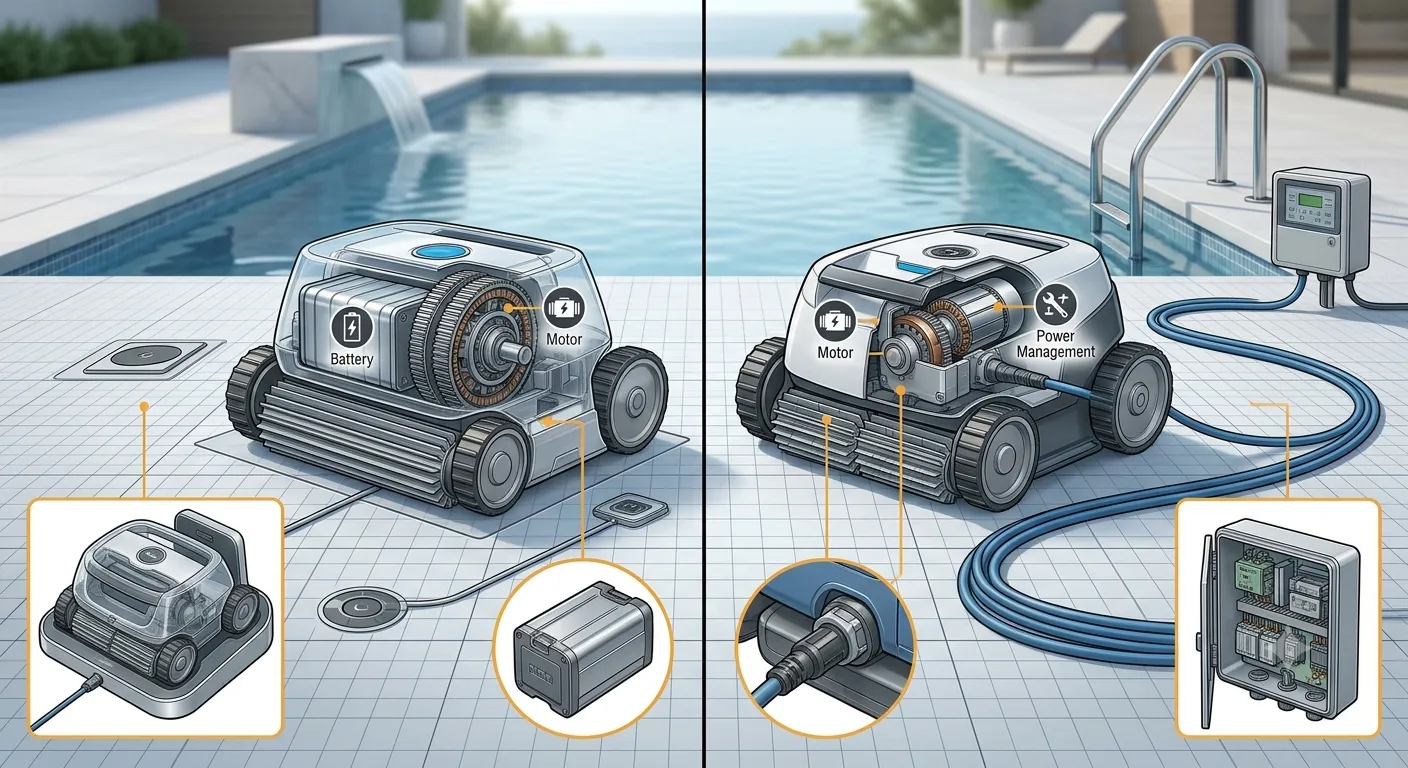
Robotic pool cleaners can use different power systems depending on their design and application requirements. The choice between battery-powered operation and continuous power supply can affect cleaning flexibility, operating time, and energy management.
Cordless Operation for Flexible Cleaning
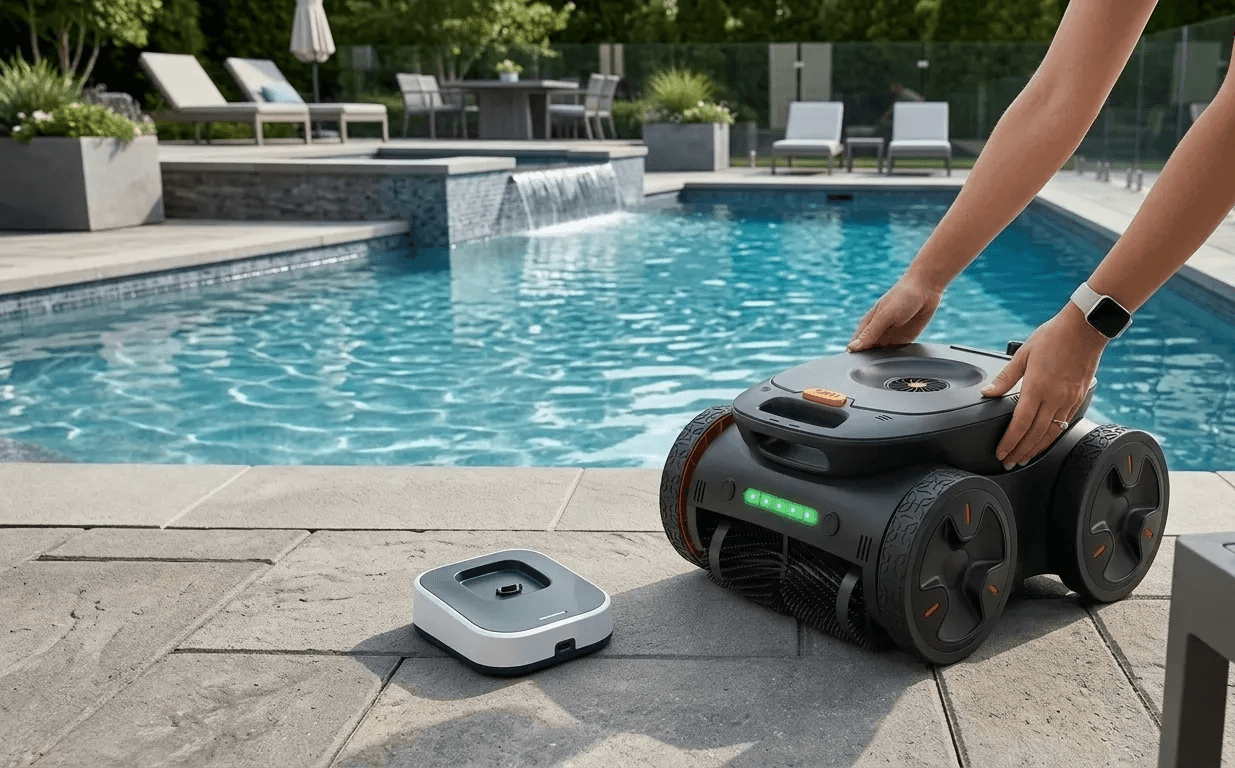
Cordless robotic pool cleaners use built-in batteries to power movement and cleaning functions. This design provides greater flexibility because users do not need to manage a direct power connection during operation.
Battery-powered models are often suitable for residential pools where convenience and simple operation are important. The cleaner can complete scheduled cleaning cycles without requiring additional cable management.
AC/DC Power Supply for Extended Operation
Some robotic pool cleaners support AC/DC power options to provide more flexibility for different pool conditions.
For larger pools or longer cleaning sessions, a continuous power connection can help maintain stable operation without being limited by battery capacity.
The most suitable power solution depends on factors such as pool size, cleaning frequency, and user preferences.
How Purily Hydro Improves Energy Efficiency
Purily Hydro combines intelligent cleaning technology and flexible power management to improve cleaning efficiency while maintaining reasonable energy use.
Instead of relying on unnecessary operation time, Hydro models are designed to provide targeted cleaning through intelligent functions and optimized systems.
Low-Power Docking for Better Battery Management
Low-power docking helps improve convenience for cordless cleaning models. When battery power becomes low, the cleaner can automatically respond based on its power status.
This reduces the difficulty of retrieving the cleaner and helps users manage charging more efficiently.
Flexible Cleaning Modes for Different Needs
Different pool conditions require different cleaning approaches. Purily Hydro supports automatic and manual cleaning options, allowing users to select suitable cleaning methods based on their requirements.
By choosing the appropriate cleaning mode and operation schedule, users can avoid unnecessary energy consumption while maintaining pool cleanliness.
Efficient Movement and Cleaning Systems
Energy efficiency is not only related to power consumption but also how effectively the cleaner uses that power.
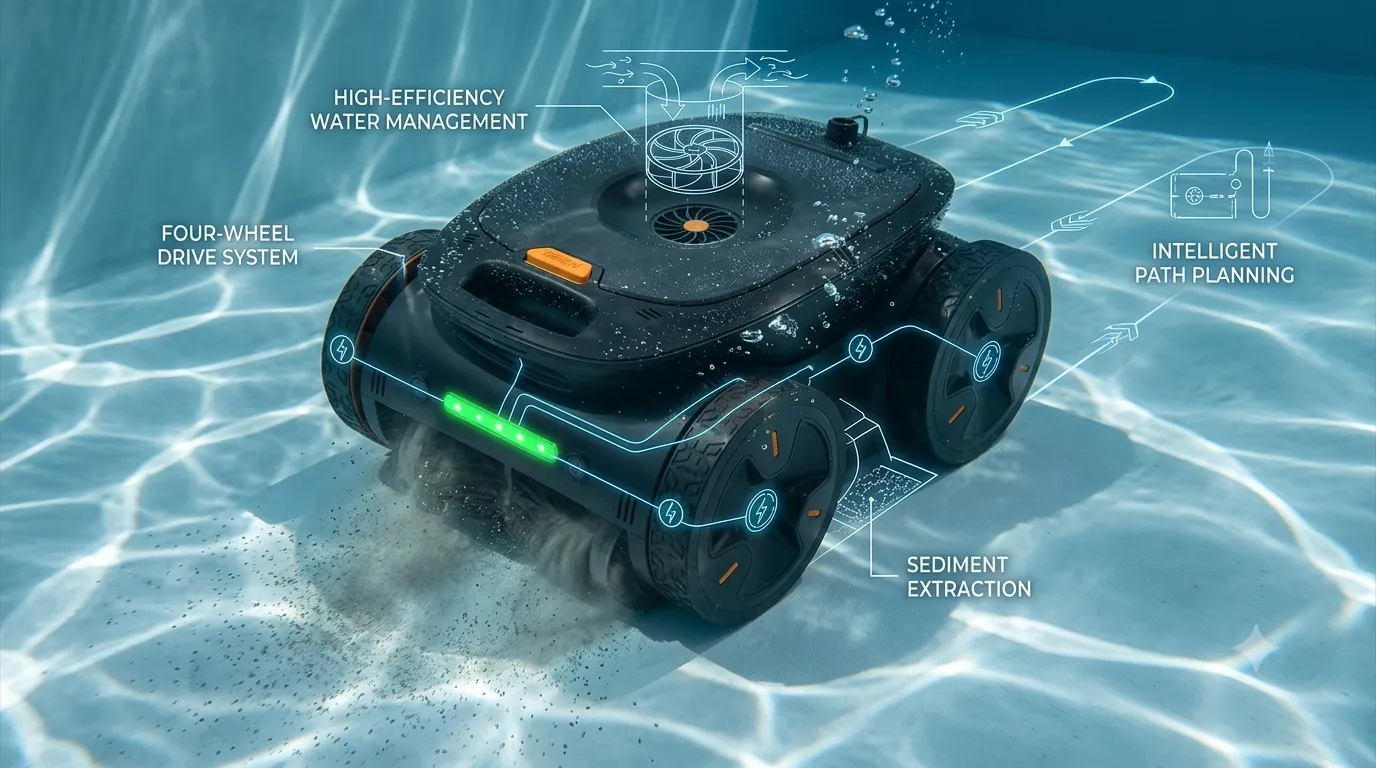
Features such as four-wheel drive movement, intelligent path planning, and optimized cleaning systems help the robot complete cleaning tasks more effectively instead of spending extra energy on inefficient movement.
Frequently Asked Questions
Q1: Do robotic pool cleaners use a lot of electricity?
A: No. Robotic pool cleaners are designed to operate only during cleaning cycles, and actual electricity usage depends on factors such as operating time, pool size, and cleaning requirements.
Q2: How long does a robotic pool cleaner run per cleaning cycle?
A: The cleaning cycle depends on the model and operating conditions. Different cleaners may have different runtimes based on battery capacity, cleaning modes, and pool requirements.
Q3: Are cordless robotic pool cleaners more energy efficient?
A: Cordless models provide flexible operation and can be energy efficient when used with suitable cleaning schedules. However, energy efficiency also depends on the cleaner’s design and power management system.
Q4: Does a larger pool require more electricity to clean?
A: Generally, larger pools may require longer cleaning cycles, which can increase energy consumption. Selecting a cleaner that matches the pool size helps maintain better efficiency.
Q5: Can smart features reduce robotic pool cleaner energy use?
A: Yes. Features such as intelligent cleaning modes, optimized movement, and low-power management can help reduce unnecessary operation and improve overall efficiency.
Conclusion
The electricity usage of a robotic pool cleaner depends on multiple factors, including cleaning time, pool size, power system, and operating features.
A well-designed robotic cleaner can provide effective pool maintenance while keeping energy consumption under control. By choosing suitable cleaning schedules and using features such as smart power management, users can achieve a balance between cleaning performance and energy efficiency.