Cordless vs Corded Robotic Pool Cleaners: Which One Is Better for Your Pool?

Introduction
Choosing a robotic pool cleaner involves more than considering cleaning performance alone. While many pool owners focus on features such as cleaning ability, navigation, and coverage, the power design of the cleaner also affects the overall user experience.
One of the most common choices buyers face is whether to choose a cordless or corded robotic pool cleaner. Both types are designed to automate pool cleaning, but they operate differently and provide different advantages depending on pool size, usage habits, and personal preferences.
Understanding the differences between cordless and corded models can help pool owners choose a cleaner that better matches their specific needs instead of simply selecting a device based on appearance or features.
How Corded Robotic Pool Cleaners Work
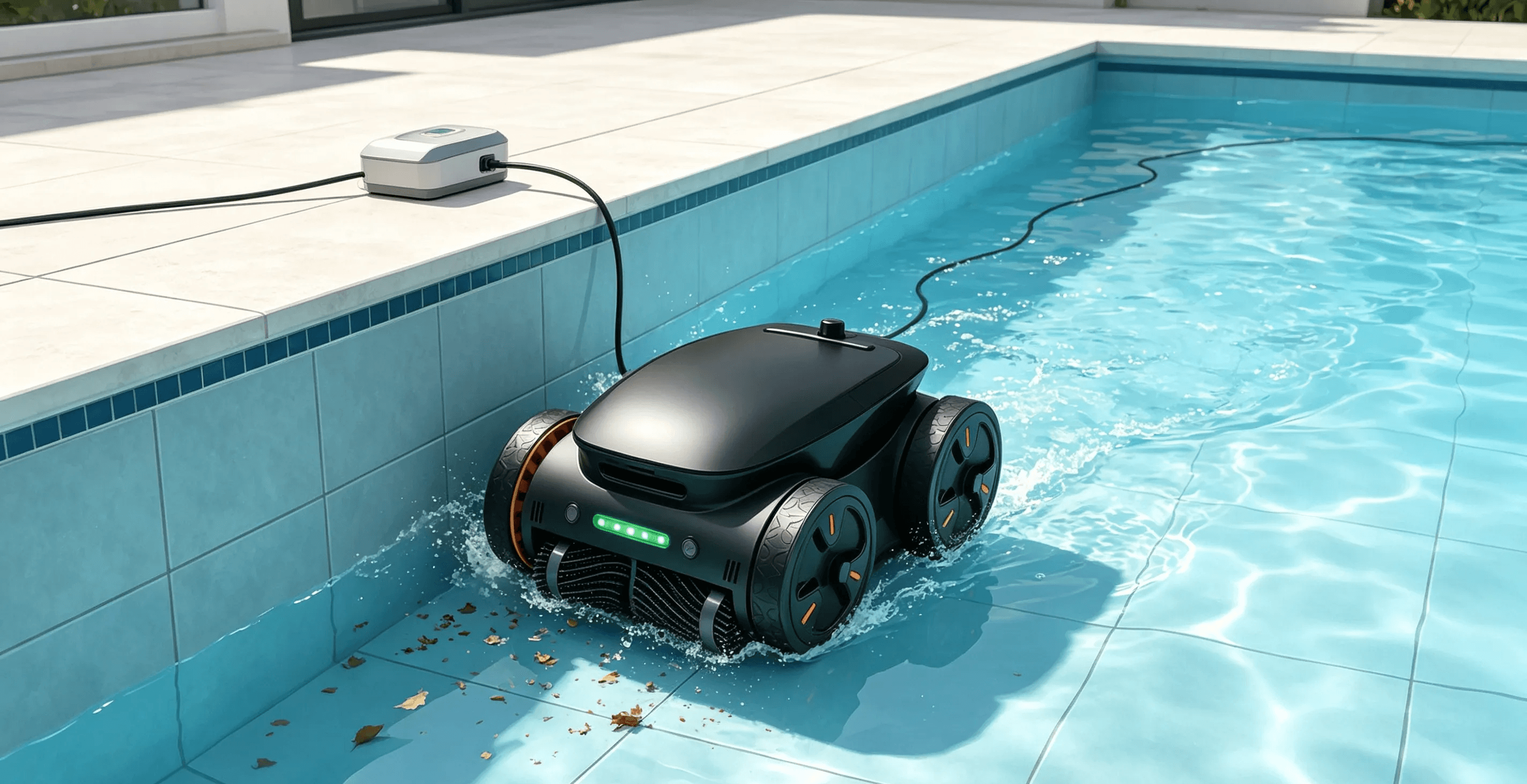
Corded robotic pool cleaners use a power cable to receive continuous electricity during operation. The cable connects the cleaner to an external power supply, allowing the device to operate without depending on an internal battery.
This traditional design has been widely used in robotic pool cleaners because it provides a stable power source and allows the cleaner to complete longer cleaning cycles without needing to recharge.
For pool owners who prioritize consistent operation and extended cleaning time, corded models can provide a reliable solution.
Advantages of Continuous Power Supply
One of the main benefits of corded robotic pool cleaners is that they can operate as long as they remain connected to the power source. Unlike battery-powered models, they do not require users to wait for charging before the next cleaning session.
This can be especially useful for larger pools or situations where longer cleaning cycles are needed. With a continuous power connection, users can schedule cleaning without worrying about battery capacity during operation.
However, corded cleaners also require users to manage the power cable properly. The cable needs enough space to move freely in the pool while avoiding unnecessary tangling or interference.
How Cordless Robotic Pool Cleaners Work
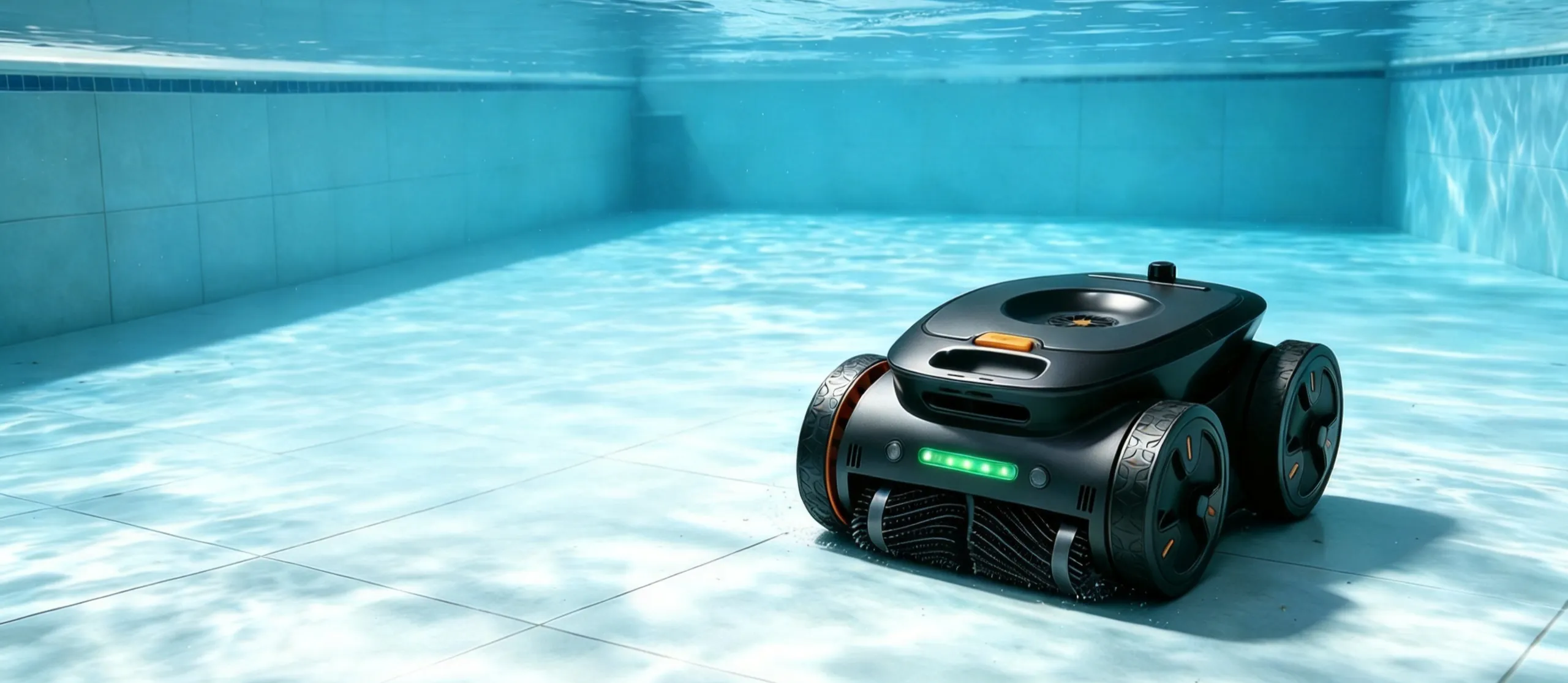
Cordless robotic pool cleaners operate using a built-in rechargeable battery instead of a direct power connection. This design removes the need for a cable during cleaning, allowing the device to move more freely throughout the pool.
As battery technology continues to improve, cordless models have become increasingly popular among pool owners who value convenience and easier operation.
Without a cable connected to an external power source, users can simply place the cleaner in the pool, start the cleaning cycle, and allow the device to complete its work.
Easier Setup and More Flexible Operation
The biggest advantage of cordless robotic pool cleaners is the simplified setup process. Without handling a power cable, users can avoid cable management before and after each cleaning session.
This makes cordless models particularly convenient for homeowners who want a simpler cleaning experience. The cleaner can be placed into the pool quickly, operated without additional preparation, and stored more easily after use.
However, cordless models depend on battery capacity. The available cleaning time is affected by factors such as battery size, cleaning mode, and pool conditions.
Key Differences Between Cordless and Corded Pool Cleaners
Although both cordless and corded robotic pool cleaners are designed to automate pool maintenance, their differences mainly come from how they receive power and how users interact with them.
The right choice depends on several factors, including pool size, cleaning frequency, and the level of convenience a user expects.
Convenience and Setup Considerations
When comparing cordless and corded models, daily convenience is one of the most noticeable differences.
Cordless cleaners simplify the preparation process by removing the need for cable handling. This can make routine cleaning easier, especially for users who prefer a quick and simple setup.
Corded cleaners, on the other hand, provide a continuous power connection but require more attention to cable management. Users may need to position and store the cable properly to ensure smooth operation.
For many residential pool owners, convenience is an important factor because robotic cleaning is often used as part of a regular maintenance routine.
Cleaning Time and Battery Considerations
One of the biggest differences between cordless and corded robotic pool cleaners is how they manage cleaning time. Since corded models receive continuous power during operation, they can usually continue cleaning without needing to pause for recharging.
Cordless models rely on built-in batteries, which means their operating time depends on battery capacity and cleaning conditions. Before choosing a cordless cleaner, users should consider whether the available runtime matches the size of their pool and their preferred cleaning schedule.
Balancing Runtime and Cleaning Requirements
For smaller residential pools, a cordless robotic pool cleaner may provide enough cleaning time to complete regular maintenance without interruption. The convenience of not managing a cable can make everyday cleaning easier.
For larger pools or pools that require longer cleaning sessions, continuous power from a corded model may be more suitable. However, improvements in battery technology continue to make cordless models a practical option for many residential applications.
The best choice depends not only on cleaning duration but also on how often the cleaner will be used and how much maintenance support the pool requires.
Pool Size and Usage Scenarios
The ideal choice between cordless and corded robotic pool cleaners depends largely on the pool environment and how the cleaner will be used.
There is no single option that works best for every pool. Factors such as pool size, surrounding conditions, cleaning frequency, and user preferences all influence which design provides a better experience.
Choosing Based on Pool Size
For smaller pools, cordless robotic pool cleaners can offer a convenient solution because they are easy to set up and operate. The simplified design allows users to start cleaning quickly without preparing cables or managing additional equipment.
For larger pools, corded models may provide advantages because they can maintain operation for longer periods without depending on battery capacity.
However, pool size is only one consideration. Pools located near trees or outdoor areas with frequent debris may require more frequent cleaning regardless of the power design.
Considering Daily Convenience and Maintenance Habits
Beyond technical specifications, users should also consider how they prefer to manage pool maintenance.
Some pool owners value maximum convenience and want a cleaner that can be quickly placed into the pool with minimal preparation. For these users, a cordless model may provide a simpler experience.
Other users may prioritize longer operation time and consistent power availability. In these cases, a corded cleaner may better match their maintenance habits.
Understanding personal cleaning routines can help users choose a robotic pool cleaner that fits naturally into their lifestyle.
Which Type of Robotic Pool Cleaner Should You Choose?
Both cordless and corded robotic pool cleaners can provide effective automated cleaning support, but the better choice depends on individual needs.
Cordless models are often preferred by users who value convenience, simple operation, and easier handling. They are suitable for pool owners who want to reduce preparation time and avoid dealing with cables.
Corded models may be a better option for users who need longer cleaning sessions and prefer continuous power during operation.
Instead of choosing based only on whether one technology is newer, pool owners should consider their pool size, cleaning expectations, and maintenance preferences. The right robotic pool cleaner is the one that provides the best balance between convenience and cleaning requirements.
FAQ
Q1: Are cordless robotic pool cleaners powerful enough for regular pool cleaning?
A: Yes. Many cordless models are designed to handle regular residential pool cleaning tasks. However, users should consider factors such as pool size, debris level, and battery runtime when selecting a model.
Q2: Do corded robotic pool cleaners clean better than cordless models?
A: Not necessarily. Cleaning performance depends on factors such as the cleaner’s design, navigation system, brushes, and filtration capability. The power source alone does not determine overall cleaning ability.
Q3: How long does a cordless robotic pool cleaner battery usually last?
A: Battery performance varies depending on the model, cleaning mode, and usage conditions. Users should check the expected runtime and charging requirements before making a purchase.
Q4: Are cordless pool cleaners easier to maintain?
A: Cordless models may be more convenient to handle because they do not require cable management. However, both cordless and corded cleaners require regular care, including cleaning components and proper storage.
Q5: Which type of robotic pool cleaner is better for a large pool?
A: For larger pools, a corded robotic pool cleaner may be suitable because it can operate with continuous power. However, some cordless models may also meet the needs of larger pools depending on their battery capacity and cleaning performance.
Conclusion
Choosing between a cordless and corded robotic pool cleaner depends on more than just the power source. Pool size, cleaning habits, convenience preferences, and expected usage all play an important role in finding the right solution.
Cordless cleaners provide easier setup and greater flexibility, while corded cleaners offer continuous operation for users who need longer cleaning sessions. Understanding these differences allows pool owners to make a more informed decision based on their specific requirements.
For users looking for a convenient automated cleaning solution, Purily robotic pool cleaners provide practical options designed to support easier pool maintenance. By selecting the right cleaning technology for their pool environment, users can reduce manual effort and create a more efficient maintenance routine.