Robotic Pool Cleaner Selection, MOQ and Wholesale Buying Guide for B2B Buyers
Robotic Pool Cleaner
Buying Guide
MOQ and Wholesale
Introduction
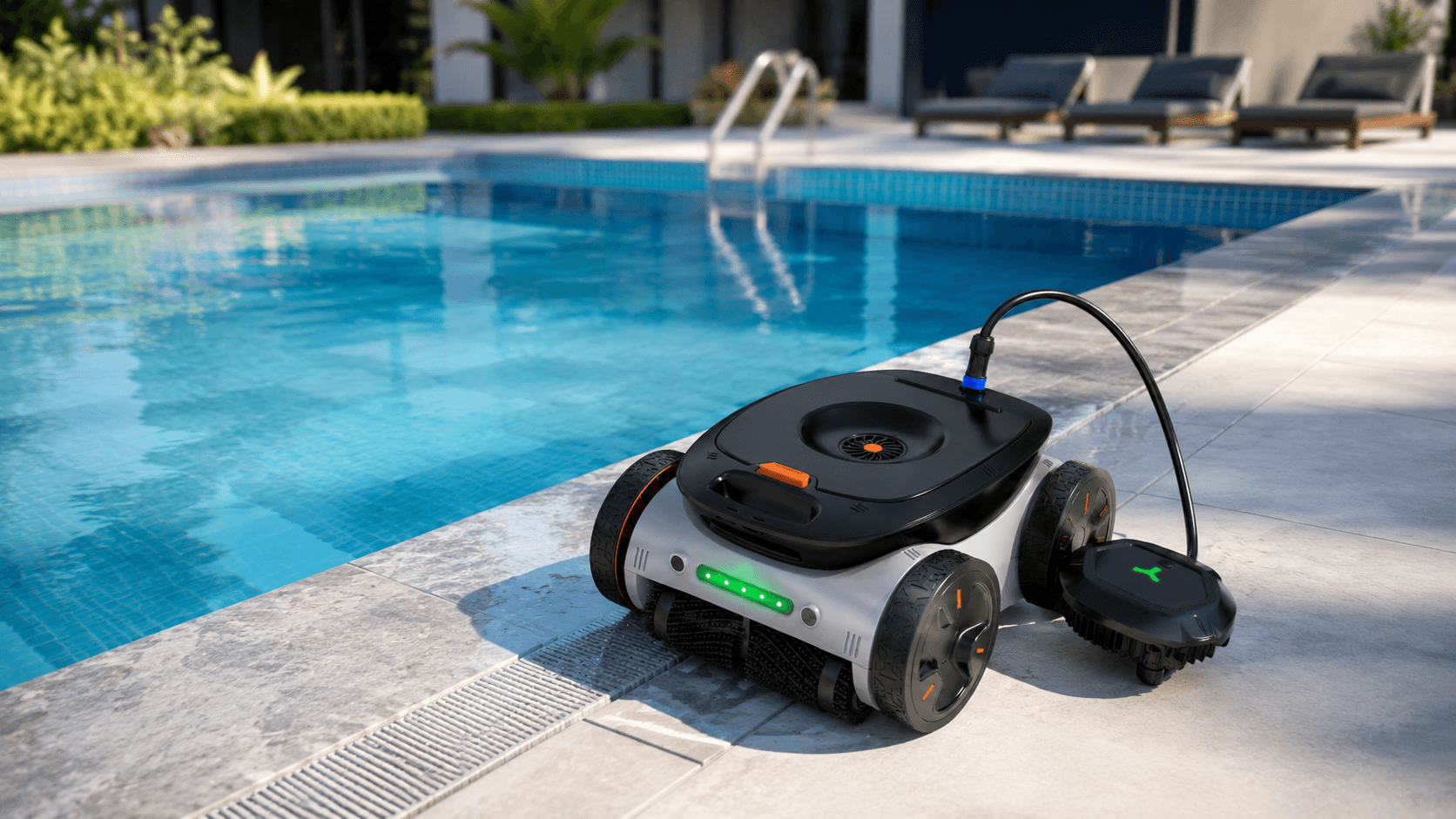
Choosing a robotic pool cleaner for wholesale, private label, or commercial use is not only about comparing product appearance or unit price. For B2B buyers, the real purchasing decision involves pool type, cleaning coverage, navigation technology, battery performance, filtration design, MOQ, customization options, packaging, spare parts, and after-sales support.
A low-cost pool cleaner may look attractive at first, but if it cannot match the target pool size, cleaning area, local user expectations, or distribution channel requirements, the final cost can become much higher. Importers, distributors, pool equipment brands, and online sellers need to evaluate the complete purchasing plan before placing bulk orders.
This guide explains how to select the right robotic pool cleaner, plan MOQ, manage OEM/ODM customization, confirm packaging, and work with a reliable supplier for long-term business growth.
Why Robotic Pool Cleaner Planning Matters for B2B Buyers
Robotic pool cleaners are becoming increasingly popular because they help reduce manual cleaning work and improve pool maintenance efficiency. Unlike traditional suction or pressure cleaners, robotic pool cleaners usually operate as independent cleaning devices with their own motor, filtration system, movement system, and control logic.
For B2B buyers, this means product selection must be more detailed. A robotic pool cleaner is not a simple accessory. It is an electrical and mechanical product that must perform reliably in water, handle different pool surfaces, collect debris efficiently, and provide a convenient user experience.
Before purchasing in bulk, buyers should consider several key questions:
What type of pool will the cleaner be used for?
Is the product designed for residential or commercial applications?
Does it clean the floor only, or also walls and waterlines?
Is the cleaner cordless, corded, or hybrid powered?
How long is the cleaning cycle and battery runtime?
What kind of navigation technology does the robot use?
Can the product be customized with private label branding?
What is the MOQ for standard orders and OEM orders?
How is the product packed for international shipping?
What spare parts and after-sales support are available?
By answering these questions early, buyers can reduce sourcing risk and build a more stable product strategy.
How to Choose the Right Robotic Pool Cleaner
Different markets require different robotic pool cleaner solutions. A product that works well for small backyard pools may not be suitable for hotels, resorts, schools, public facilities, or large residential pools. Therefore, buyers should match product specifications with real application needs.
Buying Factor | Why It Matters | Buyer Suggestion |
|---|---|---|
Pool Type | Above-ground pools, in-ground pools, private pools, and commercial pools have different cleaning requirements. | Confirm the target pool type before choosing a model. |
Pool Size | Larger pools require stronger runtime, better coverage, and more efficient navigation. | Check the recommended pool area and cleaning cycle. |
Cleaning Area | Some cleaners only clean the floor, while others support walls and waterlines. | Choose full-coverage models for higher-end markets. |
Navigation System | Smart navigation helps reduce repeated cleaning and missed areas. | Consider AI, ultrasonic sensing, or route-planning technology. |
Power System | Cordless, corded, and hybrid systems offer different user experiences. | Choose based on market preference and pool usage habits. |
Filtration Design | Filter basket size and filtration accuracy affect cleaning performance. | Ask about debris capacity and filter maintenance. |
User Control | App control, remote control, and automatic modes improve convenience. | Select smart-control models for premium product lines. |
Maintenance | Easy drainage, easy filter cleaning, and accessible spare parts reduce complaints. | Test sample units before bulk orders. |
Common Types of Robotic Pool Cleaners
1. Cordless Robotic Pool Cleaner
Cordless robotic pool cleaners are popular because they are easy to use and do not require cable management during operation. They are suitable for residential users who want a convenient and modern pool cleaning solution.
This type is especially attractive for e-commerce sellers, retail brands, and distributors targeting homeowners. Buyers should pay close attention to battery runtime, charging time, cleaning coverage, waterproof design, and after-sales battery support.
2. Corded Robotic Pool Cleaner
Corded robotic pool cleaners are often used for longer cleaning cycles and stable power supply. They may be suitable for users who need extended cleaning performance and do not mind using a power cable.
For B2B buyers, corded models may be considered when the target customers prioritize continuous operation over cordless convenience.
3. Hybrid Robotic Pool Cleaner
Hybrid robotic pool cleaners combine flexible power options and can be useful for buyers serving different pool scenarios. These products may provide more options for commercial buyers or distributors who want to offer a broader product lineup.
4. Robotic Pool Skimmer
A robotic pool skimmer is designed to clean the water surface by collecting leaves, dust, floating debris, and other surface contaminants. It can be sold as a complementary product together with floor-cleaning pool robots.
For distributors, a robotic pool skimmer can help expand the product range and increase average order value.
Robotic Pool Cleaner MOQ Planning
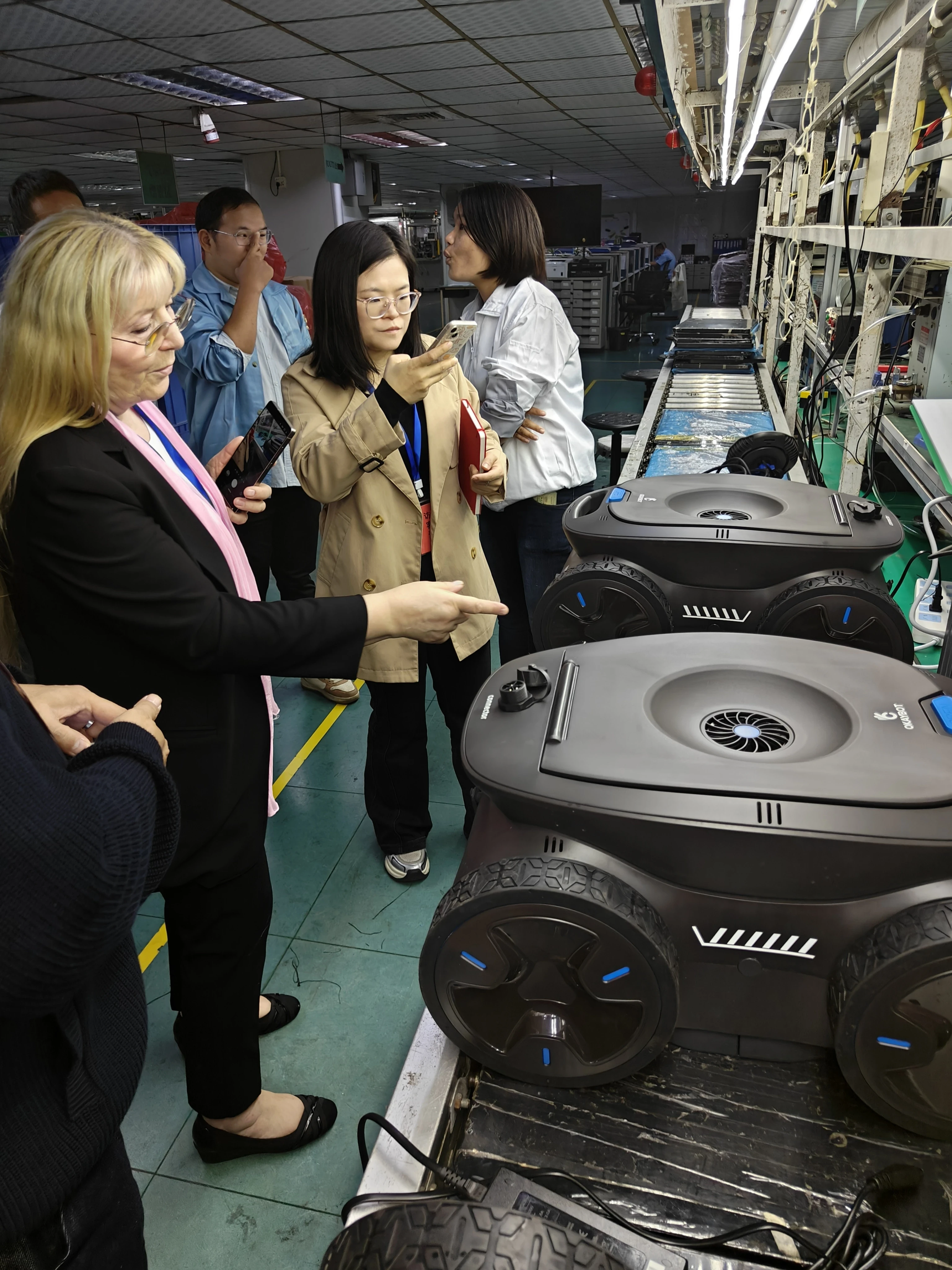
MOQ is one of the most important topics for B2B buyers. However, MOQ is not always a fixed number. It may vary depending on the model, stock availability, customization level, packaging requirements, and production schedule.
Buyers should separate MOQ into several categories.
1. Sample Order MOQ
Sample orders are used for product testing, market evaluation, quality checking, and distributor demonstration. Buyers should test real cleaning performance, user operation, battery life, filter cleaning, charging, packaging, and instruction manuals before placing larger orders.
2. Trial Order MOQ
A trial order is usually larger than a sample order but smaller than a full container or large wholesale order. It helps buyers test local market response, online sales performance, dealer feedback, and after-sales questions.
3. Wholesale MOQ
Wholesale MOQ is suitable for importers, distributors, and pool equipment suppliers who plan to sell products regularly. The MOQ may depend on production capacity, order mix, and model configuration.
4. OEM/ODM MOQ
OEM/ODM orders usually require a higher MOQ because they may involve customized logo, color, packaging, user manual, app branding, firmware settings, or accessory configuration.
5. Mixed Model MOQ
Some buyers may want to combine different robotic pool cleaner models in one order. This can help test several product levels at the same time, such as entry-level cordless models, premium AI models, and robotic skimmers.
6. Spare Parts MOQ
Spare parts are important for after-sales service. Buyers should ask about MOQ for filter baskets, brushes, wheels, tracks, chargers, batteries, remote controls, motors, sealing parts, and other replacement components.
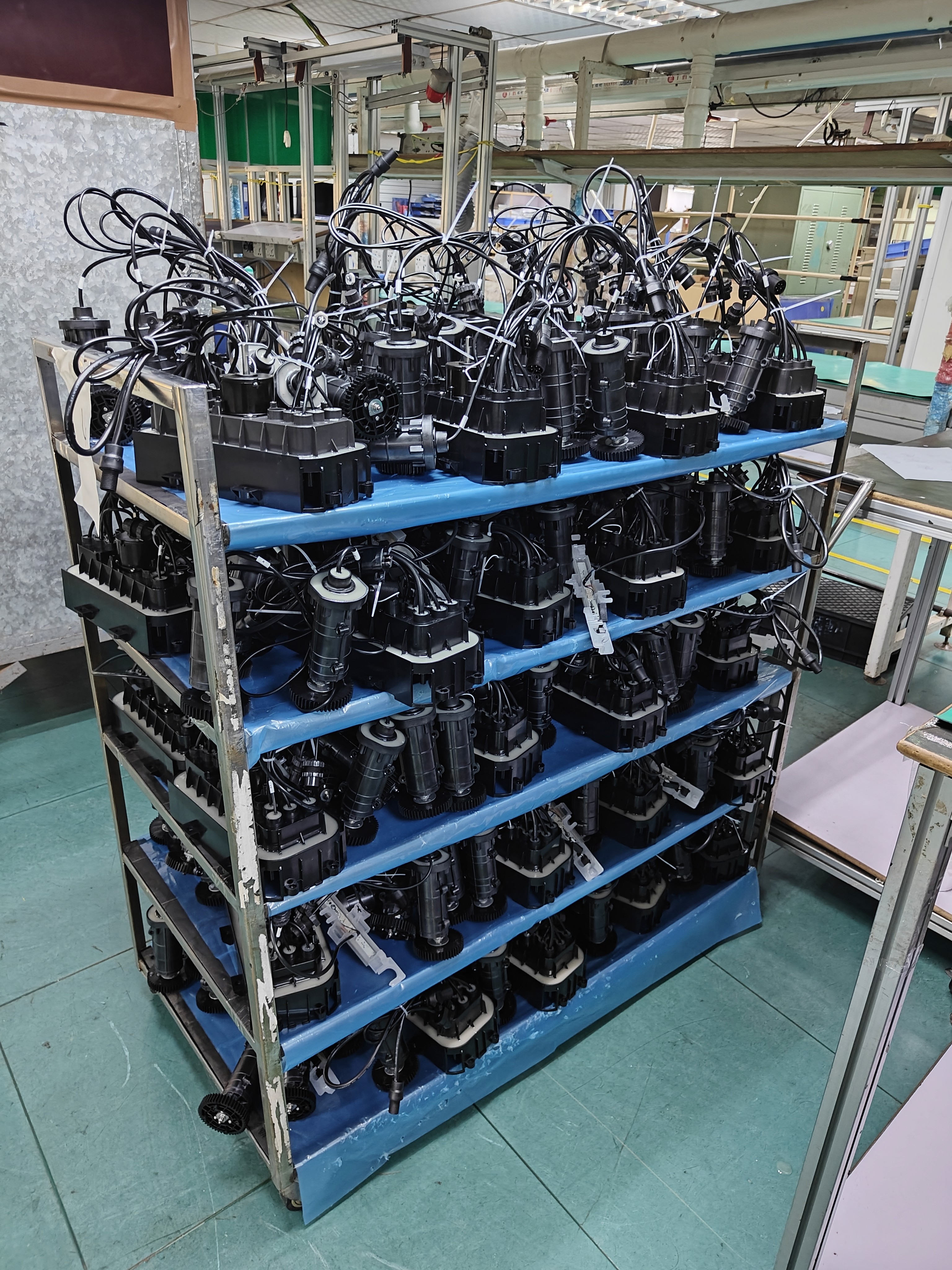
MOQ Questions to Ask Before Ordering
Before confirming an order, B2B buyers should ask the supplier the following questions:
MOQ Question | Why It Matters |
What is the MOQ for standard models? | Helps estimate first-order budget. |
What is the MOQ for private label orders? | Important for brand owners and distributors. |
Can different models be mixed in one order? | Helps buyers test several products. |
What is the MOQ for customized packaging? | Packaging affects branding and retail presentation. |
What is the MOQ for logo printing? | Useful for OEM and private label projects. |
Can spare parts be included in the same shipment? | Supports after-sales service planning. |
What is the sample lead time? | Helps buyers plan testing schedules. |
What is the mass production lead time? | Important for seasonal sales planning. |
OEM/ODM Customization Options for Robotic Pool Cleaners
For brand owners, distributors, and retail channels, customization can help create a stronger market identity. A reliable robotic pool cleaner supplier should support both product-level and packaging-level customization.
Product Appearance Customization
Buyers may request customized shell color, product finish, logo placement, label design, or accessory configuration. This helps the product match the buyer’s brand identity and target market positioning.
Packaging Customization
Packaging is very important for retail and online sales. Customized color boxes, shipping cartons, product images, barcodes, warning labels, and language versions can improve user trust and reduce customer service issues.
User Manual Localization
For overseas markets, user manuals should be clear, localized, and easy to understand. Buyers may need English, Spanish, French, German, Italian, or other language versions depending on the target country.
App and Smart Control Customization
For smart robotic pool cleaners, app control and user interface experience can influence customer satisfaction. Buyers should ask whether app branding, interface language, remote control functions, or software updates are available.
Accessory Kit Customization
Accessories may include chargers, hooks, filter baskets, brushes, remote controls, cleaning tools, spare parts, and instruction cards. A well-planned accessory kit can improve user experience and reduce after-sales pressure.
Packaging and Container Loading Planning
Robotic pool cleaners are higher-value products than many ordinary pool accessories. Therefore, packaging and container loading must be planned carefully.
The goal is not only to load more units into a container, but also to protect the products during international transportation. Poor packaging may cause product damage, customer complaints, return costs, and brand reputation problems.
Packaging Factor | Why It Matters | Buyer Suggestion |
Carton Size | Affects container loading quantity and shipping cost. | Ask for carton dimensions before confirming the order. |
Gross Weight | Impacts handling, warehousing, and delivery. | Confirm product weight and packed weight. |
Protective Foam | Reduces damage during shipping. | Use strong inner protection for overseas delivery. |
Retail Box | Important for store display and e-commerce sales. | Customize design for brand positioning. |
Pallet Loading | Improves warehouse handling and shipment safety. | Confirm pallet plan if required. |
Spare Parts Box | Supports after-sales service. | Include key spare parts for distributors. |
Labeling | Helps customs, warehouse, and channel management. | Confirm barcode, model label, and carton marks. |
For B2B buyers, container loading should be calculated together with product MOQ and packaging design. A slightly larger carton may reduce loading quantity, while better protection may reduce damage risk. The best solution should balance shipping efficiency, product safety, and brand presentation.
Quality Control Checklist for Robotic Pool Cleaner Orders
Because robotic pool cleaners operate in water and include electrical, mechanical, and smart-control components, quality control is critical. Buyers should not rely only on product photos or videos. Sample testing and production inspection are strongly recommended.
Important quality checks include:
Waterproof performance inspection
Motor and pump operation test
Battery charging and discharging test
Navigation and route-planning test
Floor cleaning test
Wall climbing test if applicable
Waterline cleaning test if applicable
Filter basket inspection
Brush and wheel movement test
App or remote control function test
Anti-collision test
Obstacle avoidance test
Aging test
Packaging drop test if required
Final appearance inspection
Carton and label checking
For wholesale and OEM orders, buyers should also confirm the inspection standard before production starts. This helps avoid misunderstanding during final inspection.
Recommended Buying Process for B2B Buyers
A structured buying process can help buyers reduce risk and improve sourcing efficiency.
Step 1: Define Your Target Market
Start by identifying whether your customers are homeowners, pool service companies, hotel operators, distributors, retail stores, or online consumers.
Step 2: Confirm Pool Application
Clarify the pool type, pool size, pool surface, debris type, and cleaning frequency. This will help determine which robotic pool cleaner model is most suitable.
Step 3: Choose Product Category
Decide whether you need a cordless robotic pool cleaner, corded cleaner, hybrid model, robotic pool skimmer, or multiple product lines.
Step 4: Request Product Specifications
Ask the supplier for product details such as cleaning area, runtime, charging time, filtration system, navigation method, waterproof rating, dimensions, weight, and accessory list.
Step 5: Order Samples
Test samples in real pool conditions. Check cleaning performance, movement stability, battery performance, filter cleaning convenience, packaging quality, and user experience.
Step 6: Confirm MOQ and Customization
After sample testing, confirm standard MOQ, OEM MOQ, packaging MOQ, logo requirements, manual language, app support, and spare parts plan.
Step 7: Check Packaging and Shipping Data
Request carton size, carton weight, pallet loading, container loading estimate, and shipping suggestions.
Step 8: Place Trial Order
A trial order helps test market response before a larger purchase. It also helps identify after-sales questions early.
Step 9: Collect Customer Feedback
Gather feedback about cleaning performance, app control, battery life, filter maintenance, product appearance, and packaging.
Step 10: Scale Up Wholesale Orders
Once the product performs well in the market, buyers can increase order quantity, add more models, improve packaging, and develop a long-term supply plan.
Why Work with a Professional Robotic Pool Cleaner Manufacturer
A professional robotic pool cleaner manufacturer can support buyers beyond basic product supply. For B2B customers, supplier capability directly affects product quality, delivery stability, brand growth, and after-sales service.
A strong supplier should provide:
Product selection support
Technical consultation
Sample testing support
OEM/ODM customization
Packaging design support
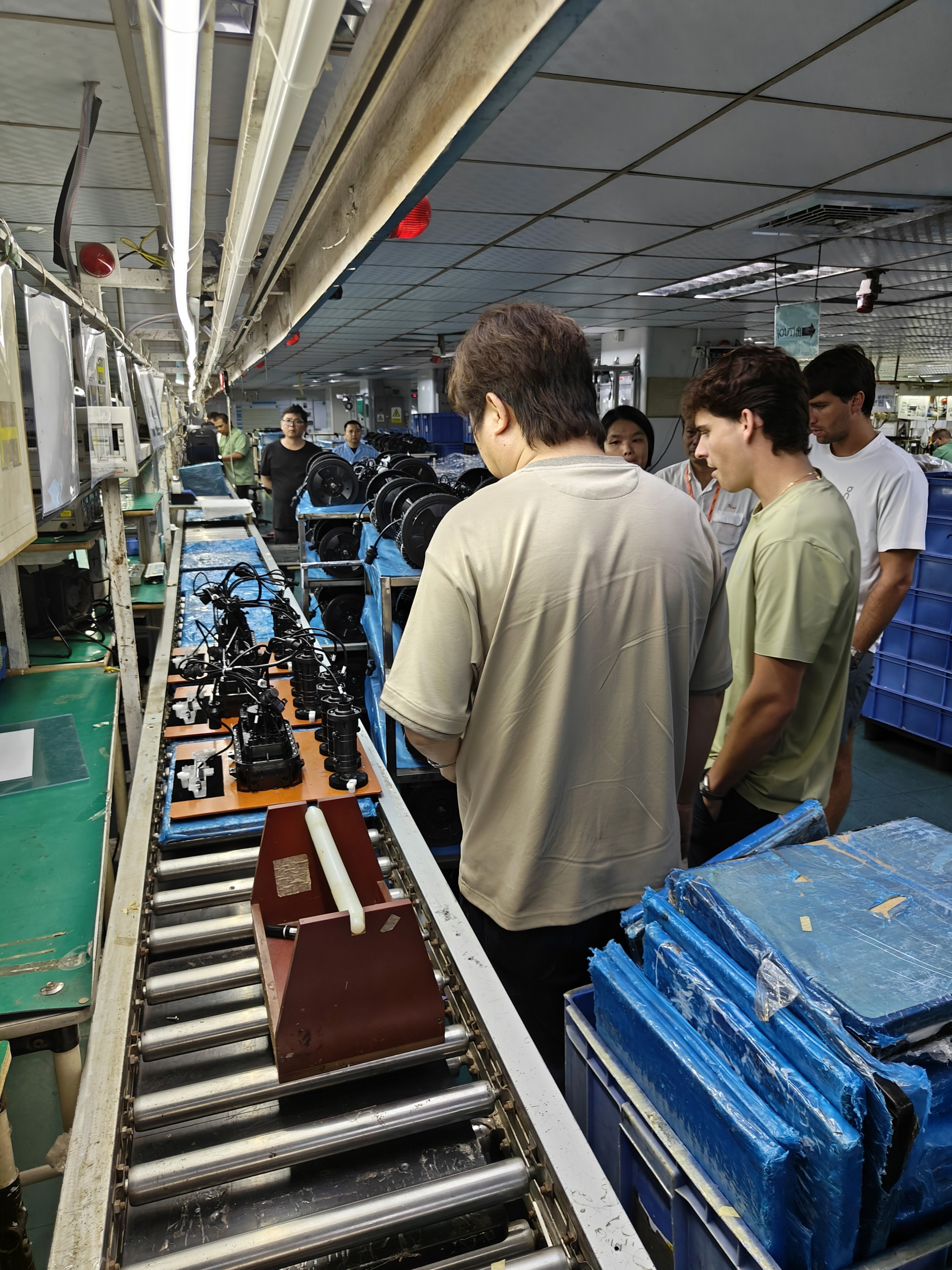
Production quality control
Spare parts supply
Export documentation support
Long-term after-sales cooperation
For buyers who want to build a pool cleaning robot brand or expand product categories, working with a manufacturer that understands both technology and B2B cooperation is essential.
Purily Robotic Pool Cleaner Solutions
Purily focuses on smart robotic pool cleaning solutions for residential and commercial pool applications. The product direction emphasizes intelligent navigation, efficient cleaning coverage, user-friendly control, and customizable support for B2B buyers.
For distributors, importers, pool equipment brands, and OEM/ODM customers, Purily can support product selection, sample evaluation, private label planning, packaging customization, and scalable supply.
Whether you are looking for a cordless robotic pool cleaner, AI pool cleaning robot, robotic pool skimmer, or customized pool cleaning solution, working with a specialized manufacturer can help improve product competitiveness and reduce sourcing risk.
B2B Buyer Checklist Before Placing an Order
Before placing a robotic pool cleaner order, buyers should confirm:
Target market and customer type
Pool size and application scenario
Cleaning coverage requirements
Cordless, corded, or hybrid power preference
Navigation technology
Battery runtime and charging time
Filter basket capacity and cleaning method
Product dimensions and weight
Waterproof and safety requirements
MOQ for standard and OEM orders
Logo and packaging customization
User manual language
App or remote control support
Spare parts availability
Warranty and after-sales policy
Carton size and loading quantity
Production lead time
Shipment method
This checklist helps buyers compare suppliers more professionally and avoid unexpected problems during procurement.
FAQ
1. What is a robotic pool cleaner?
A robotic pool cleaner is an automatic pool cleaning machine that moves independently in the pool and uses its own cleaning, filtration, and movement system to remove dirt, debris, and impurities.
2. Is a cordless robotic pool cleaner better for wholesale buyers?
Cordless robotic pool cleaners are attractive for many wholesale buyers because they are easy to use, convenient for homeowners, and suitable for modern retail and e-commerce markets. However, the best choice depends on the target pool type and customer needs.
3. What should B2B buyers check before choosing a robotic pool cleaner?
Buyers should check pool size compatibility, cleaning coverage, navigation system, battery runtime, filtration design, waterproof performance, user control method, spare parts availability, MOQ, packaging, and after-sales support.
4. Can robotic pool cleaners be customized for private label brands?
Yes. Many professional suppliers can support logo customization, product color customization, packaging design, user manual localization, accessory configuration, and other OEM/ODM requirements.
5. What is the MOQ for robotic pool cleaners?
MOQ depends on the supplier, model, stock situation, and customization requirements. Standard models may have different MOQ from OEM/ODM models. Buyers should confirm sample MOQ, trial order MOQ, wholesale MOQ, and private label MOQ separately.
6. How do I test a robotic pool cleaner sample?
Buyers should test the sample in a real pool environment and check cleaning performance, movement path, wall climbing if applicable, battery life, filter basket cleaning, charging process, app or remote control function, and overall user experience.
7. Why is packaging important for robotic pool cleaner orders?
Packaging protects the product during international shipping and also affects retail presentation, customer experience, container loading quantity, and after-sales complaint rates.
8. Who should buy robotic pool cleaners in bulk?
Robotic pool cleaners are suitable for pool equipment distributors, importers, retail brands, e-commerce sellers, pool maintenance companies, hotel and resort suppliers, and private label product companies.
Conclusion
Robotic pool cleaner sourcing requires more than comparing prices. For B2B buyers, the right purchasing decision should consider pool application, cleaning performance, navigation technology, runtime, filtration, MOQ, customization, packaging, spare parts, and supplier support.
A well-planned buying process helps reduce sourcing risk, improve customer satisfaction, and support long-term market growth. By working with a professional robotic pool cleaner manufacturer, buyers can develop suitable product lines for residential, commercial, wholesale, and private label markets.
If you are looking for robotic pool cleaner solutions for wholesale, OEM, ODM, or brand development, Purily can help you choose the right model, customize your product plan, and build a smarter pool cleaning product lineup.
Call to Action
Looking for a reliable robotic pool cleaner manufacturer?
Contact Purily today to discuss your pool cleaner project, sample testing, OEM/ODM customization, packaging requirements, and wholesale order plan.