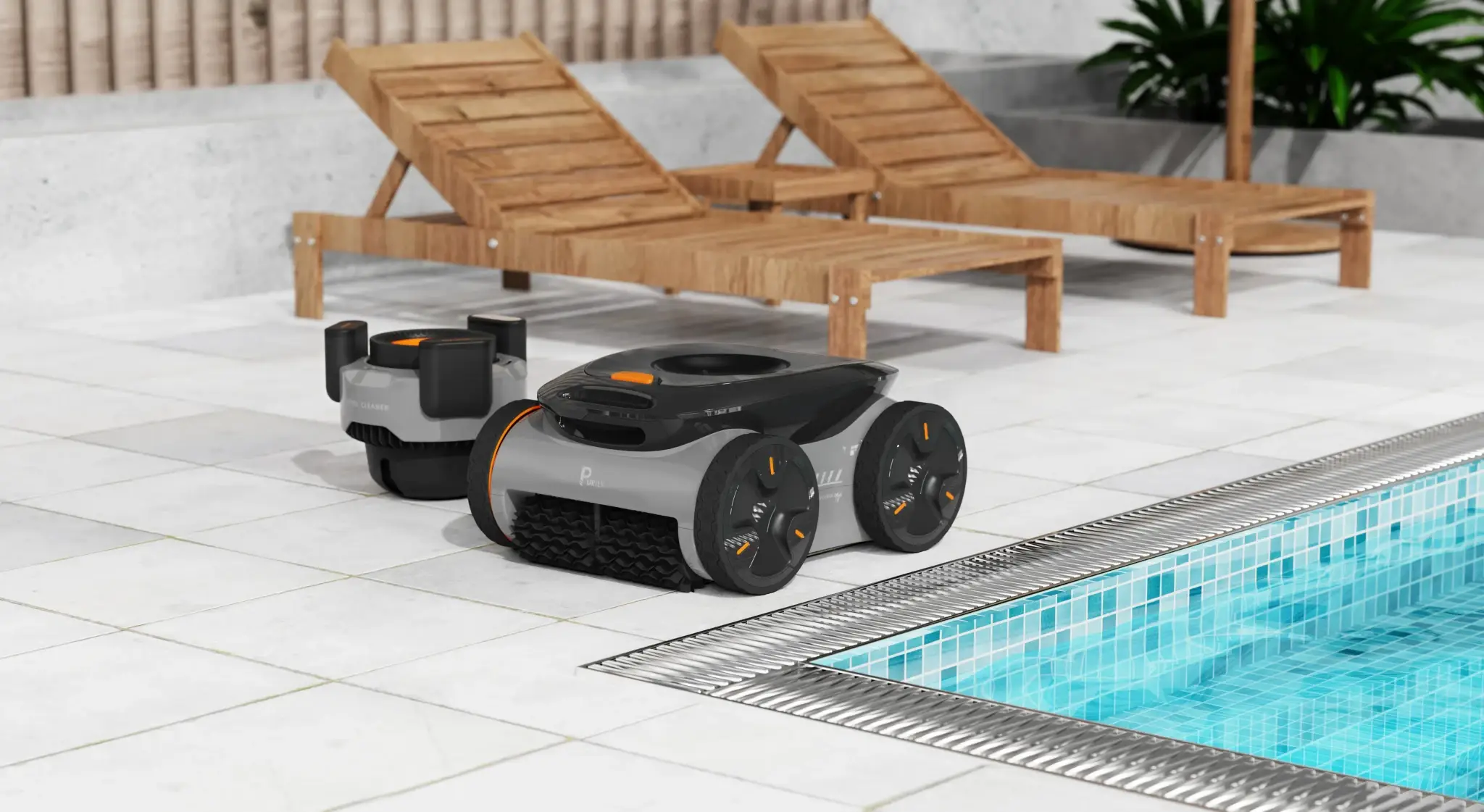
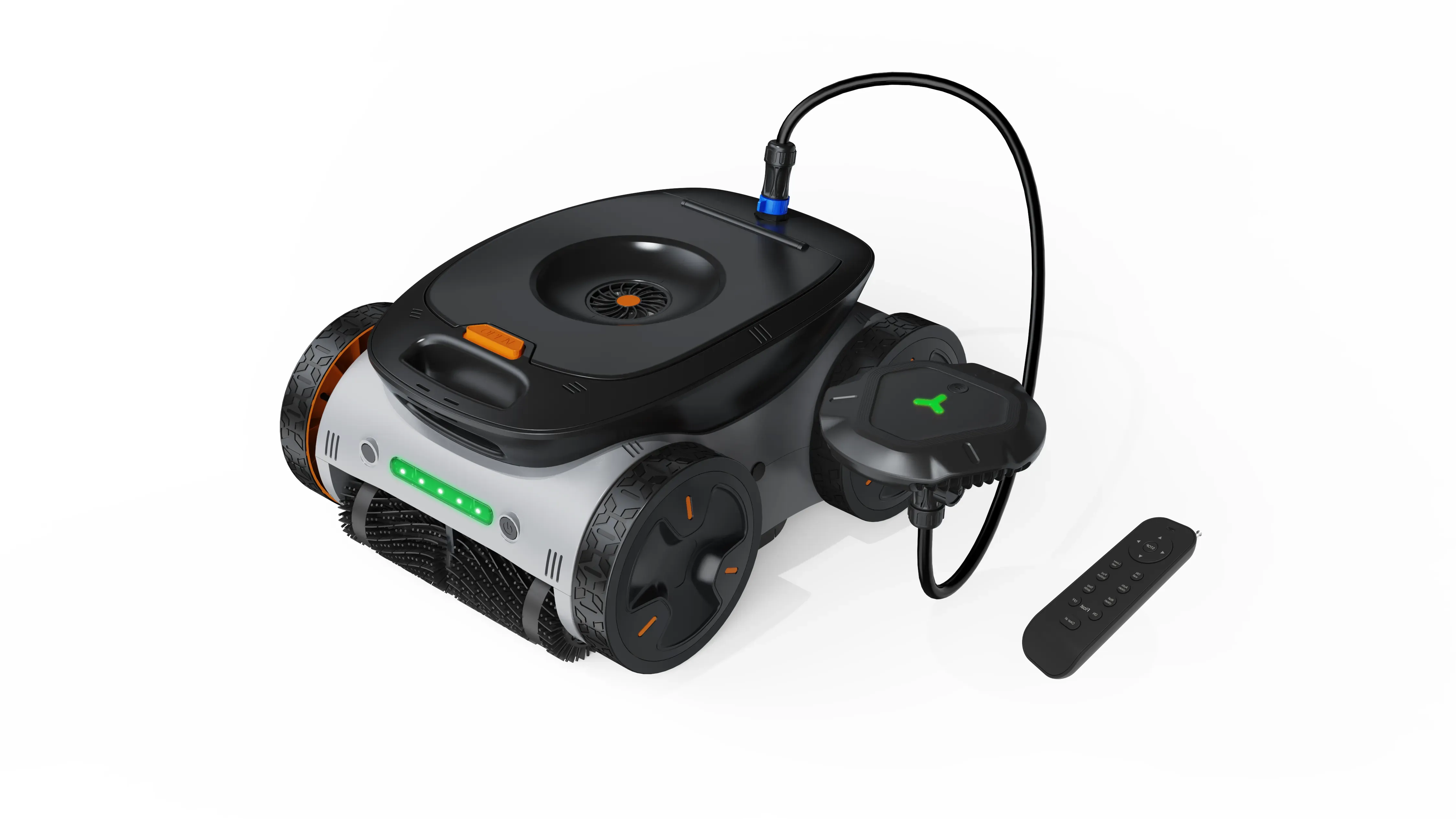
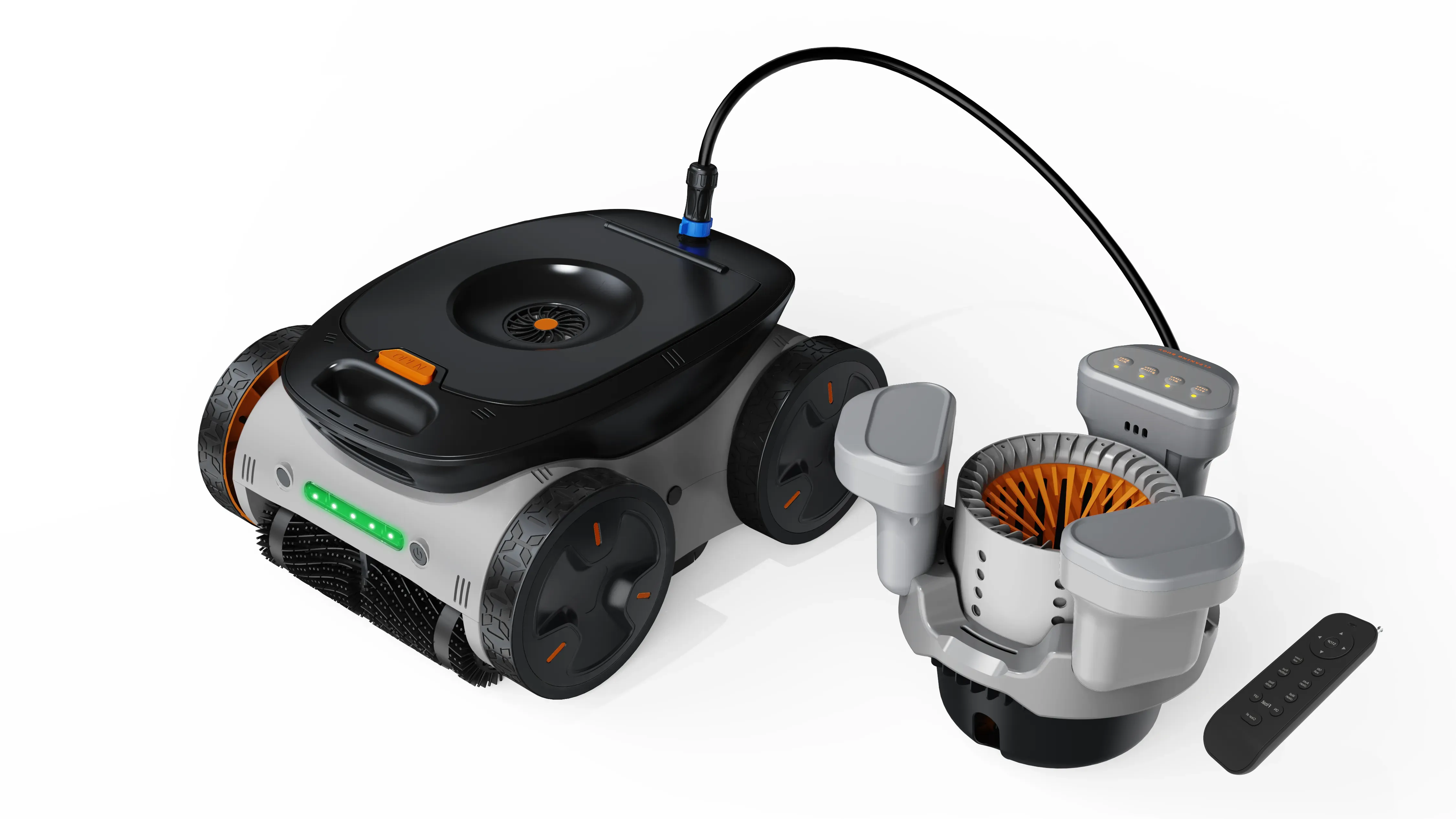
We design and manufacture advanced robotic pool cleaners featuring intelligent sensing technology, with a strong commitment to quality and long-term value, built on reliable and mutually beneficial partnerships.
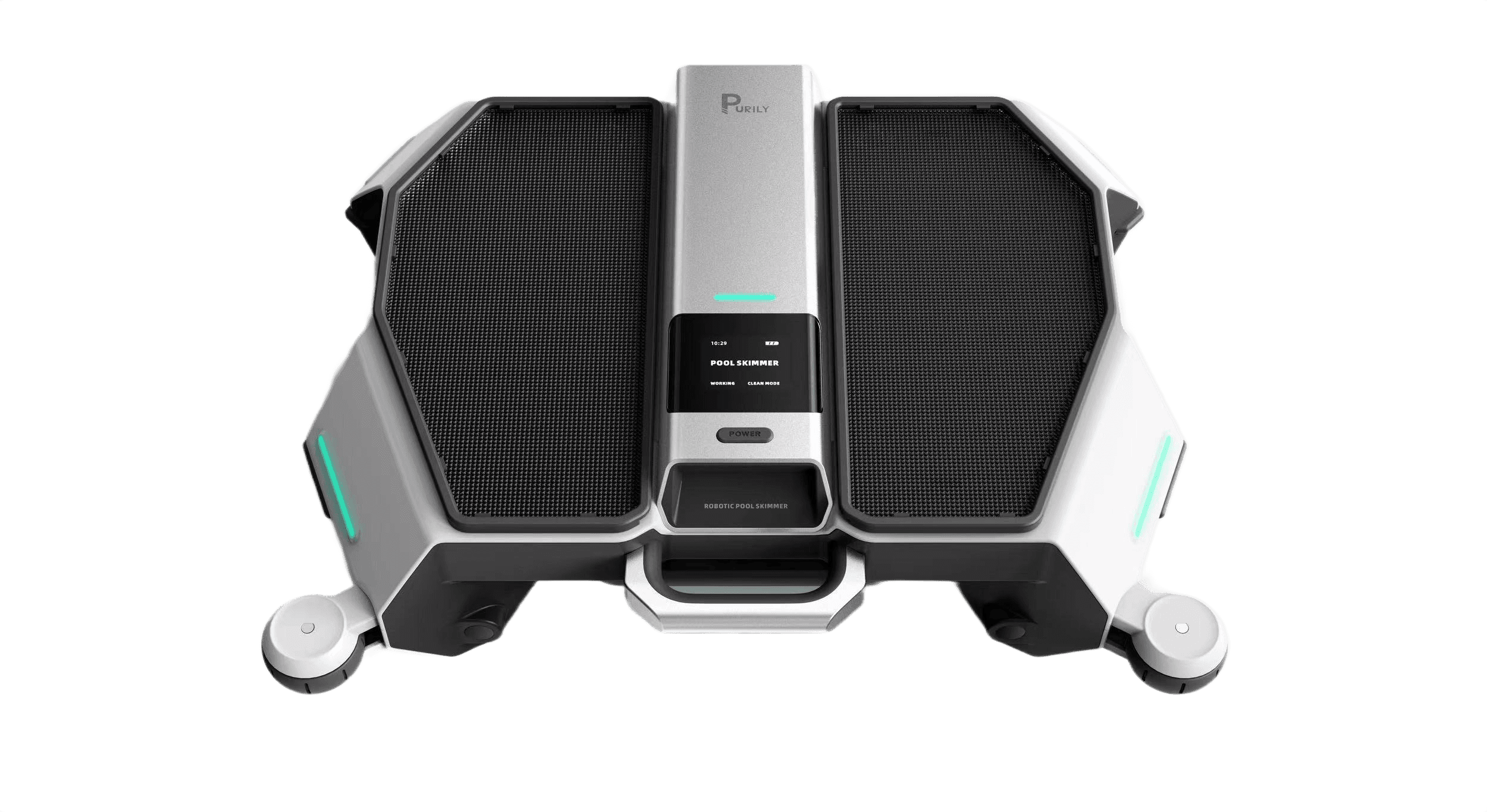
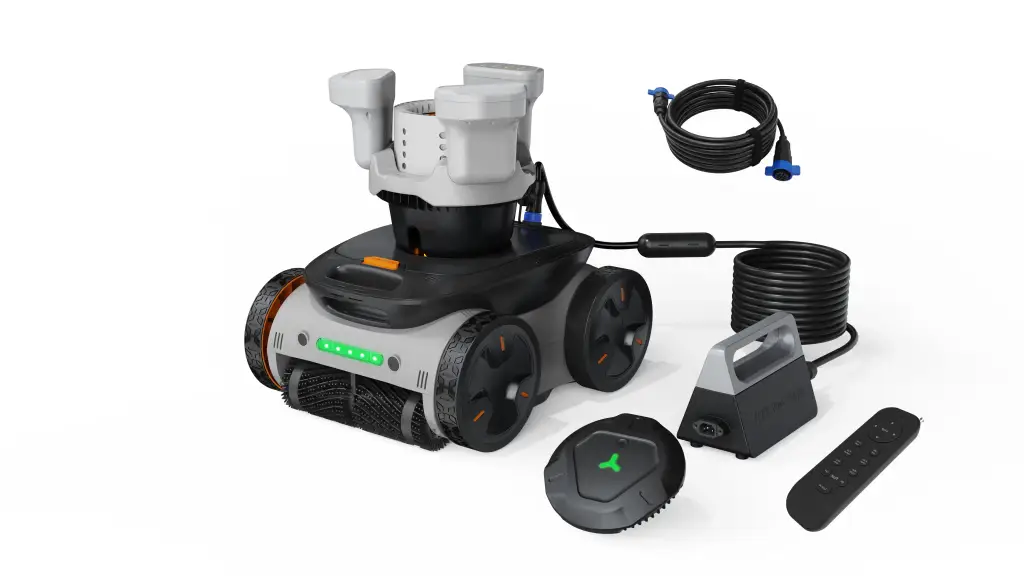
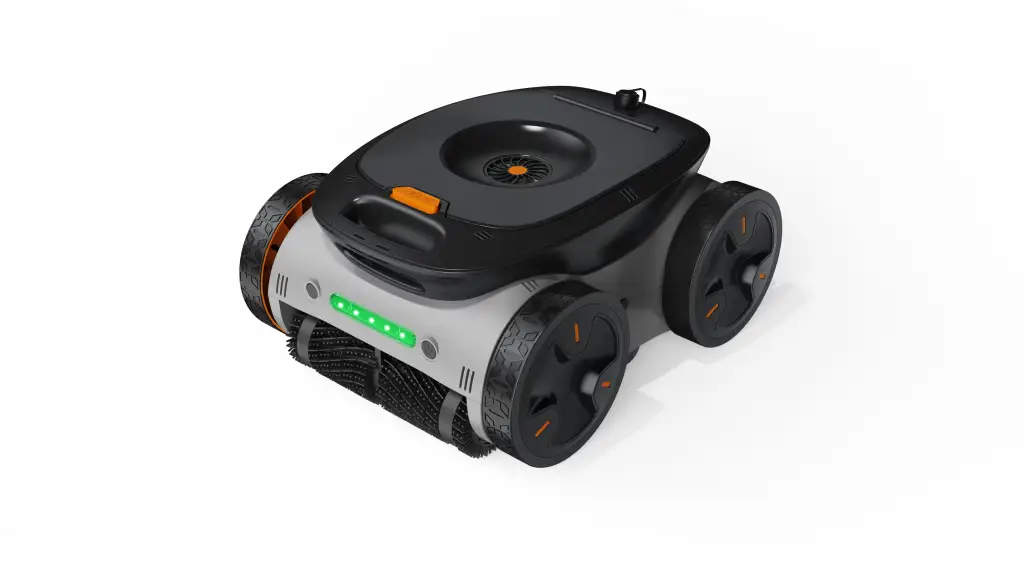
Our Top Cleaning Robot





















Customer’s Feedback

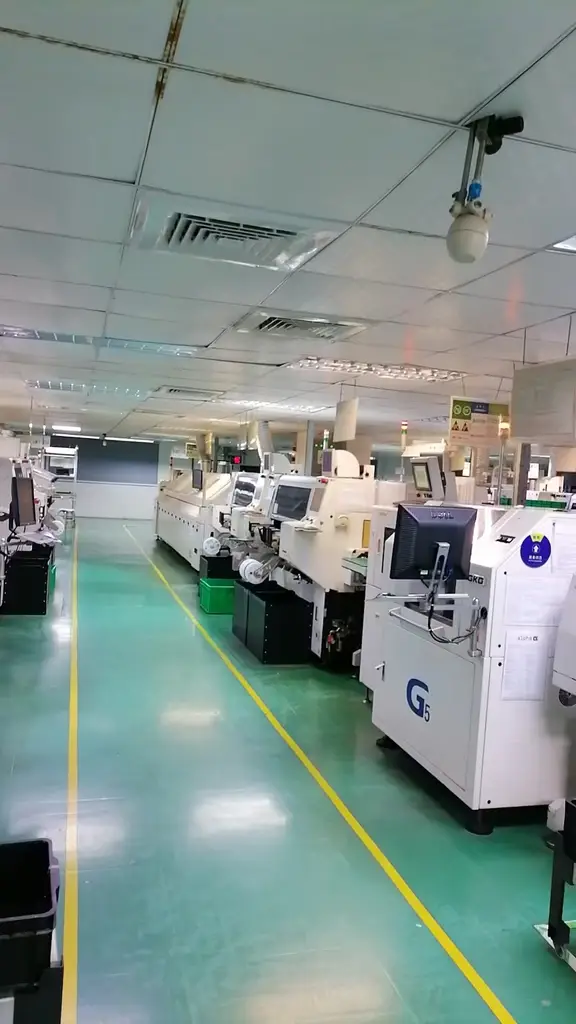
Our Factory
Experienced Manufacturing Team
Skilled engineers and technicians support product development, production, and ongoing improvements.
OEM & ODM Support
Flexible customization options are available, including branding, design adjustments, and packaging.
FAQ
Frequently Asked Questions Answers about Best Robotic Pool Cleaners
1. Do I still need to brush my pool if I have a robot?
Not entirely, but occasional manual brushing is still recommended. Robotic cleaners can’t always reach narrow steps, complex ledges, or corners. Brushing helps loosen algae or grime so the robot can pick it up more effectively.
2. Do robotic cleaners ever get stuck or miss areas?
Older or budget models may occasionally get stuck on main drains, ladders, or irregular steps. Modern robots use advanced navigation, gyroscopes, and cordless design to reduce missed spots and ensure full pool coverage.
3. How long does a robotic pool cleaner take to clean a pool?
Most robotic pool cleaners complete a cleaning cycle in 1.5 to 3 hours, depending on pool size, shape, and debris level. Some models let you adjust cleaning cycles or choose “quick clean” modes for faster jobs.
4. Do robotic pool cleaners use a lot of electricity?
Not at all. They’re among the most energy-efficient pool cleaning options. Most models use 50–100 watts per hour, similar to a household light bulb—far less than running a traditional pool pump.
5. Do robotic cleaners plug into a regular outlet?
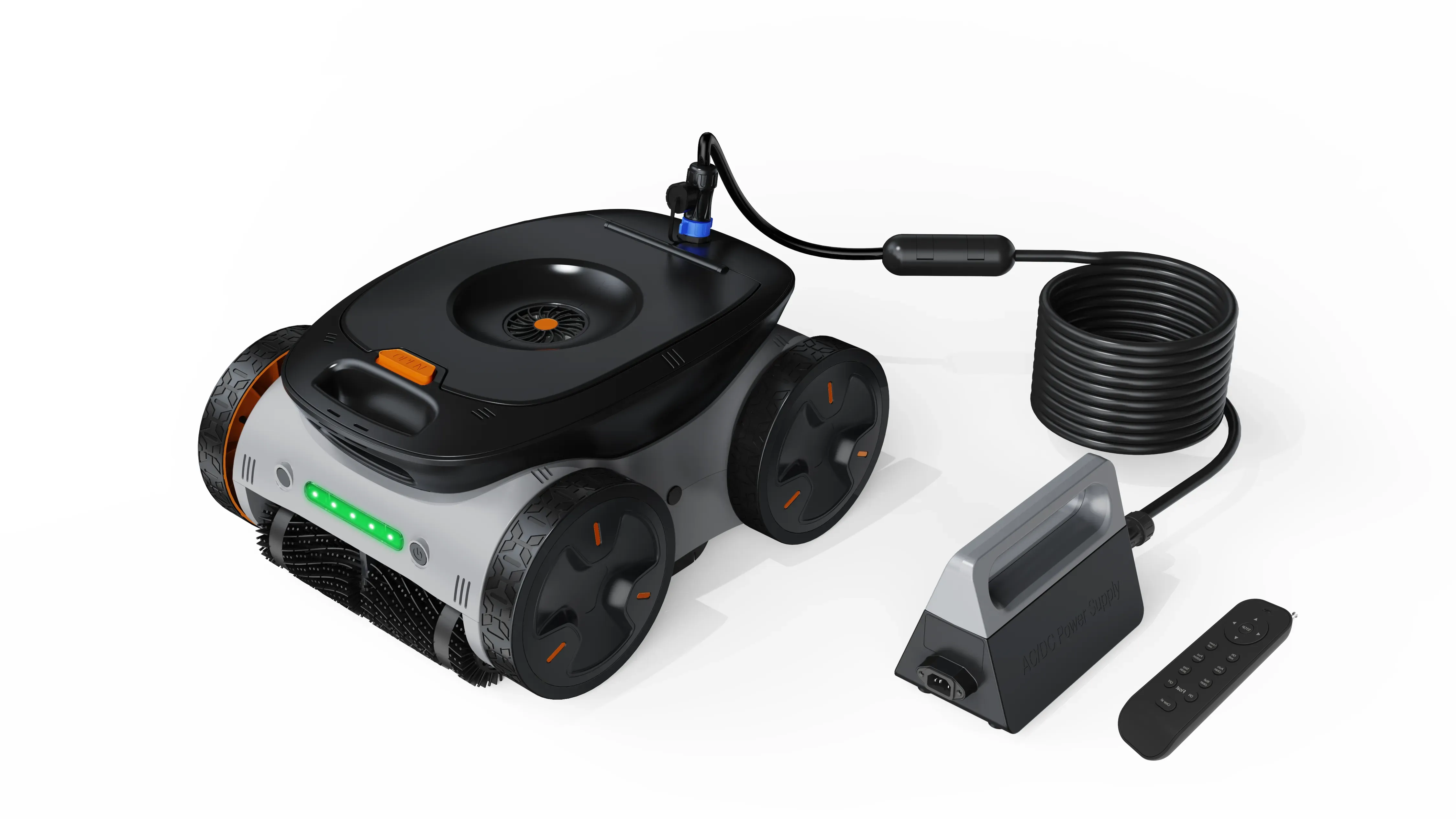
Yes. Robotic pool cleaners come with a low-voltage transformer power supply that plugs into a standard 110V outlet. Some newer models are cordless and battery-powered, offering more flexibility (though they often have shorter runtimes).
6. How often should I robot vacuum my pool?
For most residential pools, running the robotic cleaner 2–3 times per week is ideal during swim season. However, if your pool gets heavy use, sits under trees, or collects a lot of debris or pollen, you may want to run it daily or every other day.
7. How do I clean and maintain my robotic pool cleaner?
Basic maintenance is straightforward: rinse the filter after each use, check brushes and intake areas weekly for debris, inspect the cable monthly for wear, and perform a deeper clean seasonally—always avoid harsh chemicals and ensure the unit is dry before storage.
8. Where should I store my robotic pool cleaner?
Store it in a shaded, dry, and ventilated area. Avoid direct sun or freezing temperatures, which can damage internal electronics or plastic parts. Ideally, place it on a storage caddy or a shelf to prevent stress on the wheels and brushes.
8. Do robotic pool cleaners work on all pool surfaces?
Most models are compatible with common surfaces like tile, vinyl, fiberglass, and concrete. Always check product specifications for confirmation.
8. Do robotic pool cleaners work on all pool surfaces?
Most models are compatible with common surfaces like tile, vinyl, fiberglass, and concrete. Always check product specifications for confirmation.
8. Do robotic pool cleaners work on all pool surfaces?
Most models are compatible with common surfaces like tile, vinyl, fiberglass, and concrete. Always check product specifications for confirmation.