How Often Should You Service a Pool? A Complete Pool Maintenance Guide

A swimming pool does not need the same level of maintenance every day, but it does need regular attention to keep the water clear, the equipment operating properly, and the swimming environment comfortable.
So, how often should you service a pool?
For most residential pools, maintenance is best handled as a combination of daily or frequent water checks, weekly cleaning, regular equipment inspection, and periodic professional servicing. The exact schedule depends on pool size, usage, weather, surrounding vegetation, water quality, filtration equipment, and the type of pool system you use.
A robotic pool cleaner can reduce some of the manual cleaning work, but it does not replace water testing, chemical management, filter maintenance, or equipment inspections.
This guide explains how often a pool should be serviced and what should be included in a practical pool maintenance schedule.
How Often Should You Service a Pool?
There is no single service interval that applies to every swimming pool.
A residential pool that is used frequently during summer may require attention several times a week, while a covered pool with relatively low usage may need less frequent physical cleaning.
A practical maintenance schedule looks like this:
Pool Maintenance Task | Recommended Frequency |
|---|---|
Check water appearance | Daily or before use |
Test pH and chlorine | Regularly; more often with heavy use |
Remove leaves and floating debris | Daily or as needed |
Empty skimmer and pump baskets | Weekly or as needed |
Brush pool surfaces | Weekly or as needed |
Vacuum or use a robotic pool cleaner | Weekly or according to debris load |
Check water level | Weekly or as needed |
Inspect filter pressure | Weekly or according to system requirements |
Clean or backwash filter | According to filter type and manufacturer instructions |
Inspect pump and circulation system | Regularly |
Deep-clean pool | Periodically |
Professional pool equipment inspection | Typically annually or when problems occur |
The table is a starting point rather than a universal rule. Local regulations, pool equipment manufacturers, climate, and actual water conditions should always be considered.
For example, CDC guidance for residential pools recommends regularly testing chlorine and pH, with testing at least twice a day when the pool is being used. CDC recommends maintaining pool pH at 7.0–7.8.
What Does Pool Service Usually Include?
Pool service is more than simply removing leaves from the water.
A complete maintenance routine normally involves several areas:
Water chemistry
Surface cleaning
Debris removal
Pool floor and wall cleaning
Filter maintenance
Pump and circulation inspection
Water-level checks
Equipment inspection
Preventive maintenance
The exact service requirements depend on whether you have a residential, commercial, indoor, outdoor, saltwater, or heavily used pool.
For a residential pool, many routine tasks can be completed by the owner. Professional service is particularly useful for equipment inspections, troubleshooting, repairs, seasonal opening and closing, and maintenance tasks that require specialist knowledge.
How Often Should You Check Pool Water?
Water chemistry should be monitored much more frequently than a professional pool service visit.
Two of the most important measurements are:
Free chlorine
pH
Chlorine helps control microorganisms, while pH affects both swimmer comfort and chlorine effectiveness.
According to the CDC, residential pool owners should routinely test chlorine and pH, and the agency recommends testing at least twice a day when the pool is in use. The CDC recommends a pool pH range of 7.0–7.8.
However, homeowners should follow the instructions for their specific chemicals and testing equipment, as well as applicable local requirements.
Why Does Pool pH Matter?
If pool pH is too high or too low, several problems can develop.
A pH outside the recommended range can affect:
Chlorine effectiveness
Swimmer comfort
Water balance
Pool equipment
Surfaces and plumbing
The CDC notes that chlorine becomes less effective as pH rises, particularly above 8.0, while excessively low pH can increase the risk of corrosion to pool pipes and equipment.
That is why water testing should be part of routine pool care rather than something done only when the water looks cloudy.
How Often Should You Clean a Pool?
Physical cleaning frequency depends heavily on how much debris enters the pool.
A pool surrounded by trees may collect leaves, pollen, seeds, and insects every day. A pool with little surrounding vegetation may remain relatively clean for longer.
Regular cleaning generally includes:
Skimming the Pool Surface
Use a pool skimmer to remove floating leaves, insects, pollen, and other debris.
This is often a daily task during periods of heavy debris.
Removing debris early prevents it from sinking to the bottom and reduces the amount of organic material entering the filtration system.
Brushing the Pool Walls and Floor
Brushing helps loosen dirt, biofilm, algae, and other material attached to pool surfaces.
Pay particular attention to:
Corners
Steps
Ladders
Wall-floor junctions
Around drains
Areas with poor circulation
How often you need to brush depends on the pool and water conditions, but weekly brushing is a reasonable starting point for many residential pools.
Vacuuming the Pool
Vacuuming removes debris that settles on the bottom of the pool.
You can use:
A manual pool vacuum
An automatic suction cleaner
A pressure-side cleaner
A robotic pool cleaner
For pools with regular debris accumulation, automated cleaning can make routine maintenance considerably easier.
How Often Should You Use a Robotic Pool Cleaner?
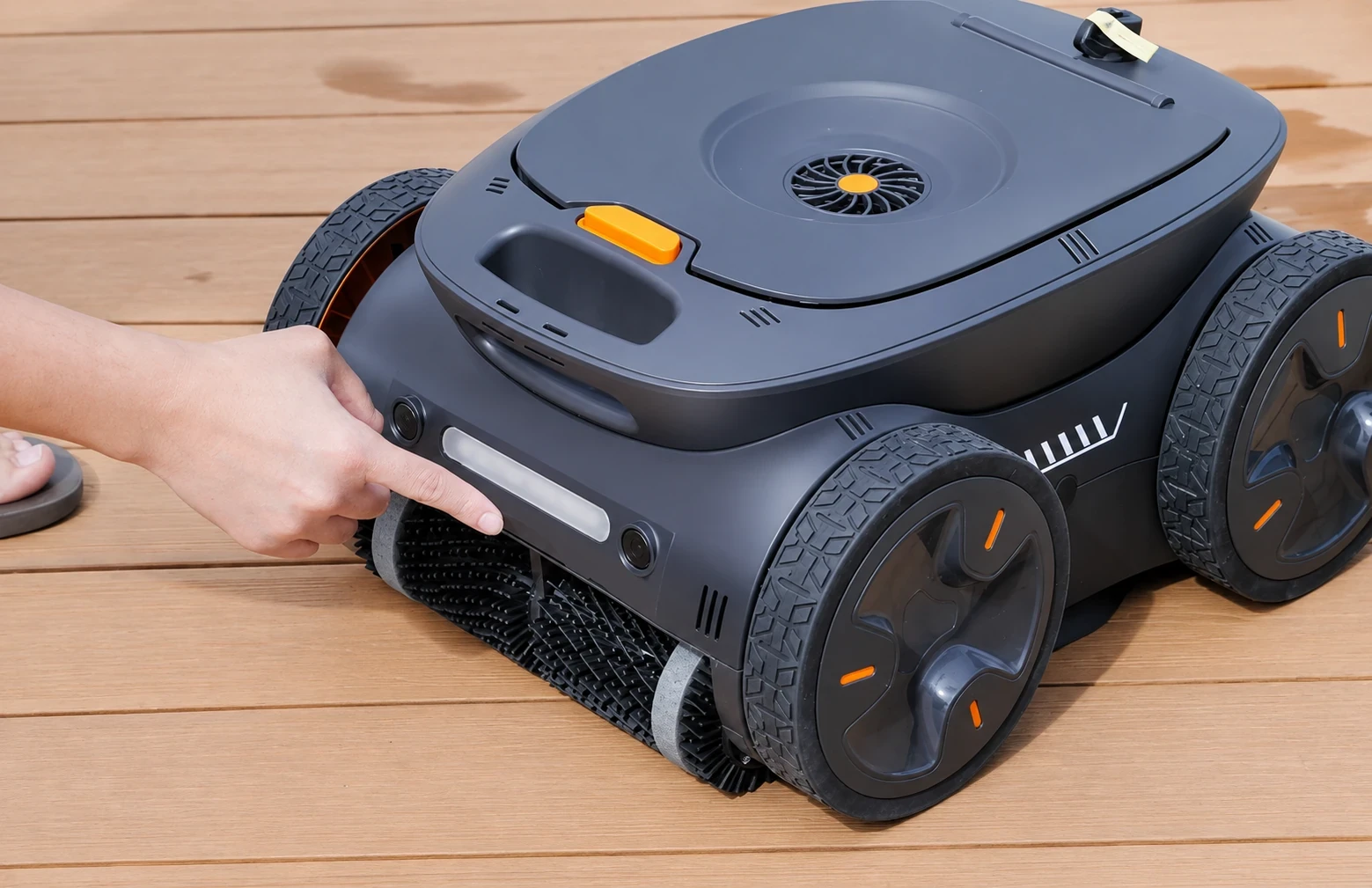
A robotic pool cleaner can be used as part of a regular pool cleaning routine.
The appropriate frequency depends on:
Pool usage
Amount of leaves and debris
Weather
Surrounding vegetation
Pool size
Cleaner capacity
Cleaning cycle
Water conditions
For a pool that collects significant debris, running a robotic cleaner regularly can help prevent dirt from accumulating on the floor and, depending on the model, the walls and waterline.
However, a robotic pool cleaner is not a replacement for complete pool maintenance.
It does not normally replace:
Water chemistry testing
Chlorine management
pH adjustment
Skimming floating debris
Filter-system maintenance
Pump inspection
Equipment servicing
The most effective approach is to combine automated physical cleaning with proper water and equipment maintenance.
How Often Should You Clean a Pool Filter?
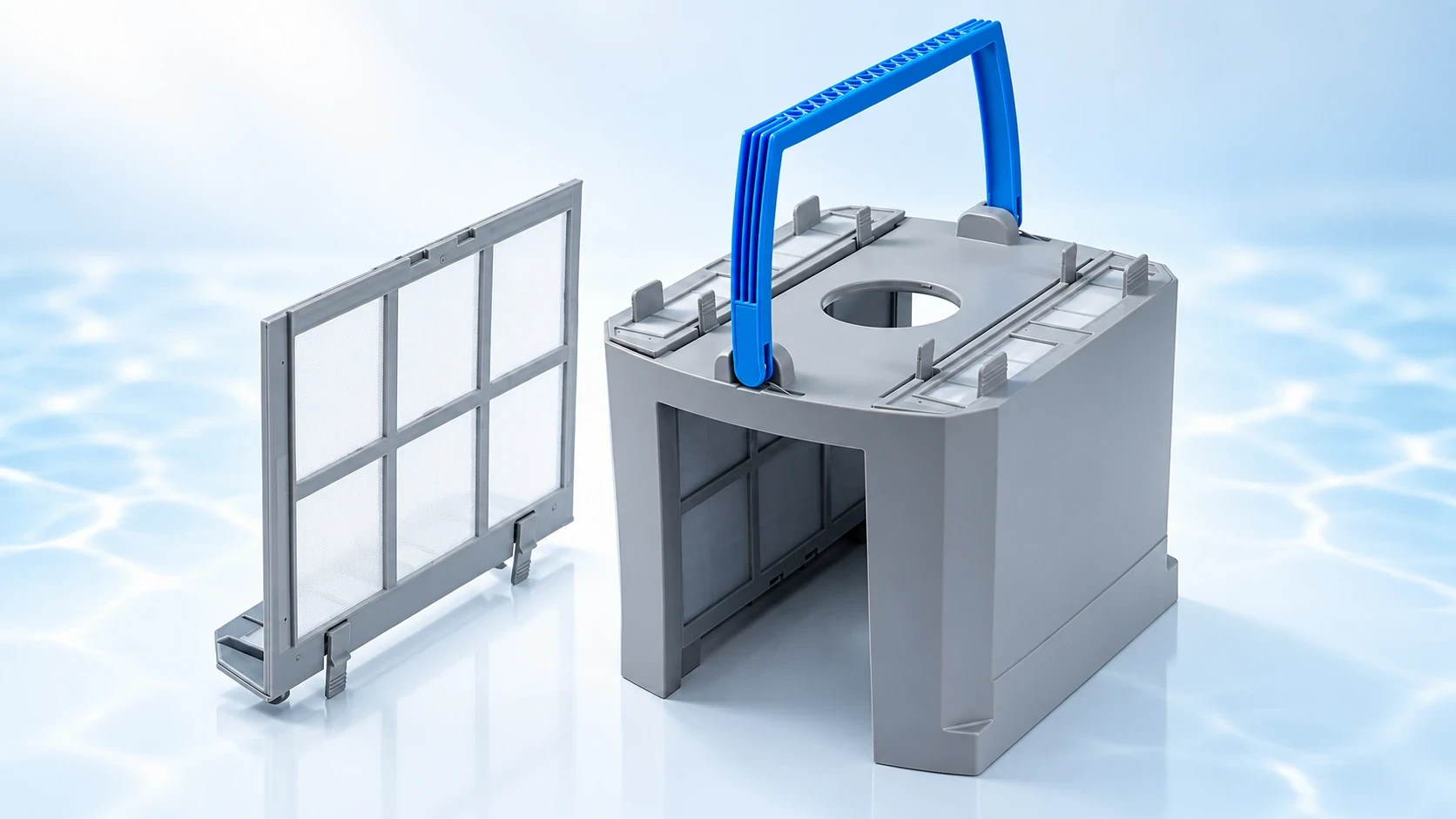
Filter maintenance depends on the type of filtration system and the manufacturer's recommendations.
Common pool filter types include:
Cartridge filters
Sand filters
Diatomaceous earth (DE) filters
The maintenance procedure is different for each type.
A cartridge filter may need to be removed and rinsed or cleaned when pressure rises or when flow decreases. Sand and DE systems may require backwashing according to their operating conditions and manufacturer instructions.
Do not rely only on a fixed calendar interval.
Instead, monitor:
Filter pressure
Water flow
Water clarity
Debris loading
Manufacturer-recommended service conditions
The CDC's aquatic-facility guidance likewise recommends maintaining filtration and recirculation systems according to manufacturer recommendations.
How Often Should You Clean the Pool Pump Basket?
The pump basket collects larger debris before it reaches the pump.
Check it regularly and empty it when necessary.
For a residential pool, weekly inspection can be a useful starting point, but a pool surrounded by trees or experiencing heavy debris may require more frequent cleaning.
A heavily blocked basket can restrict water flow and place additional strain on the circulation system.
Always follow the pump manufacturer's safety and maintenance instructions before opening or servicing the equipment.
How Often Should You Inspect Pool Equipment?
Pool equipment should be inspected regularly rather than only when something stops working.
Important components include:
Pool pump
Filter
Heater
Chlorine or saltwater system
Valves
Pipes and connections
Automatic dosing equipment
Pool cleaner
Electrical components
Look for signs such as:
Water leaks
Unusual noises
Reduced water flow
Abnormal pressure
Visible corrosion
Damaged cables or connections
Unusual pump behavior
Preventive maintenance can identify small problems before they develop into expensive equipment failures.
For systems involving electrical equipment or chemical dosing, repairs should be performed by appropriately qualified professionals.
How Often Does a Pool Need Professional Servicing?
The frequency of professional pool service depends on the pool and the owner's maintenance routine.
Some homeowners manage routine cleaning and water chemistry themselves and bring in a professional for periodic inspections or repairs.
Others use a professional pool service on a weekly or regular schedule.
Professional servicing may include:
Water testing
Chemical balancing
Pool cleaning
Filter maintenance
Pump inspection
Equipment inspection
Leak investigation
Seasonal opening
Seasonal closing
Repairs and replacement of components
There is no universal requirement that every residential pool receive professional service at the same interval.
The important distinction is between routine maintenance and professional servicing.
You may need to check the water frequently while only needing a professional to inspect certain equipment periodically.
When Should You Service a Pool More Frequently?
Some conditions can significantly increase maintenance requirements.
Heavy Pool Use
More swimmers introduce:
Sweat
Body oils
Sunscreen
Dirt
Hair
Other contaminants
Heavy use can increase the demand on both water treatment and filtration systems.
Hot Weather
High temperatures can increase evaporation and may affect water chemistry and chlorine demand.
During hot weather, monitor the pool more frequently.
Heavy Rain
Rain can introduce dirt and organic material while changing water balance.
After significant rainfall, check the water and inspect the pool for debris.
Trees and Landscaping
Trees near a pool can contribute leaves, pollen, flowers, seeds, and other organic debris.
This may require more frequent skimming and robotic cleaning.
Algae or Cloudy Water
If the water becomes cloudy, green, or otherwise abnormal, do not simply wait for the next scheduled service.
Investigate the cause and test the water.
Problems may involve:
Insufficient sanitizer
Incorrect pH
Poor circulation
Dirty filters
Heavy organic contamination
Algae growth
Corrective treatment should be based on the actual water condition and the instructions for the products being used.
What Is the Difference Between Pool Cleaning and Pool Servicing?
These terms are sometimes used interchangeably, but they are not exactly the same.
Pool cleaning generally focuses on removing dirt and debris.
This may include:
Skimming
Brushing
Vacuuming
Robotic cleaning
Emptying baskets
Pool servicing is broader.
It can include:
Water testing
Chemical adjustment
Filter maintenance
Pump inspection
Equipment checks
Preventive maintenance
Troubleshooting
Repairs
A pool can look clean while still having a water chemistry or equipment problem.
That is why both physical cleaning and system maintenance matter.
Can a Robotic Pool Cleaner Replace Pool Service?
No.
A robotic pool cleaner is designed primarily to automate physical pool cleaning. It can reduce the time required to remove dirt and debris from surfaces, depending on the model and its cleaning capabilities.
It does not normally replace:
Water chemistry management
Filter-system servicing
Pump maintenance
Chemical testing
Equipment inspections
Plumbing repairs
Instead, think of a robotic pool cleaner as one component of a broader pool maintenance system.
For many pool owners, this can make the routine cleaning side of maintenance easier while leaving water treatment and equipment care to the homeowner or professional service provider.
A Practical Weekly Pool Maintenance Schedule
For a typical residential pool, a simple schedule can make maintenance easier to manage.
Daily or Before Swimming
Check:
Water appearance
Floating debris
Water level
Basic equipment operation
Test chlorine and pH according to your pool's maintenance requirements. CDC guidance recommends at least twice-daily testing for residential pools, particularly when they are being used.
Several Times Per Week
Depending on the pool:
Skim floating debris
Run the robotic pool cleaner
Check baskets
Observe water circulation
Weekly
Consider:
Brushing walls and floor
Checking filter pressure
Inspecting equipment
Checking water chemistry more comprehensively
Cleaning baskets
Checking areas where debris accumulates
Monthly or Periodically
Depending on the equipment and pool conditions:
Inspect filter condition
Check pump and circulation equipment
Inspect cleaner components
Review chemical consumption
Look for leaks or unusual equipment behavior
Annually
Consider professional inspection or servicing of major equipment, particularly before or after the main swimming season.
The exact interval should follow the equipment manufacturer's recommendations and local requirements.
What Happens If You Do Not Service a Pool Regularly?
Skipping maintenance can allow several problems to develop.
Cloudy Water
Poor filtration, incorrect chemistry, and excessive contaminants can contribute to cloudy water.
Algae Growth
Inadequate sanitation and poor circulation can create conditions that support algae growth.
Scale or Deposits
Unbalanced water chemistry can contribute to deposits on surfaces and equipment.
Equipment Problems
Dirty filters, blocked baskets, leaks, and poor circulation can place additional stress on pool equipment.
Higher Maintenance Costs
Small problems are generally easier to address than major equipment failures or severe water-quality problems.
Regular maintenance is therefore not just about appearance. It is also a form of preventive care for the pool system.
How Can You Reduce the Amount of Pool Maintenance?
The goal is not necessarily to eliminate maintenance. It is to make routine maintenance more efficient.
Several habits can help.
Use a Pool Cover
A suitable cover can reduce the amount of leaves, dust, and other debris entering the pool when it is not in use.
Keep the Surrounding Area Clean
Trim vegetation where appropriate and keep surrounding areas free of unnecessary debris.
Encourage Swimmers to Shower
The CDC recommends showering for at least one minute before entering the pool to remove dirt and other substances from the body.
This can reduce the amount of contaminants introduced into the water.
Maintain the Filter
A properly maintained filtration system is an important part of keeping water clear.
Automate Physical Cleaning
A robotic pool cleaner can reduce the amount of manual vacuuming and brushing required, depending on its capabilities.
Pool Maintenance Checklist
Here is a simple checklist you can use as a starting point:
Every day or before use
Check water appearance
Check water level
Remove visible floating debris
Test water according to your maintenance routine
Check that circulation equipment is operating normally
Several times per week
Skim the pool
Run the robotic pool cleaner
Check skimmer and pump baskets
Weekly
Brush pool surfaces
Check filter pressure
Inspect visible equipment
Review pH and sanitizer levels
Monthly or as required
Inspect filter condition
Check cleaner components
Inspect pumps, valves, and connections
Review overall water quality
Periodically
Clean or backwash the filter as required
Perform deeper pool cleaning
Service major equipment according to manufacturer recommendations
Arrange professional inspection when necessary
Frequently Asked Questions
How often should a pool be serviced?
There is no universal service interval for every residential pool. Routine water testing and cleaning should happen much more frequently than professional equipment servicing. A practical schedule combines frequent water checks, regular cleaning, equipment inspection, and periodic professional service.
How often should I clean my pool?
Many residential pools benefit from regular skimming and weekly brushing, with vacuuming or robotic cleaning based on the amount of debris and pool usage. Pools surrounded by trees or used heavily may need more frequent cleaning.
How often should I run a robotic pool cleaner?
The appropriate frequency depends on debris levels, pool usage, pool size, and the cleaner's recommended operating cycle. Pools with heavy debris may require more frequent cleaning than pools with low debris loads.
How often should pool water be tested?
Testing frequency depends on the pool and usage. CDC guidance recommends testing chlorine and pH at least twice a day for residential pools, with more frequent testing when the pool is heavily used.
Do I need professional pool service?
Not necessarily for every routine task. Many homeowners can perform basic cleaning and water testing themselves. Professional service can be useful for equipment inspection, repairs, seasonal servicing, troubleshooting, and maintenance tasks that require specialist knowledge.
How often should I clean my pool filter?
It depends on the filter type, system design, pressure readings, water conditions, and manufacturer instructions. Instead of relying on one fixed interval, monitor the filter's operating condition and follow the manufacturer's maintenance procedure.
Can a robotic pool cleaner replace a pool cleaner?
A robotic pool cleaner can automate much of the physical cleaning work, but it does not replace complete pool maintenance. Water chemistry, filtration, circulation, and equipment servicing still need to be managed separately.
What is the most important part of pool maintenance?
There is no single task that replaces the others. Good pool maintenance combines appropriate water chemistry, effective filtration and circulation, regular removal of debris, surface cleaning, and preventive equipment care.
Final Thoughts
How often a pool should be serviced depends on how the pool is used and the conditions around it.
For most residential pools, the most effective approach is not to wait for a monthly or annual service appointment. Instead, establish a routine that combines regular water testing, frequent debris removal, weekly physical cleaning, filter and equipment checks, and periodic professional servicing.
A robotic pool cleaner can make one important part of this routine easier by automating the removal of dirt and debris from the pool surfaces. However, it works best as part of a complete maintenance strategy rather than as a replacement for water treatment or equipment service.