Cordless Robotic Pool Cleaner Battery Life: How Long Does It Really Last?
Cordless Robotic Pool Cleaner
Battery Life
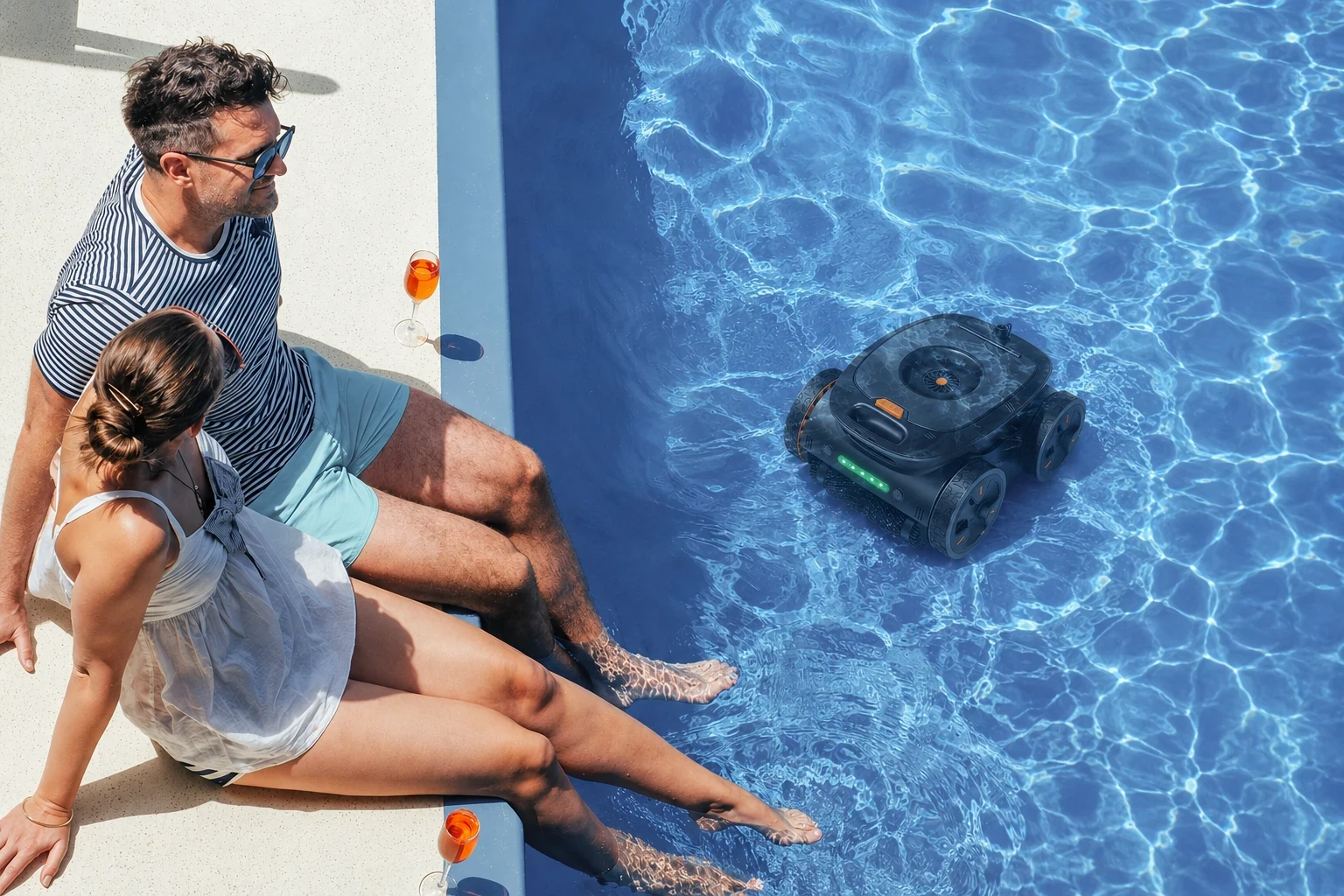
Battery life is one of the most important specifications to consider when choosing a cordless robotic pool cleaner. Without a power cable supplying continuous electricity, a cordless pool robot must complete its cleaning cycle using the energy stored in its rechargeable battery.
But when manufacturers talk about "battery life," they may be referring to very different things.
One specification describes how long the robot can clean on a single charge. Another describes how long the rechargeable battery itself may remain useful before its capacity noticeably declines.
These are not the same.
For pool owners, the more practical question is often not simply, "How many hours does the battery last?" It is:
Can the robotic pool cleaner complete the required cleaning area on one charge?
A robot with a very large battery is not necessarily more effective than one with a smaller battery but better motors, navigation and energy management. Understanding what determines real-world runtime can therefore help you choose a cordless robotic pool cleaner that is better matched to your pool.
Cordless Pool Cleaner Runtime vs Battery Lifespan
Battery runtime and battery lifespan are often confused.
Battery runtime refers to how long a cordless robotic pool cleaner can operate after one full charge.
Battery lifespan refers to how long the rechargeable battery remains usable over months or years before aging causes a significant reduction in capacity or performance.
A few other battery specifications are also worth understanding:
Battery Term | What It Means | Why It Matters |
|---|---|---|
Runtime | Operating time on one charge | Determines whether the robot can complete a cleaning cycle |
Battery Capacity | Amount of energy the battery can store | Helps determine potential operating time |
Charging Time | Time required to recharge the battery | Affects how soon another cleaning cycle can begin |
Battery Lifespan | Long-term usable life of the battery | Influences long-term ownership and maintenance costs |
Charge Cycle | Battery use followed by recharging | Repeated cycles gradually contribute to battery aging |
When comparing cordless pool robots, all of these factors should be considered together rather than looking only at advertised maximum runtime.
How Long Does a Cordless Robotic Pool Cleaner Run on One Charge?
There is no single runtime that applies to every cordless robotic pool cleaner.
Operating time varies considerably between models and can also change depending on the cleaning mode being used.
A robot performing relatively light floor cleaning may consume energy differently from a robot simultaneously running powerful suction, active brushes, navigation sensors and wall-climbing motors.
Some premium robotic pool cleaners also have separate modes for floor cleaning, wall cleaning, waterline scrubbing and surface skimming. Each mode places different demands on the battery.
This is why a manufacturer's longest advertised runtime should not automatically be interpreted as the runtime you will receive during every type of cleaning.
The better question is:
What is the runtime for the cleaning mode I actually intend to use?
If your pool requires floor, wall and waterline cleaning during the same cycle, compare battery performance under that type of workload rather than using the longest possible runtime from a lighter operating mode.
Why Advertised Battery Runtime and Real Runtime Can Be Different
Published runtime is useful for comparing pool cleaners, but it should be treated as a reference rather than a guarantee.
The actual operating time of a cordless robotic pool cleaner can be influenced by pool size, pool shape, cleaning mode, suction demand, wall climbing, debris load, navigation activity, water conditions and the condition of the battery itself.
A robot operating in a simple rectangular pool with relatively little debris may use its stored energy differently from the same robot cleaning a large pool with curves, steps, walls and a heavily contaminated floor.
Real-world battery performance therefore depends on the entire cleaning task.
What Determines Cordless Robotic Pool Cleaner Battery Life?
Several factors can affect how long a pool robot operates between charges.
Battery Capacity
Battery capacity is one of the most visible specifications on cordless robotic pool cleaners. It is commonly expressed in milliamp-hours (mAh), although energy capacity may also be expressed in watt-hours (Wh).
A larger-capacity battery can potentially store more energy, but battery capacity alone does not determine runtime.
Two robots with similar battery capacities can have very different operating times because their motors, electronics, pumps, navigation systems and cleaning programs consume energy differently.
Even comparing mAh values directly can be misleading when battery voltages differ. For a more meaningful technical comparison, total stored energy and system efficiency are more informative than mAh alone.
Therefore:
Bigger battery does not automatically mean longer effective cleaning.
Motor and Suction Power
The suction system is one of the major energy-consuming components inside a robotic pool cleaner.
Powerful suction can improve debris collection, particularly when dealing with sand, leaves and fine particles. However, operating a high-output suction motor requires energy.
The goal of an efficient cordless pool cleaner is therefore not simply to produce maximum suction continuously. A well-designed system needs to balance cleaning power with energy consumption.
Efficient motors, optimized water flow and intelligent power management can help a robot perform effective cleaning without unnecessarily consuming battery capacity.
Wall Climbing
Climbing a vertical pool wall generally requires more effort than travelling across a relatively flat pool floor.
The robot must maintain sufficient traction while its drive system moves the cleaner upward. Its suction and water-flow systems may also contribute to keeping the cleaner stable against the surface.
As a result, repeated wall climbing can increase energy demand.
For this reason, a cordless robotic pool cleaner may have a different effective runtime when performing intensive floor, wall and waterline cleaning compared with a lighter floor-only cleaning program.
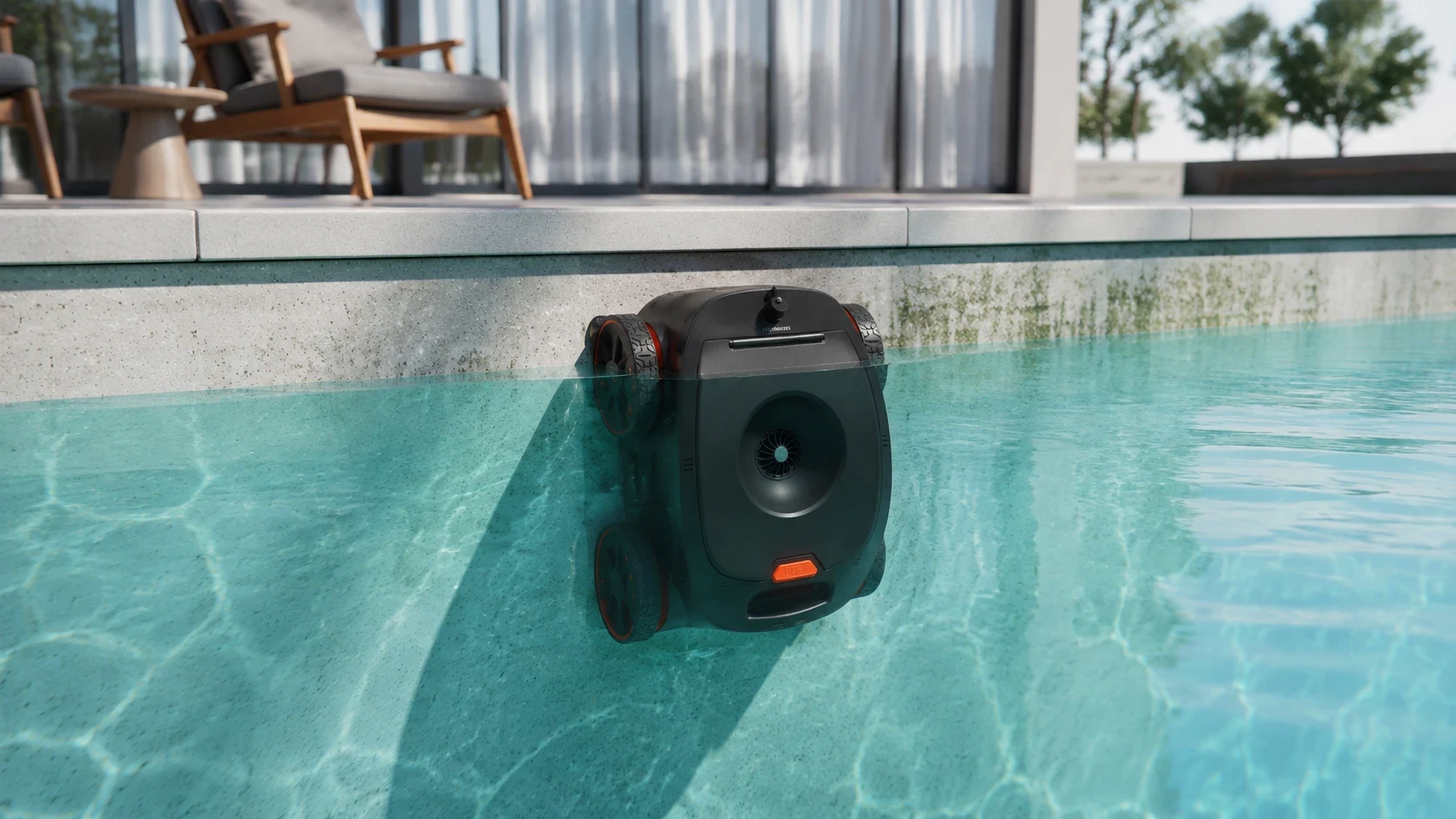
Waterline Cleaning
Waterline cleaning creates another demanding operating condition.
The cleaner must climb the wall, reach the waterline and maintain suitable positioning while brushes or other cleaning components remove accumulated dirt.
Repeated transitions between the floor, walls and waterline can require additional movement and navigation adjustments.
If waterline cleaning is important for your pool, look beyond the manufacturer's maximum runtime and check whether the robot can complete the desired full-pool cleaning cycle on one charge.
Navigation Efficiency
Navigation can have a major impact on how effectively a robotic pool cleaner uses its battery.
Consider two robots that each operate for 150 minutes.
One follows mostly random movements and repeatedly cleans the same areas.
The other maps or detects its surroundings and follows a more systematic route.
Although both robots have the same operating time, the second may cover more useful cleaning area before its battery is depleted.
This leads to one of the most important ways to evaluate a cordless pool robot:
Cleaning coverage per charge is often more meaningful than runtime alone.
Long runtime has limited value if much of that runtime is spent repeating the same path.
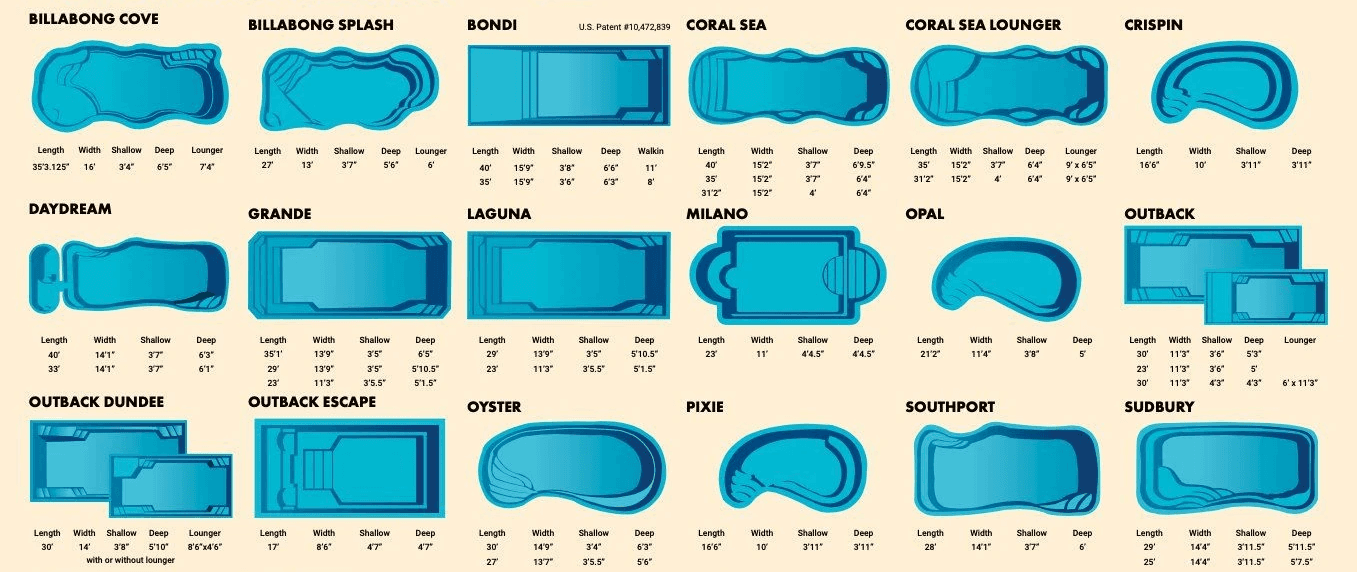
Pool Size and Shape
A larger swimming pool generally requires a robot to travel farther.
An irregularly shaped pool may also require more turning, repositioning and route adjustments than a simple rectangular pool.
Steps, shallow areas, ledges, slopes, drains and other structures can further increase the complexity of navigation.
This means two pools with the same surface area can still place different demands on the robot's battery.
Pool owners should therefore consider both the size and physical layout of the pool when choosing the required runtime.
Debris Load and Filter Condition
A lightly contaminated swimming pool is very different from one filled with leaves, fine sand and other debris after a storm.
Heavy debris can increase the cleaning workload. At the same time, a filter basket that becomes heavily loaded may restrict water flow and reduce cleaning efficiency.
Maintaining a clean filter helps the robot operate under the conditions for which it was designed.
Rather than waiting until the filter is completely packed with debris, regular cleaning of the basket or filter media can help maintain suction performance and consistent operation.
Does Wall Climbing Reduce Cordless Pool Cleaner Runtime?
It can.
Wall climbing typically demands more from the drive and traction systems than travelling across the pool floor.
However, the amount of additional energy required depends heavily on the cleaner's design.
Motor efficiency, weight distribution, traction system, suction configuration, navigation strategy and pool surface can all influence the amount of power required.
A robot repeatedly climbing and descending walls unnecessarily may also consume more energy than a cleaner that follows an optimized full-pool cleaning path.
This is another reason intelligent navigation can be important for battery-powered pool cleaners.
Does Stronger Suction Mean Shorter Battery Life?
Not automatically, but suction power and energy consumption are closely related.
A powerful pump requires electricity. If two otherwise identical systems operate at substantially different power levels, the higher-powered system would generally require more stored energy to maintain the same runtime.
Real robotic pool cleaners, however, are not identical.
Motor efficiency, impeller design, hydraulic design, software and cleaning strategy can allow one robot to achieve strong debris removal while using energy more efficiently than another.
For buyers, the goal should therefore not be to choose the robot with either the largest battery or highest suction number in isolation.
Instead, consider the entire system:
Suction + navigation + filtration + runtime + cleaning coverage.
That combination provides a much better indication of real cleaning performance.
How Much Battery Runtime Do You Actually Need?
The ideal battery runtime depends primarily on what the robot must accomplish before it needs to recharge.
Pool Situation | What to Prioritize |
|---|---|
Small residential pool | Efficient cleaning rather than maximum battery size |
Standard family pool | Enough runtime to complete one normal cleaning cycle |
Large inground pool | Long runtime and high coverage per charge |
Pool requiring wall cleaning | Runtime under wall-climbing conditions |
Pool requiring waterline cleaning | Full floor, wall and waterline cycle capability |
Pool with heavy debris | Strong filtration, suction and sufficient runtime |
Complex pool shape | Efficient navigation and obstacle handling |
Very large or commercial pool | Extended runtime, hybrid power or continuous power options |
A cordless cleaner that completes your entire pool in one charge may be more practical than a robot offering a longer advertised runtime but poor navigation.
This is why pool coverage and battery runtime should always be evaluated together.
Is Longer Battery Runtime Always Better?
No.
Battery runtime is important, but it is only one part of robotic pool-cleaning performance.
Imagine Robot A operates for four hours but repeatedly crosses areas that have already been cleaned. Robot B operates for two and a half hours but uses intelligent navigation to systematically cover the pool.
Robot B may accomplish more useful cleaning despite having a shorter operating time.
Extremely long battery runtime can also involve trade-offs such as a larger battery, greater weight, longer charging time or higher product cost.
Instead of automatically choosing the highest runtime figure, evaluate whether the cleaner can reliably complete your required cleaning cycle.
For most pool owners, that is the measurement that actually matters.
Battery Capacity vs Cleaning Coverage: Which Matters More?
Cleaning coverage is generally the more useful real-world measurement.
Battery capacity tells you how much energy is available.
It does not tell you how efficiently that energy is converted into cleaning.
A well-engineered cordless pool robot needs to use its available battery capacity efficiently across several systems, including propulsion, suction, brushes, sensors and onboard electronics.
Intelligent route planning can further improve efficiency by minimizing unnecessary travel.
This means a robot with a smaller battery but highly optimized cleaning system may sometimes cover a pool more effectively than a less efficient robot with a larger battery.
When comparing models, ask:
How much of my pool can this cleaner finish on one charge?
That question is usually more useful than simply asking:
How many mAh does the battery have?
Runtime vs Charging Time: Which Is More Important?
Both matter.
A cordless pool cleaner that offers a long cleaning cycle may sound ideal, but charging time determines how quickly it can be used again.
For a homeowner who runs one cleaning cycle every few days, a longer charging period may not matter much.
For someone with a large pool who needs two cleaning cycles in the same day, charging time becomes much more important.
This is why battery specifications should be evaluated as a system:
Runtime → Cleaning Coverage → Recharge Time → Next Cleaning Cycle
Owners of particularly large pools may also want to consider systems capable of alternative power options rather than depending entirely on repeated battery charging.
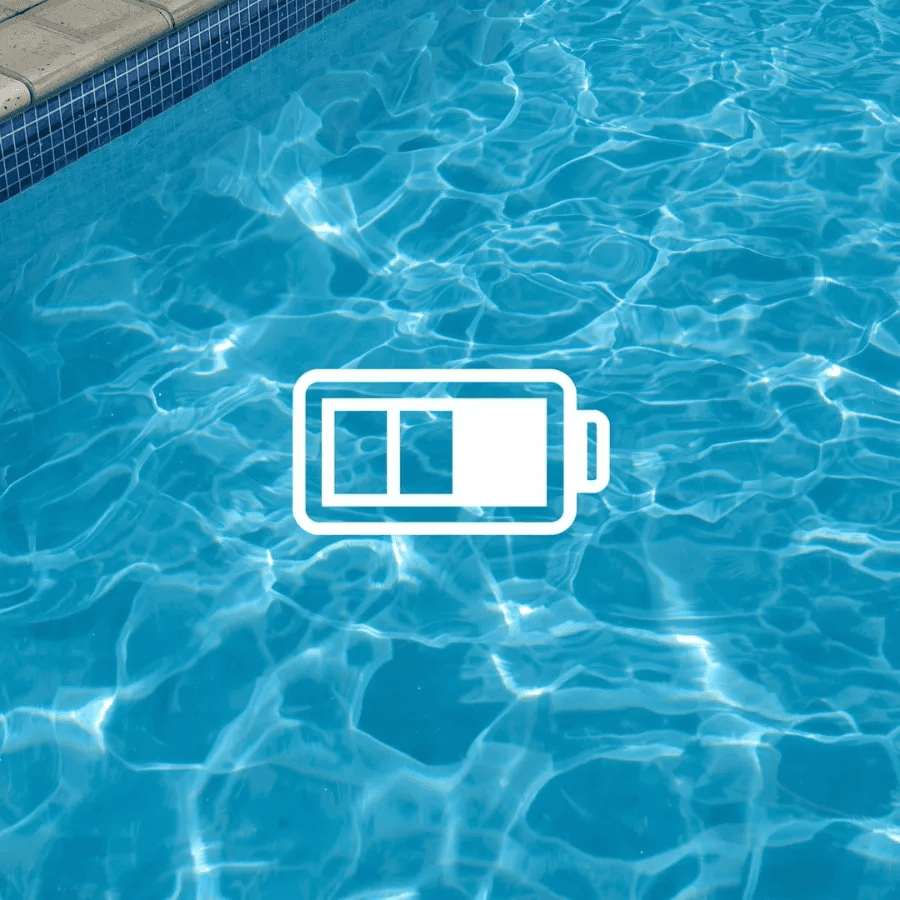
Are Hybrid Corded and Cordless Pool Cleaners Useful for Long Cleaning Cycles?
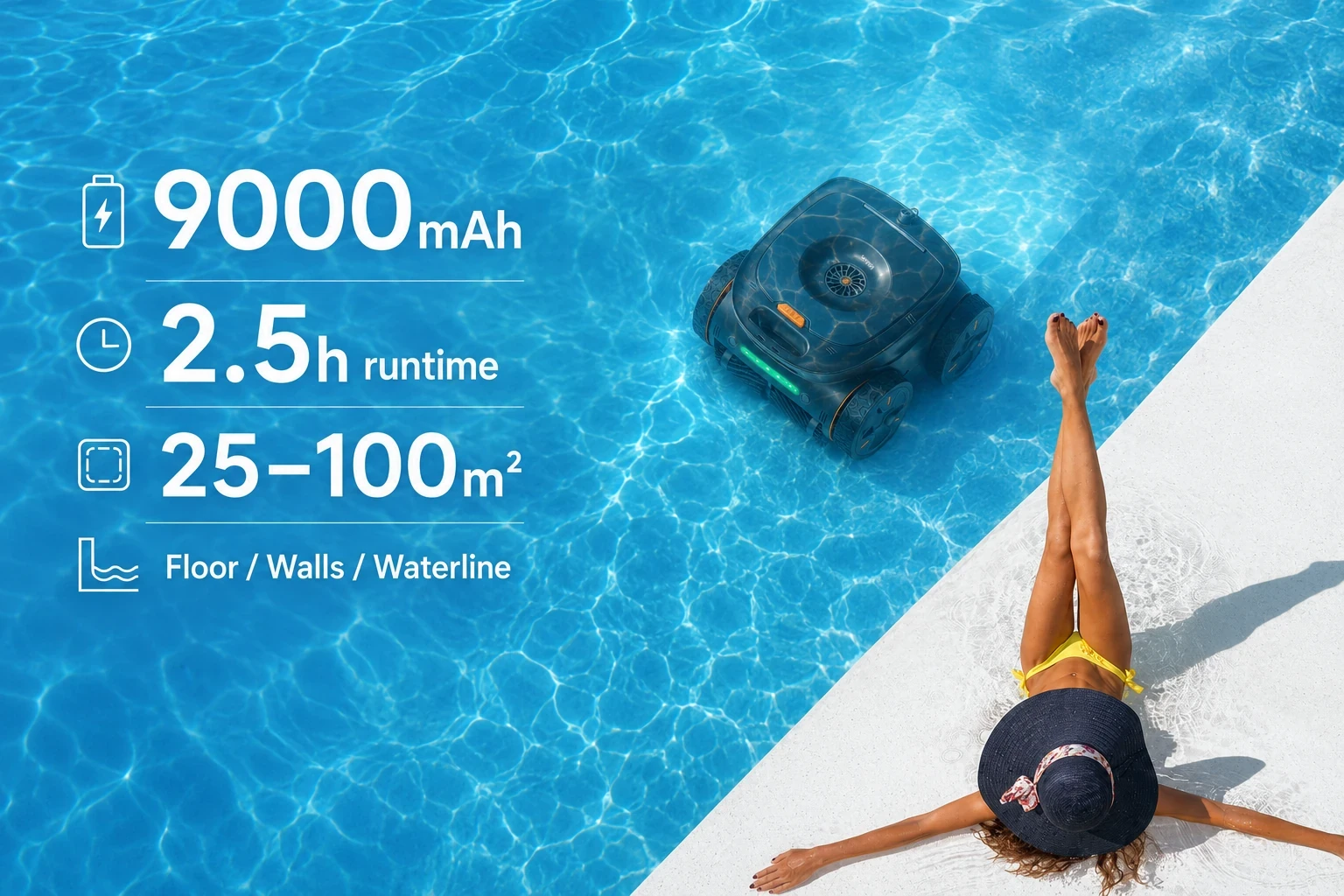
A hybrid power system provides another solution to the runtime limitation of cordless pool cleaners.
The robot can use battery power when cordless operation is preferred and an external power supply when extended or continuous cleaning is required.
For a standard residential pool, a purely cordless robot may provide enough operating time to complete routine cleaning without difficulty.
For a much larger pool, however, the ability to switch to continuous external power can eliminate the need to stop, recharge and restart the cleaner.
Hybrid operation can therefore be particularly useful for large residential pools, commercial swimming pools and applications requiring extended cleaning sessions.
PURILY has developed robotic pool cleaning systems using this approach, combining cordless operation with external power options for users who need greater flexibility.
How Long Does a Robotic Pool Cleaner Battery Last Before It Needs Replacement?
Rechargeable batteries do not maintain their original capacity forever.
Repeated charging and discharging gradually changes battery performance. Over time, a cordless robotic pool cleaner may no longer operate as long on a full charge as it did when new.
There is no universal number of years that applies to every pool robot battery.
Battery chemistry, battery-management design, usage frequency, operating temperature, storage conditions, charging habits and manufacturing quality can all affect long-term lifespan.
This is why buyers should look beyond the initial battery specification when purchasing a premium cordless robotic pool cleaner.
Battery replacement availability, warranty coverage and after-sales support can become important considerations over the lifetime of the product.
Why Is My Cordless Pool Cleaner Battery Draining Faster Than Before?
A noticeable reduction in runtime does not always mean the battery needs immediate replacement.
First check whether operating conditions have changed.
The robot may be using a more intensive cleaning mode, climbing walls more frequently, dealing with a heavier debris load or operating with a dirty filter.
Brushes, wheels or tracks that cannot move freely may also increase mechanical resistance.
If those factors have been eliminated and the robot still operates for substantially less time than it originally did after a full charge, battery aging may be contributing to the reduction.
A gradual decrease in capacity is normal for rechargeable batteries over extended use.
A sudden or severe change in battery performance should be inspected according to the manufacturer's service instructions.
How Can You Extend Cordless Robotic Pool Cleaner Battery Life?
Good operating and storage habits can help maintain battery performance.
Follow the manufacturer's charging instructions rather than using incompatible chargers or power supplies. Keep the charging contacts and charging system clean and dry where required by the product instructions. Avoid exposing the cleaner to unnecessary extreme heat during storage or charging.
Regularly clean the filter, brushes, wheels or tracks so that the robot does not have to operate against unnecessary resistance.
After cleaning, follow the manufacturer's recommendations regarding removal from the pool, rinsing, drying and storage.
Long-term storage also deserves attention. If the robot will not be used for an extended period, follow the manufacturer's recommended battery state and charging interval rather than leaving the battery fully depleted for months.
Correct charging and storage practices will not prevent normal battery aging, but they can help reduce avoidable stress on the battery system.
Should You Fully Drain a Cordless Pool Cleaner Battery Before Charging?
Not necessarily.
Modern rechargeable battery systems generally do not need to be deliberately discharged to zero before every recharge.
More importantly, users should follow the instructions supplied with their specific robotic pool cleaner.
Intentionally leaving a battery completely discharged for an extended period can be undesirable for many rechargeable battery systems.
The cleaner's battery-management system normally controls safe operating and charging limits, so normal charging according to the manufacturer's instructions is preferable to trying to manually "train" the battery.
How Can You Tell When a Pool Robot Battery Is Aging?
Reduced runtime is usually the most obvious sign.
A robot that previously completed the pool comfortably but now repeatedly stops before finishing may be experiencing reduced battery capacity.
Other symptoms may include unusually long or inconsistent charging, difficulty reaching a full charge, unexpected shutdowns or battery-related error messages.
However, similar symptoms can sometimes be caused by chargers, electrical connections, software or other components.
Battery replacement should therefore be based on proper diagnosis rather than runtime alone.
What Happens If the Battery Runs Out Before the Pool Is Clean?
If a cordless robotic pool cleaner reaches its low-battery threshold before completing the selected cleaning cycle, its behavior depends on the model.
Some robots stop where they are. Others may use low-battery management or retrieval features designed to make removal easier.
For a detailed explanation, see our guide on What Happens When a Robotic Pool Cleaner Runs Out of Battery?
For buyers, the larger lesson is that battery capacity should be matched to pool size and expected cleaning coverage before purchasing the robot.
What Should You Compare When Choosing a Cordless Pool Cleaner Battery?
Do not judge battery performance using one number.
Look at the relationship between:
Battery capacity, actual cleaning runtime, pool coverage, cleaning modes, navigation efficiency, charging time and long-term battery support.
A high-capacity battery can be useful, but only when the cleaner uses that energy effectively.
Similarly, a very long advertised runtime is less valuable if it applies only to a low-power operating mode that does not perform the type of cleaning your pool requires.
The best cordless robotic pool cleaner is therefore not necessarily the one that runs the longest.
It is the one that can reliably complete the cleaning job you need within its available battery cycle.
Cordless Robotic Pool Cleaner Battery Life: Final Verdict
Battery technology has made cordless robotic pool cleaners increasingly practical for everyday swimming pool maintenance.
But battery life should never be evaluated using runtime alone.
Pool owners need to distinguish between the duration of a single cleaning cycle and the long-term lifespan of the rechargeable battery. They should also consider how pool size, suction power, wall climbing, waterline cleaning, debris load and navigation affect real-world energy consumption.
Most importantly, compare cleaning coverage per charge, not simply battery capacity.
A robot that intelligently completes the floor, walls and waterline within its available battery cycle may be a better choice than one with a larger battery but less efficient cleaning.
For large pools or applications requiring very long cleaning periods, hybrid corded and cordless systems can provide another option by combining cordless convenience with the possibility of extended operation.
Understanding these differences makes it much easier to choose a robotic pool cleaner with the right balance of battery capacity, runtime, cleaning performance and long-term reliability.
Frequently Asked Questions
How long should a cordless robotic pool cleaner run?
There is no single ideal runtime for every cordless pool cleaner. The required operating time depends on pool size, cleaning coverage, suction demand, wall climbing, navigation efficiency and the selected cleaning mode. The most important question is whether the robot can complete the desired cleaning cycle on one charge.
How long do robotic pool cleaner batteries last?
Rechargeable pool robot batteries gradually lose capacity over time. Their service life depends on battery quality, charging cycles, operating conditions, temperature, storage and charging habits. Instead of assuming a fixed number of years, monitor changes in runtime and follow the manufacturer's battery-maintenance recommendations.
Does a bigger battery mean a longer pool cleaner runtime?
Not necessarily. Battery capacity is only one factor. Motor efficiency, suction power, navigation, software optimization, robot weight and cleaning mode all influence energy consumption. Two pool robots with similar battery capacities can therefore have significantly different runtimes and cleaning coverage.
Does wall climbing use more battery?
Wall climbing can increase energy demand because the robot needs sufficient traction and drive power to move vertically. The actual effect depends on the robot's motor efficiency, suction system, navigation and pool surface.
Does waterline cleaning reduce battery runtime?
It can. Repeated wall climbing, positioning and active waterline scrubbing can require more energy than simple floor movement. Check runtime specifications for the cleaning mode you plan to use rather than relying only on maximum advertised runtime.
Why is my robotic pool cleaner battery draining so fast?
Possible causes include intensive cleaning modes, frequent wall climbing, heavy debris, clogged filters, resistance in brushes or drive components, operating conditions or normal battery aging. If runtime suddenly changes significantly, follow the manufacturer's troubleshooting and service instructions.
How often should I charge my cordless pool cleaner?
Charge the robot according to the manufacturer's instructions and your cleaning schedule. In most cases, the practical approach is to recharge it after a cleaning cycle so that it is ready for the next scheduled use.
Should I completely drain the battery before recharging?
Usually, deliberate full discharge is unnecessary for modern rechargeable battery systems. Follow the charging instructions provided by the manufacturer and avoid leaving the battery completely depleted for extended periods.
How long does it take to charge a cordless robotic pool cleaner?
Charging time varies by model, battery capacity and charging system. Compare charging time together with runtime, especially if you expect to perform multiple cleaning cycles in one day.
Can a cordless robotic pool cleaner clean a large pool on one charge?
Some can, but pool size alone does not determine the answer. Pool shape, wall and waterline cleaning, navigation efficiency, debris load and cleaning mode all affect coverage. For very large pools, long-runtime or hybrid corded/cordless systems may be more practical.
When should I replace my robotic pool cleaner battery?
Battery replacement may be worth considering when runtime has declined substantially and routine maintenance or troubleshooting does not restore performance. Battery condition, replacement cost, warranty and the overall age of the robot should all be considered before deciding.