Pool pH vs Alkalinity: What’s the Difference and How to Balance Them?
Pool pH
Pool pH vs Alkalinity

Pool pH vs Alkalinity: What’s the Difference?
Maintaining a clean and healthy swimming pool requires more than removing leaves, dirt and debris. Proper water chemistry is equally important.
Many pool owners regularly test their water but become confused when they see two different measurements: pH and total alkalinity.
Although these two terms are closely related, they describe different aspects of pool water balance.
pH measures how acidic or alkaline your pool water is, while total alkalinity helps stabilize pH and prevents sudden changes. Understanding how these two factors work together can help you maintain clearer water, improve chlorine performance and reduce common pool problems.
What Is Pool pH?
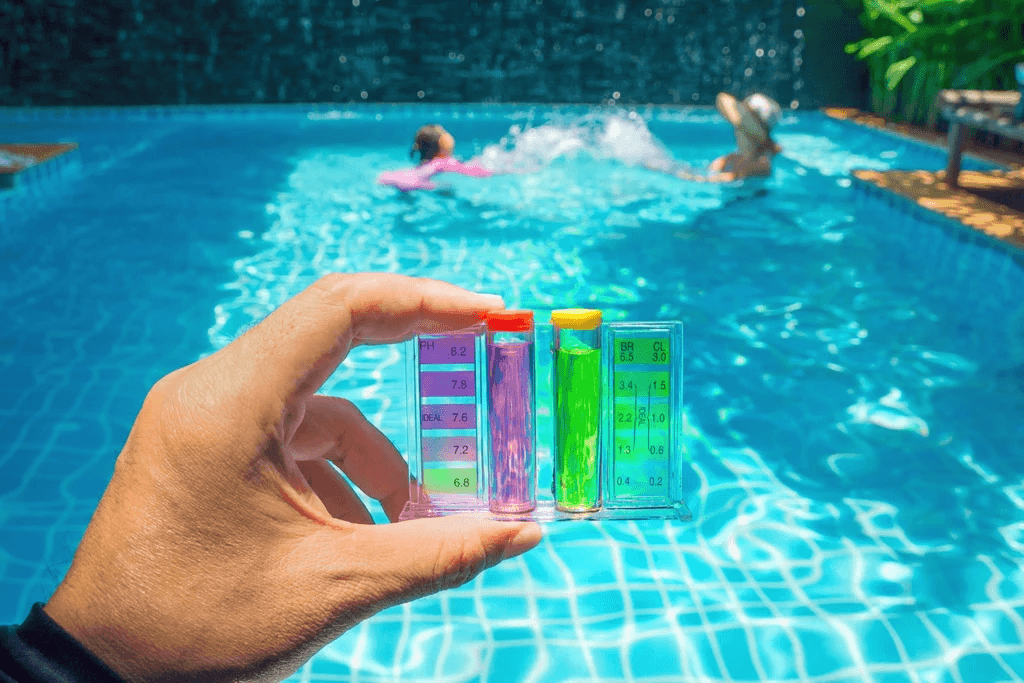
Pool pH measures the acidity or alkalinity of your water.
The pH scale ranges from 0 to 14:
Below 7: Acidic
7: Neutral
Above 7: Alkaline
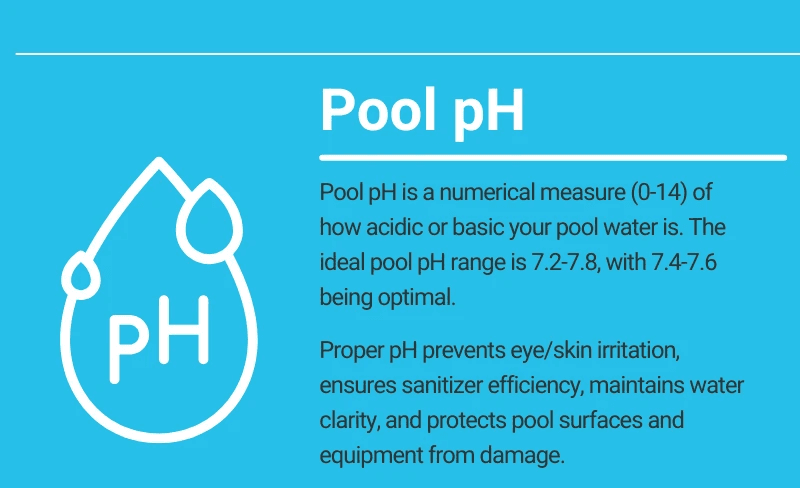
For most swimming pools, the recommended pH range is:
7.2–7.8
Maintaining proper pH helps improve swimmer comfort and allows chlorine to work effectively.
What Happens When Pool pH Is Too Low?
When pool pH drops too low, the water becomes acidic.
Common problems include:
Eye and skin irritation
Corrosion of metal components
Damage to pool equipment
Reduced chlorine efficiency
Uncomfortable swimming conditions
What Happens When Pool pH Is Too High?
When pool pH becomes too high, the water becomes overly alkaline.
Possible issues include:
Cloudy pool water
Calcium scaling
Reduced chlorine effectiveness
Mineral deposits
Poor water clarity
What Is Total Alkalinity in a Pool?
Total alkalinity measures the ability of pool water to resist changes in pH.
While pH shows the current chemical condition of the water, alkalinity works as a buffer that helps keep pH stable.
A pool with balanced alkalinity is less likely to experience sudden pH fluctuations.
The commonly recommended total alkalinity range for many pools is:
80–120 ppm
Pool pH vs Alkalinity: Key Differences
Feature | pH | Total Alkalinity |
|---|---|---|
Measures | Water acidity or alkalinity | Water’s ability to resist pH changes |
Main Purpose | Controls current water balance | Stabilizes pH |
Measurement | pH scale (0–14) | Parts per million (ppm) |
Ideal Range | 7.2–7.8 | 80–120 ppm |
Low Level Effect | Corrosion and irritation | Unstable pH |
High Level Effect | Scaling and cloudy water | Difficult pH adjustment |
How Do pH and Alkalinity Work Together?
pH and alkalinity are connected.
Alkalinity acts as a stabilizing system that helps prevent rapid pH movement.
When alkalinity is too low:
pH can change quickly
Chemical adjustments become difficult
Water balance becomes unstable
When alkalinity is too high:
pH may become difficult to lower
Scale formation may increase
Water clarity may decrease
Should You Adjust Pool Alkalinity or pH First?
In many cases, alkalinity should be checked and adjusted before fine-tuning pH.
The recommended process is:
Test total alkalinity and pH
Adjust alkalinity if it is outside the recommended range
Adjust pH after alkalinity is stable
Retest the water
Because alkalinity affects pH stability, adjusting pH first may only provide a temporary solution.
How to Increase Pool Alkalinity
If alkalinity is too low, pool owners typically use an alkalinity increaser.
Low alkalinity can cause:
Rapid pH changes
Increased chemical consumption
Poor water stability
After adjustment:
Allow water circulation
Retest levels
Make additional corrections if needed
How to Lower Pool Alkalinity
High alkalinity can make pH difficult to control.
Lowering alkalinity usually requires adding an appropriate acid product according to pool size and chemical instructions.
Always measure carefully because incorrect chemical additions can create further imbalance.
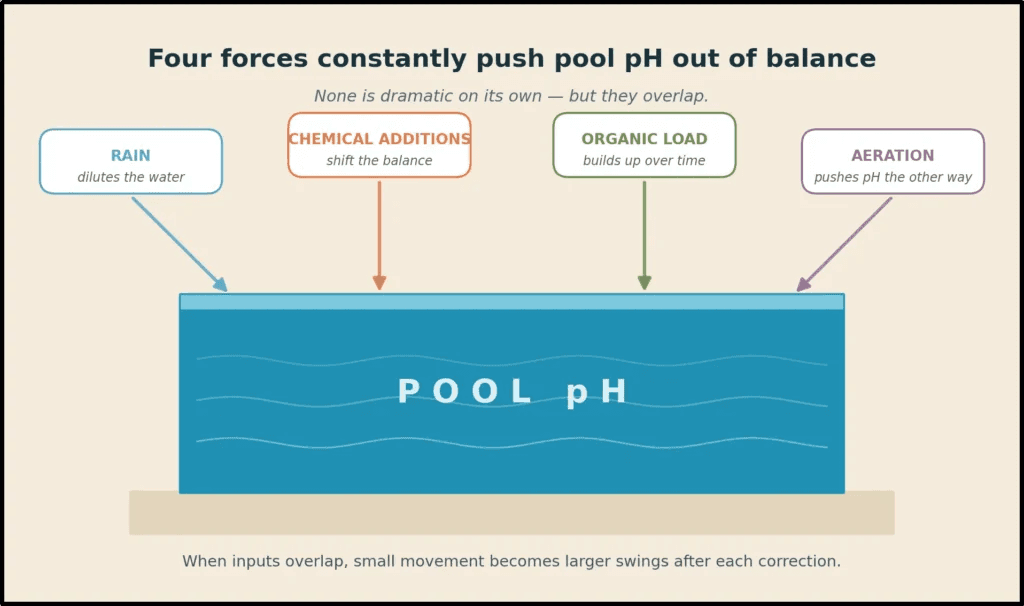
Why Does My Pool pH Keep Changing?
Several factors can cause unstable pH:
Low Total Alkalinity
Insufficient alkalinity reduces the water’s buffering ability.
Rain and Environmental Changes
Rainwater and outdoor conditions can affect pool chemistry.
Swimmer Activity
Sunscreen, body oils and contaminants introduced by swimmers can influence water balance.
Chemical Treatments
Some pool chemicals may affect pH levels over time.
Can Poor Water Chemistry Make a Pool Look Dirty?
Yes.
Cloudy or unclear water is not always caused by visible dirt.
Chemical imbalance can contribute to:
Cloudiness
Reduced chlorine effectiveness
Algae growth
Scale buildup
A clean pool requires both:
Proper water chemistry + effective physical cleaning
Does a Robotic Pool Cleaner Balance pH or Alkalinity?
No.
A robotic pool cleaner and pool chemicals solve different problems.
A robotic cleaner removes physical debris such as:
Leaves
Dirt
Sand
Fine particles
However, it does not replace:
Chlorine treatment
pH adjustment
Alkalinity balancing
Water testing
The best pool maintenance routine combines automatic cleaning with proper chemical care.
Can Water Chemistry Affect a Robotic Pool Cleaner?
Maintaining balanced pool water is also important for equipment protection.
Poor water balance may contribute to:
Mineral buildup
Scale deposits
Reduced component performance
Additional maintenance requirements
Regular water testing helps protect both your pool and cleaning equipment.
How Often Should You Test Pool pH and Alkalinity?
Testing frequency depends on:
Pool usage
Weather conditions
Chemical treatments
Rainfall
Swimming frequency
During the swimming season, regular testing helps identify problems before they become difficult to correct.
Common Pool Water Balance Problems
Problem | Possible Cause | Solution |
|---|---|---|
pH keeps rising | Low alkalinity or environmental factors | Check alkalinity first |
Cloudy water | Poor chemistry or filtration issues | Test water and clean filters |
Chlorine works poorly | Incorrect pH range | Adjust pH |
Scale buildup | High pH or mineral imbalance | Correct chemistry |
Eye irritation | Incorrect pH | Test and balance water |
Pool pH and Alkalinity Maintenance Tips
Test Before Adding Chemicals
Always test water before making adjustments.
Adjust One Parameter at a Time
Changing multiple chemical levels at once makes troubleshooting harder.
Maintain Filtration
Good circulation and filtration support chemical balance.
Remove Organic Debris
Leaves and organic material can increase chlorine demand.
A robotic pool cleaner helps reduce physical contaminants that enter the pool.
Follow Manufacturer Instructions
Chemical products and pool equipment vary, so always follow recommended guidelines.
Frequently Asked Questions
Is alkalinity the same as pH?
No. pH measures the current acidity or alkalinity of water, while alkalinity measures how well the water resists pH changes.
Should I fix alkalinity or pH first?
In many situations, alkalinity should be adjusted first because it helps stabilize pH.
What is the ideal pool pH level?
Most swimming pools are maintained between 7.2 and 7.8.
What is the ideal pool alkalinity level?
A common recommended range is around 80–120 ppm.
Why does my pool pH keep increasing?
Possible causes include low alkalinity, chemical treatments, aeration, environmental conditions and pool usage.
Can a robotic pool cleaner fix cloudy water?
A robotic pool cleaner can remove dirt and debris, but cloudy water may also require proper chemical balance and filtration.
Final Thoughts
Pool pH and alkalinity work together but serve different purposes.
pH controls the current chemical condition of the water, while alkalinity helps maintain stability and prevent sudden changes.
Keeping both balanced improves:
Water clarity
Swimmer comfort
Chlorine efficiency
Pool equipment protection
A complete pool maintenance strategy combines proper water chemistry with effective cleaning technology.
While a cordless robotic pool cleaner helps remove leaves, dirt and debris automatically, maintaining balanced pH and alkalinity remains essential for a clean and healthy swimming environment.