Inside a Robotic Pool Cleaner: How Automatic Pool Cleaning Technology Works
Introduction
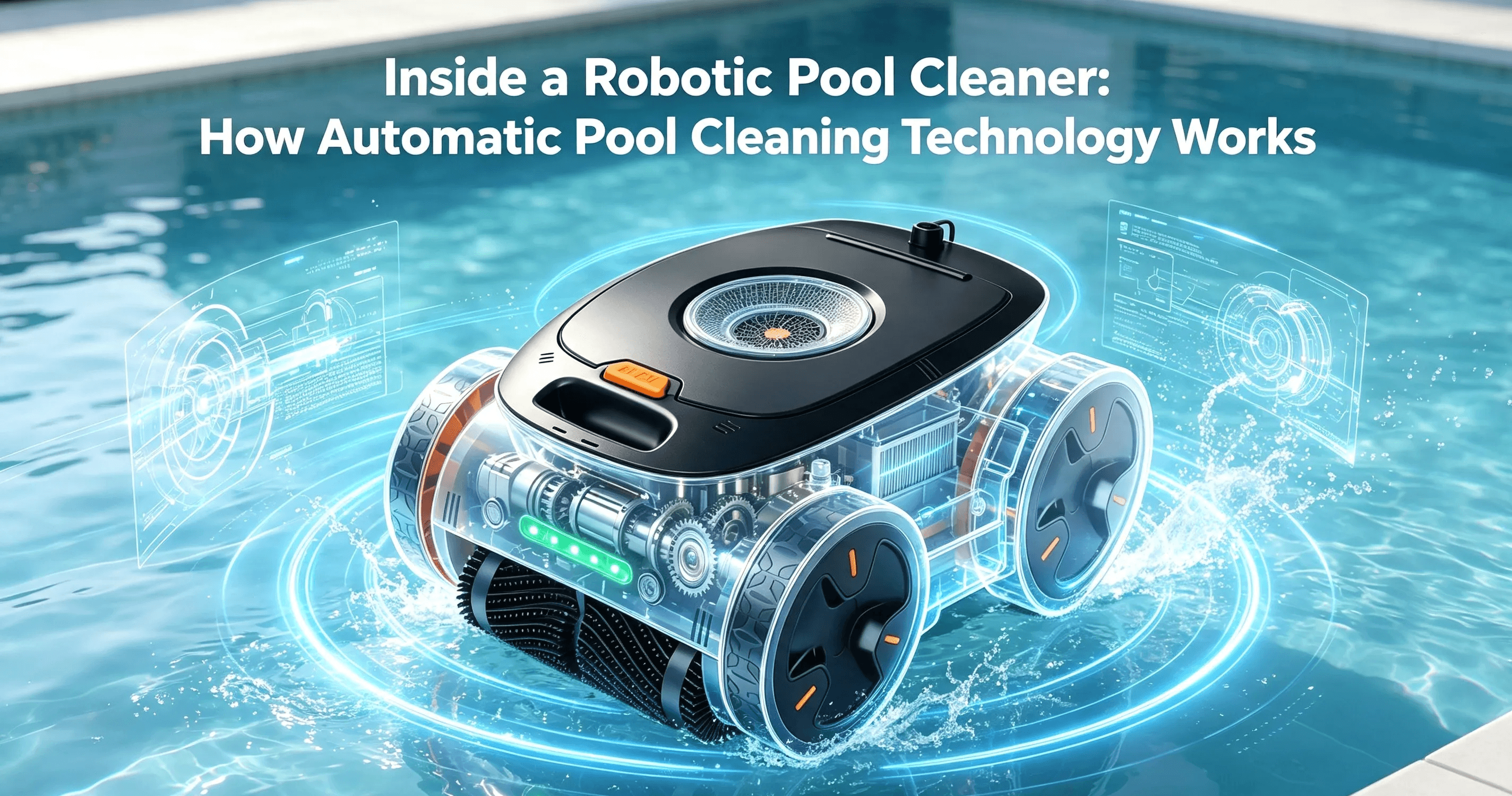
Robotic pool cleaners have changed the way many pool owners approach regular maintenance. Instead of depending entirely on manual cleaning or traditional equipment, these smart devices can move through the pool, remove debris, and support routine cleaning automatically.
But the performance of a robotic pool cleaner depends on more than just movement. Multiple systems work together, including drive components, cleaning mechanisms, sensors, and control technology.
Understanding the basic technology behind a robotic pool cleaner can help users better evaluate different models and understand how modern automatic pool cleaning is achieved.
How Does an Automatic Pool Cleaning System Work?
A robotic pool cleaner operates as an independent cleaning device inside the pool. Once activated, it uses its internal systems to move across different surfaces, collect debris, and complete a cleaning cycle.
Unlike traditional pool cleaning methods that require continuous manual operation, robotic cleaners are designed to handle cleaning tasks with minimal user involvement.
Movement System: How Pool Robots Move
The movement system allows the robotic cleaner to travel across the pool and reach different cleaning areas.
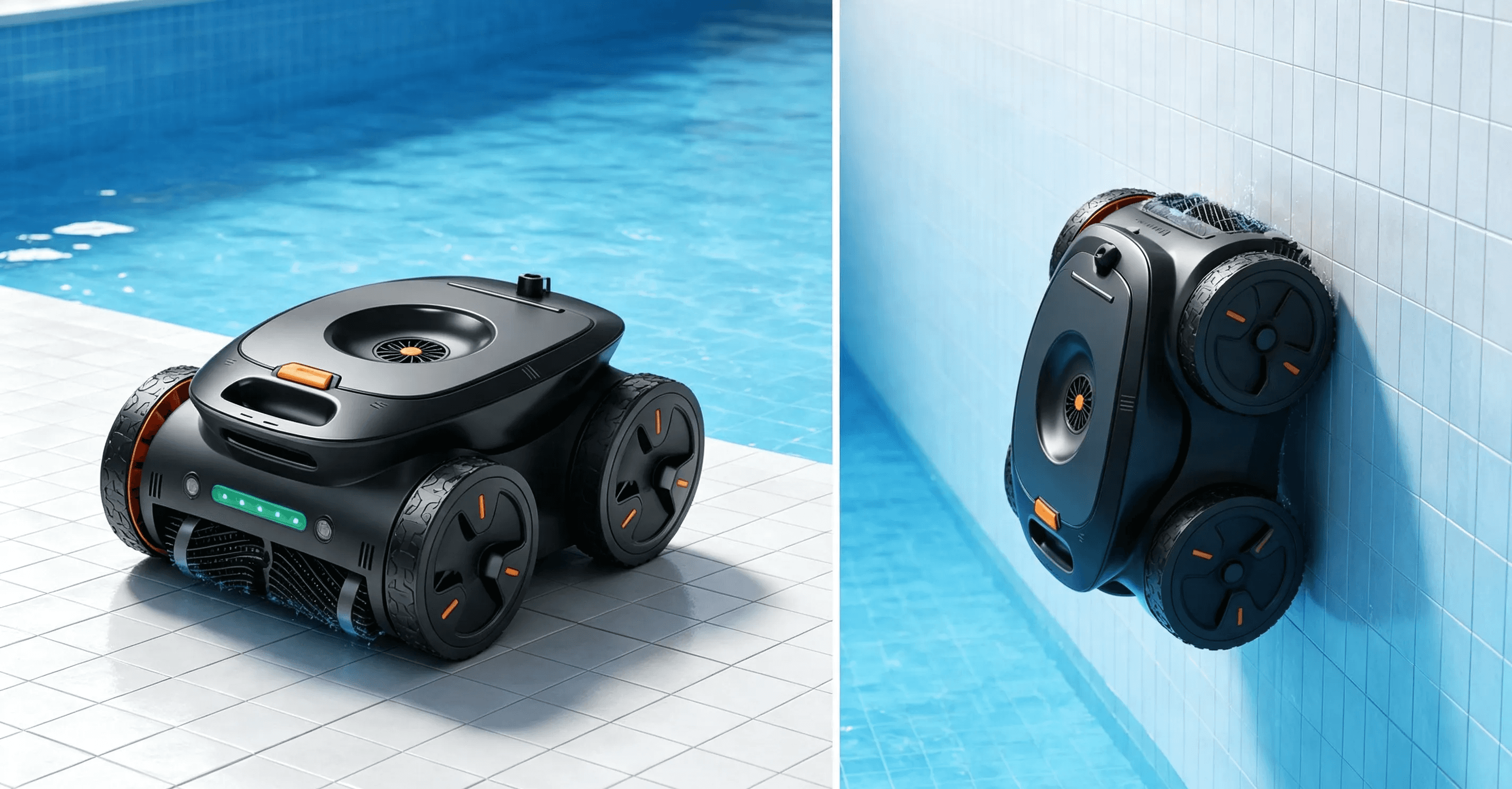
Drive motors, wheels, or tracks provide the necessary movement to help the cleaner navigate the pool floor. Some advanced models can also climb walls and clean waterline areas.
A reliable movement system helps the robot maintain stability while adapting to different pool layouts and surfaces.
Cleaning System: How Dirt Is Removed
During operation, robotic pool cleaners use brushes and suction systems to remove dirt and debris from pool surfaces.
The brushes help loosen particles attached to the pool surface, while the internal cleaning system collects and stores the debris.
Different cleaning technologies affect how effectively a robotic cleaner handles various types of dirt and pool conditions.
What Are the Main Technologies Inside a Robotic Pool Cleaner?
Although robotic pool cleaners appear simple from the outside, several components work together to achieve automatic cleaning performance.
Drive Motors and Mechanical Components
Motors provide the power required for movement and cleaning operations.
Advanced robotic pool cleaners may use multiple drive motors to improve control, stability, and movement efficiency. These components allow the cleaner to move smoothly across different pool environments.
Brushes and Debris Collection System
The cleaning process depends on both surface contact and debris collection.
Brush systems help remove dirt from pool surfaces, while the debris collection system captures unwanted particles during operation.
The combination of these components allows robotic cleaners to perform continuous cleaning without requiring manual scrubbing.
Sensors and Intelligent Control
Sensors and control systems help robotic pool cleaners operate more effectively.
Depending on the model, these technologies can support functions such as detecting the pool environment, improving movement decisions, and managing cleaning operations.
Modern robotic cleaners combine these systems to provide a more reliable and automated cleaning experience.
The Cleaning Process Step by Step
A robotic pool cleaner completes multiple steps during operation, from moving through the pool to collecting and storing debris. Although the process happens automatically, different systems work together to ensure effective cleaning.
Moving Through the Pool
After starting a cleaning cycle, the robotic cleaner begins moving across the pool using its drive system.
Depending on the model, the robot may follow different movement patterns to cover available cleaning areas. Advanced systems can improve movement efficiency by adjusting operation based on pool conditions.
The goal is to achieve more complete coverage while reducing unnecessary movement.
Collecting and Filtering Debris
As the robot moves, brushes help remove dirt from pool surfaces while the internal cleaning system collects debris.
The collected particles are stored inside the cleaner’s filtration area, preventing them from returning to the pool.
The effectiveness of this process depends on factors such as cleaning design, filter structure, and suction capability.
Completing the Cleaning Cycle
After finishing the cleaning process, the robotic cleaner can be removed from the pool or prepared for the next cleaning session depending on the model.
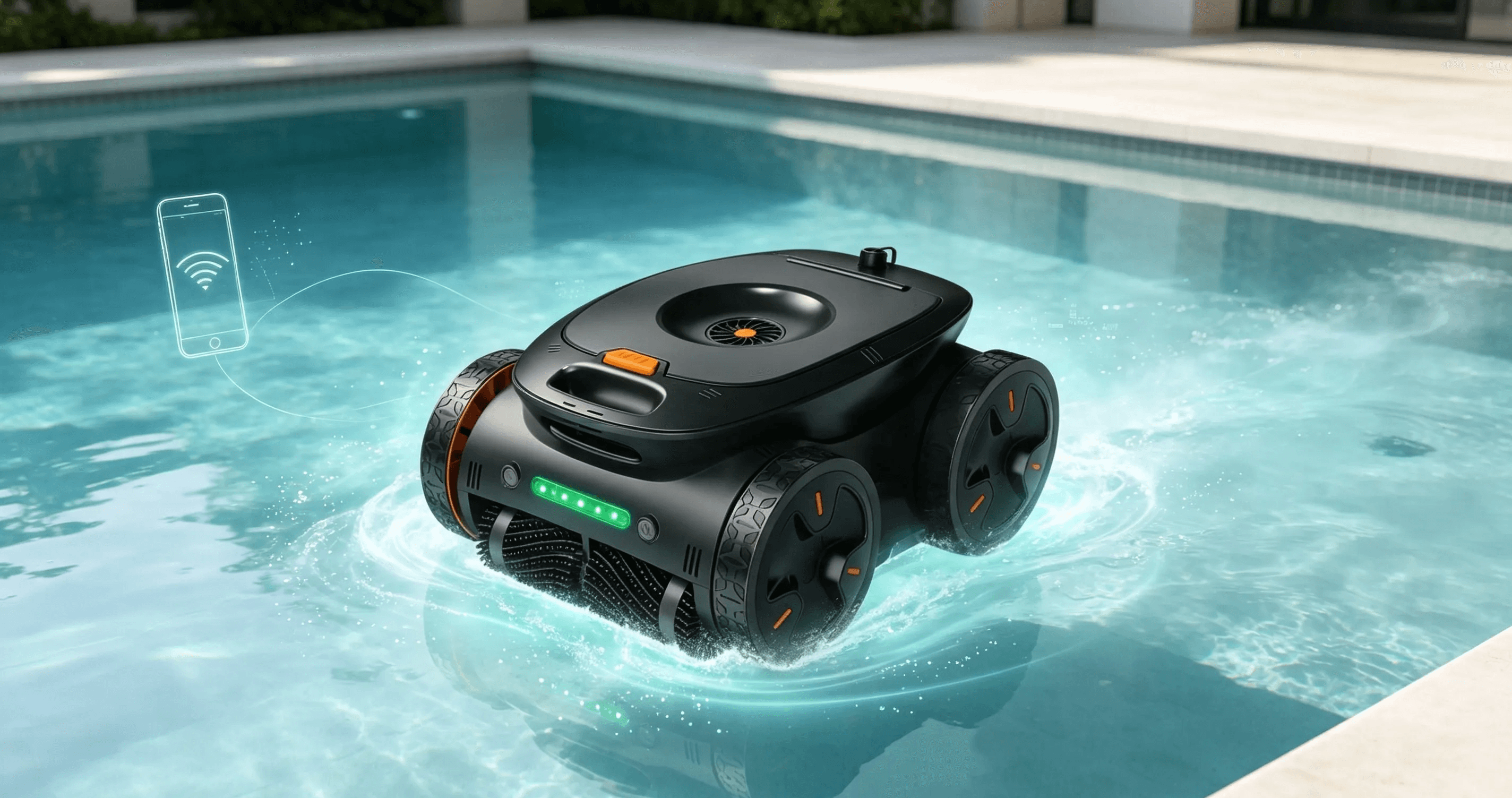
Some advanced cleaners also include smart features such as automatic docking, scheduled cleaning, or app-based management to make operation more convenient.
Why Robotic Pool Cleaners Are Different From Traditional Cleaning Methods
Traditional pool cleaning often requires manual effort, including brushing surfaces, removing debris, and monitoring cleaning progress.
Robotic pool cleaners provide an alternative approach by combining multiple technologies into one independent system.
Less Manual Effort
One of the main advantages of robotic pool cleaners is reducing the amount of hands-on maintenance required.
Users can start the cleaner and allow it to complete cleaning tasks automatically instead of performing every step manually.
This makes regular pool maintenance more convenient, especially for users who want to save time.
Independent Cleaning Operation
Unlike some traditional cleaning methods that depend on external equipment or manual control, robotic cleaners operate independently inside the pool.
The built-in motors, cleaning components, and control systems allow the robot to perform cleaning tasks without continuous supervision.
This independent operation is one of the main reasons robotic cleaners have become increasingly popular among pool owners.
How Purily Hydro Combines These Technologies
Purily Hydro integrates multiple technologies designed to improve automatic pool cleaning performance.
By combining movement systems, intelligent control, cleaning components, and flexible operation options, Hydro models provide a more convenient solution for residential pool maintenance.
Features such as four-wheel drive movement, intelligent path planning, dual intake filtration, smart app control, and remote operation work together to support different cleaning requirements.
Rather than relying on a single function, a modern robotic pool cleaner depends on the cooperation of multiple systems to achieve reliable performance.
Frequently Asked Questions
What are the main components inside a robotic pool cleaner?
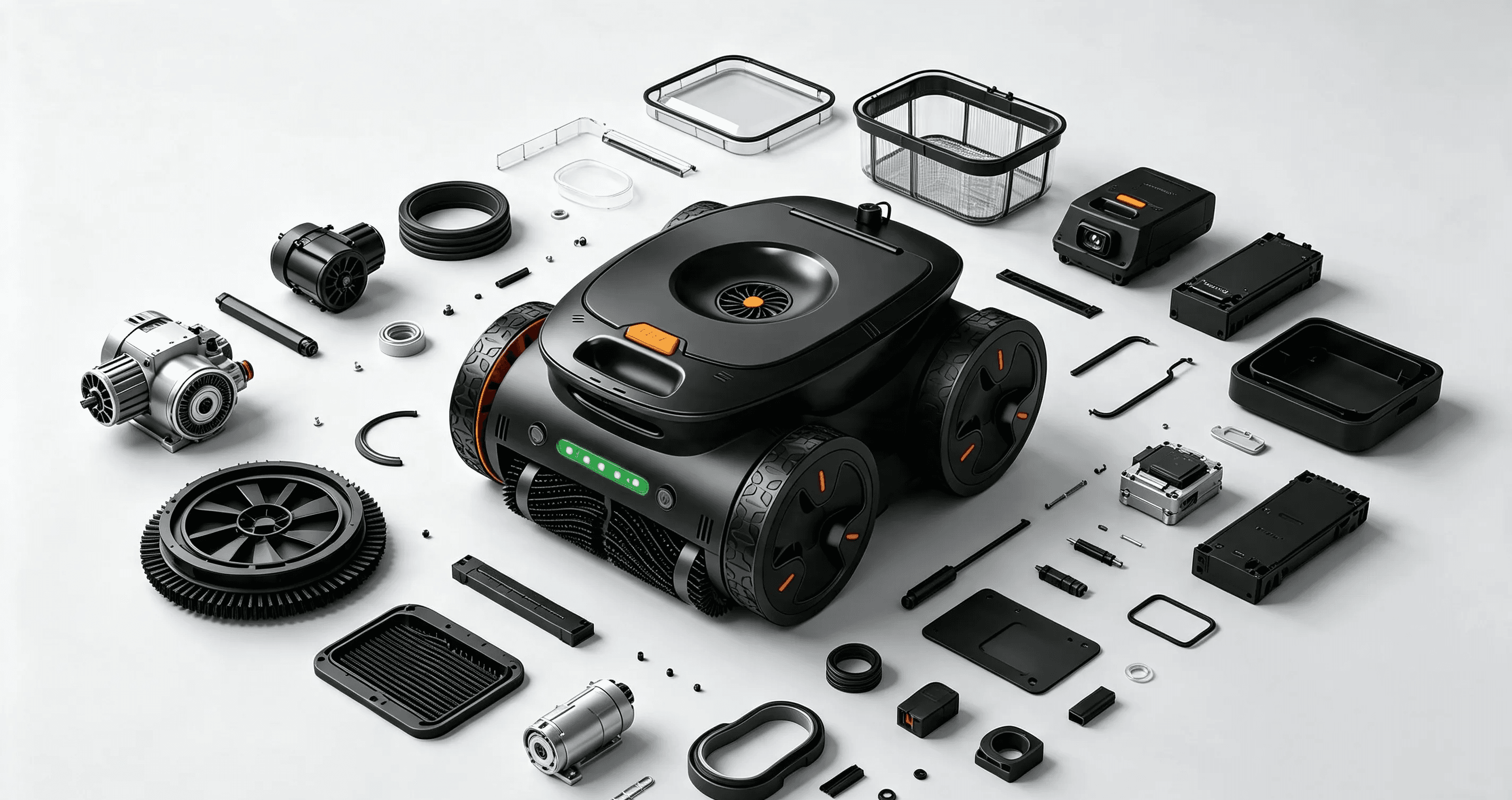
A robotic pool cleaner usually includes drive motors, brushes, debris collection systems, sensors, and control components. These parts work together to complete automatic cleaning tasks.
How does a robotic pool cleaner collect dirt?
The cleaner uses brushes to loosen debris from pool surfaces and a cleaning system to collect particles into its internal filtration area.
Do robotic pool cleaners need manual operation?
Most robotic pool cleaners are designed for automatic operation. Users typically only need to start the cleaner, select settings if available, and perform basic maintenance.
How do robotic pool cleaners know where to move?
Different models use different technologies. Some rely on movement patterns, while advanced models may use sensors and intelligent systems to improve cleaning coverage.
Are robotic pool cleaners better than traditional pool cleaning methods?
Robotic pool cleaners provide more automation and reduce manual effort. However, the best cleaning solution depends on factors such as pool size, maintenance requirements, and user preferences.
Conclusion
Robotic pool cleaners combine multiple technologies to complete automatic pool maintenance, including movement systems, cleaning components, debris collection, and intelligent control.
Understanding how these systems work helps users better evaluate different models and choose a cleaner that matches their pool requirements.
As robotic pool technology continues to develop, modern cleaners are becoming more efficient, flexible, and easier to operate, providing a practical solution for maintaining cleaner pools with less manual effort.