Can a Solar Robotic Pool Skimmer Handle Leaves, Pollen, and Bugs?
Solar Robotic Pool Skimmer
Solar Power
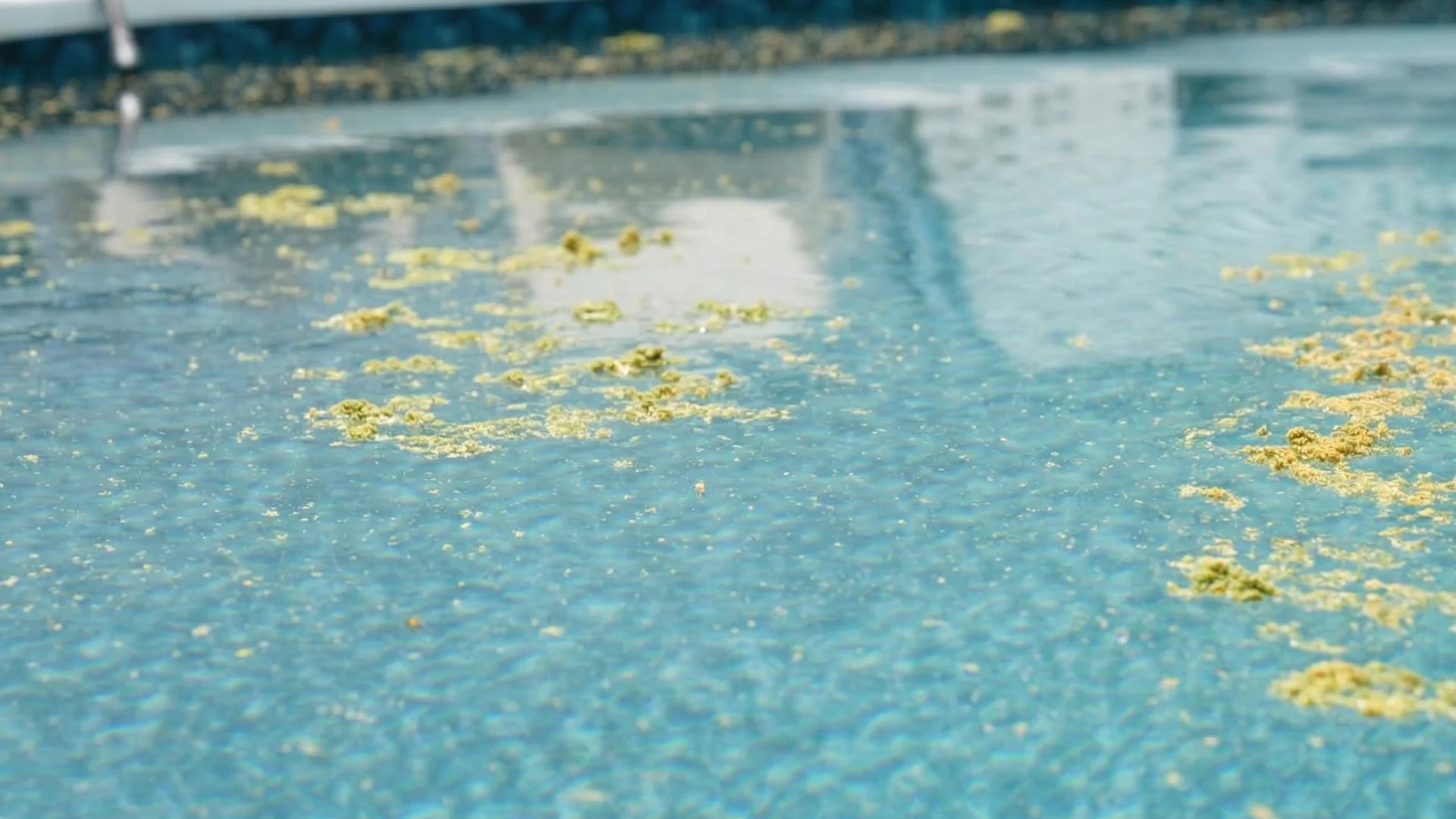
Leaves, pollen, and insects are three of the most common types of debris that collect on a swimming pool's surface. Although they may seem harmless at first, they can make a pool look dirty, increase cleaning requirements, and eventually sink to the bottom if left unattended.
A solar robotic pool skimmer offers an automated way to collect floating debris before it settles. Instead of relying entirely on manual skimming, this type of device moves across the water surface and directs debris into a collection basket.
But can one device handle every type of debris equally well?
The short answer is that leaves and insects are generally straightforward for a suitably designed surface skimmer to collect, while fine pollen can be more challenging and depends heavily on the filtration design. Performance also varies with debris size, basket capacity, water movement, and the amount of debris entering the pool.
Understanding these differences will help you determine whether a solar robotic pool skimmer is suitable for your pool and what features to look for when choosing one.
How Does a Solar Robotic Pool Skimmer Collect Debris?
A solar robotic pool skimmer is a floating, self-propelled cleaning device designed specifically for the water's surface. Unlike a conventional pool vacuum, which primarily cleans submerged surfaces, a robotic skimmer focuses on collecting debris before it sinks.
Although designs vary by manufacturer, most solar-powered models use several main components.

Solar Panels and Rechargeable Batteries
Solar panels convert sunlight into electrical energy. Depending on the model, that energy may power the device directly or recharge an internal battery that supports operation when sunlight is limited.
The battery's capacity, charging efficiency, and power consumption affect how long the skimmer can operate. A solar-powered model should not automatically be assumed to run continuously in every weather condition.
Propulsion and Navigation Systems
Motors, paddle wheels, propellers, or other propulsion mechanisms move the skimmer across the pool surface.
Some models use sensors to detect walls and obstacles or adjust their direction. Effective movement matters because debris can accumulate in different parts of the pool depending on wind, water circulation, and surrounding vegetation.
Debris Collection Basket
As the device moves, its intake guides floating debris into an onboard basket or filter compartment.
The collection system determines which debris can enter the device and which particles the filter can retain. A large basket provides more storage space, while a finer filter may capture smaller particles but require more frequent cleaning under heavy debris loads.
These components work together. A skimmer needs adequate movement, an effective intake, and suitable filtration to collect debris reliably.
Can a Solar Robotic Pool Skimmer Collect Leaves?
Yes. Leaves are generally among the most suitable types of debris for a solar robotic pool skimmer, provided the leaves fit through the intake and the basket has enough capacity.
Leaves often accumulate on the water surface before becoming waterlogged and sinking. Collecting them early can reduce the amount of debris that reaches the pool floor.
Why Leaves Are Relatively Easy to Collect
Most floating leaves are considerably larger than pollen particles and can be captured by a conventional debris basket.
As the skimmer travels across the water, leaves enter the collection area and remain in the basket until it is emptied.
This can be particularly useful for pools surrounded by trees, shrubs, or other vegetation.
What About Large Leaves and Twigs?
Not every leaf or plant fragment will fit through every skimmer intake.
Large leaves may fold or overlap as they enter the collection chamber. Small twigs, seed pods, and clusters of wet leaves may obstruct the intake or occupy a significant portion of the basket.
Before choosing a model, consider:
Intake opening: Can it accommodate the types of leaves that commonly enter your pool?
Basket capacity: Will it hold enough debris between cleanings?
Debris retention: Does the design help prevent collected leaves from escaping when the device changes direction?
Ease of cleaning: Can you remove and empty the basket without difficulty?
For a pool that receives heavy leaf fall, basket capacity and easy maintenance may matter more than advanced app features.
How to Improve Leaf Collection
Run the skimmer regularly during periods of heavy leaf fall, and empty the basket before it becomes packed with debris.
If possible, remove large branches or other oversized objects manually rather than forcing them into the intake.
Regular collection can also reduce the amount of organic material that reaches the pool floor, where a separate vacuuming or robotic cleaning process may be needed.

Can a Solar Robotic Pool Skimmer Remove Pollen?
Pollen is more challenging than ordinary leaves because individual pollen grains are much smaller. Some particles may be captured by a suitable fine-mesh filter, while others may pass through a coarser collection basket.
The important factor is not simply whether a skimmer is solar-powered. It is whether its intake and filtration system are designed to retain the particles you want to remove.
Why Pollen Can Be Difficult to Collect
Pollen may arrive in large quantities during seasonal changes, particularly when trees, grasses, and other plants release pollen into the surrounding air.
Wind can carry it onto the water, where it may form a visible yellow or greenish film. Some pollen remains at the surface, while other particles disperse through the water or become trapped in surface films and other debris.
A surface skimmer can collect pollen that enters its intake and is retained by its filter. However, it cannot be expected to remove every pollen particle from the entire body of water.
Does Filter Mesh Size Matter?
Yes. Filter mesh size is one of the most important considerations when selecting a skimmer for fine debris.
A coarse basket is usually adequate for large leaves and many insects, but fine particles may pass through its openings. A finer filter can retain smaller particles, depending on the actual mesh specification and how the filter is constructed.
When comparing models, look for published filter specifications rather than relying solely on descriptions such as "fine filtration."
Consider the following differences:
Feature | Coarser Filter | Finer Filter |
|---|---|---|
Large leaves | Generally suitable | Generally suitable if the intake accommodates them |
Insects | Generally suitable | Generally suitable |
Fine pollen | May allow many particles to pass through | May capture more particles, depending on the rating |
Water flow | Often offers less resistance | May create more resistance as debris accumulates |
Maintenance | Depends on debris load | May require more frequent cleaning during pollen season |
A filter's micron rating, where provided, can help you understand its intended filtration level. A smaller micron rating generally indicates finer filtration, but real-world performance also depends on the filter material, water flow, and particle characteristics.
Can a Solar Pool Skimmer Eliminate Pollen Completely?
No. A surface skimmer should not be treated as a complete pollen-removal system.
Even a model with fine filtration can only collect particles that reach its intake and are retained by the filter. Some pollen may remain suspended in the water, settle on the pool floor, or accumulate in areas the device does not reach effectively.
For better results during pollen season:
Empty and clean the collection basket regularly.
Check whether the manufacturer's filter is suitable for fine particles.
Maintain the pool's filtration system according to the manufacturer's recommendations.
Brush or vacuum areas where pollen has settled, when necessary.
If pollen is a recurring problem, select a model based on its documented filtration capabilities rather than its solar charging system alone.
Can a Solar Robotic Pool Skimmer Collect Bugs and Insects?
Yes. Floating insects are generally suitable for robotic surface skimmers because many are large enough to be captured by standard debris baskets.
Beetles, flies, mosquitoes, and other insects may land on the water or become trapped on its surface. A moving skimmer can collect these insects before they sink or drift into corners.
Why Automatic Skimming Helps With Insects
Insects can enter a pool throughout the day, particularly when the pool is near gardens, trees, outdoor lighting, or other areas that attract them.
Manual skimming removes visible insects when you use a net, but it requires repeated attention. An automatic skimmer can collect accessible floating insects while it operates, reducing the need to remove every insect manually.
However, performance depends on whether insects enter the intake and whether the device reaches the areas where they accumulate.
What About Tiny Insects?
Very small insects and insect fragments can be more difficult to retain than larger bugs.
The filter design and opening size influence whether small debris remains in the collection basket. If tiny insects are a persistent problem, compare the manufacturer's filtration specifications and look for evidence that the device is suitable for fine debris.
A robotic skimmer also does not prevent insects from entering the pool or replace broader measures for managing mosquitoes and other pests around the property.
How to Reduce Insect Debris in Your Pool
Regularly empty the basket so collected insects do not obstruct the intake or reduce available capacity.
You can also remove nearby standing water where mosquitoes may breed, maintain the surrounding landscape, and use appropriate outdoor lighting practices where practical.
A robotic skimmer is best understood as one part of routine pool maintenance rather than a complete insect-control solution.
Leaves vs. Pollen vs. Bugs: Which Debris Is Hardest to Collect?
The three debris types place different demands on a solar robotic pool skimmer.
Debris Type | Typical Collection Difficulty | Main Factor to Check |
|---|---|---|
Leaves | Usually low to moderate | Intake size and basket capacity |
Larger insects | Usually low to moderate | Intake design and debris retention |
Small insects | Varies | Filter opening and particle size |
Pollen | Often more challenging | Fine filtration capability |
Mixed debris | Varies with volume | Basket capacity, filter design, and maintenance frequency |
These are general comparisons rather than performance guarantees. Actual results depend on the device, the debris entering the pool, and operating conditions.
For example, a pool with a few large leaves each day may be easier to maintain than a pool experiencing a heavy pollen fall, even if the total amount of debris appears similar.
What Features Matter Most When Choosing a Solar Robotic Pool Skimmer?
If your main goal is to remove leaves, pollen, and bugs, evaluate the device based on its cleaning system rather than solar power alone.
1. Filter Design and Filtration Rating
Start by identifying the debris you need to collect most often.
If large leaves and insects are your primary concern, a standard collection basket may be sufficient. If pollen and fine dust are common, look for a model with a documented fine-filtration specification.
Do not assume all solar robotic skimmers use the same filter design.
2. Debris Basket Capacity
A larger basket can hold more debris before it needs to be emptied. This can be useful for pools surrounded by trees or during periods of heavy seasonal debris.
However, a large basket does not automatically mean better collection of fine particles. Capacity and filtration are separate considerations.
3. Intake Design
The intake should accommodate the debris you expect to collect.
Large leaves, seed pods, and twigs may require a different intake design from small floating particles. Check the manufacturer's guidance on acceptable debris types and any restrictions on oversized objects.
4. Solar Charging and Battery Performance
Solar charging can reduce the need for frequent manual charging, depending on the model and conditions.
When comparing devices, check the battery capacity, stated operating time, charging requirements, and performance expectations under limited sunlight.
Trees, buildings, cloudy weather, and seasonal changes can affect available solar energy. If your pool remains shaded for much of the day, battery and alternative charging options may deserve additional attention.
5. Navigation and Pool Compatibility
A skimmer can only collect debris efficiently if it can move around your pool effectively.
Consider the pool's shape, steps, ladders, water features, covers, and other obstacles. Check the manufacturer's compatibility guidance before purchasing.
6. Ease of Maintenance
A skimmer that collects debris regularly will need routine attention.
Look for a basket that is easy to access and clean, filter components that can be maintained according to the manufacturer's instructions, and a design that makes ordinary upkeep straightforward.
This is especially important during pollen season, when fine debris may accumulate quickly.
Solar Robotic Pool Skimmer vs. Manual Skimming
Both automatic skimmers and manual pool skimmer nets can remove floating debris, but they serve different maintenance preferences.
Comparison | Solar Robotic Pool Skimmer | Manual Pool Skimmer Net |
|---|---|---|
Operation | Moves automatically while operating | Requires manual handling |
Routine effort | Mainly monitoring and basket maintenance | Repeated skimming by hand |
Large leaves | Depends on intake and basket design | Can handle larger debris if the net is suitable |
Fine pollen | Depends on filter capability | Depends on mesh size and how debris is collected |
Targeted cleaning | Depends on navigation and controls | Allows direct positioning |
Power requirements | Solar charging and battery system, depending on model | No electrical power required |
Initial cost | Generally higher | Generally lower |
A robotic skimmer may be convenient for ongoing surface maintenance, while a manual net remains useful for oversized debris, hard-to-reach areas, or occasional targeted cleaning.
For many pool owners, the two tools complement rather than replace each other.
Can a Solar Robotic Pool Skimmer Replace Your Pool Filter or Vacuum?
No. A solar robotic pool skimmer is primarily designed to collect debris from the water surface. It should not be considered a complete replacement for pool filtration or underwater cleaning equipment.
A pool's filtration system helps remove particles circulating through the water, while a pool vacuum or underwater robotic cleaner handles debris that settles on the floor and, depending on the model, the walls and waterline.
A surface skimmer can reduce the amount of floating debris that sinks, but some material will inevitably settle or remain suspended.
For a comprehensive maintenance routine, combine surface skimming with appropriate circulation, filtration, brushing, and vacuuming as needed.
How to Get Better Results During Leaf and Pollen Season
Seasonal debris can place additional demands on any pool-cleaning setup. A few maintenance habits can help a solar robotic pool skimmer work more effectively.
Run the Skimmer Regularly
Frequent surface cleaning gives the device more opportunities to collect debris before it sinks or accumulates in large quantities.
Follow the manufacturer's operating instructions, particularly during periods of poor weather or when the pool is being used.
Empty the Basket Before It Becomes Overloaded
A full basket reduces the available space for additional debris and may interfere with collection performance.
During heavy leaf fall or pollen season, inspect the basket more frequently than usual.
Clean the Solar Panels
Dust, pollen, and other residue can accumulate on the panels and reduce the amount of sunlight reaching their surface.
Clean the panels according to the manufacturer's instructions, using suitable materials and avoiding cleaning products that could damage the coating.
Inspect the Intake and Filter
Remove accumulated debris and check for blockages. If the model uses a removable fine filter, clean it as directed and replace it when required.
Do not use aggressive cleaning methods or disassemble sealed components unless the manufacturer permits it.
Maintain the Rest of the Pool
Automatic surface skimming works best as part of a broader maintenance routine. Keep the pool's filtration system operating according to its instructions, and use brushing or vacuuming when debris reaches submerged surfaces.
If pollen forms a visible film or fine particles remain suspended, check the pool's filtration and water-maintenance requirements instead of relying on the skimmer alone.
Frequently Asked Questions
Can a Solar Robotic Pool Skimmer Pick Up Large Leaves?
Many models can collect ordinary floating leaves, but very large leaves, twigs, and bulky plant debris may exceed the intake opening or fill the basket quickly. Check the manufacturer's guidance and remove oversized debris manually when necessary.
Can a Solar Pool Skimmer Remove Yellow Pollen From the Water?
It may collect pollen that reaches the intake and is retained by the filter. Fine pollen can pass through a coarse basket, so check the filter's specifications if pollen removal is a priority.
Do Solar Robotic Pool Skimmers Catch Mosquitoes and Other Bugs?
They can collect accessible floating insects that enter the intake. They do not prevent insects from entering the pool or eliminate breeding sites around the property.
Does a Bigger Debris Basket Mean Better Cleaning?
Not necessarily. A larger basket provides more storage capacity, but collection performance also depends on intake design, filter construction, navigation, and the type of debris.
Will a Solar Pool Skimmer Work on Cloudy Days?
Performance depends on the solar charging system, battery capacity, and available sunlight. A rechargeable battery may provide stored energy when solar input is limited, but operating time can vary by model and conditions.
Can a Solar Robotic Pool Skimmer Clean the Pool Floor?
A surface skimmer is designed primarily for floating debris. Unless a product explicitly supports underwater cleaning, use an appropriate pool vacuum or underwater robotic cleaner for debris on the floor.
How Often Should I Empty the Debris Basket?
The frequency depends on basket capacity and the amount of debris entering the pool. Check it more frequently during heavy leaf fall or pollen season, and follow the manufacturer's cleaning recommendations.
Conclusion: Choose a Solar Pool Skimmer Based on the Debris You Need to Collect
A solar robotic pool skimmer can be a practical way to reduce floating debris and simplify routine pool maintenance.
Leaves and larger insects are generally easier to collect, provided the intake and basket are appropriately designed. Pollen presents a greater challenge because its small particle size makes filter specifications especially important.
Before choosing a model, consider the types of debris in your pool, the intake opening, basket capacity, filtration rating, battery performance, and ease of maintenance. These factors are more useful for evaluating real-world cleaning performance than solar power alone.
The most suitable skimmer is one designed for your pool's actual conditions. With the right equipment and regular maintenance, you can reduce the amount of floating debris that reaches the pool floor while keeping your broader cleaning and filtration routine in place.