How to Clean and Maintain Your Pool Robot (Step-by-Step Guide)
Clean Pool Robot
Maintain Pool Robot
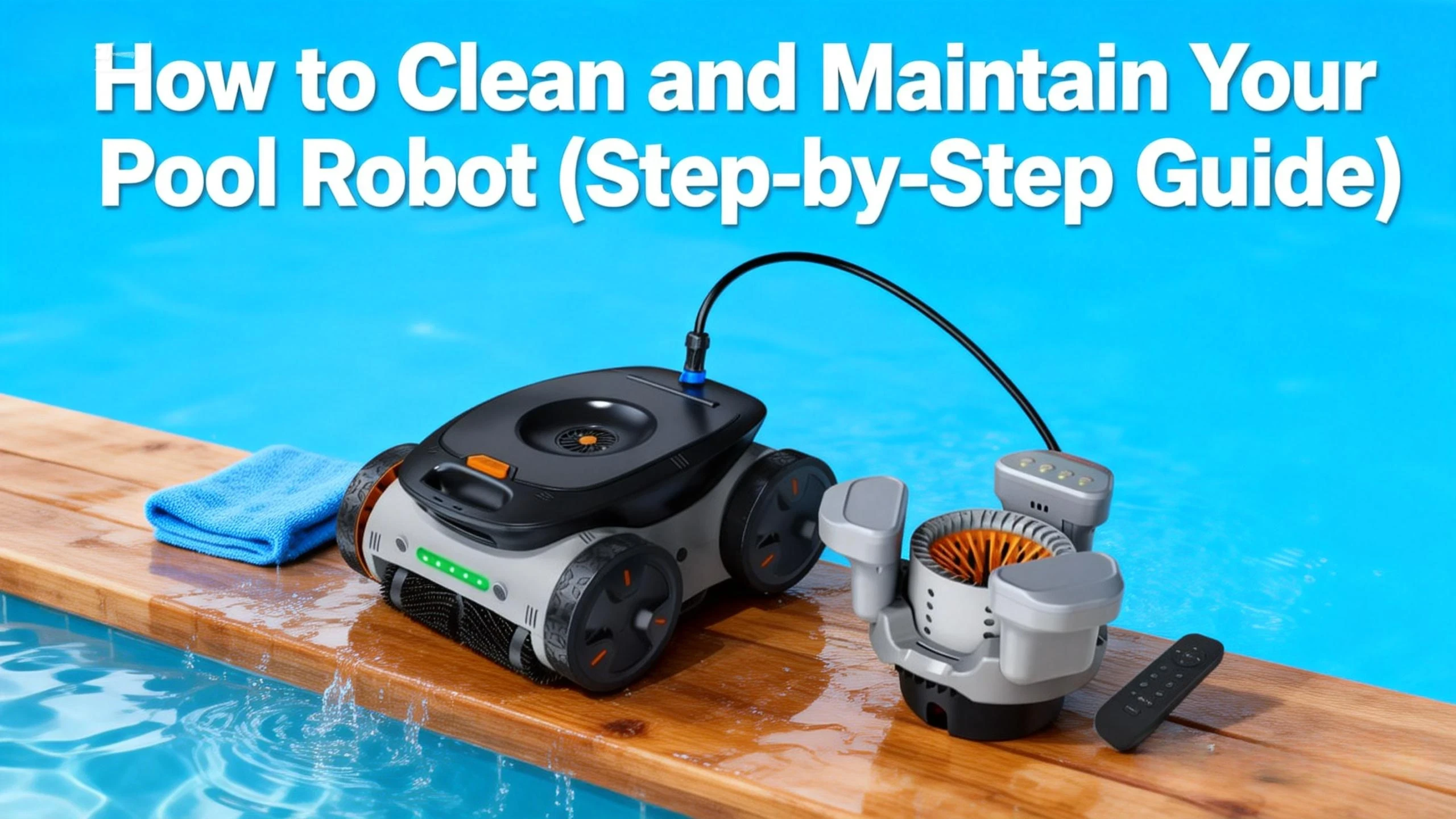
What is a Pool Robot and Why Does It Need Regular Cleaning?
A pool robot, also known as an automatic pool cleaner, is an autonomous device designed to maintain swimming pool cleanliness by removing debris, algae, and contaminants from pool surfaces. Regular cleaning of your pool robot is essential for optimal performance and longevity, as accumulated debris can reduce efficiency by up to 40% and strain the motor components.
1. Understanding Pool Robot Components
1.1 Core Mechanical Systems
Pool robots consist of several critical components: the drive motor, impeller system, filter canister, and navigation sensors. The drive motor powers the wheels or tracks, enabling movement across pool surfaces, while the impeller creates suction to collect debris. Most modern pool robots feature dual-stage filtration systems capable of capturing particles as small as 2 microns.
The navigation system, typically using gyroscopic sensors or microprocessors, ensures complete pool coverage. These components work together to maintain water clarity and reduce chemical dependency by up to 30%.
1.2 Electrical and Control Systems
The control unit houses the robot's brain, managing power distribution and cleaning cycles. Purily's advanced models incorporate smart sensors that detect water temperature and chemical balance, adjusting cleaning intensity accordingly. The power supply unit converts standard household voltage to the low-voltage DC power required for safe underwater operation.
Regular inspection of electrical connections prevents corrosion-related failures, which account for approximately 25% of pool robot malfunctions according to industry data.
2. Performance Impact of Regular Maintenance
2.1 Efficiency Degradation Without Cleaning
Debris accumulation in filter canisters reduces suction power by 15-20% per cleaning cycle. Clogged impeller blades force the motor to work harder, increasing energy consumption by up to 35%. Neglected pool robots show a 50% reduction in cleaning coverage within three months of operation.
Filter blockages also create backpressure that can damage seals and gaskets, leading to water ingress and electrical failures. Regular maintenance extends operational life by 2-3 years compared to neglected units.
2.2 Cost Implications of Poor Maintenance
Increased energy bills due to reduced efficiency
Premature replacement of motor components
Higher chemical usage from inadequate cleaning
Potential warranty voidance from neglect
Additional repair costs averaging $150-300 per incident
3. Visual Components and Their Functions
3.1 Cleaning Mechanism Diagram
The pool robot's cleaning mechanism includes rotating brushes that scrub pool surfaces, creating turbulence that loosens stubborn debris. High-quality brushes made from PVC or hybrid materials last 1-2 seasons with proper care. The suction port connects directly to the filter system, where debris is trapped before clean water returns to the pool.
Modern pool robots feature programmable cleaning patterns that optimize coverage while minimizing energy consumption. These patterns adapt to pool shape and size, ensuring thorough cleaning of floors, walls, and waterlines.
Pro Tip: Purily recommends establishing a weekly maintenance routine that includes filter cleaning, brush inspection, and electrical connection checks to maximize your pool robot's performance and lifespan.
How Often Should You Clean Your Pool Robot? (Based on Usage)
Maintaining your pool robot's cleaning schedule directly impacts its performance and longevity. Purily engineers recommend adjusting cleaning frequency based on pool usage patterns and environmental factors. Proper maintenance ensures optimal debris removal and extends the lifespan of critical components.
1. Usage-Based Cleaning Frequency
1.1 Daily Pool Use
For pools used daily, clean your pool robot after each cycle. Debris accumulation increases significantly with frequent use, requiring more thorough maintenance. Empty the filter basket, rinse the brushes, and inspect tracks for wear.
Empty filter basket after every cycle
Clean brushes and tracks weekly
Check impeller for debris monthly
1.2 Weekly Pool Use
Pool robots serving weekly-use pools require cleaning every 3-4 cycles. This schedule balances maintenance needs with practical usage patterns. Focus on filter maintenance and brush inspection to prevent performance degradation.
Clean filter every 3-4 cycles
Inspect brushes bi-weekly
Check power cord for damage monthly
2. Environmental Factors
2.1 Heavy Debris Areas
Pool robots in areas with heavy foliage or wind-blown debris need more frequent cleaning. Purily recommends cleaning after each cycle in these conditions. Monitor filter capacity and brush wear more closely.
Check filter after every cycle
Clean brushes twice weekly
Inspect tracks for debris buildup
2.2 Light Debris Areas
For pools in cleaner environments, extend cleaning intervals to every 2-3 cycles. Focus on preventive maintenance to avoid unexpected performance issues. Regular inspections prevent minor issues from becoming major problems.
Clean filter every 2-3 cycles
Brush inspection monthly
Track cleaning bi-weekly
3. Monthly Maintenance Schedule
3.1 Deep Cleaning Tasks
Perform monthly deep cleaning regardless of usage frequency. This includes descaling components, lubricating moving parts, and checking electrical connections. Purily engineers recommend this schedule for optimal performance.
Descale filter housing
Lubricate track wheels
Check power connections
3.2 Seasonal Adjustments
Adjust cleaning frequency seasonally based on pool usage patterns. Summer months typically require more frequent cleaning, while winter maintenance can be reduced. Plan for more intensive maintenance during seasonal transitions.
Increase frequency during peak season
Reduce maintenance in off-season
Perform seasonal deep cleaning
Q1: How often should I clean my pool robot if I use my pool daily?
A1: Clean your pool robot after each cycle when using your pool daily. This prevents debris buildup and maintains optimal performance. Empty the filter basket, rinse brushes, and inspect tracks regularly.
Q2: What's the minimum cleaning frequency for a pool robot?
A2: The minimum cleaning frequency is every 3-4 cycles, even for light-use pools. This ensures proper debris removal and prevents filter clogging. Regular maintenance extends the robot's lifespan significantly.
Q3: How do environmental factors affect cleaning frequency?
A3: Environmental factors like heavy foliage or wind-blown debris require more frequent cleaning. Pool robots in these areas should be cleaned after each cycle. Monitor filter capacity and brush wear more closely in challenging environments.
Q4: What monthly maintenance tasks are essential?
A4: Monthly maintenance should include descaling components, lubricating moving parts, and checking electrical connections. These tasks ensure long-term reliability and optimal performance regardless of usage frequency.
Q5: Should I adjust cleaning frequency seasonally?
A5: Yes, adjust cleaning frequency based on seasonal usage patterns. Increase frequency during summer months and reduce during winter. Perform more intensive maintenance during seasonal transitions to prepare for changing conditions.
Step-by-Step Guide: How to Clean Your Pool Robot Filter and Brushes
Regular maintenance of your pool robot's filter and brushes is essential for optimal performance and longevity. According to industry data, properly maintained pool robots can extend their operational life by up to 40% and maintain 95% cleaning efficiency. Purily recommends cleaning these components after every 2-3 uses for best results.
1. Safety Precautions and Preparation
1.1 Turn Off and Disconnect Power
Disconnect the robot from its power source
Remove the floating cable from the pool
Ensure the robot is completely powered down
Place on a flat, stable surface
1.2 Gather Necessary Tools
Soft-bristled brush or toothbrush
Hose with adjustable spray nozzle
Clean bucket or container
Microfiber cloth for drying
Optional: mild detergent (pH-neutral)
2. Cleaning the Filter System
2.1 Remove and Empty the Filter
Locate the filter compartment, typically on the top or side of the robot. Release the latches or screws securing the filter housing. Carefully remove the filter cartridge and empty all debris into a trash container. Pro Tip: Purily engineers suggest wearing gloves during this step to protect your hands from sharp debris.
2.2 Rinse and Deep Clean
Hold the filter cartridge upright and spray water through each pleat from the inside out. This removes embedded particles more effectively than reverse spraying. For stubborn buildup, soak the filter in a solution of warm water and mild detergent for 15-20 minutes. Rinse thoroughly until water runs clear, then allow to air dry completely before reassembly.
3. Brush Maintenance and Care
3.1 Inspect and Remove Debris
Examine the brushes for tangled hair, string, or other debris wrapped around the brush axles. Use scissors to carefully cut away any entangled material. Check for wear patterns or damage that might indicate the need for replacement. Most brush bristles should be at least 1/2 inch long for effective cleaning.
3.2 Clean and Sanitize
Using a soft-bristled brush, scrub the main brushes to remove algae, mineral deposits, and other buildup. Pay special attention to the brush ends where debris tends to accumulate. Rinse thoroughly with clean water. For sanitizing, use a solution of 1 part white vinegar to 3 parts water, then rinse again to prevent any vinegar residue from affecting pool chemistry.
4. Final Assembly and Testing
4.1 Reassemble Components
Ensure all components are completely dry before reassembly. Insert the clean filter cartridge, making sure it sits properly in the housing. Secure all latches or screws firmly but avoid over-tightening. Check that brushes spin freely and are properly aligned with the robot body.
4.2 Test and Verify
Before returning the robot to the pool, perform a quick test run on a flat surface to verify proper operation. Check for any unusual noises or vibrations that might indicate improper assembly. Pro Tip: Purily recommends running the robot for 5 minutes in shallow water before full deployment to ensure all systems are functioning correctly.
Consistent maintenance of your pool robot's filter and brushes not only ensures peak performance but also protects your investment. Regular cleaning prevents motor strain, maintains suction power, and extends the life of critical components. By following this step-by-step guide, you'll keep your pool robot operating at maximum efficiency throughout the swimming season.
3 Types of Pool Robot Cleaners: Maintenance Differences Explained
Choosing the right pool robot cleaner type affects not just cleaning performance but also ongoing maintenance requirements. Understanding these differences helps pool owners make informed decisions and establish proper care routines. Purily recommends matching cleaner type to your specific pool needs and maintenance capacity.
1. Suction-Side Pool Cleaners
1.1 Basic Operation and Maintenance
Suction-side cleaners connect directly to your pool's skimmer or dedicated suction line, using pump power to move and collect debris. These units require regular inspection of the diaphragm or vacuum plate for wear and tear. Clean the filter basket frequently to prevent pump strain and maintain optimal suction power.
Check hose connections weekly for leaks and ensure proper water flow. Replace worn parts like foot pads and wings annually to maintain cleaning efficiency.
1.2 Common Issues and Solutions
Reduced movement due to clogged filter or pump basket
Sticking or getting caught on steps and corners
Loss of suction from hose leaks or improper connections
Premature wear from running without adequate water flow
2. Pressure-Side Pool Cleaners
2.1 Maintenance Requirements
Pressure-side cleaners use water pressure from a dedicated booster pump to move and collect debris in an attached bag. Empty the debris bag when half full to maintain optimal performance and prevent motor strain. Inspect and clean the inline strainer regularly to protect the booster pump from debris damage.
Check all hose connections and swivels for wear, replacing them as needed to prevent air leaks that reduce cleaning effectiveness.
2.2 Performance Considerations
These cleaners excel at collecting larger debris but may struggle with fine particles. Monitor the sweep hose for proper operation and adjust the thrust jet direction seasonally for optimal coverage. Lubricate moving parts according to manufacturer specifications to extend unit lifespan.
3. Robotic Pool Cleaners
3.1 Advanced Maintenance Needs
Robotic cleaners operate independently with their own motors and filtration systems, requiring minimal pool equipment interaction. After each use, remove and rinse the filter cartridges or bags thoroughly to prevent debris buildup and maintain suction power. Store the unit properly by removing it from the pool and protecting it from direct sunlight when not in use.
Inspect the power supply and cable for damage regularly, and clean the tracks or wheels to ensure proper movement across pool surfaces.
3.2 Long-term Care Strategies
Pro Tip: Purily technicians recommend running robotic cleaners at least once weekly during peak season to prevent algae buildup and maintain water clarity.
Check brushes for wear and replace them when worn to maintain effective cleaning. Update firmware when available for newer models to access performance improvements and new features.
3.3 Maintenance Frequency Comparison
Cleaner Type | Daily/After Use | Weekly | Monthly | Seasonally |
|---|---|---|---|---|
Suction-Side | Empty pump basket | Check hoses and connections | Inspect diaphragm | Replace wearable parts |
Pressure-Side | Empty debris bag | Clean inline strainer | Check booster pump | Lubricate moving parts |
Robotic | Rinse filter cartridges | Inspect tracks/wheels | Check power supply | Replace brushes |
Understanding these maintenance differences helps you choose the right cleaner type and establish an effective care routine. While robotic cleaners require the least ongoing maintenance, they represent a higher initial investment. Suction and pressure-side options offer lower upfront costs but demand more frequent attention to keep your pool pristine.
Common Pool Robot Maintenance Mistakes to Avoid in 2024
Proper pool robot maintenance is crucial for extending the life of your equipment and ensuring optimal cleaning performance. Purily experts have identified the most common mistakes pool owners make that can lead to premature wear and reduced efficiency. Understanding these pitfalls can save you time, money, and frustration in the long run.
1. Neglecting Regular Filter Cleaning
1.1 The Mistake
Many pool owners wait until their robot's performance noticeably declines before cleaning the filters. This approach allows debris to accumulate, reducing suction power and potentially damaging the motor. Some users even operate their robots with clogged filters, thinking it will still clean effectively.
1.2 The Correct Method
Clean your pool robot's filters after every use, regardless of visible debris. A quick rinse with a garden hose removes most particles, while a monthly deep clean with mild detergent ensures optimal performance. This simple habit can extend your robot's lifespan by up to 40% according to industry data.
Pro Tip: Purily recommends establishing a weekly filter maintenance schedule. Set a recurring reminder on your phone to clean filters every Sunday, making it a consistent part of your pool care routine.
2. Improper Storage Practices
2.1 The Mistake
Storing pool robots improperly is a common error that can cause significant damage. Leaving robots in direct sunlight, storing them while wet, or coiling power cords too tightly are frequent mistakes. Some owners even leave their robots in the pool between uses, exposing them to constant chemical exposure.
2.2 The Correct Method
Always remove your pool robot from the water after each cleaning cycle. Allow it to dry completely in a shaded, well-ventilated area before storage. Store the robot and its components in a cool, dry place, ensuring power cords are loosely coiled to prevent wire damage. Consider using a protective storage bag to shield against dust and UV rays.
3. Using Incorrect Cleaning Chemicals
3.1 The Mistake
Many pool owners use harsh chemicals or abrasive cleaning tools when maintaining their robots. Bleach, acidic cleaners, and stiff brushes can damage the robot's delicate components, including tracks, brushes, and filter cartridges. Some users even submerge the entire robot in pool shock, thinking it will sanitize the unit.
3.2 The Correct Method
Use only manufacturer-recommended cleaning solutions and soft brushes or cloths when cleaning your pool robot. A mixture of mild dish soap and warm water is usually sufficient for most cleaning tasks. For stubborn debris, consult your user manual or contact the manufacturer for specific cleaning recommendations.
4. Ignoring Software Updates
4.1 The Mistake
Smart pool robots often come with software that can be updated to improve performance or fix bugs. Many users ignore these updates, either because they're unaware of them or find the process inconvenient. This oversight can result in suboptimal cleaning patterns and missed opportunities for enhanced functionality.
4.2 The Correct Method
Regularly check for software updates through your robot's companion app or manufacturer's website. Schedule updates during the off-season or when you know you won't need to use the robot for a few days. Keeping your robot's software current ensures you're benefiting from the latest improvements and bug fixes.
5. Overlooking Wear and Tear
5.1 The Mistake
Pool robot components like brushes, tracks, and filters naturally wear out over time. Many owners continue using their robots until a major failure occurs, rather than performing regular inspections and replacing worn parts. This approach can lead to more extensive damage and costly repairs.
5.2 The Correct Method
Inspect brushes monthly for wear and replace when bristles are less than 1/2 inch long
Check tracks for cracks or excessive wear every 3 months
Examine filter cartridges for tears or deterioration quarterly
Listen for unusual noises during operation, which may indicate motor or bearing issues
By avoiding these common maintenance mistakes, you can significantly extend the life of your pool robot and ensure it continues to perform at its best. Remember, a little preventative care goes a long way in protecting your investment and maintaining a clean, inviting pool.
How to Store Your Pool Robot During Off-Season: Winterizing Tips
Proper winter storage extends your pool robot's lifespan and ensures optimal performance when pool season returns. Purily recommends following these systematic steps to protect your investment during extended periods of non-use.
1. Pre-Storage Cleaning and Inspection
1.1 Thorough Cleaning Process
Begin by removing all debris from filters, brushes, and tracks. Use a soft brush and mild detergent to clean all surfaces, paying special attention to wheel assemblies and impeller areas. Allow the robot to dry completely before proceeding to prevent mold growth during storage.
Inspect power cords for cracks or damage, and check all seals and gaskets for wear. Replace any damaged components before storage to avoid deterioration during the off-season.
1.2 Complete Disassembly
Remove and clean filter cartridges or bags
Detach brushes and scrub tracks
Remove and clean the impeller housing
Disconnect and inspect power supply unit
2. Proper Storage Environment
2.1 Ideal Storage Conditions
Store your pool robot in a temperature-controlled environment between 50-80�F (10-27�C). Avoid areas with high humidity, direct sunlight, or extreme temperature fluctuations. A garage, basement, or dedicated storage closet provides optimal conditions for long-term preservation.
Maintain consistent temperature and humidity levels to prevent rubber components from cracking and electronic parts from corroding. Consider using silica gel packets to absorb excess moisture in the storage container.
2.2 Storage Container Selection
Use the original packaging when available, as it's specifically designed to protect the robot during transport and storage. If original packaging isn't available, select a sturdy plastic container with secure latches. Line the container with foam padding or bubble wrap to prevent movement and impact damage.
3. Battery and Power Management
3.1 Battery Preparation
Charge the robot's battery to approximately 50% capacity before storage. This partial charge prevents deep discharge while avoiding overcharging during the storage period. Disconnect the battery from the robot if possible to prevent parasitic drain.
Store batteries separately in a cool, dry place away from direct heat sources. Check battery charge level every 2-3 months and recharge if it drops below 30% to maintain optimal battery health.
3.2 Power Supply Storage
Clean the power supply unit with a dry cloth and inspect for any signs of wear or damage. Store the power supply in a separate container from the robot to prevent accidental damage during handling. Keep all cables neatly coiled and secured with Velcro straps to prevent tangling and stress on connection points.
Pro Tip: Purily technicians recommend labeling all disconnected components and storing them in clearly marked bags to simplify reassembly when pool season returns.
4. Documentation and Maintenance Schedule
4.1 Maintenance Records
Create a detailed checklist of all maintenance performed before storage, including cleaning dates, part replacements, and battery status. Document any issues discovered during inspection and note parts that may need replacement before the next season. This documentation helps track the robot's condition and plan for necessary repairs.
Take photos of the robot's setup and wiring configuration to assist with proper reassembly. Store these photos digitally and keep a printed copy with your maintenance records for easy reference.
4.2 Periodic Check Schedule
Establish a quarterly inspection schedule to check on stored equipment. During these checks, verify that the storage environment remains stable and that no moisture has accumulated. Rotate the robot slightly to prevent flat spots on wheels and brushes from prolonged pressure.
Review your maintenance records and update them with any observations during these periodic checks. This proactive approach helps identify potential issues before they become major problems requiring expensive repairs.